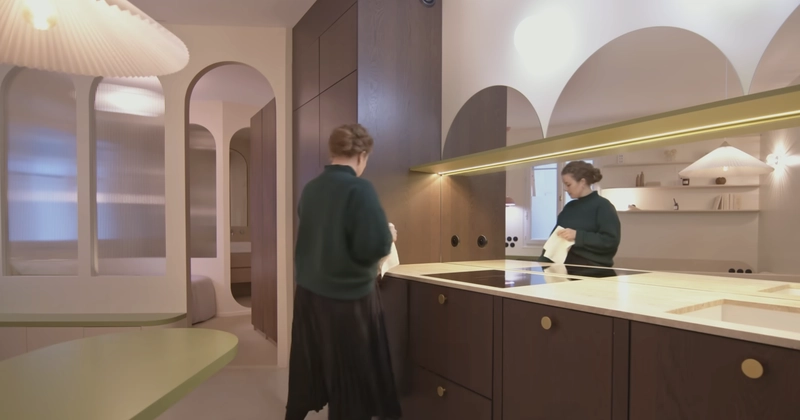
In the evolving world of interior design, we are witnessing a profound shift in the definition of luxury. No longer is a luxurious lifestyle strictly synonymous with expansive square footage; instead, it is increasingly defined by the care put into renovations, meticulous attention to detail, and the use of high-end, quality materials. As designers, our goal is to transform even the most compact spaces into sanctuaries that offer an escape from the bustle of city life.
The Power of Thematic Escapes
One of the most compelling current trends is the “thematic escape,” where a home is designed to evoke the atmosphere of a favorite destination. For instance, the “Dolce Vita Suite” concept draws inspiration from the timeless elegance of Venetian palazzos, utilizing elements like arches, pink and green marbles, and rich dark wood to recreate the feeling of an Italian hotel suite. By grounding a design in a specific narrative—such as a mix between a high-end hotel and a gelato bar—we can create a space that feels both nostalgic and revitalizing.
Influencing Mood Through Color and Light
Design choices have a direct impact on our psychological well-being. To influence mood effectively, consider the following strategies:
• The “Color Box” Transition: Creating a “color box” in the entrance—perhaps in a vibrant strawberry pink—gives the entry substance and creates a psychological distance between the outside world and the main living space.
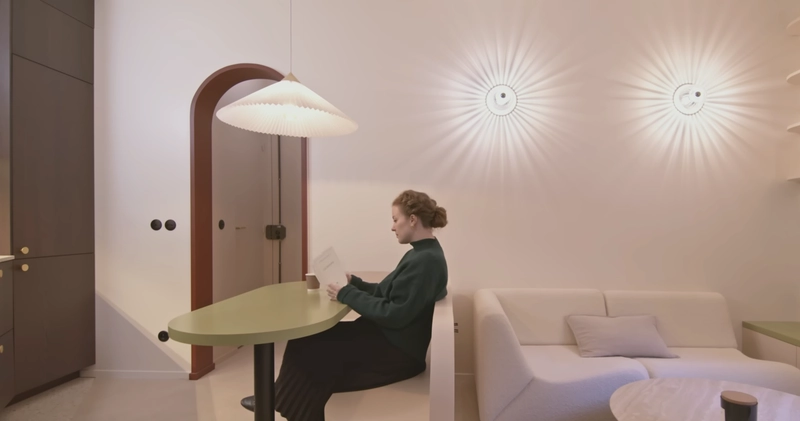
• Soft, “Flavorful” Palettes: Moving away from sterile whites, current trends embrace soft color palettes reminiscent of ice cream flavors. Pistachio greens and strawberry pinks create a “soft” atmosphere that enhances comfort and relaxation.
• Maximizing Light Circulation: To keep a space feeling airy, use fluted glass arches or partitions. These allow light to circulate throughout the day to every corner of the home, which is essential for maintaining a positive mood in smaller environments.
• Reflective Surfaces: Utilizing etched mirrors can reflect the surrounding space, visually doubling the room’s depth and preventing a “closed-in” feeling.
Advice for Functional Sophistication
True comfort stems from a space that functions seamlessly. As an expert, I recommend focusing on visual decluttering. This is achieved by integrating large appliances—such as fridges, microwaves, dishwashers, and washing machines—behind seamless cabinet doors.
Furthermore, versatility is key to modern living. A well-designed main space should be able to transition from a professional home office to an entertainment hub with a dining table for guests and a hidden projector screen that lowers only when needed.
Architectural Details that Add Value
Beyond aesthetics, specific architectural choices can significantly optimize a floor plan:
• Archways: Use arches to visually frame living spaces or as unique entryways. For example, a bathroom entrance inspired by boat doors—arched at both the top and bottom—can serve as a functional divider that protects the bedroom from splashes while adding a distinct nautical elegance.
• Floating Elements: In small quarters, floating bedside tables maximize the feeling of floor space, making the room appear larger than it is.
• Optimized Storage: Incorporate vertical cupboards and “pocket storage” to hide everyday items like shoes and electrical boards, ensuring the design remains the focal point.
By focusing on these intentional details, you can turn any residence into an appreciating asset that provides daily comfort and a sense of refined luxury.