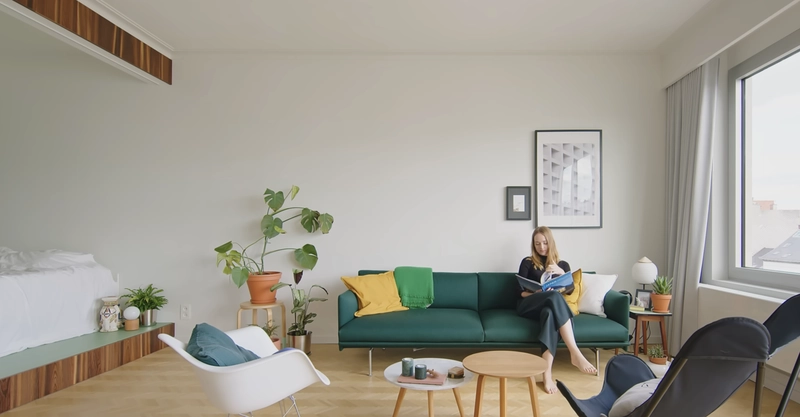
In the modern era of interior design, we are witnessing a significant shift away from sheer square footage toward the intentionality of space. As an interior design expert, I believe that compact design, when executed with a natural sequence of functions, creates a clear floor plan that fundamentally enhances how we live, work, and feel within our homes. Whether you are dealing with a sprawling estate or a 51-square-meter studio, the principles of comfort and mood remain the same: every centimeter is an opportunity for creativity.
1. Prioritizing Natural Flow and Light
One of the most impactful trends today is the transition from compartmentalized rooms to open-concept living that prioritizes natural light. In smaller dwellings, such as the 1960s apartment in Antwerp featured in the sources, traditional walls often create dark, uninviting spaces. By removing interior walls and replacing them with functional dividers—like a central cabinetry box—you can allow natural light to penetrate deep into the apartment.
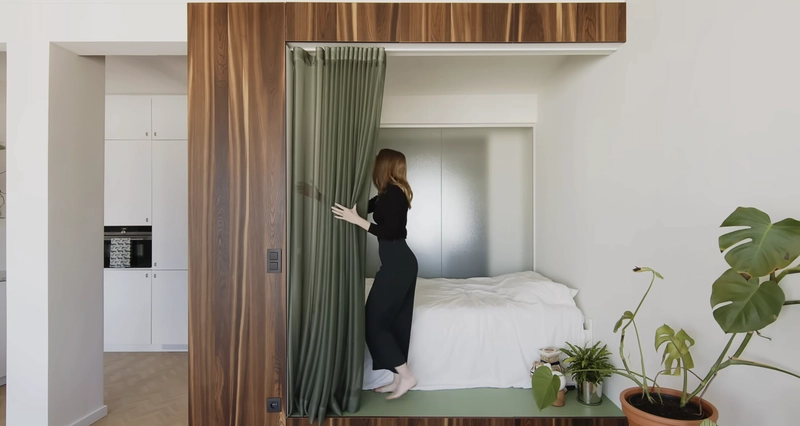
Expert Advice: To boost your mood, ensure your living area is situated near the primary light source to maximize views and sun exposure. If you have internal rooms without windows, such as a bathroom, consider using opaque or translucent walls to borrow light from adjacent spaces without sacrificing privacy.
2. The Power of Multifunctional Architecture
Current trends favor “invisible” or built-in solutions that minimize visual clutter. A “central box” concept can act as a room divider, storage unit, and structural element all at once.
• Storage as a Wall: Instead of standard partitions, use custom cabinetry to divide areas; this provides essential storage for items like coats, shoes, and even hidden appliances like washing machines.
• Flexible Furniture: Choose pieces that serve dual purposes. A simple round dining table can double as a dedicated workspace, while a custom-built bench can extend from the kitchen to provide both seating and hidden storage.
• Hidden Technology: To maintain a serene environment, hide technology when not in use. Storing a projector in a cabinet to be used only during movie nights keeps the living space focused on relaxation rather than screens.
3. Evoking Emotion Through Texture and Color
The materials we choose are the primary drivers of warmth and a “feeling of home”. Current design favors a mix of organic textures to provide depth.
• Natural Finishes: Utilizing materials like smoked brushed larch for cabinetry or a herringbone mosaic parquet floor adds a tactile, timeless quality to a room.
• Strategic Color Pops: While keeping walls white creates a sense of airiness and light, using a bold, consistent color—such as green—on shelving or in the shower can make specific architectural elements “pop” and provide a sense of character.
• Biophilic Design: Integrating nature is essential for mental well-being. Incorporating plants around the living area or building custom shelving specifically for greenery helps bring the outdoors in, creating a soothing atmosphere.
4. Maximizing the Vertical and the Hidden
In a fully functioning home, no space should go to waste. Raising the bed on a podium, for instance, allows for significant storage underneath, which is a game-changer for maintaining a clutter-free environment. Even small details, like a pull-out clothing rack or a built-in cabinet for bathroom supplies hidden behind a mirror, contribute to a sense of luxury and order.
Final Thought: Designing a home is not just about aesthetics; it is about creating a sanctuary that supports your lifestyle. With rising housing prices, small-scale living is an incredible opportunity to apply Creative Solutions that prove a limited footprint does not mean a limited life. By focusing on light, texture, and smart functionality, any space can be transformed into a haven of comfort and inspiration.