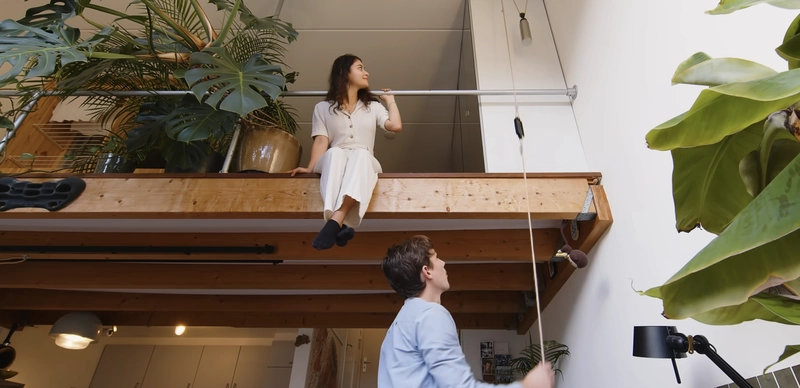
In the realm of modern interior design, we are seeing a significant shift away from rigid, “catalogue-ready” looks toward a more tailored way of living. As an expert in the field, I believe that a home should not just be a collection of furniture, but a considered environment where every element serves a purpose and contributes to the inhabitant’s well-being.
Current trends emphasize that true comfort and a positive mood are achieved through a combination of multifunctionality, light optimization, and personal narrative.
The Philosophy of Iteration
One of the most profound trends in contemporary design is the concept of iterative living. Rather than finishing a home in one go, the most successful spaces evolve as you live in them. By experiencing the daily rhythms of your home, you can truly identify what works for your specific needs. This approach reduces the stress of “getting it right” immediately and allows the space to grow organically with you.
Maximizing Small Footprints through Modularity
The modern home often requires us to do more with less. Multifunctional and modular furniture has become a cornerstone of smart design. Systems like “molecrates”—crafted from sustainable, high-quality Baltic birch plywood—allow for a high degree of customization without the need for specialized tools.
Design Advice: Invest in pieces that offer longevity through transformation. A modular unit that serves as a bedside table today should be capable of becoming a room divider, a coffee table, or even additional seating for a dining area in the future. This adaptability not only saves space but also provides a sense of agency over your environment, which significantly boosts your mood.
Light, Space, and Emotional Well-being
The way light moves through a home is perhaps the most critical factor affecting mood. To create a sense of spaciousness and calm, prioritize clear sightlines. For instance, keeping an entrance “clean and clear” so you can see straight through to a window or a view creates an immediate sense of relief upon entering.
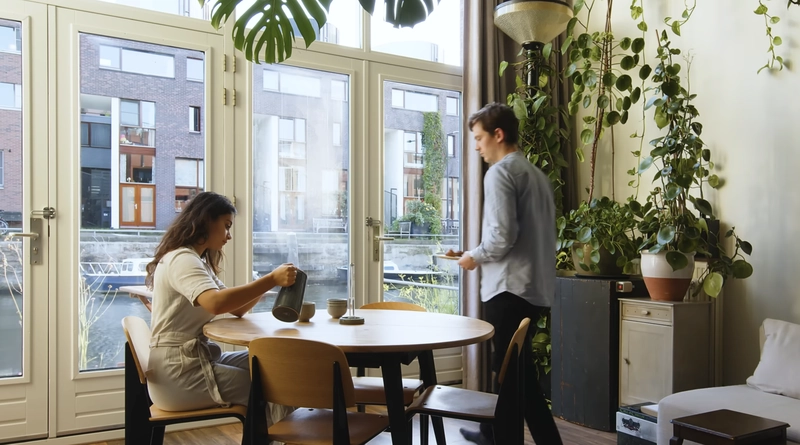
To further enhance natural light, consider these specific strategies:
• Strategic Mirror Placement: Use mirrors above doors or floor-to-ceiling mirrors on wardrobes to bounce light around corners and create an illusion of depth.
• Zoning with Softness: Instead of heavy permanent walls, use curtains to create separate zones. In a sleeping area, curtains can block out light and pests while providing a “cocoon” effect that enhances the feeling of security and comfort.
• Visual Contrast: Contrast angular, square furniture with round tables to soften the aesthetic of a room. An extendable round table is particularly effective, as it maintains a small footprint for daily use but can expand to host larger gatherings, fostering social connection.
Curating a Personal Narrative
Current trends are moving away from mass-produced decor in favor of DIY projects and found objects. Integrating items with a history—such as an industrial light found in an abandoned factory or a converted street lamp—infuses a home with character and a “certain style” that cannot be replicated.
Incorporating biophilic elements, such as large indoor plants, further connects the indoors with the natural world, which is proven to lower stress levels. Personalizing your space can even extend to the smallest details, such as handmade tiles featuring your own signatures, which turn a utilitarian corner into a “hidden gem”.
Conclusion: Designing for the Soul
Ultimately, a well-designed home is one where the “mess” of daily life—like coats, shoes, and even pet accessories—is tucked away into smart, integrated storage. By hiding the washing machine in a custom bathroom cabinet or integrating a cat’s litter box into the cabinetry, you remove visual “noise” and create a serene environment.
When you combine tailored storage, modular flexibility, and personal history, you create a home that does more than just look good—it supports your lifestyle and nurtures your spirit.