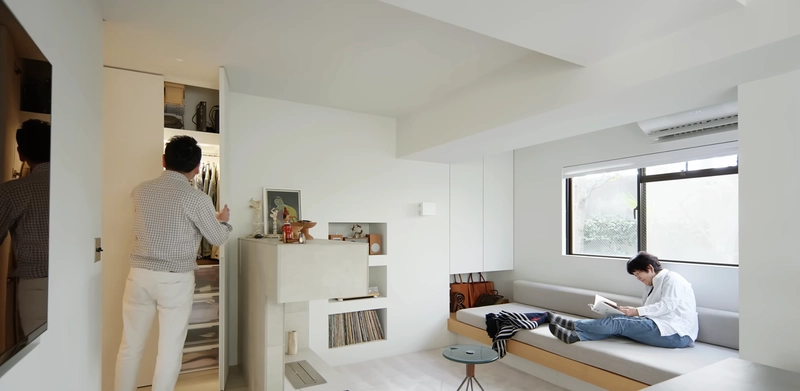
In the modern era of interior design, we are seeing a profound shift away from mere aesthetics toward a philosophy of intentionality and well-being. As urban environments become more populated and our lifestyles more complex, the homes we inhabit must serve as sanctuaries that support both our physical comfort and our emotional health. Drawing from innovative small-space solutions, such as those seen in contemporary Japanese architecture, we can identify several key trends that transform even the most compact dwellings into vibrant, multi-functional homes.
The Rise of Multi-Generational Harmony
One of the most significant trends in home interiors is the increasing prevalence of multi-generational living. As populations age, more families are choosing to live together, which necessitates a design that balances shared social areas with private retreats.
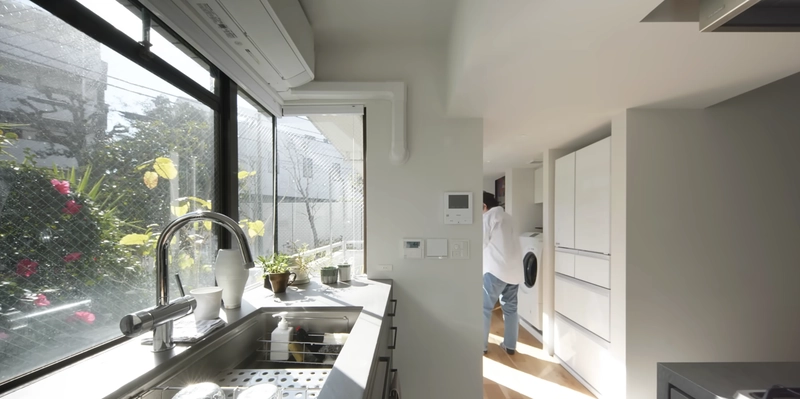
To achieve this, design must prioritize “appropriate distance”. For example, in a renovation of a 46-square-meter apartment, the floor plan was reimagined to create private rooms while maintaining a sense of spaciousness in the living and dining areas where the family spends the most time. Advice for the home: When designing for multiple adults, use architectural elements like sunken floors or strategic furniture placement to create separate “zones” without the need for restrictive walls.
Multi-Purpose Functionality and Flexible Zoning
In the pursuit of comfort, the trend of multi-purpose spaces has become essential. A room is no longer just a bedroom or a living room; it is a fluid environment that adapts to the time of day.
• Transformative Furniture: Consider custom solutions like a wooden bench that serves as a sofa by day and converts into a bed by night, with integrated storage underneath to quickly clear away bedding.
• Visual Dividers: Instead of solid walls, use elements like a bio-ethanol fireplace or clever cabinetry to separate a hallway from a living area. This maintains an open feel while providing the privacy necessary for a peaceful mood.
• Zoning through Texture: Incorporating a carpeted floor in a specific area—perhaps one step lower than the rest of the apartment—creates a tactile “zone” that encourages sitting on the floor and signals a shift into a space for relaxation.
The Impact of “Invisible” Storage on Mood
Clutter is one of the primary detractors from a calm mood. Current trends emphasize integrated, hidden storage to maintain a “clean” visual environment.
Expert design advice involves planning storage for every specific item, from bulky golf bags to small Wi-Fi routers, ensuring they are tucked away but accessible. Utilizing recessed shelves and ceiling-mounted hanging rods can keep floors clear and walkways unobstructed. Furthermore, the use of sensor lighting and indirect lighting in these storage areas and compact spaces (like bathrooms) can make a small home feel significantly more comfortable and expansive.
Designing the “Lively” Social Hub
The kitchen has evolved from a utilitarian space into a bright, open social hub. Modern trends favor “lively” kitchen environments where cooking and dining are integrated.
Specific Advice:
• The Island Concept: Build a dining table into a kitchen island to allow for immediate serving and conversation.
• Natural Connections: If possible, position the sink or prep area to face a window with green space. This connection to nature significantly boosts the mood of the inhabitants while performing daily tasks.
• Materiality: Use warm, natural materials like wood, but ensure longevity by applying water-resistant finishes in high-moisture areas.
Conclusion
Ultimately, successful interior design is about more than just how a room looks; it is about how it facilitates life. By embracing multi-purpose layouts, clever storage, and a balance of privacy and connection, we can create homes that are not only efficient but also deeply restorative. Whether you are renovating a small apartment or a large family home, focus on how your design choices can foster comfort and joy for every inhabitant.