In the heart of Brunswick, Melbourne, a 42-square-meter (452sqft) apartment stands as a testament to a growing global trend: the shift toward flexible, compact, and high-function living. As urban density increases and our lifestyles become more fluid—blurring the lines between work, rest, and play—the way we design our homes is undergoing a radical transformation.
The Rise of the Multi-Functional Space
The modern home is no longer a series of rigid, single-purpose rooms. Instead, homeowners are prioritizing open living plans that maximize every inch of floor space. Alex Antoniadis, an urban planner and owner-occupier of a recently renovated 1971 apartment, exemplifies this shift. By removing a central wall that originally separated the kitchen and living area, Antoniadis was able to flood the space with natural light and create a versatile zone that functions as a kitchen, a dining room, and an office.

“It was important that this space was flexible to enable the kitchen to be used for other purposes,” Antoniadis explains, noting the inclusion of a custom pop-out table that retracts into the cabinetry when not in use. This allows the entire dynamic of the apartment to change, shifting from a quiet solo dinner setting to an open area capable of hosting friends.
Design as a Tool for Wellness and Space
In smaller modern dwellings, design isn’t just about aesthetics; it’s about psychological breathing room. Antoniadis utilized several “modernist architecture design features” to make his 42sqm space feel significantly larger. These include:
• Seamless Flooring: Using locally sourced gray terrazzo tiles throughout the entire apartment to create a visual flow.
• Verticality: Extending tiles from floor to ceiling in the bathroom to make the ceilings appear higher.
• Negative Space: Installing wall-hung furniture, such as the TV unit, to keep the floor clear and ease the cleaning process.
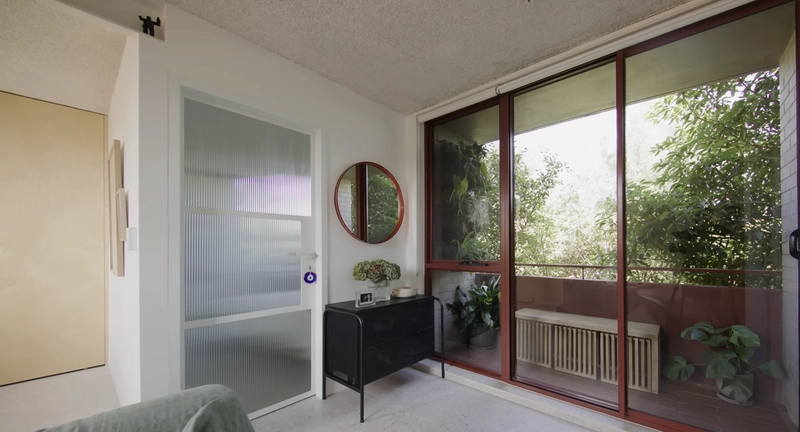
• Light Filtration: Replacing solid doors with three-paneled fluted steel glass doors, which provide privacy for the bedroom and bathroom while allowing natural light to filter into the rest of the home.
The Home as a Productive Hub
The rise of working from home has necessitated dedicated office spaces, even in “tiny” studios. Rather than sacrificing a whole room, modern residents are integrating desks into quieter areas. In Antoniadis’s case, he placed a desk in his bedroom with an outlook to an internal courtyard garden, ensuring a productive environment that remains separated from the high-traffic kitchen and living zones.
Sustainability through Adaptive Reuse
Beyond the interior walls, the concept of the modern home is also being reshaped by a growing commitment to sustainability. There is an increasing movement toward adapting old buildings rather than demolishing them. As an urban planner, Antoniadis highlights that many older complexes possess strong structural integrity.
“The importance of reusing and adapting compared to demolishing buildings is really important because this presents an opportunity to utilize what we already have in a more flexible and well-considered way,” he says. By retaining original elements—like the burgundy balcony balustrades or the 1970s “popcorn” ceiling—homeowners can pay homage to architectural history while modernizing the home’s utility for the 21st century.
Conclusion
The modern home is becoming a reflection of our values: flexibility, efficiency, and a respect for the past. Whether it is through a retractable dining table or the strategic use of fluted glass, the focus has shifted from how much space we have to how well we use it. As we continue to move back into urban centers, the “never too small” philosophy is no longer just a necessity—it is a lifestyle choice.