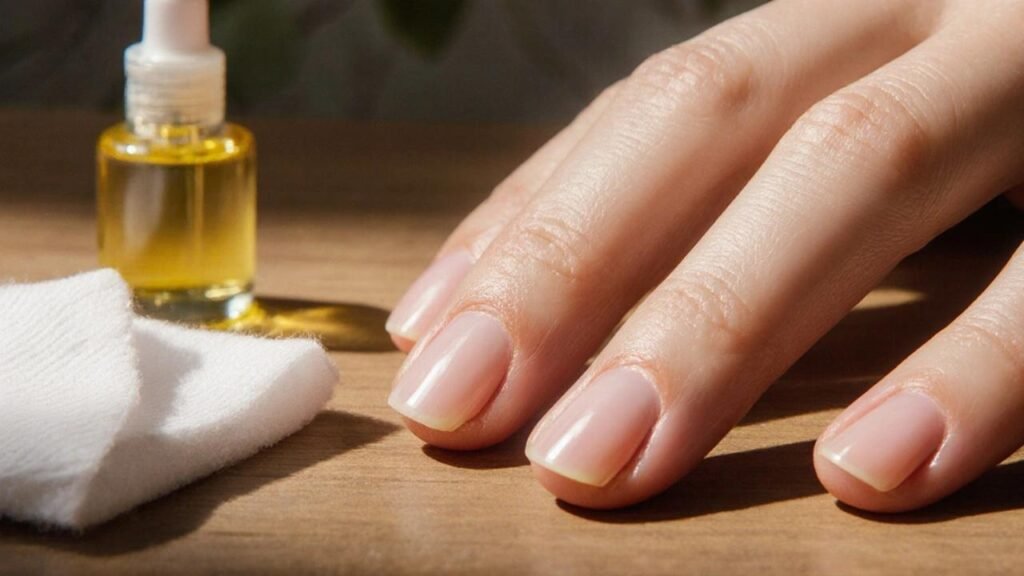
Healthy nails are an important part of well-groomed hands, but maintaining their strength is not always easy. If your fingernails bend easily, peel in thin layers, develop cracks, or break before reaching your desired length, you may be dealing with weak and brittle nails. These problems can make even a simple manicure difficult to maintain.
Many people try different nail hardeners, oils, and strengthening treatments without understanding what is causing the damage in the first place. However, improving nail strength requires more than applying a cosmetic product. Everyday habits, repeated exposure to water, harsh cleaning chemicals, improper nail treatments, and nutritional deficiencies can all affect the condition of your natural nails.
The good news is that you can support healthier, stronger nails with a consistent care routine. Small changes, such as moisturizing after washing your hands, using protective gloves, filing correctly, and avoiding aggressive nail treatments, can help reduce unnecessary breakage.
If you want to learn how to strengthen weak and brittle nails, these practical tips will help you understand what your nails need and how to protect them as they grow.
What Causes Weak and Brittle Nails?
Before choosing a nail strengthening treatment, it is important to understand why your nails are becoming weak. Brittle nails can develop for several reasons, and identifying the cause makes it easier to choose the right care routine.
Frequent Exposure to Water
Repeated contact with water can affect the structure of your natural nails. Nails absorb and release moisture, and frequent cycles of wetting and drying can contribute to peeling, splitting, and breakage.
This is particularly common among people who regularly wash dishes, clean their homes, or work in environments that require frequent handwashing.
Harsh Chemicals and Cleaning Products
Household detergents, cleaning solutions, and certain nail products can contribute to dryness and irritation. Frequent exposure to these substances may leave the nails and surrounding skin feeling rough and uncomfortable.
Nail polish removers containing acetone can also dry out the nail plate and surrounding skin, particularly when used repeatedly.
Excessive Gel and Acrylic Treatments
Gel manicures and acrylic extensions can affect natural nail strength when they are applied, maintained, or removed incorrectly.
Aggressive filing, repeated chemical exposure, and peeling off artificial products can damage the surface layers of the natural nail. Over time, this may leave the nails thin, sensitive, and more likely to break.
Nutritional Deficiencies
Your nails need adequate nutrition to maintain normal growth and structure. Low levels of certain nutrients, including iron, can sometimes contribute to nail abnormalities.
Protein, zinc, and other essential nutrients also support normal tissue maintenance. However, weak nails do not automatically mean you have a nutritional deficiency.
Aging and Natural Changes
Nails can become more fragile as people get older. Changes in nail growth, moisture retention, and everyday wear can make them more susceptible to splitting and breakage.
Some people naturally have thinner or more flexible nails than others, which means their nail care routine may need extra attention.
10 Effective Ways to Strengthen Weak and Brittle Nails
Strengthening weak nails is not about using as many treatments as possible. It is about protecting the natural nail plate, reducing damage, and maintaining healthy nail care habits.
1. Keep Your Nails Properly Moisturized
Moisturizing is one of the simplest ways to improve the condition of dry and brittle nails.
When your hands are exposed to frequent washing, detergents, and environmental changes, the skin around your nails can become dry. The nail plate can also become more prone to splitting and peeling.
Use a nourishing hand cream after washing your hands, making sure to massage it into your fingertips, nail folds, and cuticles.
Look for moisturizers containing ingredients such as:
- Glycerin
- Shea butter
- Petrolatum
- Ceramides
- Mineral oil
These ingredients help reduce moisture loss and improve the condition of dry skin.
For an additional moisturizing step, apply a thicker hand cream before bedtime. Consistent use is more helpful than applying a large amount only when your hands become extremely dry.
2. Apply Cuticle Oil Regularly
Cuticle oil is a useful addition to a nail care routine, particularly when your nails are dry or the skin around them frequently becomes rough.
Products containing jojoba oil, almond oil, or vitamin E are commonly used to condition the cuticle area. They help soften the surrounding skin and make your hands look better maintained.
Apply a small amount around each nail and gently massage it into the cuticle and sidewalls.
You can use cuticle oil once or twice daily, depending on your needs. Applying it before bedtime is a convenient way to maintain a regular routine.
Remember that cuticle oil does not repair damaged nail layers or directly increase nail strength. Its main purpose is to help maintain moisture around the nail and reduce dryness.
3. Reduce Excessive Water Exposure
Water is essential for everyday hygiene, but repeated and prolonged exposure can contribute to weak nails.
If your hands spend a lot of time in water, your nails may become more vulnerable to peeling and splitting. This is especially relevant when water exposure is combined with detergents and frequent handwashing.
Try to reduce unnecessary soaking and dry your hands thoroughly after washing them.
If you regularly perform household chores, consider wearing waterproof gloves to protect your nails.
After activities involving water, apply hand cream to restore moisture to the surrounding skin.
These simple habits can help reduce environmental stress on your natural nails.
4. Wear Gloves When Cleaning
Household cleaning products are not always gentle on your hands. Dishwashing liquids, detergents, bathroom cleaners, and other chemical products can contribute to dryness and irritation.
Wearing protective gloves creates a barrier between your nails and these substances.
Choose gloves that fit comfortably and keep your hands dry inside them. If moisture builds up during longer cleaning sessions, take a break and allow your hands to dry.
This is particularly important for people who wash dishes regularly or perform frequent household cleaning.
Protective gloves are an inexpensive but useful part of a nail care routine, especially when your natural nails are already thin or fragile.
5. File Your Nails Gently
Improper filing can make weak nails more vulnerable to damage.
Using excessive pressure, rough files, or repeated back-and-forth movements may contribute to splitting and uneven edges.
Choose a fine-grit nail file and gently smooth the edges in one direction. Avoid aggressive filing across the surface of your natural nail.
Keep the shape simple and practical. Rounded or soft-square nails can be easier to maintain when your nails are short or prone to catching on clothing.
If a nail develops a small tear, smooth the rough edge rather than pulling or biting the damaged area.
Regular gentle filing helps keep your nails neat while reducing the risk of further breakage.
6. Avoid Excessive Use of Gel and Acrylic Nails
Gel manicures and acrylic extensions can create a beautiful, polished appearance, but frequent treatments may not be suitable for nails that are already damaged.
The application process can involve surface filing, chemical products, and curing procedures. Removal may also require soaking, scraping, or filing, depending on the product.
Repeated aggressive treatments can leave natural nails thin, brittle, and sensitive.
If your nails are weak, consider taking a break from artificial extensions and focusing on natural nail maintenance.
When you do choose a manicure, avoid peeling off gel polish or attempting to forcefully remove acrylic products.
A professional removal process is safer than pulling artificial material away from your natural nail.
7. Limit Acetone-Based Nail Polish Removers
Acetone is an effective solvent commonly used to remove nail polish and artificial nail products. However, frequent exposure can leave nails and surrounding skin dry.
If your nails are already brittle, consider reducing how often you use acetone-based removers.
Non-acetone nail polish removers are another option for removing regular polish, although they may require more time or effort.
Regardless of the product you choose, avoid excessive rubbing and scraping.
After removing polish, wash your hands gently and apply a moisturizing hand cream or cuticle oil.
If your nails are peeling or splitting, giving them a break from frequent polish changes can also be helpful.
8. Eat a Balanced Diet
Your nail care routine should not focus entirely on external treatments. Nutrition also plays an important role in maintaining healthy nails.
Nails are primarily made of keratin, a structural protein. Your body needs adequate nutrition to maintain normal tissue growth and repair.
Include a variety of nutrient-rich foods in your daily meals.
Good options include:
- Eggs and lean meat for protein.
- Lentils and beans for plant-based protein and iron.
- Pumpkin seeds and nuts for zinc and other minerals.
- Spinach and leafy greens for several essential nutrients.
- Fish for protein and healthy fats.
- Fruits and vegetables for vitamins and antioxidants.
A balanced diet is generally more useful than relying on individual foods or unverified nail growth remedies.
If your nails remain unusually brittle despite good care, a healthcare professional can help determine whether an underlying deficiency or medical condition may be involved.
9. Keep Your Nails at a Manageable Length
Long nails can look elegant, but they require more care, particularly when the natural nail plate is weak.
If your nails break frequently, keeping them slightly shorter can help reduce the chance of catching or bending.
Choose a length that suits your daily activities and allows you to maintain your nails comfortably.
Trim them carefully using clean nail clippers or manicure scissors, then smooth the edges with a file.
You do not need to cut your nails extremely short. The goal is to remove vulnerable excess length while allowing the natural nail to grow gradually.
Once your nails become stronger and less prone to breaking, you can gradually maintain a longer shape.
10. Avoid Biting, Picking, and Peeling Your Nails
Nail biting and picking can cause repeated physical damage to the natural nail plate and surrounding skin.
If your nails already have peeling layers, pulling them away can make the damage worse. It may remove additional layers of the nail and leave the surface uneven.
Avoid using your fingernails to open packages, scratch hard surfaces, or remove stubborn objects.
If you notice a loose piece of nail, trim the damaged portion carefully with clean nail tools rather than pulling it.
Keeping your nails neatly filed and moisturized can also reduce the temptation to pick at rough edges.
Best Oils and Moisturizers for Weak Nails
Choosing suitable moisturizing products can make your nail care routine easier to maintain. However, it is important to understand that oils and creams primarily help with conditioning and moisture retention rather than rebuilding damaged nail tissue.
Jojoba Oil
Jojoba oil is commonly used in cuticle care products because it spreads easily and helps condition dry skin.
Apply a small amount around the nail folds and massage gently. It is particularly useful when your cuticles become rough or uncomfortable.
Almond Oil
Sweet almond oil is another popular ingredient in nail and skin care products. Its emollient properties help soften dry skin around the nails.
Use a small amount on your fingertips and cuticles, especially after washing your hands.
Coconut Oil
Coconut oil can help moisturize dry skin and is often used in simple home care routines.
Apply a thin layer around your nails and allow it to absorb. If you have sensitive skin, test the product on a small area first.
Petroleum Jelly
Petroleum jelly is a useful option for people who experience severe dryness around their nails.
It forms a protective layer that helps reduce moisture loss. Applying a small amount before bedtime can help keep the surrounding skin soft.
Which Moisturizer Should You Choose?
There is no single product that works best for everyone. If your main concern is dry cuticles, cuticle oil may be convenient. If your hands are frequently exposed to water and detergents, a thicker hand cream or petroleum jelly may be more useful.
Choose a product that feels comfortable and use it consistently.
Foods That Support Stronger Nails
Healthy nails benefit from a varied diet that provides adequate protein, vitamins, and minerals.
Here are some food choices worth including in your regular meals.
Eggs
Eggs provide high-quality protein and several nutrients, including biotin. They can be an easy addition to breakfast or other meals.
Nuts and Seeds
Almonds, walnuts, pumpkin seeds, and sunflower seeds provide healthy fats and minerals such as zinc.
Leafy Green Vegetables
Spinach and other leafy greens provide iron, folate, and additional nutrients that support overall health.
Fish
Fish such as salmon provide protein and healthy fats. Including fish as part of a balanced diet can contribute to overall nutritional needs.
Beans and Lentils
These foods provide plant-based protein and minerals, making them useful options for people who prefer vegetarian meals.
No individual food can guarantee stronger nails. The important factor is maintaining a varied and balanced diet over time.
How to Strengthen Nails After Gel or Acrylic Removal
It is common for natural nails to feel thin, dry, or sensitive after repeated gel manicures or acrylic extensions.
Some of this damage can result from aggressive surface filing, scraping, peeling, or improper removal.
The first step is to stop removing or peeling any remaining product yourself. If artificial material is still attached, have it removed safely rather than forcing it off.
Once your natural nails are exposed, follow these steps:
- Keep your nails at a manageable length to reduce bending and breakage.
- Apply hand cream after washing your hands.
- Use cuticle oil to condition the surrounding skin.
- Avoid aggressive buffing or filing of the natural nail surface.
- Take a break from artificial enhancements while your nails grow out.
- Wear gloves during household cleaning and dishwashing.
- Avoid picking at peeling layers of the nail.
It is important to remember that the damaged portion of the nail cannot be restored to its original structure by applying oil or a strengthening cream. It needs to grow out naturally.
With gentle care and time, healthier nail growth from the base can gradually replace the damaged portion.
Daily Nail Care Routine for Weak and Brittle Nails
A consistent routine does not need to be complicated. The following schedule can help protect your nails throughout the day.
Morning Routine
- Apply a moisturizing hand cream.
- Check your nails for rough edges or small tears.
- Apply a small amount of cuticle oil if your cuticles are dry.
- Avoid using your fingernails as tools.
During the Day
- Wear protective gloves when washing dishes or cleaning.
- Dry your hands properly after washing.
- Reapply hand cream when your skin feels dry.
- Avoid picking at peeling nails.
Night Routine
- Clean your hands gently.
- Apply a nourishing hand cream.
- Massage cuticle oil around your nails.
- Apply a thin layer of petroleum jelly to particularly dry areas if needed.
Following these habits consistently is more practical than frequently switching between different nail treatments.
Common Nail Strengthening Mistakes to Avoid
Even with good intentions, some nail care habits can make brittle nails worse.
Using Too Many Nail Strengtheners
Applying multiple strengthening products does not necessarily improve nail condition. Some products can make nails feel excessively rigid, and certain formulations may irritate the surrounding skin.
Choose products carefully and stop using anything that causes discomfort.
Cutting or Aggressively Pushing Back Cuticles
Cuticles help protect the area where the nail grows. Cutting them unnecessarily can increase the risk of irritation and infection.
Focus on moisturizing the cuticle area rather than aggressively removing or trimming it.
Peeling Off Nail Polish or Gel
Peeling products from the nail surface can remove layers of natural nail along with the polish.
Use an appropriate removal method instead of pulling products away.
Ignoring Persistent Nail Changes
Not every weak or brittle nail problem is caused by poor grooming. Changes in color, shape, thickness, or texture can sometimes indicate an underlying condition.
Persistent or unexplained changes should be assessed by a healthcare professional.
When Should You See a Dermatologist?
Occasional nail breakage is common, but persistent or unusual changes deserve attention.
Consider consulting a dermatologist or healthcare professional if you notice:
- Nails that remain unusually brittle despite consistent care.
- Significant splitting or peeling that continues to worsen.
- Yellow, green, brown, or unusual discoloration.
- Thickening or changes in nail shape.
- Pain, swelling, or redness around the nail.
- Nails separating from the nail bed.
- Unexplained changes affecting several nails.
Some nail problems may be associated with fungal infections, psoriasis, nutritional deficiencies, medication effects, or other health conditions.
A professional assessment can help identify the cause and determine whether specific treatment is needed.
Do not rely on cosmetic nail strengtheners to treat an infection or an underlying medical problem.
Frequently Asked Questions
1. How Can I Strengthen Weak Nails Naturally at Home?
Start by keeping your nails moisturized, applying cuticle oil, wearing gloves during cleaning, and avoiding aggressive filing. A balanced diet and consistent nail care habits can also support healthier nails over time.
2. Why Are My Nails So Weak and Brittle?
Weak and brittle nails can result from frequent water exposure, harsh chemicals, repeated manicures, aging, physical damage, or certain nutritional and medical conditions. Identifying the underlying cause is important for choosing the right care routine.
3. Does Vaseline Make Nails Stronger?
Vaseline does not directly strengthen the internal structure of your nails. However, it helps reduce moisture loss from the surrounding skin and can improve dryness around the cuticles. Regular moisturizing may help protect the nail area from excessive dryness.
4. Is Cuticle Oil Good for Brittle Nails?
Yes, cuticle oil can be a useful part of a nail care routine. It helps condition dry cuticles and surrounding skin. However, it does not repair severely damaged nail layers or directly increase nail strength.
5. How Long Does It Take to Strengthen Weak Nails?
Results depend on the cause and extent of the damage. Moisturizing can improve the appearance and comfort of dry cuticles relatively quickly, but damaged nail plate must grow out gradually. A complete fingernail replacement generally takes around four to six months.
6. Can Gel Nails Make Natural Nails Weak?
Repeated gel manicures can contribute to nail brittleness, peeling, and cracking, especially when the product is removed by peeling, scraping, or aggressive filing. Taking breaks and using proper removal techniques can help reduce damage.
7. Which Vitamin Is Best for Weak Nails?
Biotin is commonly discussed in relation to brittle nails, but evidence for supplementation is limited. Iron and zinc deficiencies can also affect nail health. Supplements should not be taken unnecessarily, and a healthcare professional can help identify whether a deficiency is present.
8. Should I Keep Weak Nails Short?
Keeping weak nails at a manageable length can reduce bending, catching, and accidental breakage. Once your nails become less fragile, you can gradually grow them longer while continuing protective care.
Final Thoughts
Strengthening weak and brittle nails requires patience, consistency, and a better understanding of what causes nail damage. Expensive treatments are not always necessary, and applying several products at once will not automatically improve nail strength.
Focus on the basics: keep your nails moisturized, protect them from excessive water and cleaning products, file them gently, maintain a balanced diet, and avoid habits that damage the natural nail plate.
If your nails continue to split, peel, or change appearance despite proper care, consider getting them checked by a healthcare professional.
Healthy nails are built through consistent maintenance. With the right routine and enough time, you can help your natural nails become more resilient, maintain their length, and look well cared for.
Leave a Reply