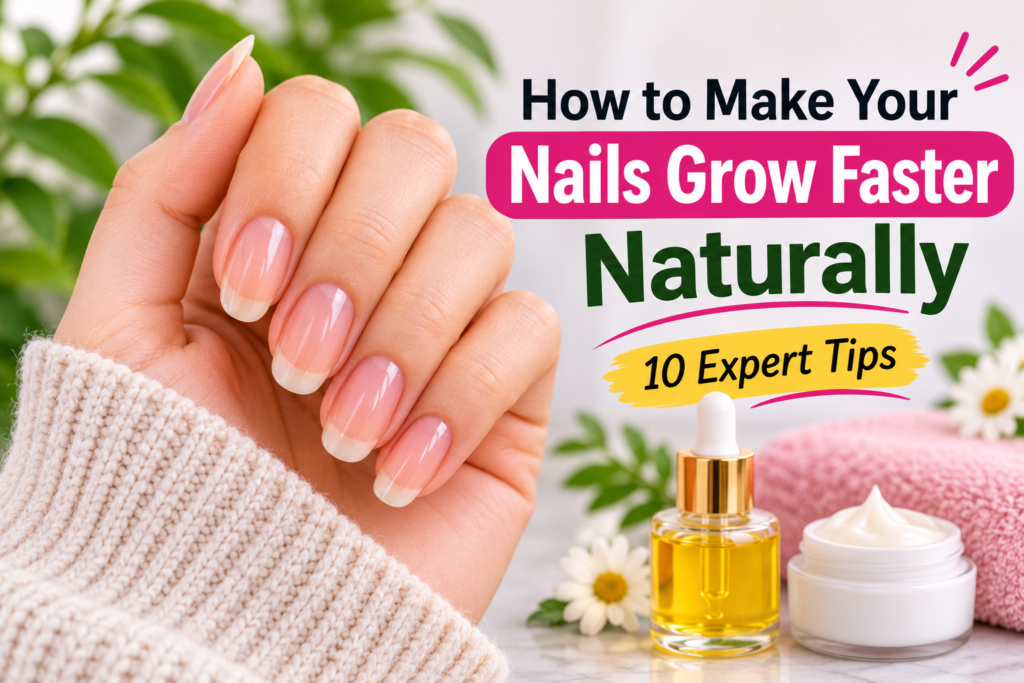
Long, healthy nails can make your hands look more polished and well cared for, but growing them out is not always easy. Many people struggle with nails that split, peel, bend, or break before they reach their desired length. Even when nails appear to grow normally, everyday activities such as washing dishes, cleaning, typing, and using harsh nail products can gradually weaken them.
If you want to know how to make your nails grow faster naturally, the first thing to understand is that healthy nail growth depends on more than applying a particular oil or using an expensive nail treatment. Your diet, daily habits, nail care routine, and overall health all play a role in maintaining strong nails.
Although there is no proven home remedy that dramatically increases the natural speed of nail growth, you can create better conditions for your nails to grow without unnecessary damage. A combination of proper nutrition, regular moisturizing, gentle grooming, and protection from harsh chemicals can make a noticeable difference in how your nails look and feel over time.
Here are ten practical ways to support natural nail growth and help your nails become stronger, healthier, and less likely to break.
Can You Actually Make Your Nails Grow Faster Naturally?
Yes, you can support healthy nail growth through good nutrition and consistent nail care. However, it is important to distinguish between making nails grow faster and helping them retain their length.
Fingernails typically grow around 3 millimeters per month, although the rate varies from person to person. Factors such as age, genetics, health, nutrition, and even the season can influence nail growth.
Your nails are primarily made of a protein called keratin. New nail cells develop in an area beneath the skin at the base of the nail called the nail matrix. As these cells mature, they move forward and form the visible nail plate.
Because nail growth begins beneath the skin, applying oil or cream to the surface cannot directly speed up the process. However, keeping the nail plate and surrounding skin moisturized can help reduce dryness, peeling, and breakage.
This is why maintaining healthy nails is often more important than trying to force them to grow faster.
10 Natural Ways to Support Healthy Nail Growth
1. Eat a Balanced Diet Rich in Protein
Nutrition is one of the most important factors in maintaining healthy nails. Since nails are primarily composed of keratin, getting enough protein through your diet helps support the body’s normal production of this structural protein.
If your diet lacks essential nutrients, your nails may become weak, brittle, or more prone to splitting. This does not mean that eating extra protein will automatically make your nails grow faster. Rather, providing your body with adequate nutrition helps maintain normal nail development.
Include foods such as eggs, chicken, fish, lentils, beans, Greek yogurt, and other protein-rich options in your regular meals.
For a balanced approach, combine protein sources with vegetables, fruits, whole grains, and healthy fats. Consistent eating habits are more useful for long-term nail health than relying on one particular food.
2. Include Biotin-Rich Foods in Your Diet
Biotin, also known as vitamin B7, is a nutrient involved in several important processes in the body, including the metabolism of fats, carbohydrates, and proteins.
It is frequently discussed in connection with hair and nail health. Some research suggests that biotin supplementation may help improve brittle nails in certain individuals, but the evidence is limited. It is not a guaranteed way to make nails grow faster.
You can obtain biotin naturally from foods such as:
- Eggs, especially cooked egg yolks
- Almonds and other nuts
- Sunflower seeds
- Sweet potatoes
- Salmon
- Legumes
Most people who eat a varied diet can obtain sufficient biotin from food. Supplements are not necessary for everyone, and high-dose biotin can interfere with certain laboratory test results. Speak with a healthcare professional before starting a supplement, particularly if you have an upcoming blood test.
3. Get Enough Iron and Zinc
Iron and zinc are two essential minerals that contribute to normal body functions and healthy tissue development. Inadequate levels can sometimes contribute to nail abnormalities.
Iron helps transport oxygen throughout the body. Low iron levels may be associated with brittle nails and, in some cases, spoon-shaped nails.
Zinc supports cell growth, repair, and normal immune function. A zinc deficiency can also affect nail health.
Good dietary sources of iron include:
- Lean meat
- Lentils
- Spinach
- Beans
- Fortified cereals
Foods rich in zinc include:
- Pumpkin seeds
- Chickpeas
- Meat
- Dairy products
- Nuts
- Seafood
Eating a balanced diet that includes these nutrients can help support healthy nails. If your nails are unusually weak or have changed significantly, it is better to investigate possible nutritional deficiencies rather than immediately taking supplements.
4. Keep Your Nails and Cuticles Moisturized
Dryness is a common reason nails become rough, brittle, and prone to peeling. Frequent handwashing, exposure to cleaning products, cold weather, and repeated contact with water can remove moisture from the skin surrounding your nails.
A good moisturizing routine helps maintain the condition of your nail plate, cuticles, and surrounding skin.
Apply a nourishing hand cream after washing your hands, paying particular attention to the areas around your fingernails. Products containing ingredients such as glycerin, shea butter, or petrolatum can help reduce moisture loss.
Do not forget your cuticles. The skin around the base of the nail helps protect the area where new nail growth develops. Keeping this skin comfortable and moisturized is an important part of maintaining healthy nails.
For best results, moisturize consistently rather than waiting until your hands feel dry.
5. Apply Cuticle Oil Regularly
Cuticle oil is a useful addition to a nail care routine, especially if your nails and surrounding skin tend to become dry.
Many cuticle oils contain ingredients such as jojoba oil, vitamin E, almond oil, or other moisturizing oils. These products can help soften dry cuticles and improve the appearance and flexibility of the surrounding skin.
To use cuticle oil, apply a small amount around the base and sides of each nail. Massage it gently into the skin and allow it to absorb.
You can apply it once or twice daily, particularly before bedtime when you have more time for your nail care routine.
One important point: cuticle oil does not directly accelerate nail growth. Its main benefit is helping maintain moisture and reducing dryness that can contribute to a rough or unhealthy appearance.
6. File Your Nails Gently in One Direction
The way you shape your nails can influence how well they maintain their length.
Aggressive filing, rough handling, and repeated back-and-forth movements can contribute to nail damage, especially if your nails are already weak or peeling.
Choose a fine-grit nail file and work gently from one side toward the center. Repeat from the opposite side rather than using excessive pressure.
Keep the edges smooth and avoid filing too deeply into the corners. Extremely sharp corners can catch on clothing, hair, and other surfaces, increasing the chance of breakage.
For everyday nail maintenance, choose a shape that suits your natural nail length and lifestyle. Rounded and soft-square shapes are often practical choices because they have relatively manageable edges.
Regular, gentle filing can help prevent small snags from turning into larger breaks.
7. Avoid Nail Biting and Picking
Nail biting is one of the habits that can make it difficult to maintain long, healthy fingernails.
Repeated biting can damage the nail plate and surrounding skin. It can also create rough edges that encourage further picking and biting.
Picking at peeling layers of the nail can be equally damaging. When you pull away a damaged layer, you may remove healthy parts of the nail plate along with it.
If nail biting is a regular habit, try keeping your nails neatly trimmed and filed while you work on reducing the behavior. Bitter-tasting nail products may also help some people become more aware of the habit.
Avoid using your fingernails as tools to open containers, scratch labels, or remove stubborn objects. Small changes in everyday behavior can help protect your nails from unnecessary damage.
8. Protect Your Nails From Excessive Water and Chemicals
Frequent exposure to water can affect the structure of your nails. Nails absorb moisture and expand slightly when wet, then contract as they dry. Repeated wetting and drying can contribute to splitting and peeling in some people.
Cleaning products, detergents, and solvents can also irritate the skin around your nails and contribute to dryness.
A few simple precautions can make your daily routine more nail-friendly:
- Wear rubber or protective gloves when washing dishes.
- Use gloves while cleaning with household chemicals.
- Avoid prolonged soaking of your fingernails.
- Dry your hands thoroughly after washing.
- Apply hand cream after activities involving frequent water exposure.
These habits are especially helpful if your hands regularly come into contact with detergents or cleaning products.
Protecting your nails from repeated environmental stress can help them maintain their length as they grow.
9. Take Breaks From Harsh Nail Treatments
Gel manicures, acrylic extensions, artificial nail adhesives, and frequent use of strong nail polish removers can sometimes contribute to nail damage.
The problem is not necessarily the occasional manicure. It is repeated exposure, improper application, and aggressive removal techniques.
For example, peeling off gel polish can remove layers of the natural nail plate. Excessive filing and scraping during removal can also leave nails thin and sensitive.
If your nails are already weak, consider taking a break from artificial enhancements and focusing on basic nail care.
During this time:
- Avoid peeling or picking off nail polish.
- Never forcefully remove gel or acrylic products.
- Keep your natural nails at a manageable length.
- Use gentle nail polish removal methods.
- Moisturize your nails and surrounding skin regularly.
Giving damaged nails time to grow out can improve their appearance. Remember that the already-grown portion of a nail cannot repair itself in the same way living skin can. Improvement comes as healthier nail grows from the base.
10. Maintain a Consistent Nail Care Routine
Consistency is more useful than trying a different nail growth treatment every few days.
A simple routine helps protect your nails from everyday damage while keeping your hands looking clean and well maintained.
You do not need expensive products or a complicated collection of treatments. A few basic items, including a gentle nail file, moisturizing hand cream, cuticle oil, and protective gloves, are enough to build a practical routine.
Pay attention to changes in your nails as well. If you notice unusual discoloration, persistent pain, swelling, or separation of the nail from the nail bed, do not rely on cosmetic treatments alone. Consider seeking medical advice.
Healthy nail care is about maintaining good habits over time rather than expecting immediate results.
Best Foods for Healthy Nail Growth
A balanced diet provides the nutrients your body needs to maintain normal nail growth. Although no individual food can guarantee longer nails, certain food groups offer nutrients that support healthy nail structure and overall well-being.
Eggs and Protein-Rich Foods
Eggs contain protein and several important nutrients, including biotin. Other useful protein sources include chicken, fish, yogurt, beans, and lentils.
Including sufficient protein in your meals helps provide the building blocks your body needs for normal tissue maintenance.
Nuts and Seeds
Almonds, walnuts, pumpkin seeds, and sunflower seeds provide a combination of healthy fats, minerals, and other nutrients.
They can be a convenient addition to breakfast, snacks, or salads.
Leafy Green Vegetables
Spinach, kale, and other leafy greens provide nutrients such as folate, iron, and vitamin C in varying amounts.
Adding different vegetables to your meals supports a balanced diet and helps reduce the risk of relying on a limited range of foods.
Fish and Other Nutrient-Rich Foods
Fish such as salmon provide protein and healthy fats. Other foods, including dairy products, legumes, fruits, and whole grains, also contribute useful nutrients.
Rather than focusing on one so-called superfood, aim for variety. A well-rounded diet is a more reliable foundation for overall nail health.
Do Natural Oils Help Nails Grow?
Natural oils are popular in nail care because they help moisturize dry skin and improve the appearance of brittle-looking nails. However, their benefits should not be confused with directly increasing nail growth.
Here are three commonly used options.
Jojoba Oil
Jojoba oil is frequently used in cuticle products because it spreads easily and helps condition dry skin.
Applying a small amount around your nails can help keep the cuticle area soft and comfortable.
Coconut Oil
Coconut oil is known for its moisturizing properties and can be used on dry skin around the fingernails.
Apply a thin layer and massage it gently into the surrounding skin. If you have sensitive skin, test a small area first.
Olive Oil
Olive oil is another household option that can help soften dry cuticles.
A small amount can be massaged into the skin around your nails. Avoid using excessive quantities, especially if you dislike a greasy feeling.
Which oil is best?
There is no single oil that has been proven to make fingernails grow faster. The best choice is one that feels comfortable on your skin and fits easily into your routine.
Common Nail Growth Myths to Avoid
There is plenty of advice online about natural nail growth, but not every popular remedy has reliable evidence behind it.
Understanding the difference between helpful nail care and unsupported claims can save you time and prevent unnecessary damage.
Does Toothpaste Make Nails Grow Faster?
No. Toothpaste is designed for cleaning teeth, not improving nail growth.
Applying it to your fingernails has no established benefit for nail growth and may irritate sensitive skin.
Does Applying Garlic Help Nail Growth?
Garlic is sometimes recommended in homemade nail treatments, but there is insufficient reliable evidence that applying it to fingernails speeds up growth.
Raw garlic can also irritate or burn the skin, particularly when left in contact for extended periods.
Does Biotin Guarantee Longer Nails?
No. Biotin is an important nutrient, but taking additional biotin does not guarantee longer or faster-growing nails.
Supplementation may help certain individuals with brittle nails, particularly when an underlying deficiency or relevant condition is present. However, it is not a universal solution.
Can Nails Grow Significantly Overnight?
No. Fingernails grow gradually over time. There is no overnight treatment that can produce a meaningful increase in natural nail length.
Products that make nails appear smoother or shinier can improve their appearance, but they do not change the biological growth rate.
How Long Does It Take to Grow Healthy Nails?
Nail growth requires patience. Fingernails generally grow around 3 millimeters per month, although individual growth rates vary.
If you are trying to grow your nails from a short length, you may notice some improvement within a few weeks. However, growing significantly longer nails usually takes several months.
A complete fingernail replacement typically takes around four to six months, depending on the individual.
Your results will depend on several factors, including:
- Your natural nail growth rate.
- Genetics and age.
- Nutritional status.
- Daily exposure to water and chemicals.
- Nail biting and other damaging habits.
- How frequently your nails break or split.
Instead of measuring progress every day, pay attention to whether your nails are becoming stronger and experiencing less breakage.
Maintaining their length is often the biggest challenge when growing out natural nails.
When Should You Be Concerned About Slow Nail Growth?
Occasional nail breakage is common, particularly when nails are exposed to frequent washing, harsh products, or physical stress.
However, persistent nail changes should not always be treated as a cosmetic issue.
Consider speaking with a healthcare professional if you notice:
- Nails that become unusually thin or brittle without an obvious reason.
- Persistent splitting or peeling.
- Yellow, green, or unusual discoloration.
- Pain, swelling, or redness around the nail.
- Nails separating from the underlying nail bed.
- New changes in nail shape or thickness.
In some cases, nail abnormalities can be associated with nutritional deficiencies, infections, skin conditions, or other health issues.
A professional assessment can help identify the underlying cause and determine whether treatment is needed.
Frequently Asked Questions
1. How Can I Grow My Nails Faster in 7 Days?
You cannot dramatically increase natural nail growth in just seven days. However, you can start improving your nail care routine by moisturizing regularly, protecting your hands from harsh cleaning products, and avoiding nail biting. These habits help reduce breakage and support healthier nails over time.
2. What Is the Best Natural Remedy for Nail Growth?
There is no scientifically proven natural remedy that dramatically speeds up nail growth. A balanced diet, regular moisturizing, gentle filing, and protection from damage are more reliable ways to support healthy nails.
3. Does Vaseline Help Nails Grow?
Vaseline does not directly increase nail growth. However, it acts as an occlusive moisturizer that helps reduce moisture loss from the skin. Applying a small amount around your cuticles before bedtime can help keep the surrounding skin soft and prevent dryness.
4. Which Vitamin Is Best for Healthy Nails?
Biotin, also known as vitamin B7, is often associated with nail health because some research suggests it may help certain people with brittle nails. However, healthy nails also depend on adequate protein, iron, zinc, and other nutrients. No single vitamin guarantees faster nail growth.
5. Why Do My Nails Break Before They Grow Long?
Nails can break because of dryness, repeated exposure to water, harsh chemicals, aggressive filing, nail biting, and improper removal of artificial nail products. Protecting your hands, moisturizing regularly, and keeping nail edges smooth can help reduce breakage.
6. How Can I Grow My Nails Longer Without Acrylics?
You can grow natural nails longer by maintaining a balanced diet, using cuticle oil, moisturizing your hands, avoiding harsh treatments, and protecting your nails during household chores. Regular gentle filing also helps prevent rough edges from catching and breaking.
Final Thoughts
Learning how to make your nails grow faster naturally is really about understanding what healthy nails need. While you cannot completely control your natural growth rate, you can make a meaningful difference in how well your nails maintain their length.
Start with a balanced diet, keep your cuticles moisturized, use gentle nail care techniques, and protect your hands from unnecessary damage. Avoid quick-fix remedies that promise dramatic results, and give your nails enough time to grow.
The best nail care routine is one you can follow consistently. With patience and the right habits, you can support stronger, healthier-looking natural nails without depending on expensive treatments or artificial extensions.
Leave a Reply