
29 Winter Nail Ideas That Actually Work for Cold Weather
Winter transforms your nail game completely. Cold air cracks polish faster, dry skin makes cuticles ragged, and dark seasonal palettes can either look elegantly moody or accidentally goth. The difference comes down to knowing which finishes hold up in freezing temps, which colors complement winter’s muted light, and how to style nails that look intentional rather than trying too hard.
Most winter nail guides recycle the same burgundy-and-glitter combinations without addressing what actually matters: durability in harsh conditions, versatility across holiday and everyday contexts, and designs that photograph well in low natural light.
Here are 29 winter nail ideas built around wearability, visual impact, and real-world performance when temperatures drop.
What Makes Winter Nails Different from Other Seasons?
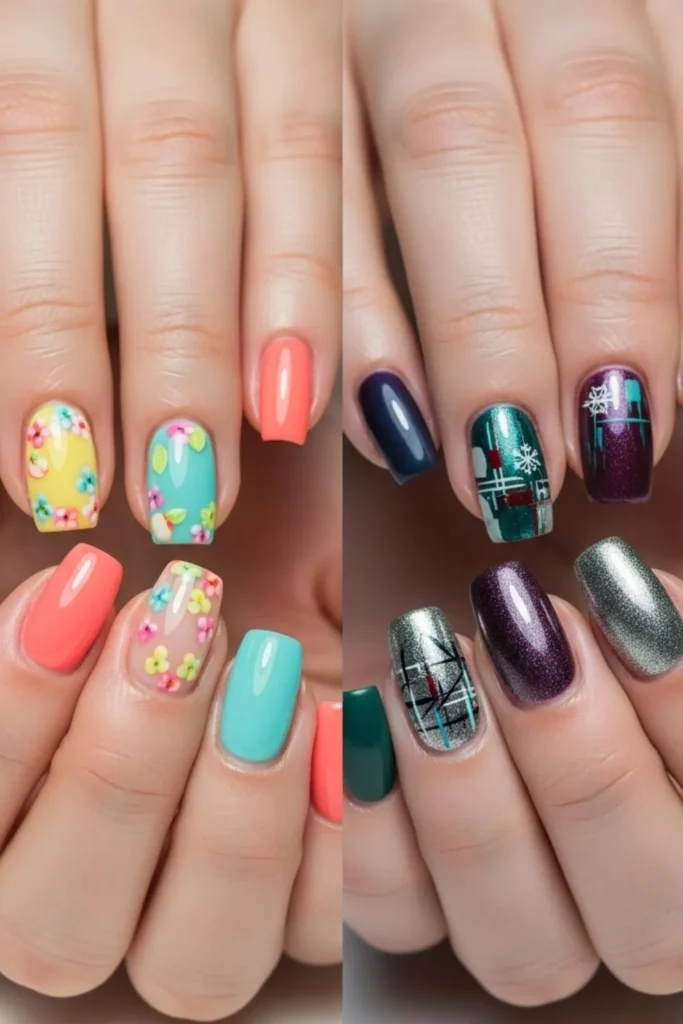
Winter nails differ from other seasons because cold temperatures cause polish to chip faster, while lower humidity levels dry out the nail bed and cuticle, requiring richer formulas and protective top coats that maintain flexibility in harsh conditions.
The key factor most people miss is thermal contraction. When you move between freezing outdoor air and heated indoor spaces, your nails expand and contract slightly. Thin, brittle polishes crack along these stress points. Gel formulas and cream finishes with built-in moisturizers perform better than standard lacquers.
Additionally, winter’s diffused light changes how colors appear shades that look vibrant in summer sun can read muddy or flat under overcast skies and artificial indoor lighting.
Texture also plays a bigger role in winter. Matte finishes hide the micro-cracks that develop from temperature fluctuations, while high-gloss looks show every imperfection. Darker colors require more precise application because mistakes stand out sharply against pale winter skin tones.
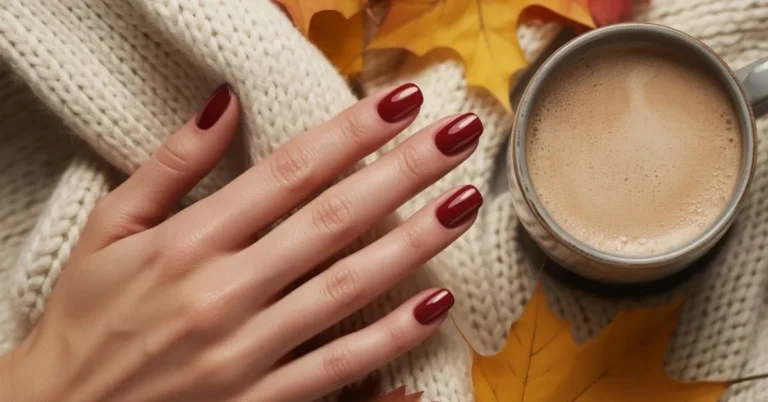
Classic Deep Burgundy with Glossy Finish
Deep burgundy delivers sophisticated warmth without the harshness of true red. This shade works across professional settings, holiday parties, and casual weekend wear because it reads as intentional rather than overly festive.
The glossy finish is critical here. Unlike matte burgundy, which can look flat or dated, a high-shine top coat creates depth and makes the color appear richer.
Apply three thin coats rather than two thick ones this prevents the streaking that burgundy shades are prone to. The color photographs beautifully in low light and complements both gold and silver jewelry, making it unusually versatile for a statement shade.
See More About : Dark Chrome Fall Nails: Master the Moody Metallic Trend Taking Over 2025
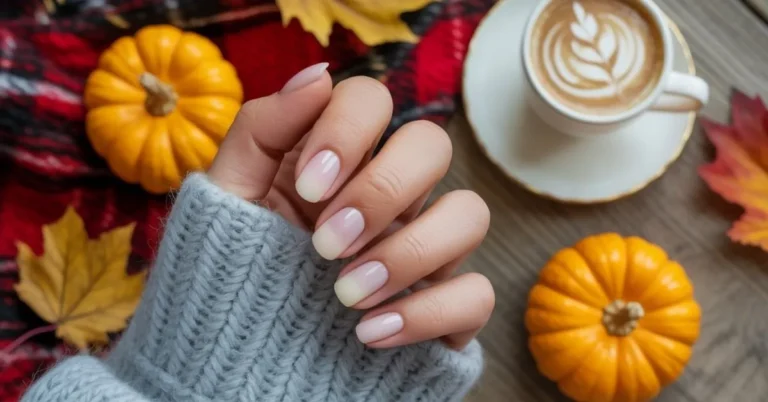
Sheer Milky White for Minimalist Appeal
Sheer milky white creates a clean, modern look that feels fresh rather than clinical. Unlike stark white, which can appear harsh against most skin tones, milky formulas have enough translucency to let your natural nail show through slightly.
This works best on shorter nail lengths where the effect reads as polished and intentional. On longer nails, sheer white can look unfinished. The advantage during winter is practicality minor chips blend into the nail bed rather than creating obvious breaks in color.
Pair this with well-maintained cuticles since the minimalist approach draws attention to nail health and shape rather than color complexity.
Charcoal Gray with Matte Top Coat
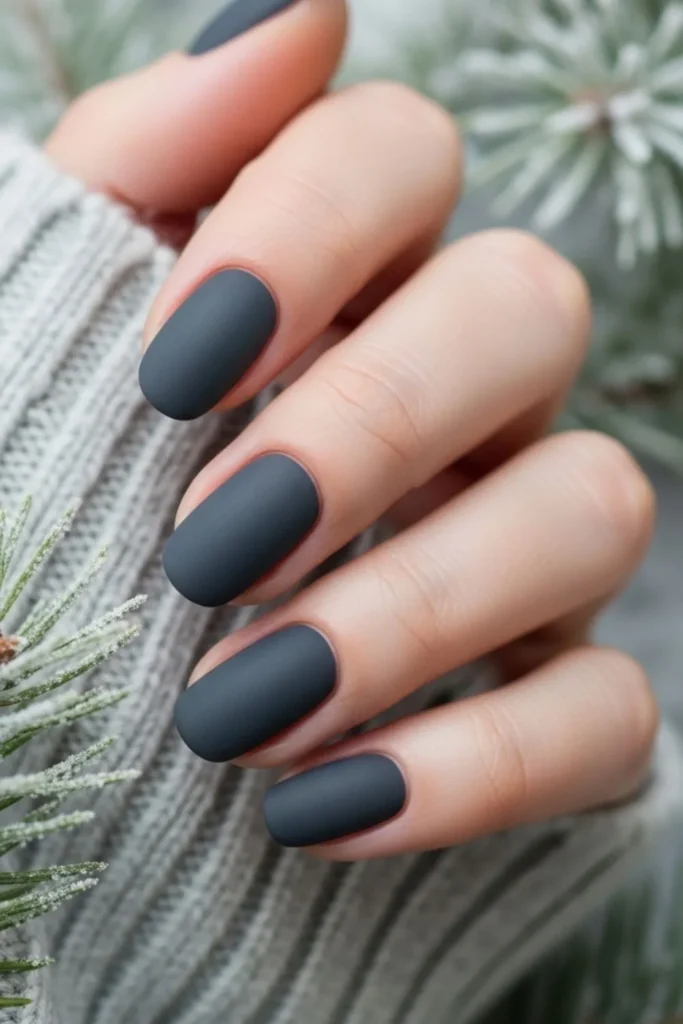
Charcoal gray in matte finish solves the “too formal vs too casual” problem that plagues many winter shades. It’s dark enough to feel seasonal but neutral enough to pair with any outfit palette.
The matte top coat hides wear patterns that glossy dark polishes reveal immediately. This shade also photographs exceptionally well, it creates contrast without competing with clothing or accessories in photos.
Unlike true black, which can read gothic or severe, charcoal maintains sophistication while feeling approachable. Apply a ridge-filling base coat first, as matte finishes emphasize any texture irregularities on the nail surface.
Icy Blue Chrome for Statement Impact
Icy blue chrome captures winter’s aesthetic literally while maintaining wearability. Chrome finishes reflect light dynamically, so this shade looks different in natural daylight versus indoor lighting, creating visual interest without pattern complexity.
This works best as an accent nail or for special occasions rather than everyday wear, since chrome finishes show fingerprints and require more maintenance. The icy blue tone complements winter’s color palette naturally it pairs well with denim, gray, and even unexpected warm tones like camel or cognac.
Application requires a gel base for the chrome powder to adhere properly and achieve that mirror-like finish.
Forest Green Cream for Understated Elegance
Forest green delivers richness without the expected holiday red-and-green pairing. As a standalone shade, it reads sophisticated and slightly unexpected, working across December and straight through February.
Cream formulas in forest green hide application imperfections better than shimmer or metallic versions, making this more forgiving for at-home manicures. The color has enough depth to look intentional on shorter nails but doesn’t overwhelm longer lengths.
It complements both cool and warm undertones in skin, which makes it unusually flattering across different complexions. This shade also transitions well from day to evening without feeling costume-like.
See More About : Pumpkin Orange Fall Nails: Your Complete Guide to 2025’s Coziest Autumn Manicure Trend
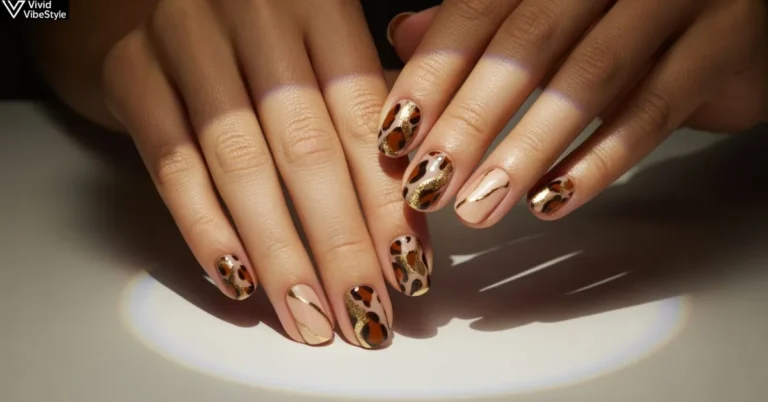
Nude with Gold Foil Accents
Nude bases with sparse gold foil placement create visual interest without pattern overload. This approach works when you want something slightly elevated but not overtly decorative.
The key is restraint random foil pieces on one or two accent nails rather than full coverage. This keeps the look from reading as “trying too hard” while still catching light interestingly.
Nude bases in winter should lean slightly warmer than summer nudes to complement the rosier tones that cold weather brings to skin. The gold foil adds just enough festivity for holiday contexts while remaining office-appropriate.
Deep Plum with Subtle Shimmer
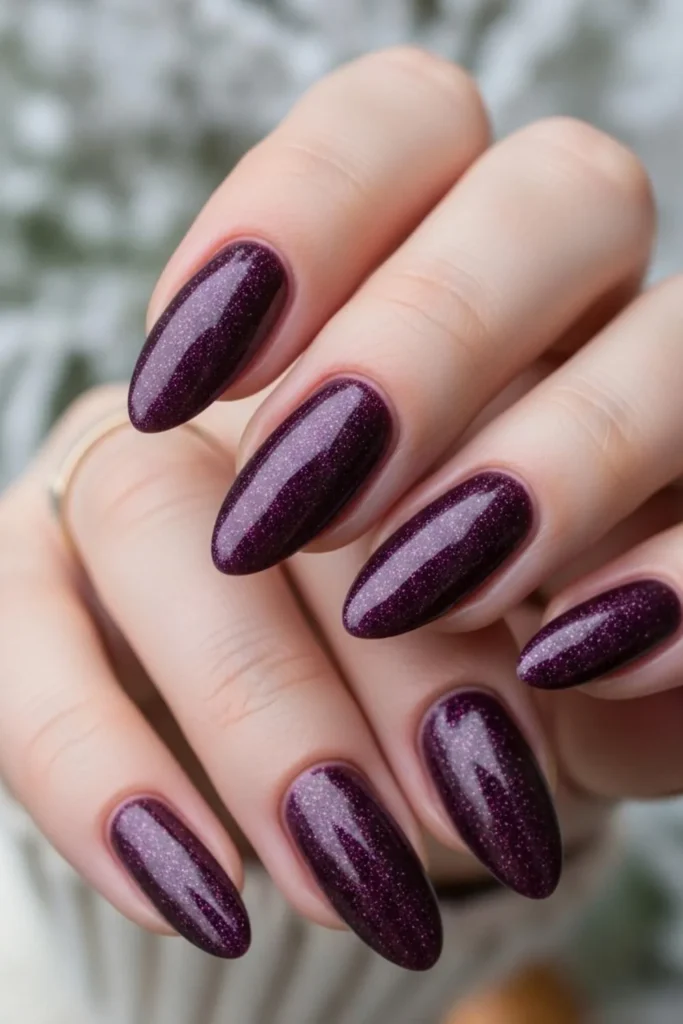
Deep plum with fine shimmer particles hits the sweet spot between bold and wearable. Unlike flat plum, which can look one-dimensional, shimmer adds depth that makes the color more dynamic in different lighting.
This shade works particularly well for medium to deep skin tones where pure burgundy might not provide enough contrast. The shimmer should be fine enough to create sheen rather than obvious glitter particles, think satin finish rather than disco ball.
Two coats typically provide full opacity, and the shimmer helps disguise minor wear as nails grow out, extending the time between manicures.
French Tips with Gray Instead of White
Gray-tipped French manicures update the classic look for winter without abandoning the style’s clean appeal. The gray reads modern and less bridal than traditional white tips.
This works best with a sheer pink or nude base rather than opaque coverage, maintaining the French manicure’s characteristic translucency. The gray tips should be thin, thick tips in dark colors can look heavy or unbalanced. This style photographs well and works across casual and formal settings. It also shows less obvious wear than white tips, since gray blends more naturally as it chips.
See More About : Cinnamon Brown Nails: The Ultimate Guide to 2025’s Most Coveted Warm-Toned Manicure
Chocolate Brown Cream
Chocolate brown operates outside the typical winter color wheel while still feeling seasonally appropriate. It’s warm without being bright, creating a cozy aesthetic that pairs unexpectedly well with winter’s cooler tones.
Cream formulas in brown require careful application any streaking or thin spots show obviously. Use three thin coats for even coverage. This shade works best on medium to long nail lengths where the color depth can be fully appreciated.
On very short nails, dark brown can sometimes read as staining rather than intentional color. The shade complements cognac leather, camel coats, and gold jewelry particularly well.
Pearl White with Iridescent Shift
Pearl white with iridescent particles creates subtle color shifts as light hits the nail from different angles. Unlike pure white, which can feel stark, the pearl finish adds warmth and dimension.
This works across nail lengths and occasions because the iridescence is sophisticated rather than juvenile. The color shift typically moves between pink, blue, and gold tones depending on the formula.
Application requires a white base coat first to achieve the truest pearl effect applied directly over bare nails, the iridescence can look muddy. This finish photographs beautifully and maintains its impact in both natural and artificial light.
Black with Glossy Top Coat
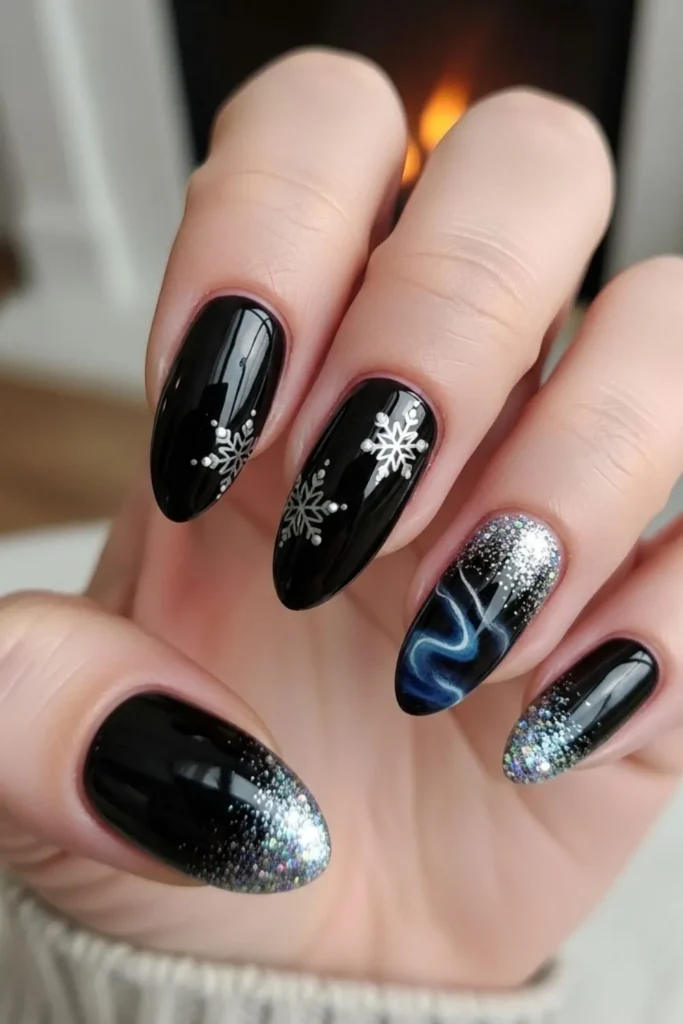
Black nails work in winter when balanced with a high-gloss top coat that prevents the look from reading too heavy or gothic. The shine creates dimension and keeps the aesthetic polished rather than punk.
The key difference between successful black nails and unsuccessful ones comes down to nail shape and cuticle maintenance. Black polish emphasizes every irregularity, so this works best with well-shaped nails and pushed-back cuticles.
Almond or oval shapes soften the intensity of black better than square tips. Apply thin coats to avoid the thick, globby appearance that makes black polish look cheap rather than chic.
Sage Green with Matte Finish
Sage green in matte creates an earthy, grounded look that feels current without being trendy. The muted tone works as a neutral that pairs with winter’s typical color palette of grays, browns, and creams.
Matte sage reads more sophisticated than glossy versions, which can sometimes appear juvenile or overly bright. This shade works across professional and casual contexts because it’s unexpected without being loud.
Two coats usually provide full coverage, and the matte finish hides minor application imperfections. The color complements both gold and silver jewelry, making it versatile for different accessory preferences.
See More About : Short Pumpkin Spice Nails: 45+ Cozy Fall Designs That Define Autumn 2025
Cranberry Red Cream
Cranberry red splits the difference between burgundy and true red, offering festive impact with more subtlety than bright cherry tones. The slightly purple undertone makes it more complex and less straightforward than standard red.
Cream formulas in cranberry provide the most flattering finish avoid shimmer or metallic versions that can emphasize texture issues. This shade requires precise application since any mistakes show clearly, but the payoff is a rich, luxurious appearance.
Three thin coats prevent streaking and achieve full opacity. The color works across December holidays but doesn’t feel out of place in January or February like more obviously festive shades.
Taupe with Rose Gold Shimmer
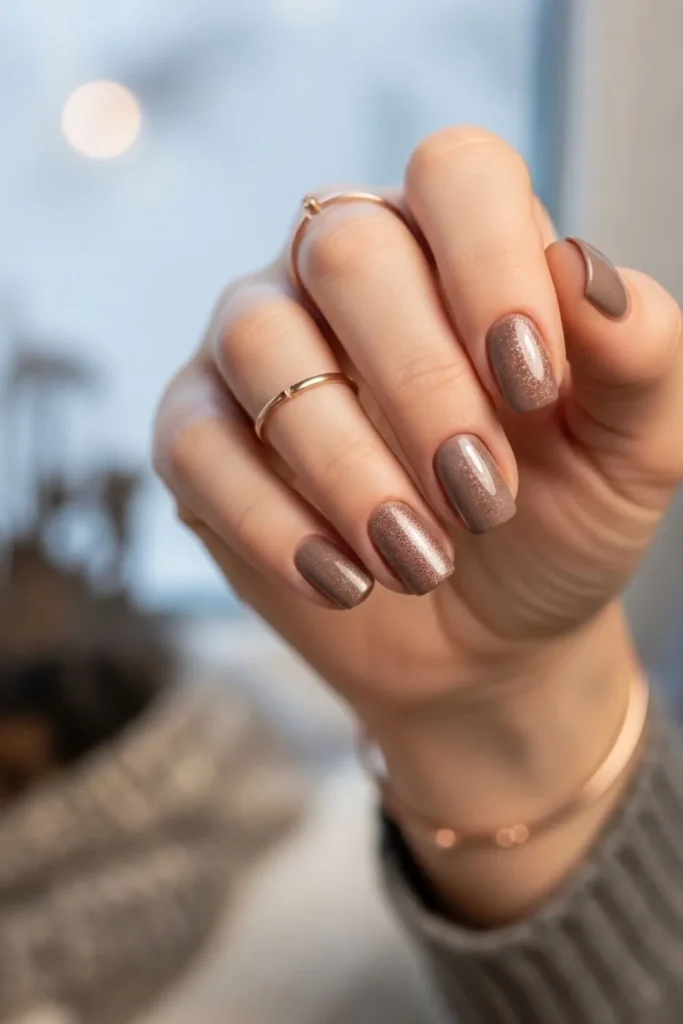
Taupe bases with rose gold shimmer create warmth without brightness, perfect for when you want something more interesting than plain nude but less bold than saturated color. The rose gold catches light subtly rather than creating obvious sparkle.
This combination flatters most skin tones because taupe is inherently neutral while rose gold adds just enough warmth to prevent the shade from looking dull or washed out. The shimmer should be fine and evenly distributed throughout the formula rather than concentrated glitter particles.
This shade transitions seamlessly from office to evening and photographs beautifully in winter’s diffused light.
Navy Blue Cream
Navy blue offers the formality of black with slightly more personality. It reads as professional and polished while still being a clear color choice rather than a neutral.
Cream navy requires careful application of any thin spots or streaking shows obviously against the dark base. Use a white base coat underneath to ensure true color payoff and prevent the navy from looking muddy. This shade works best on well-shaped nails since the dark color emphasizes shape.
It pairs particularly well with winter’s typical wardrobe of denim, gray, and camel tones, creating subtle coordination without obvious matching.
See More About : Short Pumpkin Spice Nails: 45+ Cozy Fall Designs That Define Autumn 2025
Sheer Pink with Gold Flakes
Sheer pink bases with scattered gold flakes create delicate visual interest without pattern complexity. The sheerness keeps the look soft while the gold adds just enough detail to prevent it from reading as too minimal.
This works across nail lengths because the sheer base doesn’t create the heavy appearance that opaque dark colors can on longer nails. The gold flakes should be sparse too many create a cluttered appearance. This style works in professional settings while still feeling slightly special. The sheerness also means minor chips blend into the nail bed rather than creating obvious breaks in color.
Slate Blue with Matte Finish
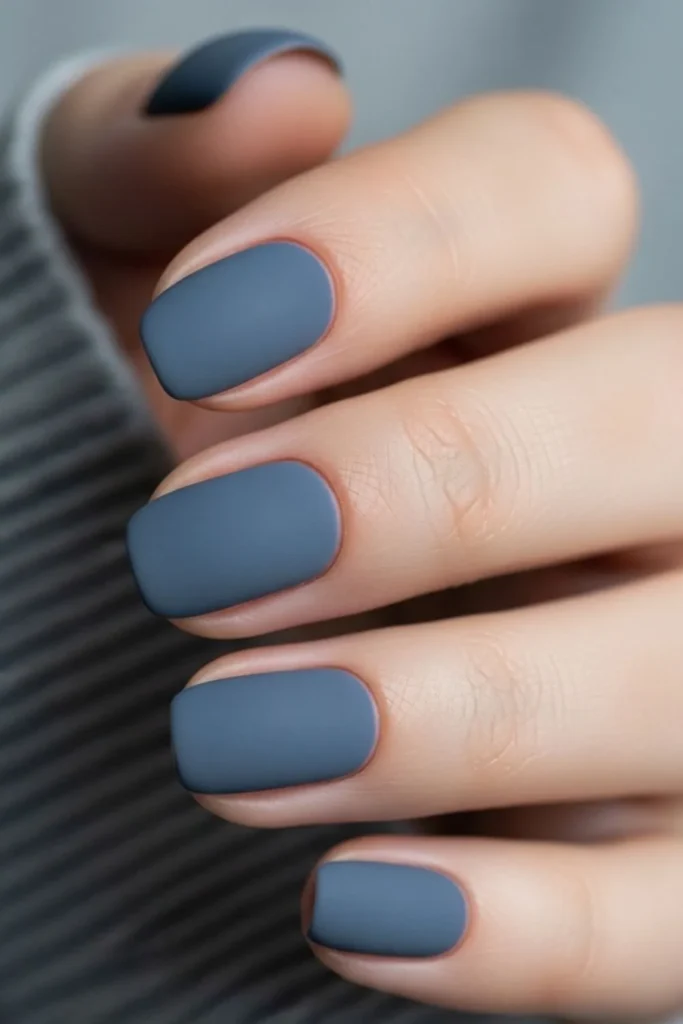
Slate blue in matte creates a sophisticated, muted look that feels intentional rather than loud. The color has enough gray to read as neutral while maintaining clear blue tones that distinguish it from pure gray.
Matte finishes in slate blue hide wear better than glossy versions and create a velvet-like appearance that feels luxurious. This shade works across casual and semi-formal settings because it’s colored but not bright. Two to three coats provide full coverage, and the matte finish minimizes the appearance of any application imperfections. It complements winter’s typical color palette while feeling less expected than burgundy or forest green.
Champagne Shimmer
Champagne shimmer provides warmth and light reflection without the obviousness of gold or the coolness of silver. The subtle tone works as a sophisticated neutral that elevates beyond standard nude.
This shade works best with fine, evenly distributed shimmer rather than chunky glitter particles. The champagne tone flatters most skin tones because it contains both warm and cool undertones.
Two coats typically provide full coverage, and the shimmer helps disguise minor wear as nails grow out. This finish photographs beautifully and creates the illusion of longer nail beds due to its reflective properties.
See More About : Neutral Leopard Nails: Master the Perfect Balance of Wild and Sophisticated
Oxblood Red
Oxblood red is darker and more complex than standard red, with brown undertones that make it feel richer and more suitable for winter. Unlike bright reds that can feel summery, oxblood reads distinctly cold-weather.
This shade requires precise application the dark tone shows any mistakes clearly. Use three thin coats for even coverage and to prevent streaking. Oxblood works best on medium to long nails where the depth of color can be fully appreciated.
On very short nails, it can sometimes read as too dark or heavy. The shade pairs particularly well with gold jewelry and warm-toned winter fabrics like burgundy, camel, and cognac.
Soft Gray with Silver Accents
Soft gray with subtle silver accents creates a monochromatic look that feels cohesive and intentional. The silver adds just enough variation to prevent the appearance from reading as flat or one-dimensional.
This works best with silver accents on one or two nails rather than full coverage accent nails in pure silver or silver glitter while keeping the remaining nails in solid soft gray. The monochromatic approach feels more sophisticated than high-contrast accent nails.
This style works in professional settings and photographs well because it creates visual interest without competing with other elements in the frame.
Burnt Orange Cream
Burnt orange operates outside typical winter palettes while still feeling seasonally appropriate due to its warmth and depth. It’s bold without being bright, creating impact through richness rather than saturation.
Cream formulas in burnt orange require careful application since the warm tone can look patchy if applied too thinly. Use three coats for full opacity. This shade works best on medium to deep skin tones where it provides clear contrast.
It pairs unexpectedly well with winter’s cooler tones think denim, gray, and navy creating visual interest through contrast rather than coordination.
Lavender Gray
Lavender gray combines cool purple tones with gray’s neutrality, creating a soft, muted shade that feels modern and slightly unexpected. Unlike pure lavender, which can read juvenile, the gray undertones add sophistication.
This shade works across nail lengths and occasions because it’s colored but not bold. Two to three coats provide full coverage, and both matte and glossy finishes work depending on preference. The muted tone photographs beautifully in winter’s diffused light and complements the cooler color palettes that dominate cold-weather wardrobes. It pairs well with silver jewelry and creates subtle interest without requiring pattern complexity.
See More About : Leopard Print Accent Nails: Master 2025’s Chicest Animal Print Trend
Rose Gold Chrome
Rose gold chrome creates maximum impact through finish rather than color. The reflective surface catches light dynamically, making nails a focal point without bright color or complex patterns.
Chrome finishes require gel application for the powder to adhere properly and achieve that mirror-like effect. This works best for special occasions rather than everyday wear since chrome shows fingerprints and requires more maintenance.
The rose gold tone flatters most skin tones because it contains both warm and cool undertones. This finish photographs dramatically and creates visual interest in both natural and artificial light.
Caramel Brown
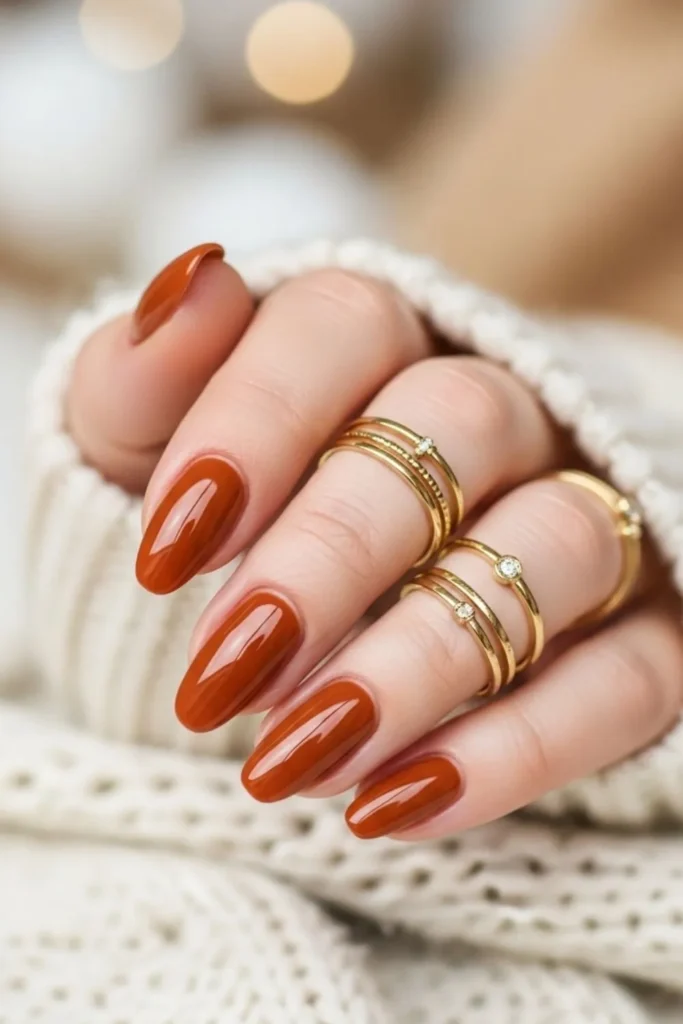
Caramel brown provides warmth and richness without the depth of chocolate brown or the coolness of taupe. The medium tone works as a sophisticated neutral that feels distinctly winter without being dark.
This shade works across skin tones and nail lengths because it’s warm but not overly saturated. Three coats typically provide full opacity and prevent streaking. Caramel brown pairs particularly well with gold jewelry and warm-toned winter fabrics.
The shade also complements the rosier skin tones that cold weather brings, creating natural coordination between nails and complexion.
Teal with Metallic Finish
Teal in metallic finish creates a jewel-tone effect that feels luxurious without being overly festive. The blue-green tone is distinctive enough to feel like a clear choice while remaining sophisticated.
Metallic finishes in teal hide minor application imperfections better than cream formulas while creating more visual interest than flat color. This shade works best on medium to long nails where the color depth and metallic finish can be fully appreciated. It pairs well with both gold and silver jewelry and creates striking contrast against winter’s typical neutral wardrobe palette.
See More About : Matte Taupe Nails Autumn: The Ultimate Guide to Fall’s Most Sophisticated Neutral Manicure
Dusty Rose Cream
Dusty rose provides subtle color without brightness, creating a soft, romantic look that works across professional and personal contexts. The muted pink tone feels intentional rather than overly feminine.
Cream formulas in dusty rose require two to three coats for full opacity. The shade flatters most skin tones because the dusty, grayed-out quality prevents it from clashing with different undertones.
This color works across nail lengths and occasions because it’s colored but not bold. It photographs beautifully and maintains its soft appearance in both natural and artificial light, making it reliable for varied settings.
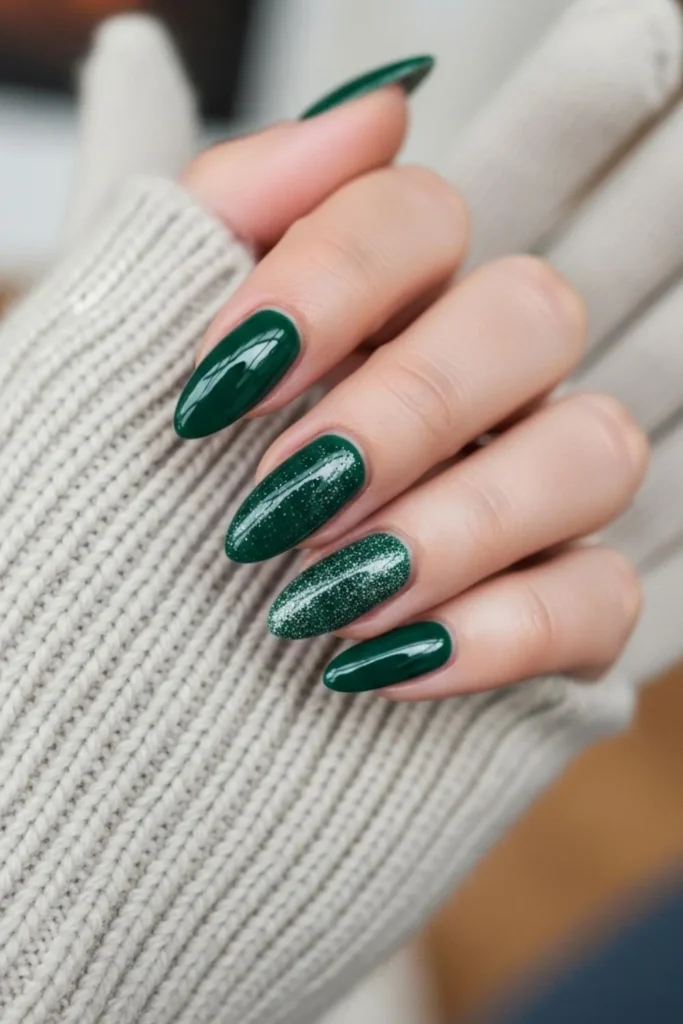
Emerald Green
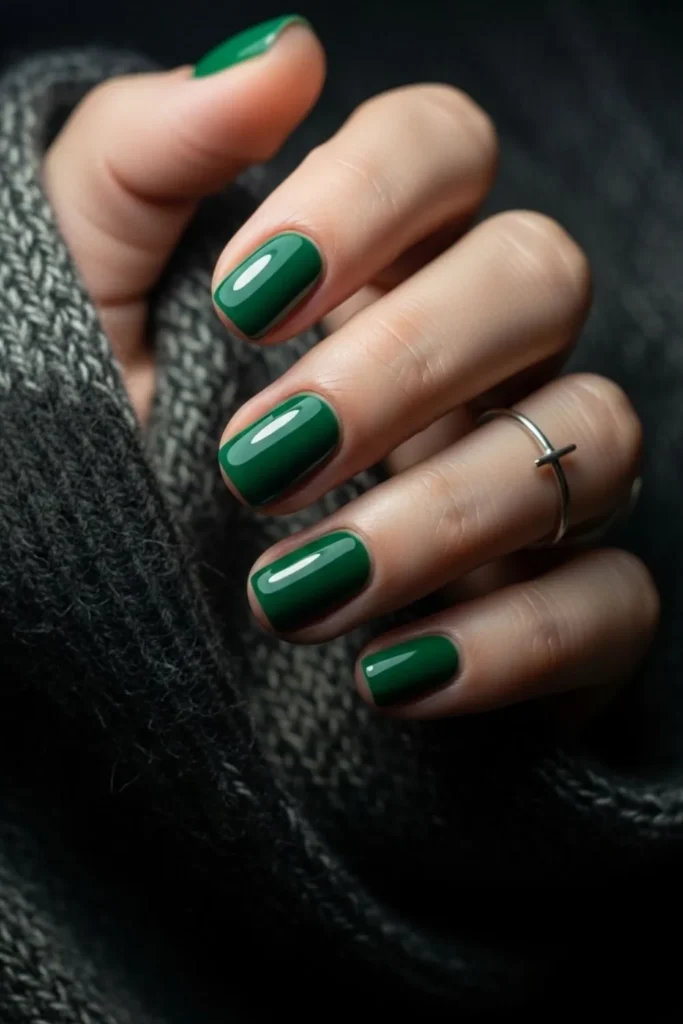
Emerald green delivers jewel-tone richness that feels luxurious and festive without being explicitly holiday-themed. The saturated tone creates impact through color depth rather than brightness.
This shade requires precise application any streaking or thin spots show obviously against the rich base. Use three thin coats for even coverage. Emerald works best on medium to long nails where the color intensity can be fully appreciated.
The shade pairs particularly well with gold jewelry and creates striking contrast against winter’s neutral color palette. It remains wearable past December because the green reads as a color choice rather than seasonal decoration.
Why Do Some Winter Nail Colors Chip Faster Than Others?
Some winter nail colors chip faster than others because darker, more pigmented formulas often contain less flexible resins, making them more prone to cracking when nails expand and contract due to temperature fluctuations between cold outdoor air and heated indoor spaces.
The chemistry matters more in winter than other seasons. Red and dark blue pigments, in particular, use heavier molecular structures that create brittleness. Cream finishes with added conditioners maintain flexibility better than standard lacquers.
Additionally, application thickness affects durability thick single coats crack more readily than multiple thin layers that create a flexible, layered structure. The type of top coat also impacts longevity; quick-dry formulas tend to be more brittle than traditional slow-dry top coats that cure with more flexibility.
How Long Should Winter Manicures Actually Last?
Winter manicures should last 5-7 days for regular polish and 10-14 days for gel formulas when properly applied with base coat, thin color layers, and flexible top coat, though frequent hand washing and exposure to dry indoor heat can shorten this timeline regardless of application quality.
The real variable isn’t the polish it’s winter lifestyle factors. If you’re constantly putting on gloves, washing hands frequently, or working with your hands in dry heated environments, even perfectly applied polish won’t last as long.
Unlike summer, when humidity actually helps polish remain flexible, winter’s dry air accelerates wear. Using cuticle oil daily and wearing gloves for wet tasks extends manicure life more effectively than any polish formula choice.
Temperature shock from going between freezing outdoor conditions and overheated indoor spaces causes more polish failure than actual wear in most cases.
See More About : Soft Taupe Nails Fall: The Ultimate Guide to This Season’s Most Sophisticated Neutral Manicure
What’s the Best Nail Shape for Winter Styles?
The best nail shape for winter styles is oval or almond because these rounded shapes distribute stress more evenly when nails contract from cold exposure, preventing the corner chips and breaks that square or stiletto shapes experience from temperature-related expansion and contraction.
Sharp corners and extreme lengths become structural weak points when exposed to temperature fluctuations. Oval shapes also showcase winter’s deeper, richer colors more effectively because the curved edge creates a softer line that complements the moodier palette.
Almond shapes work particularly well with chrome and metallic finishes since the tapered tip creates visual length and elegance. Square shapes can work but require shorter lengths in winter to avoid corner breakage from the constant thermal stress that cold weather creates.
Frequently Asked Questions
Do matte or glossy finishes last longer in winter?
Glossy nail finishes usually last longer than matte in winter because top coats seal the polish and protect it from cold-weather dryness. Matte nails tend to show chips and wear faster, especially with frequent handwashing.
Should you use gel or regular polish in cold weather?
Gel polish is often better for cold weather because it resists chipping and lasts up to three weeks or more. Regular polish works fine too, but it typically needs more frequent touch-ups during winter.
How often should you moisturize cuticles in winter?
You should moisturize your cuticles at least once a day in winter, and ideally morning and night. Regular cuticle oil or hand cream helps prevent cracking, peeling, and brittle nails in cold, dry US climates.
Quick Recap
- Winter nails require richer formulas and protective top coats because cold temperatures cause faster chipping through thermal contraction as nails move between freezing outdoor air and heated indoor spaces
- Darker colors like burgundy, forest green, and charcoal gray work best in matte or cream finishes that hide wear patterns, while chrome and metallic finishes create statement looks for special occasions
- Oval and almond nail shapes distribute temperature-related stress better than square or stiletto shapes, preventing corner chips and breaks common in winter conditions
- Gel formulas last longer than regular polish in cold weather due to their flexible, cured structure, though proper application with thin layers and cuticle care extends any manicure’s lifespan
- Winter manicures last 5-7 days for regular polish and 10-14 days for gel when properly maintained, with daily cuticle oil application being more important than formula choice for longevity
Conclusion
Winter nail strategies revolve around understanding how temperature, humidity, and seasonal light affect both polish performance and visual impact. The colors that work best during cold months aren’t just aesthetically aligned with the season, they’re chemically formulated to withstand thermal stress, maintain flexibility in dry air, and photograph well in limited natural light.
Shape choices matter more in winter than summer because structural integrity becomes critical when nails face constant expansion and contraction.
The difference between winter nails that look polished for days versus those that chip within hours comes down to matching formula type to lifestyle demands, choosing finishes that hide rather than emphasize wear, and maintaining nail bed hydration regardless of color choice.
These 29 ideas provide starting points across different style preferences, but the underlying principles of flexibility, appropriate color depth for available light, and thermal durability apply universally to cold-weather nail decisions.