
Warm Winter Outfits: Stay Cozy and Chic All Season Long
Winter arrives with freezing temperatures, and suddenly your wardrobe feels inadequate. You’re standing in front of your closet, frustrated because nothing seems to work. Those thin sweaters won’t cut it, and you refuse to look like a walking sleeping bag just to stay warm.
The struggle to create warm winter outfits that balance comfort with style is real. You want to feel toasty during your morning commute, but you also want to look put-together when you arrive. The good news? You don’t have to choose between fashion and function.
Warm winter outfits are entirely achievable when you understand the fundamentals of cold weather dressing, strategic layering, and fabric selection. Let’s transform your winter wardrobe into a collection of cozy outfits that actually work.
How Can You Master the Art of Winter Layering?
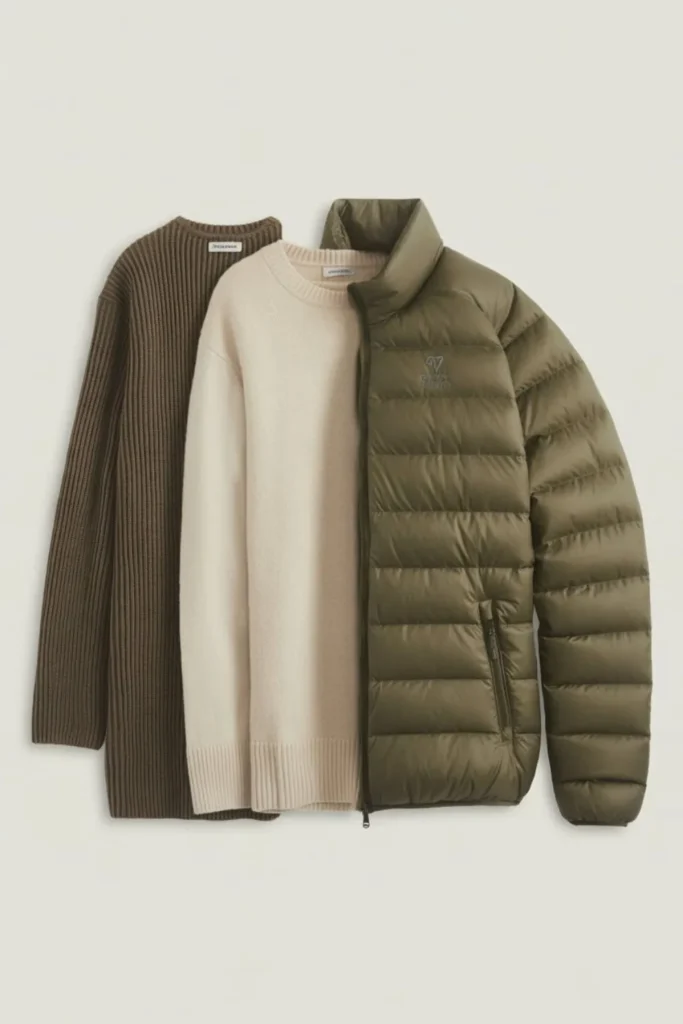
Layering forms the foundation of successful warm winter outfits. The traditional three-layer system includes a base layer that wicks moisture, a mid-layer for insulation, and an outer layer for protection against wind and precipitation.
Your base layer should fit snugly against your skin. Merino wool and synthetic fabrics like polyester excel at moisture-wicking, keeping you dry even when you’re rushing between meetings. Skip cotton entirely it absorbs moisture and leaves you chilled. Thermal underwear, fitted turtlenecks, and long-sleeve tees make excellent foundations for winter fashion.
The insulating layer traps body heat effectively. Cashmere sweaters, fleece jackets, chunky cardigans, and wool pullovers provide warmth without excessive bulk. Heavyweight knitwear works beautifully for extremely cold days, while midweight options offer versatility for fluctuating temperatures. You can remove this layer indoors without compromising your entire look.
What Fabrics Keep You Warmest During Winter?
Fabric choice determines whether your warm winter outfits actually deliver on their promise. Natural fibers like wool, cashmere, and merino wool trap heat efficiently while allowing your skin to breathe. Wool coats, cashmere turtlenecks, and fleece-lined leggings should dominate your winter wardrobe.
Synthetic materials like polyester and nylon dry quickly and resist moisture. Puffer jackets filled with down insulation or synthetic alternatives provide maximum warmth with minimal weight. A 900 fill-power down jacket offers superior warmth-to-weight ratio compared to lower ratings.
Avoid thin fabrics that offer zero insulation. Velvet, corduroy, faux fur, and thick knits belong in your winter fashion rotation. Even leather and suede pieces add protective layers while maintaining sophisticated style. Thermal leggings with fleece lining keep your legs comfortable without the bulk of traditional snow pants.
Read More About : Black Trench Coat Outfit: 15 Stylish Ways to Wear This Timeless Wardrobe Essential
Which Outerwear Pieces Are Winter Essentials?
Your outerwear makes or breaks warm winter outfits. A long puffer coat provides unmatched warmth for subzero temperatures. Look for styles with faux-fur trim, insulated hoods, and water-resistant shells that protect against snow and sleet.
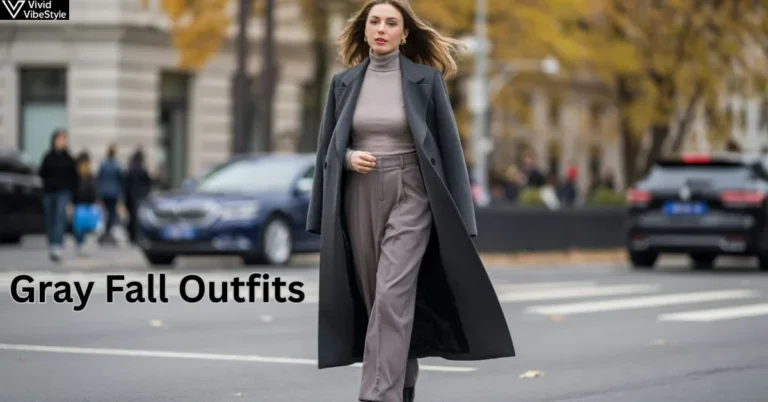
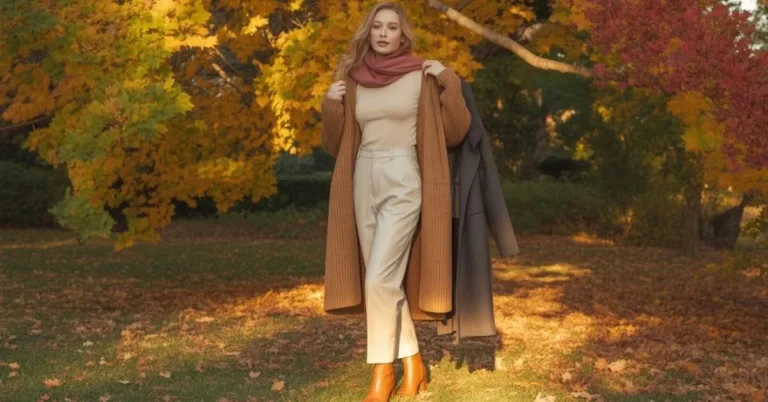
Wool wrap coats offer timeless elegance while maintaining warmth. A camel coat or chocolate brown iteration pairs beautifully with neutral palettes. These coats work for professional settings where bulky puffers feel inappropriate. Layer them over blazers or cardigans for extra insulation.
Leather bomber jackets and trench coats transition seamlessly from fall into winter. The leather bomber delivers a sleeker silhouette than traditional biker jackets, making it perfect for elevated casual outfits. Faux-fur coats turn heads while keeping you incredibly warm they’re statement pieces that anchor entire looks.
Don’t overlook shackets and oversized denim jackets. These work as mid-layers under heavier coats or standalone pieces during milder winter days. The key is having multiple coat options that match different temperature ranges and occasions.
Can You Wear Dresses and Skirts in Winter?
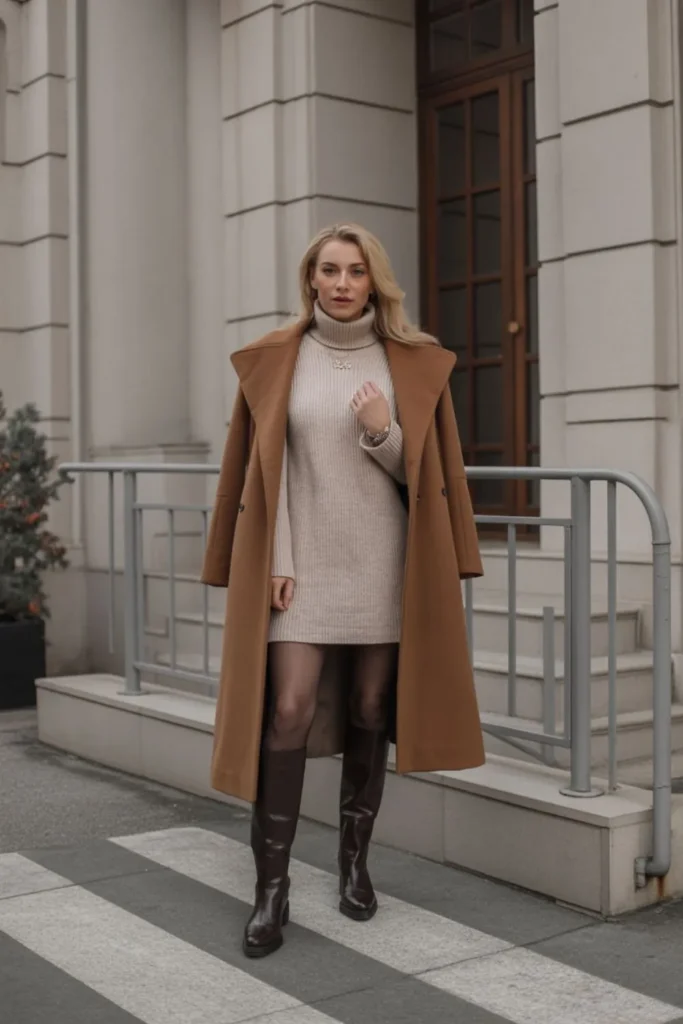
Absolutely. Winter dresses and skirts remain viable when you layer strategically. Sweater dresses feel like pajamas while looking polished they’re the ultimate cozy winter outfit solution. Pair them with opaque tights or thermal leggings underneath for warmth.
A slim-fit turtleneck layered under any dress transforms it into winter wear. Choose neutral colors or complementary shades for seamless integration. Black turtlenecks under midi dresses create sophisticated silhouettes perfect for office environments or dinner reservations.
Knee-high boots and over-the-knee boots provide leg coverage that keeps you warm without adding visible layers. The combination of boots, tights, and a wool coat lets you wear your favorite skirts even when temperatures plummet. Ankle boots with chunky socks peeking out add personality while maintaining warmth.
Slip dresses layered over fitted long-sleeve shirts or turtlenecks create unexpected winter fashion moments. Add tights underneath and finish with booties or knee-high riding boots. The contrast between delicate fabrics and cozy layers delivers visual interest.
What Role Do Accessories Play in Winter Warmth?
Accessories aren’t just decorative they’re functional elements of warm winter outfits. You lose approximately 10% of body heat through your head, making winter hats essential. Beanies, mohair bucket hats, and wool hoods keep your head covered while adding style.
Scarves provide both warmth and visual interest. Chunky knit scarves, infinity scarves, and blanket scarves work as statement pieces. Cashmere scarves offer luxury without bulk, while wool wraps deliver maximum coverage. Experiment with different draping techniques to change your look daily.
Gloves should prioritize warmth without sacrificing dexterity. Wool-lined leather gloves balance style with function. Fingerless gloves work for transitional weather when you need hand mobility. Some gloves include pockets for hand warmers useful additions for extreme cold.
Don’t underestimate thick socks. Thermal socks, wool socks, and fleece-lined socks make significant differences in overall comfort. Layer socks over tights inside boots for maximum warmth. Over-the-knee socks add personality when peeking out from booties.
Read More About : Cute Pajama Sets: Your Complete Guide to Stylish Sleepwear in 2026
How Do You Create Casual Yet Chic Winter Looks?
Casual winter outfits don’t require extensive planning. Leggings paired with an oversized shirt or tunic-length sweater deliver comfort without looking sloppy. Layer a white base tee underneath for warmth, then add chunky Chelsea boots and an oversize coat.
Monochromatic palettes simplify winter fashion while maintaining sophistication. All-black combinations never fail, but try winter whites, camel tones, or charcoal greys for variety. Mixing neutrals like ivory, camel, black, and grey creates cozy aesthetics without overwhelming visual complexity.
Athleisure remains acceptable for casual wear. Thermal leggings with oversized sweatshirts or hoodies work for weekend errands. Layer a sherpa jacket or quilted vest over sweatshirts for added warmth. Sneakers or ankle boots complete these relaxed looks.
Sweater sets offer effortless coordination. Ribbed matching sets with retro sneakers balance comfort and intentional styling. Add statement earrings or layered necklaces for polish without significant effort. These outfits transition easily from grocery runs to coffee dates.
What About Office-Appropriate Winter Outfits?
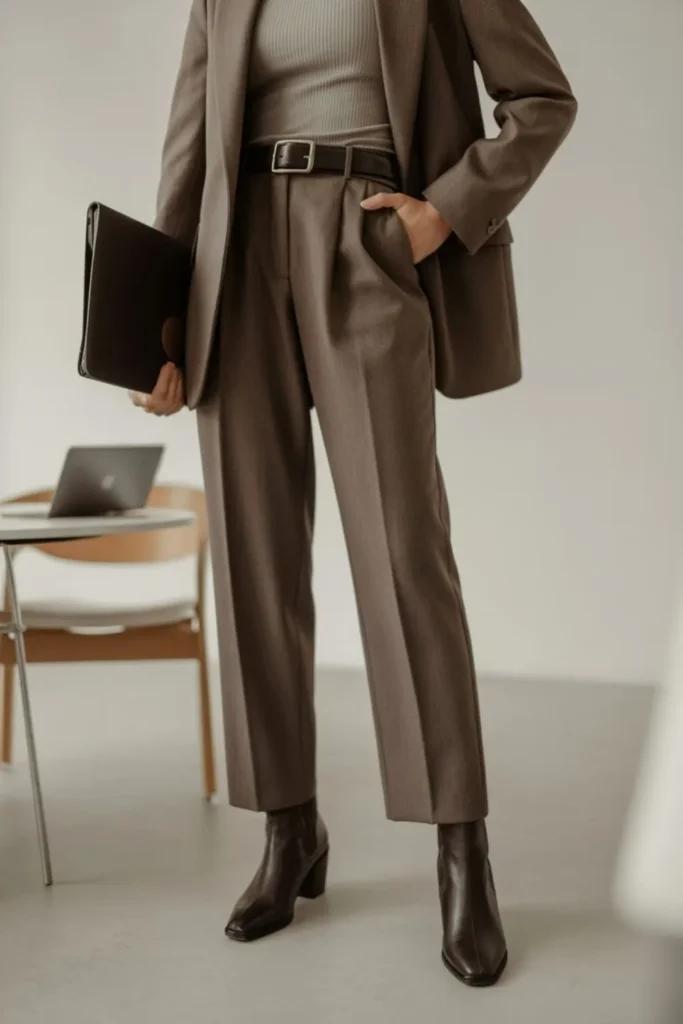
Professional winter fashion requires balancing warmth with workplace expectations. Wool trousers or tailored pants form reliable foundations. Pair them with fitted turtlenecks and blazers for classic combinations that work in corporate environments.
Sweater dresses in black or dark neutrals deliver sophistication for holiday events and client meetings. Add opaque tights, heeled boots, and a wool wrap coat for complete looks. Cardigans layered over button-down shirts allow easy temperature adjustments in overheated offices.
Leather pants or faux-leather trousers create elevated casual outfits suitable for creative workplaces. Style them with cropped jackets, turtleneck sweaters, and ankle boots. These combinations feel intentional without excessive formality.
Midi skirts in wool or knit fabrics pair beautifully with chunky knit sweaters and knee-high boots. Add statement jewelry and a structured bag to complete polished looks. The key is selecting pieces that maintain professional appearance while providing genuine warmth.
How Can Color Enhance Your Winter Wardrobe?
While neutrals dominate winter fashion, strategic color adds visual impact. Primary hues like red, blue, and yellow create eye-catching color-blocking combinations. A bold red cardigan over a button-down and turtleneck follows street-style trends while maintaining warmth.
Chocolate brown emerged as a key winter trend. Brown leather jackets, suede boots, and brown sweaters pair beautifully with black denim or faded black jeans. This combination feels contemporary yet timeless.
Fair Isle knits and patterned sweaters inject personality without overwhelming your look. These work as statement pieces under simpler coats. Striped sweaters add visual interest beneath overcoats when you’re bundled up.
Even winter whites create striking combinations when styled correctly. Cream turtlenecks with white cardigans and white jeans channel sophisticated aesthetics reminiscent of designer aesthetics. Keep accessories minimal to maintain the monochromatic impact.
Read More About : Leather Trench Coat Outfit: Your Complete 2025 Style Guide
What Are the Biggest Winter Fashion Mistakes to Avoid?
Forgetting about proportion ruins otherwise solid warm winter outfits. Pairing multiple oversized pieces creates shapeless silhouettes. Balance chunky sweaters with fitted bottoms like leggings or skinny jeans. Conversely, fitted tops work with wide-leg trousers or flowy skirts.
Neglecting footwear leads to cold, uncomfortable experiences. Waterproof boots with proper insulation are non-negotiable for snowy conditions. Ankle boots need sufficient height to prevent snow from entering. Lug-sole boots provide traction on icy surfaces.
Wearing insufficient layers because you want to maintain your aesthetic leaves you miserable. Add base layers that no one sees they don’t affect your external appearance but dramatically improve comfort. Thermal underwear beneath trousers and thin turtlenecks under sweaters make significant differences.
Ignoring fabric quality results in disappointing purchases. Cheap synthetic blends won’t keep you warm despite their price appeal. Invest in quality wool, cashmere, and down-filled pieces that last multiple seasons. These essentials justify their cost through durability and performance.
Frequently Asked Questions
What is the warmest way to dress for winter?
The three-layer system remains the warmest approach: start with moisture-wicking base layers in merino wool or synthetics, add insulating mid-layers like fleece or down, and finish with waterproof, windproof outer layers. Focus on covering extremities with quality gloves, hats, and thick socks to prevent heat loss.
Can you wear jeans in extremely cold weather?
Yes, but layer thermal leggings or tights underneath for insulation. Dark-wash denim works better than lighter washes for winter aesthetics. Pair jeans with tall boots to prevent cold ankles, and ensure your top layers provide sufficient warmth to compensate for denim’s limited insulation properties.
How do I stay warm without looking bulky?
Choose fitted base layers that trap heat without adding visible bulk. Invest in high-quality down jackets with superior fill power that provide maximum warmth with minimal thickness. Select streamlined silhouettes for outerwear and balance proportions by pairing oversized tops with fitted bottoms or vice versa.
Conclusion
Creating warm winter outfits that actually work requires understanding layering fundamentals, selecting proper fabrics, and investing in quality outerwear. The three-layer system provides flexibility for changing temperatures and activity levels throughout your day.
Your winter wardrobe should include versatile pieces that mix and match effortlessly. Thermal base layers, cashmere sweaters, wool coats, and insulated boots form the foundation. Add statement accessories like scarves and hats to personalize your looks while maintaining warmth. Remember that winter fashion doesn’t require sacrificing comfort for style the right combinations deliver both simultaneously.