61 Trendy Nail Designs 2026: Fresh Ideas That Actually Work All Year
You’re scrolling through endless nail inspiration, but everything looks the same. Another chrome set. Another French tip. Another glazed donut variation you’ve seen three times this week.
The real frustration isn’t finding nail designs that look pretty in photos. It’s finding trendy nail designs 2026 that translate from your saved folder to your actual fingers without requiring three hours at the salon or skills you don’t have. Most trendy looks either demand advanced techniques or fade into generic territory the moment everyone starts copying them.
Here’s what actually works: 61 nail designs pulled from early 2026 trends that balance wearability with visual impact. These aren’t fleeting Instagram moments, they’re looks you can request at your next appointment, recreate at home, or adapt to match your style without feeling like you’re chasing something already outdated.
What Makes Nail Designs Feel Current Without Looking Overdone?
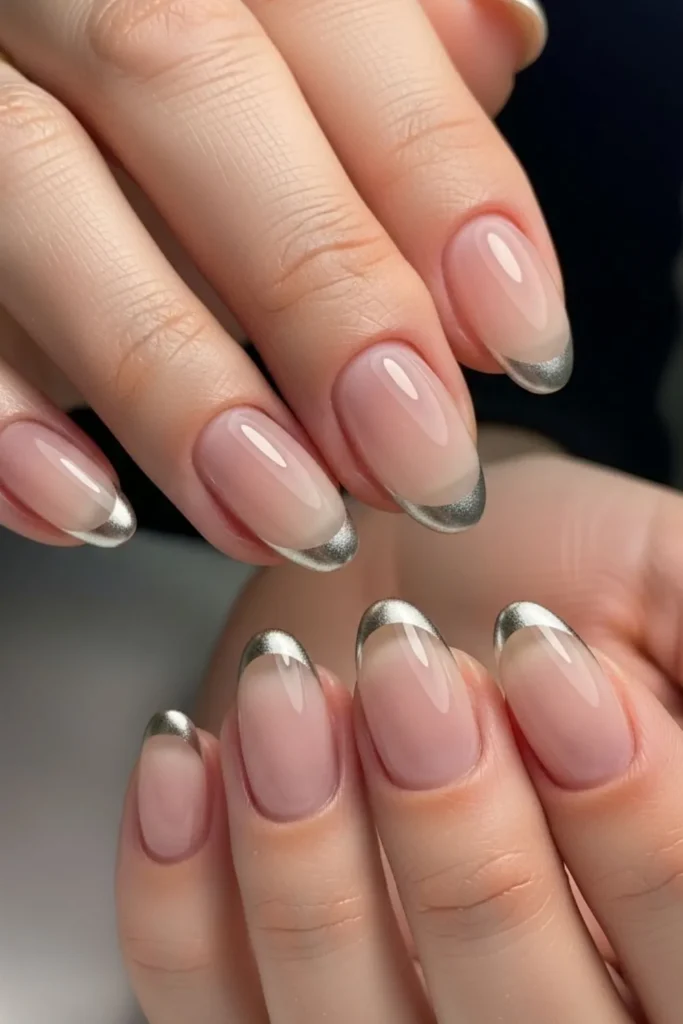
Trendy nail designs 2026 succeed when they solve a specific styling problem rather than just adding decoration. Current designs prioritize texture over complexity, finish over pattern, and subtle dimensional effects over flat color application.
The shift happens in execution details. Chrome finishes now appear in targeted placement just the tips or a single accent nail rather than covering every surface. Milky whites and soft neutrals gain depth through pearl undertones or barely-there shimmer that catches light without screaming for attention. Even maximalist looks pull back on chaotic layering in favor of intentional focal points.
This year’s aesthetic favors looks that photograph well but function better in person, where lighting reveals dimensional finishes and textural contrasts that flat images miss entirely.
Why Are Gummy Nails Suddenly Everywhere After Years of Failed Attempts?
Gummy nails finally broke through because product formulas caught up to the vision. Earlier versions looked muddy or lost their translucent quality after top coat application, but 2026 iterations maintain that suspended-in-syrup clarity while adding sculptural 3D elements that stay put.
The appeal lies in controlled transparency. Unlike fully opaque gel colors, gummy finishes create depth by allowing light to pass through layers, similar to stained glass but with candy-like saturation. Sheer neon shades work especially well because they maintain brightness without feeling aggressive.
The texture reads as playful rather than precious, which explains why it’s replacing last year’s hyper-polished chrome obsession.
This trend performs best on shorter nail lengths where the jelly effect creates visual interest without becoming impractical. Longer nails risk looking too costume-like unless balanced with minimal design elements.
How Do Milk Bath Nails Differ From Generic Nude Manicures Everyone’s Tired Of?
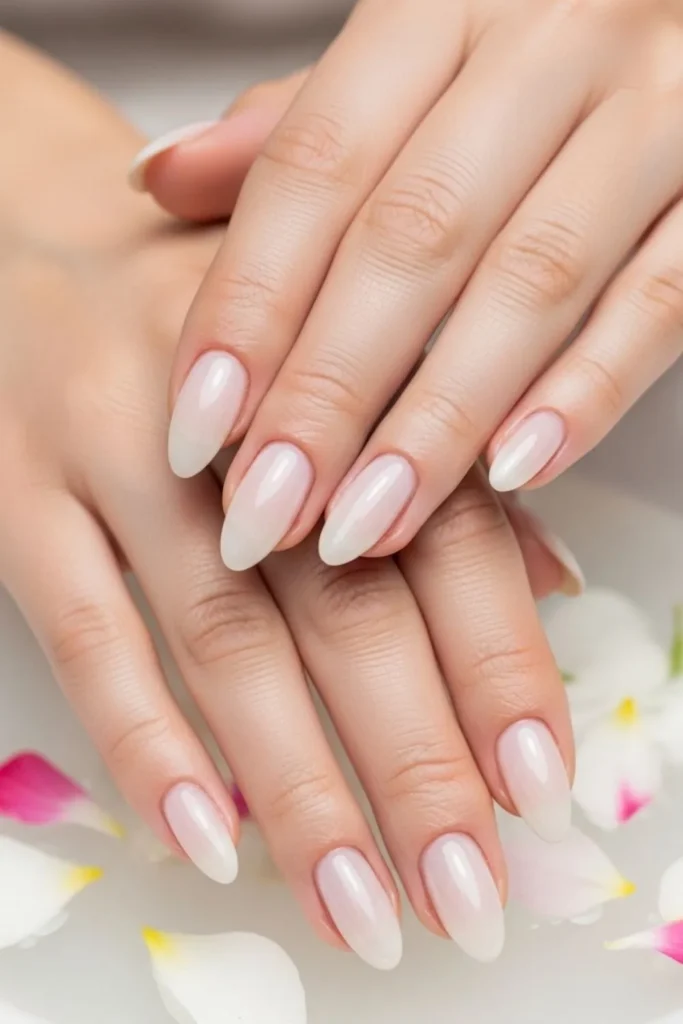
Milk bath nails replace the pink-beige gradient of traditional nudes with creamy white opacity that mimics oat or almond milk poured over skin tone. The difference shows in how the color settles less about matching your natural nail bed and more about creating a soft wash that sits just above it.
This aesthetic ties directly to Pantone’s Cloud Dancer designation as 2026’s defining shade. Unlike stark white or builder gel overlays, milk bath formulas maintain sheerness that prevents the manicure from reading as opaque coverage.
The effect works across skin tones because it’s not trying to disappear into your nail it’s creating a subtle contrast that feels intentional.
Application requires streak-free gel formulas with precise opacity control. Too sheer and you’re back to regular nude territory. Too opaque and you’ve crossed into full coverage white that loses the signature milky effect.
What’s the Actual Difference Between Cat Eye and Regular Metallic Polish?
Cat eye polish contains magnetic pigments that respond to magnet placement during curing, creating a concentrated band of shimmer that moves across the nail like light reflecting off actual cat’s eyes. Regular metallic polish distributes shimmer particles evenly throughout the formula without directional control.
The 2026 evolution features smaller pigment particles that create watercolor-like light pools rather than harsh metallic bands. When properly executed, the effect resembles a drop of light trapped beneath the nail surface. Color placement depends entirely on where you hold the magnet; vertical positioning creates vertical bands, horizontal creates horizontal, and angled application produces diagonal shifts.
This technique works particularly well for gradient designs where you position the magnet differently on each nail to create subtle variation across the hand. It fails when rushed pigments need precise timing during the curing process or they’ll settle randomly.
Read More About : Taupe Nails: The Ultimate 2025 Guide to Sophisticated Neutral Manicures
Why Does Everyone Keep Calling Simple Line Art “Minimalist” When It Takes Advanced Skills?
The minimalist label creates confusion because it describes the visual result rather than the technical difficulty. Single-line designs may look sparse, but executing clean curves or perfectly balanced asymmetrical placement requires steadier hands than filling in full-coverage patterns.
True minimalist nail art in 2026 focuses on negative space as the primary design element. Rather than adding decorative lines to embellish a colored base, the lines themselves create structure while bare nail provide contrast. Black or white lines work best because they maintain crisp visibility without competing for attention.
The key is proportion lines need sufficient thickness to read clearly from conversation distance but stay thin enough to preserve the minimalist intent. Most failures happen when artists either go too delicate (lines disappear) or too bold (design feels heavy).
How Do Aura Nails Achieve That Diffused Glow Without Looking Messy?
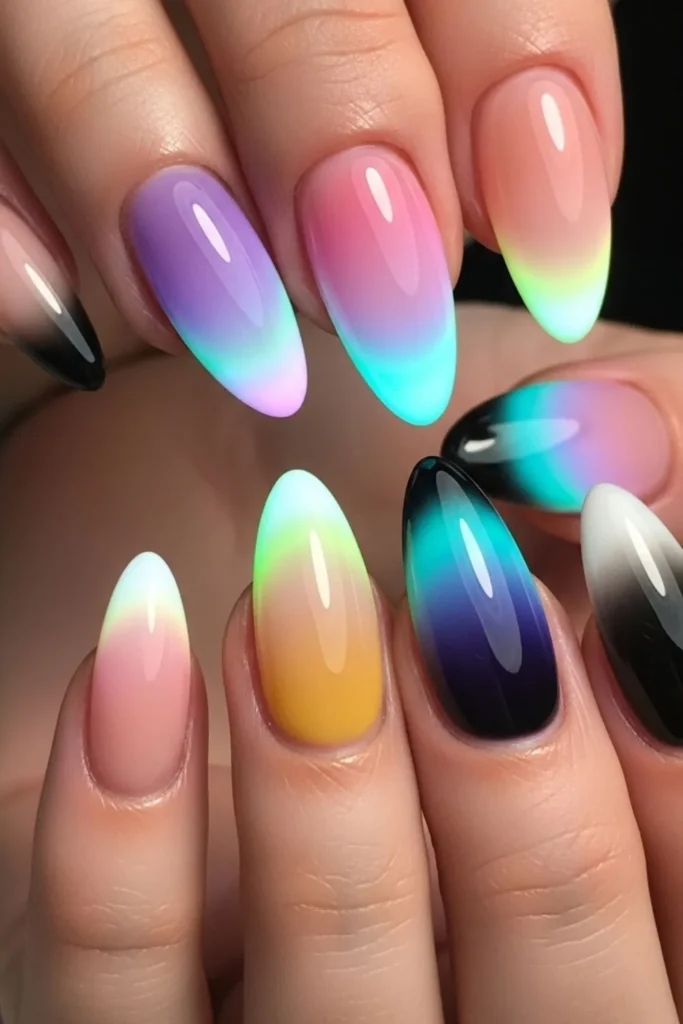
Aura nails create controlled color diffusion through airbrush application or careful sponging that blends multiple shades from a central point outward. The effect mimics atmospheric glow or thermal imaging where colors shift gradually without distinct boundaries.
The 2026 version layers three to five complementary shades rather than limiting to two-tone gradients. This creates richer dimensional effects that shift depending on viewing angle and lighting conditions. Successful execution requires color theory understanding choosing hues that blend smoothly in their overlapping zones rather than creating muddy transitions.
The technique works best over neutral or sheer bases that don’t compete with the gradient itself. Dark bases can support aura effects but require more pigmented spray colors to maintain visibility. Many artists add holographic or chrome accents at the aura’s center to enhance the glowing effect.
What Makes Chrome Finishes Still Relevant When They’ve Been Trending for Years?
Chrome maintains relevance by shifting application methods rather than disappearing. Instead of full-coverage mirror finishes, 2026 chrome appears as targeted accents thin metallic edges framing the cuticle, chrome-tipped French variations, or single chrome nails mixed into otherwise matte or sheer sets.
The key evolution involves pairing chrome with contrasting textures. Chrome over textured bases creates dimensional effects that flat chrome applications can’t achieve. Icy blue chrome works particularly well for winter aesthetics, while warm bronze and chocolate tones suit year-round wear without feeling seasonal.
Chrome fails when it becomes the entire story rather than a supporting element. Full chrome sets photograph dramatically but often overwhelm in person, especially on longer nails where the reflective surface area becomes excessive.
Read More About : 45 Stylish Nails to Try This Year
Why Are Natural Stone Patterns Replacing Abstract Nail Art?
Natural stone designs marble, opal, geode succeed because they provide structure without requiring geometric precision. Unlike abstract patterns that can feel random or unfinished, stone-inspired nail art has built-in visual logic from nature’s patterns, making even imperfect execution look intentional.
The trend reflects broader desire for organic elements in personal styling. Rather than bold graphics or synthetic patterns, stone effects bring textural interest through subtle color layering and metallic veining that mimics natural mineral formations. Tone-on-tone applications particularly appeal to those wanting sophistication without loudness.
Execution requires layering translucent colors and strategically placed metallic accents to simulate stone depth. The effect works best when color choices stay within related families grays and silvers for marble, soft pinks and whites for opal, deep greens with gold veining for malachite-inspired looks.
How Do Pearl Embellishments Work Without Falling Off After Two Days?
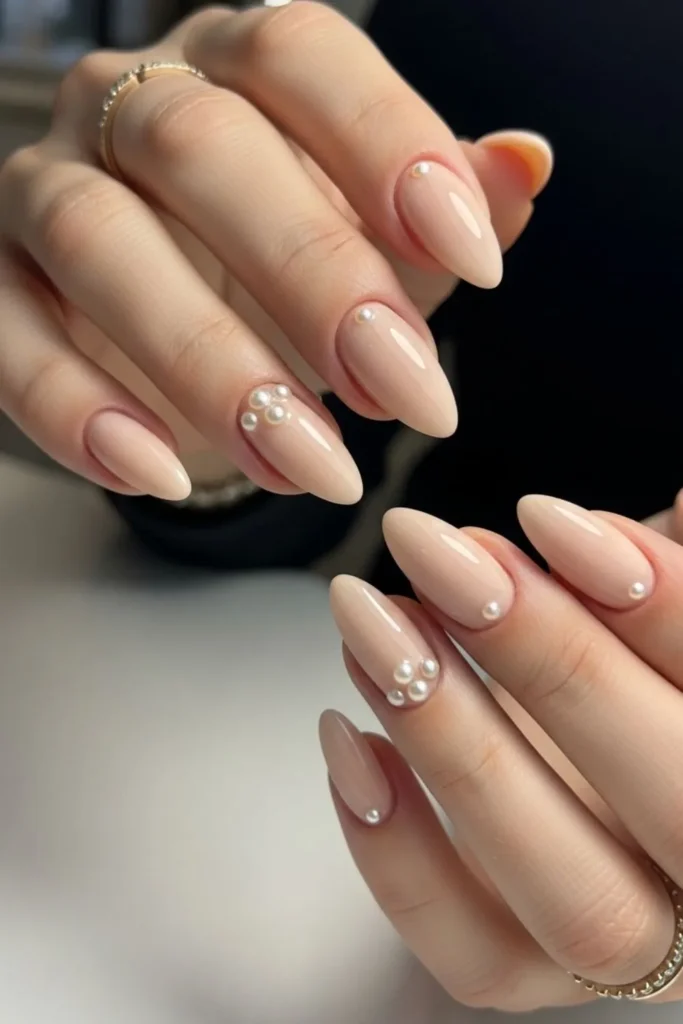
Modern pearl nail applications use specifically formulated nail adhesives and builder gel encapsulation rather than standard nail glue that loses grip quickly. Proper application involves placing pearls on tacky gel layers before final curing, which locks them into the manicure structure rather than sitting on top as afterthoughts.
The 2026 approach favors scattered placement over rigid patterns. Random pearl clusters create organic interest that doesn’t look dated when individual pearls inevitably fall off. Single pearl accents on nude or pastel bases offer the safest entry point for those worried about maintenance.
Size matters more than quantity. Smaller pearls (2-3mm) maintain better adhesion than larger decorative pearls that catch on fabric and hair. Many professionals now use flat-backed pearl cabochons instead of fully rounded pearls to increase surface contact with the nail.
What’s Actually Different About 2026 French Tips Versus Classic White Tips?
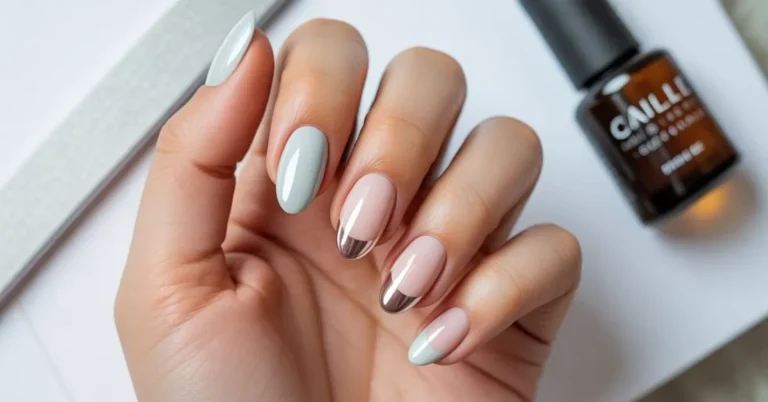
Contemporary French tips abandon the stark white horizontal line in favor of colored edges, metallic finishes, or ultra-thin micro-tips that barely register as traditional French manicures. Pastel, neon, and chrome variations replace white while maintaining the classic concept of distinguished nail tips.
The structural principle remains defining the nail’s edge creates visual length and polish but color choice and thickness create the 2026 distinction. Many current versions use negative space between the nail bed and tip rather than filling the entire area with color, creating a floating effect that feels more modern than traditional French fills.
This works because it solves the dated perception problem without abandoning the French manicure’s fundamental appeal. The technique still elongates fingers and provides built-in coordination with any outfit, but updated color and proportion choices prevent it from reading as your mom’s manicure.
Read More About : Dark Green Almond Nails: The 2025 Trend That’s Taking Over Social Media
Why Do Maximalist Nails Suddenly Feel Fresh After Years of Minimalism Dominating?
Maximalist nails returned because minimalism reached saturation point. After multiple years of nude nails, barely-there manicures, and “expensive-looking” restraint, there’s collective appetite for personality and self-expression that simple designs inherently limit.
The 2026 maximalist approach differs from previous iterations by maintaining intentional composition rather than chaotic layering. Charms, crystals, and 3D elements appear in curated placement rather than covering every surface. The goal is creating focal points that tell a specific story or match a particular aesthetic rather than adding decoration for its own sake.
This trend particularly appeals to those using nails as wearable art or personal branding elements. When your manicure becomes conversation starter rather than subtle accessory, maximalist design justifies the extra salon time and maintenance it demands.
How Do You Make Neon Aura Nails Work Without Looking Like Highlighter Fingers?
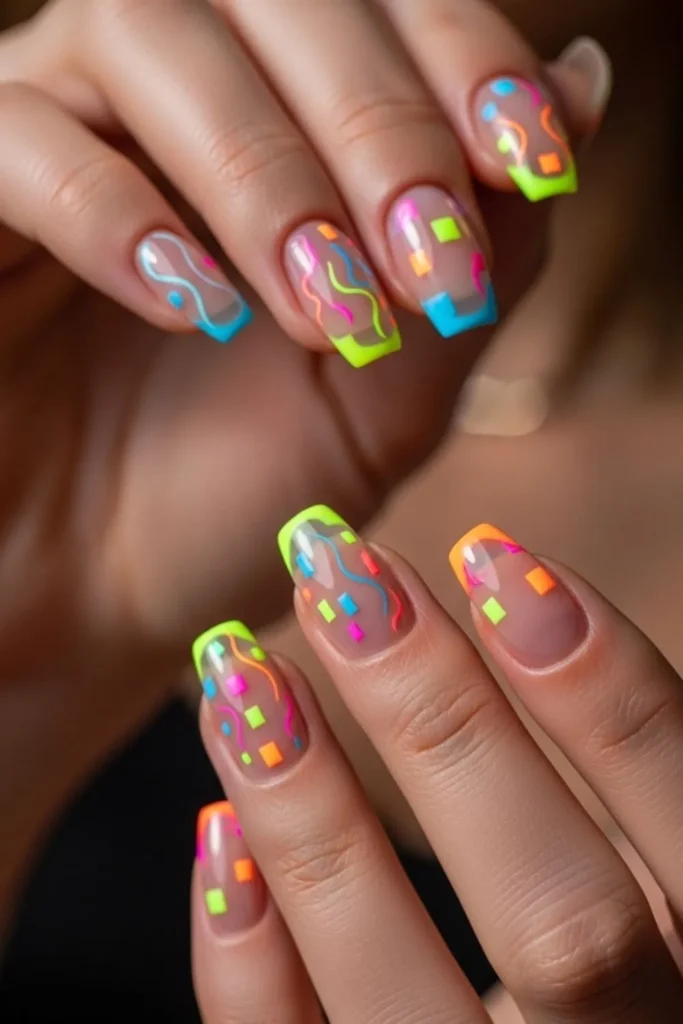
Neon aura nails succeed through careful opacity management and color selection. Rather than full-saturation neon, successful versions use sheer neon gels that create glowing halos without solid color blocks. The effect resembles neon light bleeding through fog rather than direct highlighter application.
Color placement determines whether the look reads as playful or overwhelming. Centering the brightest neon at the nail’s center point and diffusing outward to softer tones creates depth that prevents flatness. Many artists layer complementary neons pink fading to orange, or blue transitioning to purple to add complexity that single-color gradients lack.
This design photographs exceptionally well in natural light where the translucent quality creates dimensional effects that artificial lighting often flattens. It works best on medium to long nail lengths where there’s sufficient surface area for proper color diffusion.
What Makes Lace Nail Art Feel Elevated Instead of Dated Like Traditional Lace Designs?
Modern lace nail art updates traditional approaches through scale and application method. Instead of attempting detailed lacework across the entire nail, 2026 versions use lace as accent elements a delicate edge along the cuticle, a single lace panel on one accent nail, or lace-inspired negative space patterns rather than fully rendered fabric simulation.
The key is treating lace as graphic element rather than literal reproduction. Hand-painted interpretations work better than nail stamps or decals because they allow artists to adapt the pattern to each nail’s shape and size. White-on-white or tone-on-tone applications particularly succeed by creating subtle texture rather than high-contrast decoration.
This approach pairs well with Pantone’s Cloud Dancer trend, using soft white lace details over milky bases or barely-there nude tones. The romance of lace comes through without the dated associations that full lace overlays often carry.
Read More About : Black French Tip Nails: The Ultimate Guide to 2025’s Most Sophisticated Edge
Why Are Glossy Neutrals Suddenly More Interesting Than Matte Everything?
Glossy finishes returned because matte nails reached oversaturation and began feeling dated rather than sophisticated. High-shine manicures now signal intentionality choosing gloss means deliberately embracing polish and refinement rather than defaulting to whatever’s currently trendy.
The 2026 shift involves pairing glossy neutrals with subtle enhancements rather than presenting them as plain color. Pearly glazes, barely-there chrome, or watery color effects add dimension that prevents glossy nudes from reading as basic. The goal is creating depth through finish rather than relying on pattern or decoration.
This works particularly well for professional environments where bold nail art might feel inappropriate but completely bare nails seem unfinished. Glossy neutrals with sophisticated undertones split the difference effectively.
How Do Geometric Designs Stay Current When They’ve Been Around Forever?
Geometric nail art maintains relevance by shifting from complex tessellations to minimal interventions. Current versions favor single geometric elements one diagonal color block, curved metallic stripes, or small geometric accents rather than attempting full-nail patterns that require precision most DIY attempts can’t achieve.
The 2026 approach treats geometry as organizational tool rather than decorative motif. Color blocking separates the nail into intentional zones without requiring detailed line work. Asymmetrical placement creates visual interest without pattern repetition that quickly looks dated.
This technique works because it’s forgiving. Slightly imperfect geometric lines often enhance the handmade quality rather than appearing as mistakes, unlike intricate patterns where any imperfection disrupts the entire design.
What’s the Practical Difference Between Jelly Nails and Regular Sheer Polish?
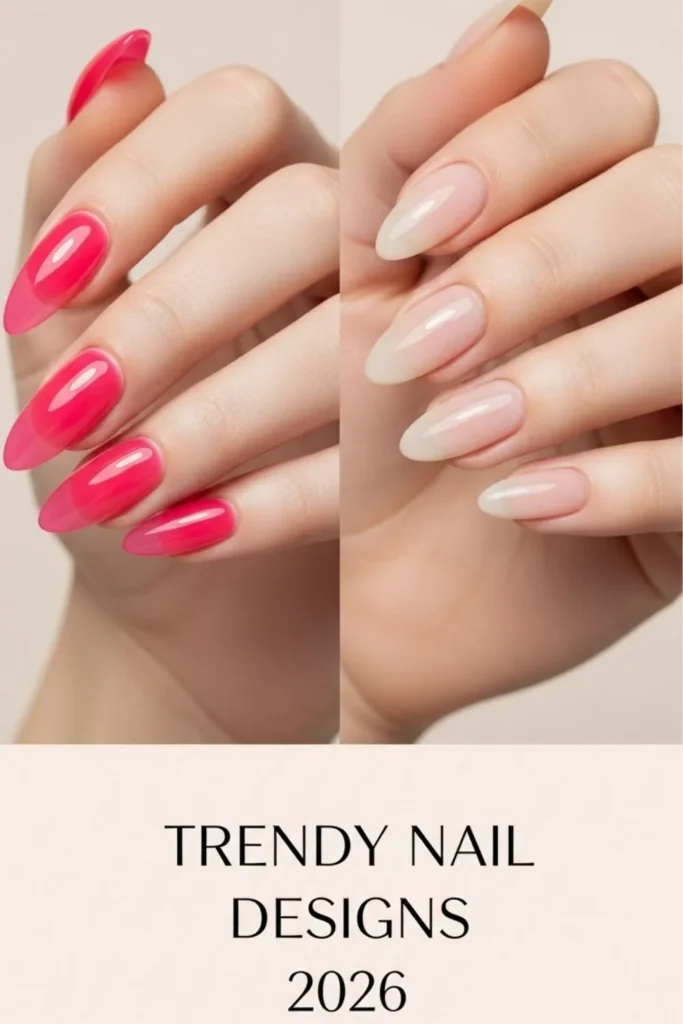
Jelly nails use specifically formulated translucent gels that maintain clarity and depth through multiple layers, while sheer polish typically becomes cloudy or loses translucency with added coats. The jelly formula creates that suspended-in-resin effect where color appears to float within the nail rather than sitting on top as coating.
Texture varies significantly between formulas. True jelly gels have slight viscosity that allows for building dimensional effects and encapsulating small decorative elements without losing clarity. Regular sheer polish lacks this structural quality and works better for simple wash applications.
The difference becomes obvious when attempting 3D elements or layered effects jelly formulas support sculptural additions while maintaining transparency, whereas sheer polish will either obscure added elements or lose its translucent quality in the process.
Why Do Halo Nails Work When They’re Essentially Just Outlined Empty Space?
Halo nails succeed because they create negative space with intention rather than leaving bare nail by default. The colored outline provides structure and definition that makes the unpainted center feel like deliberate design choice rather than incomplete manicure.
Color selection determines whether the effect reads as chic or unfinished. High-contrast pairings black halos on bare nails, or bright neons outlining negative space create sufficient visual interest to justify the minimal coverage. Subtle combinations often fail because they lack the contrast needed to make the halo technique worthwhile.
This design particularly suits those wanting low-maintenance manicures that still register as stylistically aware. When the halo starts chipping, it often looks intentional rather than neglected, unlike full-coverage manicures where any chip immediately appears as damage.
Read More About : Chocolate Brown French Tips: 2025’s Ultimate Sophisticated Manicure Guide
How Do You Incorporate Crystals Without Looking Like You’re Trying Too Hard?
Strategic crystal placement makes the difference between elegant enhancement and overdone decoration. Single crystals at cuticle base or positioned along the nail’s natural curve create refined accent points. Scattered crystal clusters work when sized proportionally tiny crystals distributed across the nail rather than large stones demanding attention.
The 2026 approach treats crystals as jewelry for nails rather than craft store embellishments. Point-back crystals (flat-backed rather than fully faceted) provide sparkle without excessive dimension that catches on everything. Pairing crystals with understated bases nudes, soft whites, or sheer colors lets the embellishment shine without competing elements.
This technique fails when crystals appear randomly placed or when multiple sizes compete for attention. Consistency in crystal size and intentional pattern creation prevent the look from feeling haphazard.
What Makes Icy Blue Chrome Feel Winter-Specific While Other Chrome Works Year-Round?
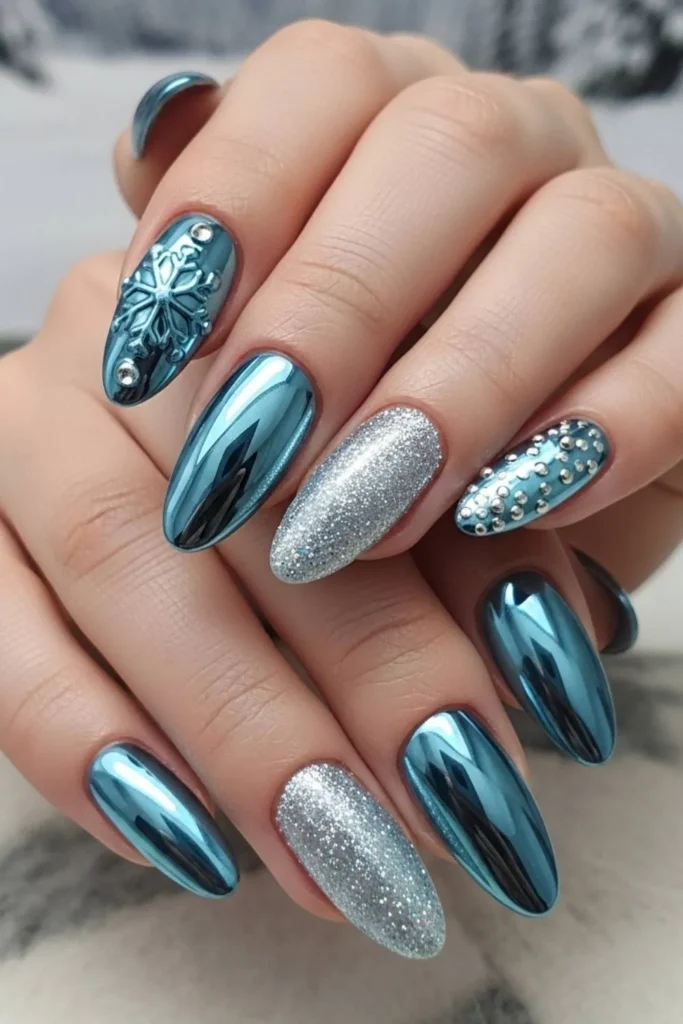
Icy blue chrome reads as winter-specific because the color directly references frozen water and glacial environments. The cool tone combined with reflective finish creates visual temperature association that warm-season styling typically avoids. Other chrome finishes silver, gold, bronze lack these seasonal environmental connections.
The shade works within winter contexts because it coordinates with the season’s color story. Paired with winter whites, deep navies, or soft grays, icy blue chrome reinforces seasonal cohesion. Attempting the same shade during summer creates visual dissonance unless paired with deliberately contrasting warm tones.
Year-round chrome colors succeed by maintaining temperature neutrality. Silver reads as metallic accent without seasonal coding. Warm bronze and chocolate chromes suit fall but transition smoothly into spring when paired with appropriate complementary colors.
Why Are Plaid Nails Suddenly Sophisticated When They Previously Felt Costume-Like?
Plaid nails escaped costume territory by shifting from Christmas tartans to refined runway-inspired patterns using muted color palettes. Instead of bright reds and greens, 2026 versions use neutrals soft grays, beiges, blacks creating patterns that reference upscale tailoring rather than holiday themes.
Scale matters significantly. Smaller, tighter plaid patterns read as sophisticated textile reference, while large-scale plaids feel more literal and costume-adjacent. Many current versions also incorporate plaid over alternative finishes cat eye bases or jelly nails adding dimensional complexity that flat color plaids lack.
The key is treating plaid as graphic element rather than seasonal decoration. When color choices and execution quality match fashion-forward styling rather than craft project aesthetics, the pattern transcends its dated associations.
Read More About : Minimal Fall Nails: 50+ Stunning Autumn Manicure Ideas for 2025
How Do Watercolor Effects Actually Work on Nails Without Looking Muddy?
Watercolor nail effects require working with highly pigmented gel colors diluted with clear gel to create translucent washes, applied in thin layers that build gradually. Unlike traditional watercolor painting where water provides translucency, nail watercolor uses gel medium that maintains clarity while providing workable consistency.
The technique succeeds when colors overlap strategically choosing complementary shades that create intentional color mixing rather than muddy neutralization. Allowing previous layers to cure before adding new colors prevents unintended blending that creates the muddy appearance most watercolor attempts produce.
This effect works best for organic patterns like florals or abstract designs where soft edges and color bleeds enhance rather than detract from the intended aesthetic. Geometric patterns rarely succeed with watercolor technique because the soft edges undermine the crisp definition geometric designs require.
What’s the Appeal of Tomato Red Nails When Classic Red Already Exists?
Tomato red distinguishes itself through orange undertones that create warmth and brightness regular red lacks. The shade reads as more energetic and contemporary than traditional blue-based reds while maintaining red’s classic sophistication and versatility.
This specific shade gained traction because it coordinates with current fashion color trends favoring warm, saturated tones. Unlike cool reds that can feel formal or vintage-coded, tomato red feels fresh and modern while still working across professional and casual contexts.
The color particularly flatters warmer skin tones that cool reds sometimes clash with, expanding red nail accessibility to those who previously avoided the shade. It photographs brilliantly in natural light, maintaining vibrancy that some traditional reds lose in certain lighting conditions.
Why Do Matte Textures Paired With Chrome Create More Impact Than Either Finish Alone?
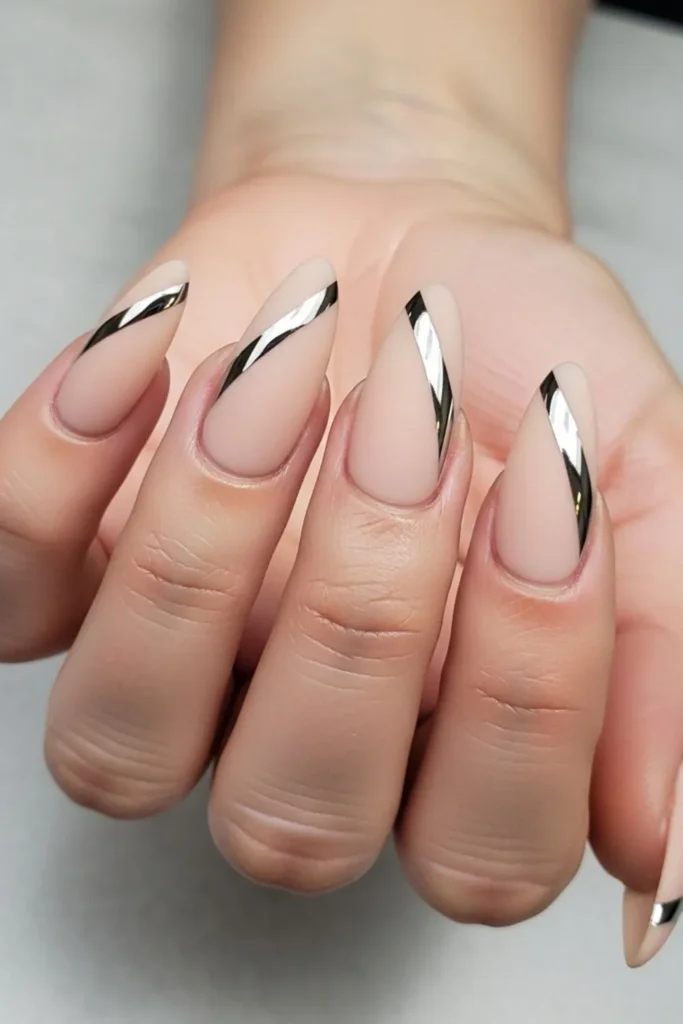
Combining matte and chrome finishes creates visual contrast that enhances both textures. Chrome’s high reflectivity becomes more dramatic when adjacent to light-absorbing matte surfaces. Similarly, matte finishes appear more velvety and sophisticated when juxtaposed with mirror-bright chrome.
The pairing works because it provides visual relief. Full chrome sets can feel overwhelming and full matte occasionally reads flat. Mixing the two creates focal points and rest areas that guide the eye across the manicure rather than presenting uniform surface treatment.
This technique particularly suits those wanting statement nails without full commitment to either extreme. Chrome accent nails or chrome tips on otherwise matte nails provide the best of both approaches while maintaining overall cohesion.
How Do You Know When Neutral Nail Trends Have Crossed Into Actually Boring Territory?
Neutral nails become boring when they lack any distinguishing features beyond base color no dimensional finish, no subtle design elements, no textural interest that differentiates them from simply unpainted nails with clear coat.
The solution involves adding minimal enhancements that preserve neutral simplicity while introducing sophistication. Glossy neutrals with pearl undertones, barely-there chrome tips, or single-line accent details prevent the manicure from disappearing into background noise while maintaining versatility that bold designs sacrifice.
This matters because neutral nails serve functional purpose they coordinate universally and require less maintenance but only when they maintain enough visual interest to register as intentional choice rather than neglect or indecision.
Read More About : Dramatic Nails 2025: Bold Statement Manicures That Turn Heads
What Makes Abstract Nail Art Feel Intentional Versus Looking Like Application Mistakes?
Intentional abstract nail art demonstrates compositional awareness through balanced element placement, cohesive color relationships, and finished appearance rather than incomplete execution. The distinction lies in whether the abstract quality serves aesthetic purpose or results from inability to execute cleaner techniques.
Successful abstract designs often incorporate recognizable artistic movements minimalist line work, color blocking, organic shapes that provide stylistic context. This differentiates them from random application that lacks artistic reference points.
The key is confidence in execution. Deliberate brush strokes, clean edges where precision matters, and considered negative space usage signal intentionality. Hesitant application, uneven color distribution, and ambiguous composition typically read as mistakes rather than aesthetic choices.
Why Are Mismatched Nails Trending When Coordination Has Always Been Beauty Standard?
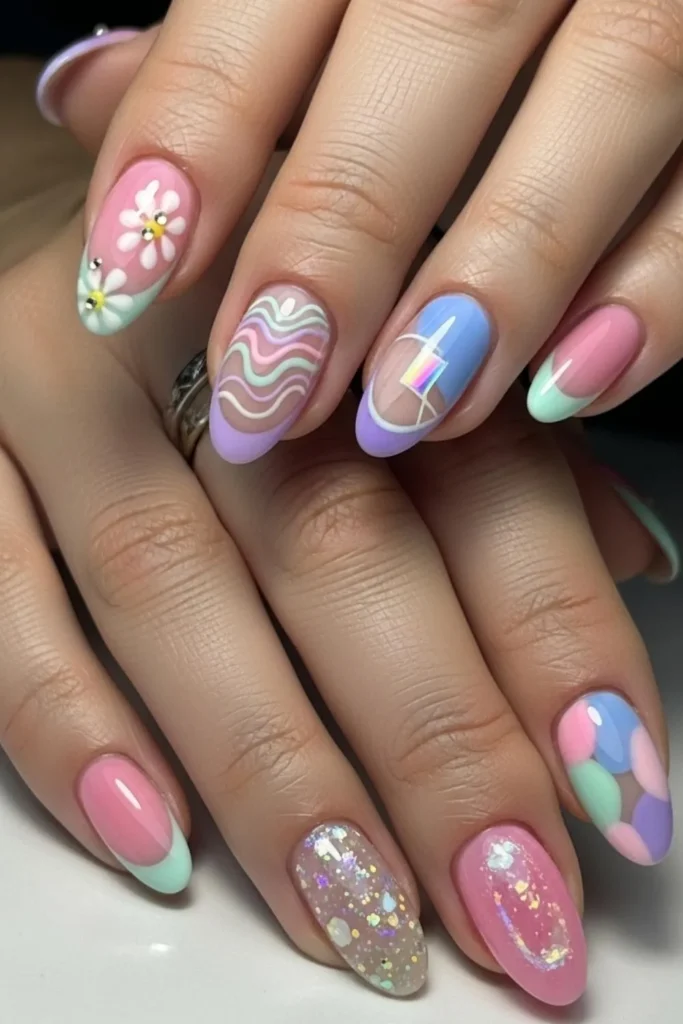
Mismatched nails tap into desire for personalization and rebellion against rigid beauty standards. Rather than presenting identical nails as achievement, mixing colors or designs across hands treats each nail as individual canvas for self-expression.
The trend particularly resonates with younger demographics valuing authenticity over perfection. Mismatched manicures signal playfulness and confidence willingness to break conventional rules because personal preference matters more than adherence to established norms.
This approach only succeeds when color or design choices maintain some relationship to each other. Completely random combinations risk looking chaotic rather than intentionally eclectic. Most successful versions use related color families or cohesive design themes executed differently on each nail.
How Do Gradient Nails Differ From Ombré When People Use Those Terms Interchangeably?
Gradient nails transition smoothly between multiple colors or from saturated to transparent within the same color family, while ombré traditionally describes two-tone transitions with visible color meeting points. The distinction matters more technically than practically most current nail art uses “gradient” and “ombré” interchangeably.
The 2026 emphasis falls on softer, more diffused transitions rather than distinct color zones. Airbrush application creates the smoothest gradients, though sponging techniques can achieve similar effects with more visible texture.
The technique works across color stories soft neutrals fading to transparency, bold neons transitioning between complementary shades, or metallics shifting from one finish to another. The versatility makes gradients perpetually relevant regardless of specific color trends.
Read More About : Ombré Fall Nails: 2025’s Ultimate Guide to Gradient Autumn Manicures
What’s the Maintenance Reality for 3D Nail Art Everyone Skips Discussing?
3D nail elements require significantly more maintenance than flat manicures. Sculptural additions catch on clothing, hair, and daily objects, increasing the likelihood of premature damage. Most 3D manicures show wear within 5-7 days compared to 10-14 days for flat designs.
Lifestyle compatibility matters enormously. Those working with their hands, typing frequently, or caring for small children will find 3D elements impractical regardless of application quality. The designs work best for special occasions or those with minimal manual labor in their daily routines.
Proper encapsulation in builder gel extends 3D element longevity, but even well-executed applications won’t survive the same wear-and-tear as streamlined manicures. Understanding this trade-off prevents disappointment when elaborate 3D designs don’t last as long as simpler alternatives.
Why Do Certain Nail Shapes Make Trendy Designs Work Better Than Others?
Nail shape significantly impacts design execution and final appearance. Longer shapes almond, stiletto, coffin provide more surface area for complex designs and gradients, while shorter shapes round, square suit minimal designs and solid colors that don’t require extensive canvas.
Shape also affects practical wearability. Cat claw shapes (pointed almonds with dramatic curve) create striking aesthetic but limit functionality for typing and daily tasks. Classic ovals and short squares balance design capability with practical wearability.
The 2026 trend sees renewed interest in elegant oval shapes that elongate fingers without extreme length. This shape accommodates most trending designs while maintaining enough practicality for everyday activities, making it the versatile default for those wanting current aesthetics without lifestyle compromise.
How Do You Adapt Pinterest-Perfect Nail Designs to Actually Work in Real Life?
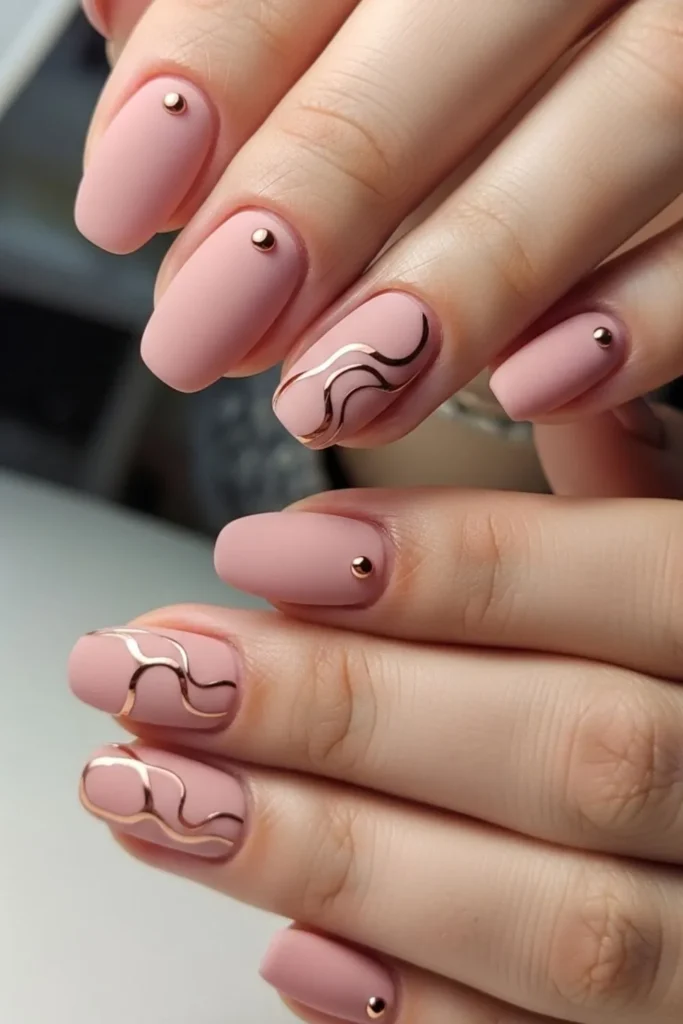
Adapting Pinterest designs to reality requires honest assessment of your skill level, lifestyle needs, and nail health. Most Pinterest nails show professionally executed designs on perfectly prepared nails with optimal lighting none of which reflects typical at-home reality.
Start by identifying the design’s core element the specific feature that makes it visually appealing. Often you can capture that element in simplified form. A complex floral design might become a single flower accent nail. An elaborate chrome and crystal set might translate to chrome tips with minimal crystal placement.
Consider longevity and maintenance from the beginning. Designs requiring frequent touch-ups or special care only work if you’re genuinely committed to the upkeep. Choosing slightly simplified versions that maintain visual impact while reducing maintenance demands creates better long-term satisfaction than ambitious designs that frustrate within days.
What Actually Makes a Nail Design “Timeless” Versus Just Currently Popular?
Timeless nail designs demonstrate restraint, classic proportions, and avoid trend-specific elements that date them to particular moments. French manicures remain timeless because the fundamental concept distinguished tips creating visual length serves functional purpose beyond aesthetic trends.
Currently popular designs typically feature elements that will feel dated within 18-24 months. Specific color combinations, particular finish applications, or design details that closely reference current fashion moments all mark designs as temporally specific.
The distinction matters for those wanting manicures that photograph well years later. Timeless designs maintain sophistication across changing trends, while trendy designs deliberately embrace currency with awareness of their limited lifespan. Neither approach is wrong they serve different purposes depending on whether you prioritize longevity or contemporary relevance.
Read More About : Cinnamon Nails: The Complete Guide to 2025’s Warmest Nail Trend
How Do Seasonal Nail Trends Actually Influence Year-Round Design Choices?
Seasonal trends introduce colors and motifs that often transition beyond their original season when successfully executed. Icy blue chrome started as winter-specific but elements of the aesthetic cool tones and reflective finishes influence spring and summer applications through different color expressions.
The pattern shows each season launching trends that peak during that period but influence adjacent seasons through adapted execution. Winter’s deep burgundies become spring’s berry pinks. Summer’s neon brights evolve into fall’s warm-toned saturation.
Understanding this flow helps predict which current trends have staying power versus those tied specifically to seasonal contexts. Elements maintaining relevance across multiple seasons demonstrate adaptability that single-season trends lack, making them safer bets for those wanting designs with extended relevance.
Why Do Some Nail Trends Explode on Social Media But Never Materialize in Actual Salons?
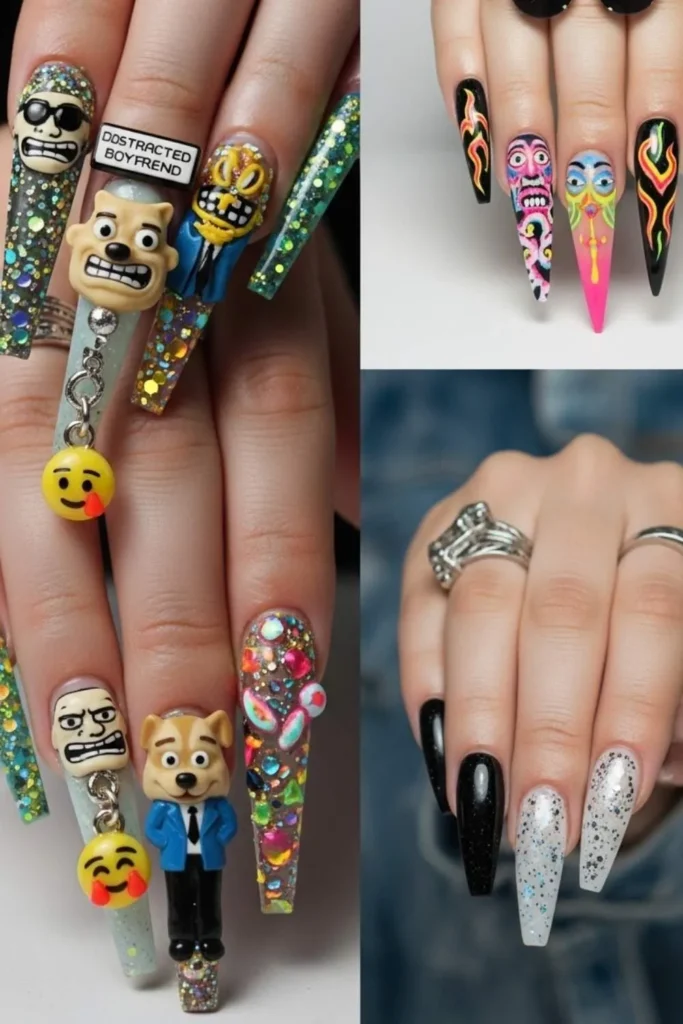
Social media nail trends often prioritize visual impact over wearability, creating designs that photograph beautifully but fail practical tests. Extremely long stiletto nails with elaborate 3D elements generate engagement but prove too impractical for most people’s daily lives.
Salon reality involves clients wanting designs that survive their actual routines. The disconnect means many viral trends remain Instagram content rather than requested services. Nail artists often modify viral designs substantially to create wearable versions that maintain aesthetic appeal while improving functionality.
This gap also reflects skill level realities. Many viral designs require advanced techniques and time investments that don’t translate to typical salon pricing and appointment lengths. Simplified versions become the practical compromise between trend participation and realistic execution.
Read More About : 50+ Pumpkin Spice Nails That Perfectly Capture Autumn’s Cozy Elegance in 2025
What’s the Best Entry Point for Someone New to Trendy Nail Designs?
Begin with single-element additions to familiar bases. If you typically wear nude nails, add thin metallic tips or single accent crystals before attempting complex designs. This approach builds comfort with enhancement while maintaining familiar foundation.
Focus on finish changes rather than pattern additions initially. Trying glossy versus matte, or adding subtle shimmer, requires less technical skill than executing specific designs. Once comfortable with finish variations, progress to minimal design elements like simple French variations or single-line accent details.
Choose forgiving techniques that mask imperfections. Gradient and aura effects naturally incorporate irregularities into the design aesthetic. Geometric precision or detailed line work highlight any mistakes, making them poor starting points for developing skills.
How Will Current Nail Trends Likely Evolve Through Rest of 2026?
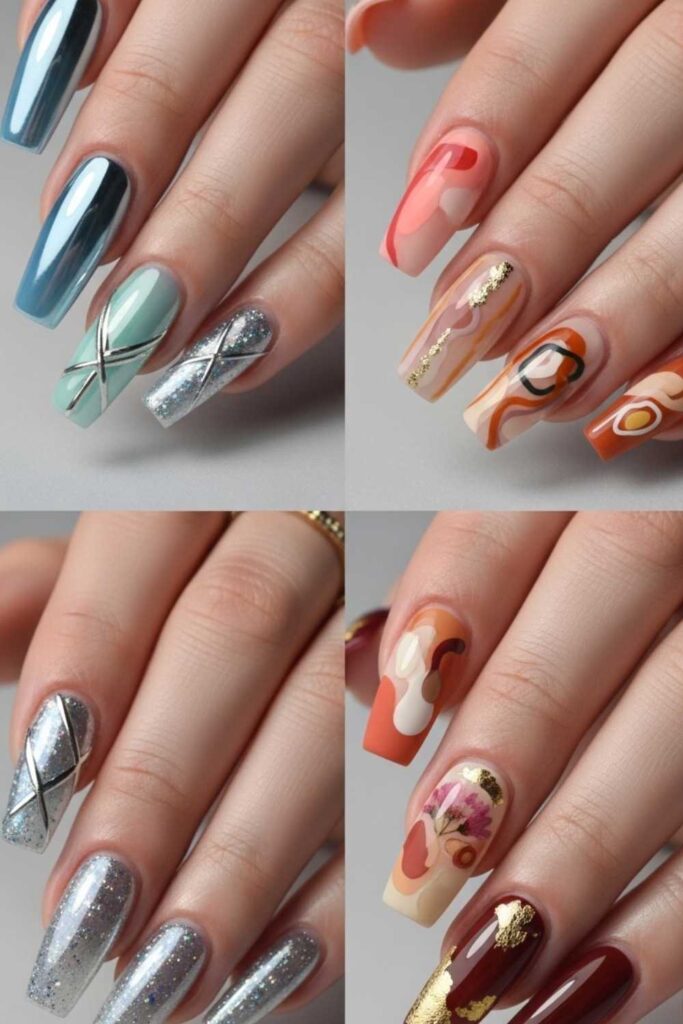
Expect continued refinement of textural contrasts matte paired with chrome, glossy with matte, sheer layered over opaque. The pairing principle appears to have staying power as it creates visual interest without requiring constantly new techniques.
Color trends will likely shift from current cool tones (icy blues, soft whites) toward warmer palettes as year progresses into spring and summer. Berry pinks, warm corals, and golden tones typically emerge as weather warms, though neutral sophistication will maintain baseline popularity regardless of season.
3D elements and embellishments will probably continue scaling down from current maximalist applications toward more refined, jewelry-like additions. The overall trajectory suggests sophistication through restraint rather than abundance, with each element earning its placement through intention rather than decoration for its own sake.
Read More About : Leopard Print Nails 2025: 25 Fierce Designs & Easy DIY Tutorials That’ll Make You Roar
FAQ’s
What nail designs are trending in 2026 that actually work for everyday wear?
The most wearable trendy nail designs for 2026 include milk bath nails, gummy jelly finishes, micro French tips, aura gradients, and minimalist line art. These styles look modern but don’t require extreme length or high-maintenance salon techniques.
What’s the difference between gummy nails and regular sheer gel nails?
Gummy nails use translucent gel formulas that create a thick, glassy, “suspended color” effect instead of a flat wash of color. Regular sheer polish looks lighter but doesn’t give the same dimensional, candy-like depth that’s trending in 2026.
Are trendy nail designs in 2026 hard to maintain?
Most 2026 nail trends are designed to be low-maintenance, especially short-length styles like aura nails, milk bath manicures, and soft chrome tips. Avoid heavy 3D designs if you want your manicure to last 10–14 days without frequent repairs.
Which 2026 nail trends work best for at-home DIY?
Gummy nails, milk bath nails, soft gradients, glossy neutrals, and thin French tips are the easiest trendy nail designs to recreate at home. They hide small mistakes and still look professional with basic gel tools.
Conclusion
Trendy nail designs 2026 succeed because they balance creativity with real-life wearability. The strongest looks focus on finish, texture, and proportion rather than excess detail. Milk bath tones, gummy translucence, refined chrome accents, and soft gradients prove that modern nails can feel fresh without feeling forced. These designs adapt across seasons, settings, and skill levels while maintaining polish and intention.
Use this guide to choose designs that suit your lifestyle, not just your inspiration board. Bring clear references to your nail tech or simplify techniques for at-home use. Commit to quality execution and thoughtful choices. Book your next appointment or plan your next set with confidence and let your nails reflect informed, modern style.