
How Sleepwear Fashion is Redefining Comfort and Style in 2025
Remember when sleepwear fashion meant grabbing whatever mismatched t-shirt and gym shorts you could find? Those days are officially over. Modern consumers are demanding more from their nighttime wardrobes, and brands are delivering with designs that blur the lines between bedroom comfort and street-ready style.
The problem isn’t just about having something to sleep in anymore, it’s about finding sleepwear that reflects your values, supports your wellness routine, and looks good enough to wear beyond the bedroom. This frustration has created a massive gap in the market where traditional pajamas fall short of meeting contemporary lifestyle needs.
The fashion industry has heard this call loud and clear. Today’s sleepwear fashion landscape combines sustainable materials, versatile designs, and therapeutic benefits that transform how we think about nighttime attire. From organic cotton pajama sets to silk nightgowns that double as daywear, the evolution of loungewear represents a fundamental shift in consumer priorities. People want luxury sleepwear that performs multiple functions without compromising on comfort or environmental responsibility.
This comprehensive guide explores how sleepwear fashion trends are reshaping the industry through eco-friendly fabrics, innovative designs, and multifunctional pieces that transition seamlessly from bed to brunch. Whether you’re searching for sustainable sleepwear, matching pajama sets, or temperature-regulating nightwear, understanding these emerging patterns helps you make informed choices that align with your lifestyle and values.
What Makes Sleepwear Fashion Different from Traditional Nightwear?
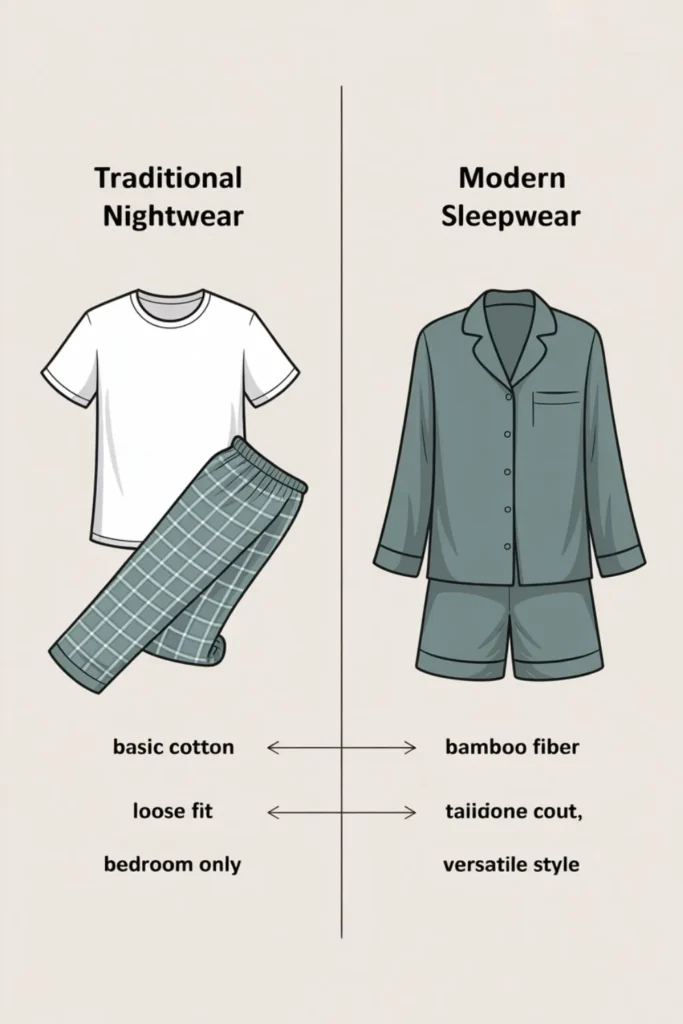
Sleepwear fashion transcends basic functionality by integrating contemporary design principles with performance-oriented materials. Unlike traditional nightwear that prioritized only comfort, modern sleepwear addresses multiple consumer needs simultaneously.
The distinction lies in intentional design choices that consider aesthetics, sustainability, and versatility as equally important factors. Today’s fashion-forward sleepwear incorporates elements like strategic draping, structured silhouettes, and thoughtful color palettes that make pieces suitable for various settings beyond the bedroom.
This transformation reflects broader societal changes in how we approach work-life balance and self-care. Loungewear has become an essential wardrobe category because remote work and flexible schedules demand clothing that performs across different contexts.
Modern sleepwear fashion responds to this need with pieces that maintain their elegance whether you’re attending a virtual meeting, running errands, or settling in for the night. The integration of premium fabrics like bamboo, Tencel, and organic cotton ensures that these garments deliver on both comfort and visual appeal without requiring compromise.
Read More About : Matching Christmas Pajamas: The Ultimate Guide to Festive Family Sleepwear
Why Are Day-Jamas Dominating Sleepwear Fashion Trends?
Day-jamas represent the most significant innovation in sleepwear fashion, offering coordinated sets that work equally well for sleeping and socializing. These versatile pajama sets feature refined details like tailored buttons, structured collars, and sophisticated prints that elevate them beyond basic nightwear.
The trend addresses a fundamental consumer desire for efficiency why maintain separate wardrobes for different activities when one well-designed piece can serve multiple purposes?
The rise of day-jamas reflects changing attitudes toward formality and comfort. Consumers increasingly reject artificial distinctions between “appropriate” clothing for different settings, preferring garments that align with their actual lifestyle patterns.
Fashion retailers have responded by creating sleepwear that incorporates traditionally formal elements like crisp cotton blends, classic stripes, and button-front closures while maintaining the relaxed fit that makes loungewear so appealing.
This hybrid approach has proven commercially successful because it resonates with consumers who value both style and practicality. The day-jama trend also aligns with minimalist wardrobing principles, allowing people to invest in fewer, higher-quality pieces that deliver greater versatility and longer-term value.
How Do Sustainable Fabrics Elevate Modern Sleepwear Fashion?
Sustainable sleepwear has moved from niche market to mainstream expectation as consumers demand transparency about environmental impact. Eco-friendly fabrics like organic cotton, bamboo, Tencel Lyocell, and hemp offer superior performance characteristics while significantly reducing ecological footprint. These materials require less water, avoid harmful pesticides, and often incorporate closed-loop production processes that minimize waste. The shift toward sustainable materials represents more than environmental consciousness it reflects evolving consumer values that prioritize long-term thinking over short-term convenience.
Bamboo fabric has emerged as particularly popular in sleepwear fashion due to its natural moisture-wicking properties and antimicrobial characteristics. The material grows rapidly without requiring pesticides, making it one of the most renewable options available. Tencel, derived from sustainably managed wood pulp, offers similar benefits with an exceptionally soft hand feel that rivals silk.
Organic cotton remains a staple for its breathability and familiarity, though production requires significantly more water than alternatives like hemp. Modern sustainable sleepwear brands often combine multiple eco-friendly fabrics to optimize different performance characteristics using bamboo for moisture management, modal for drape, and organic cotton for structure.
This sophisticated approach to material selection demonstrates how sustainable fashion can meet or exceed the quality standards of conventional production while delivering superior environmental outcomes.
Which Colors and Prints Define Sleepwear Fashion in 2025?
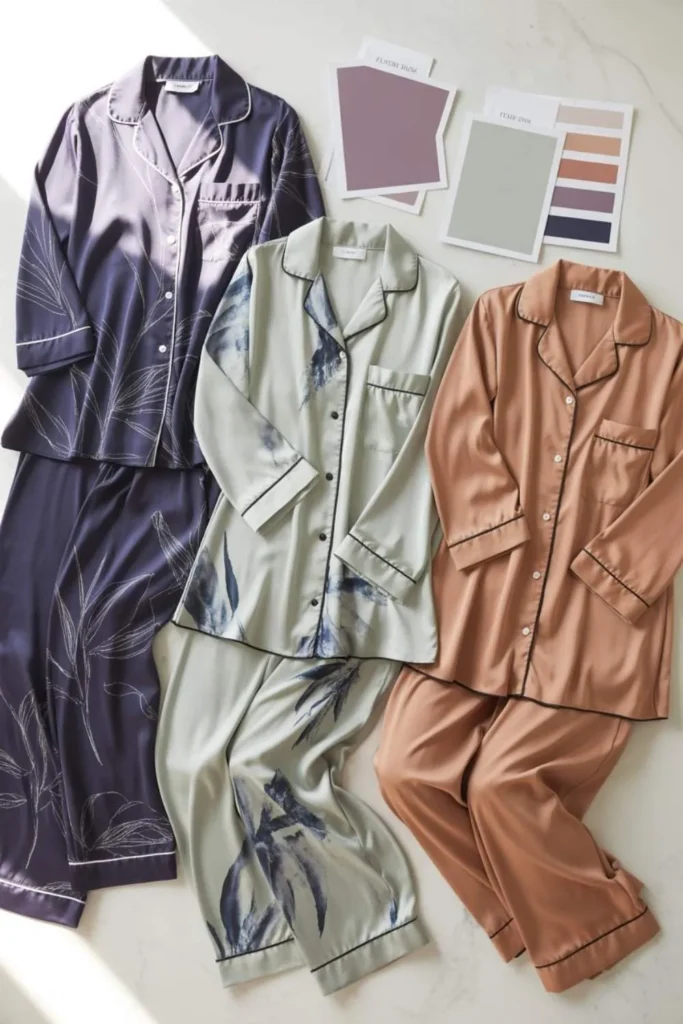
Color psychology plays a crucial role in sleepwear fashion, with trending palettes designed to promote relaxation and sleep quality. Future Dusk, a deep purple-blue shade, has emerged as the defining color of 2025 sleepwear, offering dramatic sophistication that feels both calming and luxurious.
This jewel tone represents a departure from the pastel dominance of previous years, signaling consumer appetite for richer, more complex color stories. Sage green, terracotta, and midnight blue complement this moody aesthetic while maintaining the tranquil qualities essential for nightwear.
Soft pastels continue to hold market share, particularly in women’s sleepwear, with shades like blush pink, aquatic blue, and serenity lavender offering timeless appeal. These colors work particularly well with romantic sleepwear designs featuring lace trim and delicate embroidery.
The print landscape has evolved toward nature-inspired motifs botanical patterns, abstract florals, and organic textures that create visual interest without overwhelming. Striped pajamas and plaid patterns maintain their classic status, especially in matching family sets and traditional button-up styles.
The most successful sleepwear fashion brands balance timeless aesthetics with seasonal color innovations, offering core collections in neutral tones supplemented by trend-driven pieces in statement colors. This strategy allows consumers to build versatile sleepwear wardrobes that remain current across multiple seasons while providing opportunities for personal expression through accent pieces.
Read More About : Pink Pajamas: The Ultimate Guide to Comfort, Style & Better Sleep
What Role Does Luxury Play in Contemporary Sleepwear Fashion?
Luxury sleepwear has experienced remarkable growth as consumers increasingly view nightwear as an extension of self-care rituals rather than purely functional necessity. Premium fabrics like charmeuse silk, Pima cotton, and cashmere blends deliver sensory experiences that justify higher price points.
The tactile pleasure of sliding into silk pajamas or wrapping yourself in a velvet robe transforms the bedtime routine into an intentional wellness practice. This elevation of sleepwear fashion reflects broader wellness trends that emphasize quality over quantity and intentional living over mindless consumption.
High-end sleepwear brands differentiate themselves through superior construction techniques, thoughtful design details, and exceptional material quality. Hand-finished seams, custom buttons, and precise pattern matching signal craftsmanship that extends product lifespan while enhancing user experience.
Luxury nightgowns often incorporate French lace, Swiss embroidery, or hand-painted prints that transform functional garments into artisanal pieces. The premium sleepwear segment also leads innovation in technical fabrics developing temperature-regulating materials, moisture-wicking fibers, and antibacterial treatments that enhance comfort without compromising aesthetic appeal.
This fusion of traditional luxury markers with performance innovation creates sleepwear that justifies investment through both immediate pleasure and long-term durability. The luxury sleepwear market particularly resonates with consumers who view clothing purchases through a cost-per-wear framework, recognizing that higher initial investment in quality pieces ultimately delivers superior value compared to frequent replacement of lower-quality alternatives.
How Does Sleepwear Fashion Address Different Body Types and Needs?
Inclusivity has become non-negotiable in sleepwear fashion, with successful brands offering extensive size ranges and diverse silhouette options. Oversized sleepwear accommodates preferences for unrestricted movement while providing coverage that makes wearers feel secure.
Wide-leg pajama pants, flowy nightgowns, and kimono-style robes offer flattering options that work across various body types without requiring traditional sizing constraints. The shift toward relaxed-fit designs reflects both comfort priorities and body-positive values that reject narrow beauty standards.
Maternity sleepwear represents a particularly important category, addressing specific needs like nursing access and growing body changes. Modern maternity pajamas incorporate thoughtful design elements like wrap fronts, adjustable waistbands, and stretchy fabrics that accommodate physical changes throughout pregnancy and postpartum recovery.
Petite and plus-size sleepwear collections now receive equal design attention rather than being treated as afterthoughts, with brands developing patterns specifically for different proportions rather than simply scaling standard sizes.
The adaptive sleepwear segment addresses mobility limitations, sensory sensitivities, and medical device accommodation through features like magnetic closures, tagless construction, and side-seam openings.
This comprehensive approach to inclusive sleepwear fashion recognizes that true market leadership requires serving diverse consumer needs with equal creativity and quality rather than treating certain sizes or requirements as specialty niches. The commercial success of inclusive brands demonstrates that thoughtful design that centers diverse experiences creates products with broader appeal rather than limiting market potential.
Why Are Matching Family Sleepwear Sets Trending?
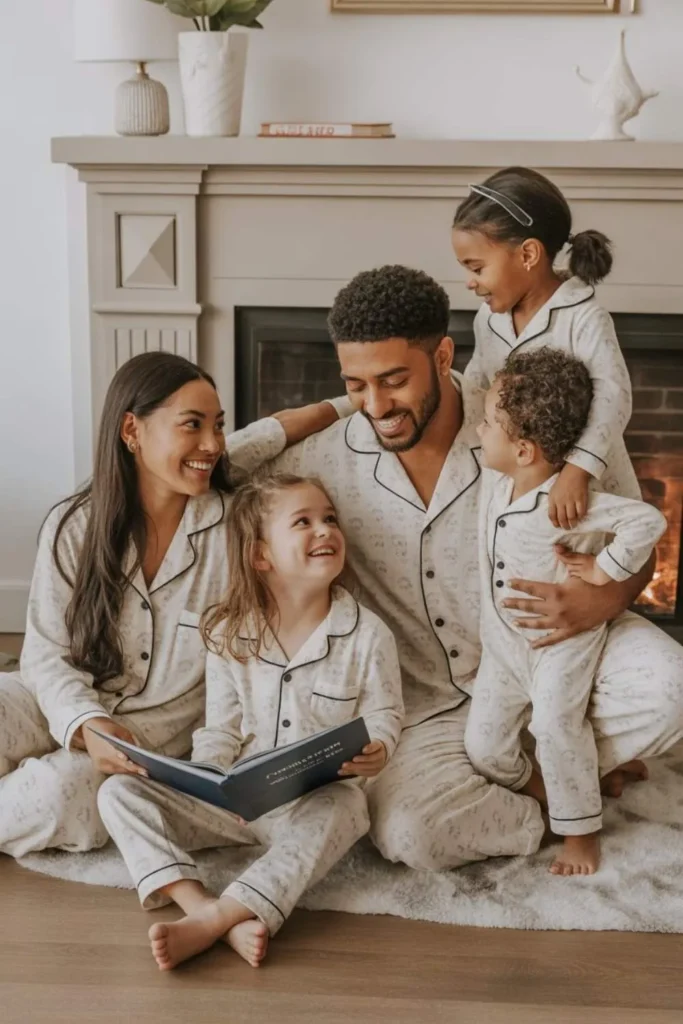
Matching pajama sets for entire families have evolved from holiday novelty to year-round staple, driven by social media culture and desire for shared experiences. These coordinated sleepwear ensembles create photo opportunities that document family bonds while providing practical benefits of simplified shopping and laundry management. The trend particularly peaks during holidays, but brands now offer seasonal collections that maintain relevance throughout the year summer shorts sets, autumn flannel styles, and spring floral prints that keep the concept fresh.
Family sleepwear serves emotional needs beyond mere coordination. Wearing matching pajamas creates a sense of belonging and togetherness that resonates particularly strongly in an increasingly fragmented world.
Parents report that coordinated sleepwear helps establish bedtime routines and makes children feel special about nighttime rituals. From a design perspective, successful family pajama sets balance individual expression with cohesive aesthetics offering the same pattern across sizes while allowing personalization through different colors or style variations within the collection.
Kids’ sleepwear in these sets typically incorporates playful details like appliqué designs or character motifs while adult versions maintain sophisticated restraint. The matching sleepwear trend also extends to couples and pet owners, with brands offering coordinated options that allow households to fully embrace the aesthetic. This expansion reflects how sleepwear fashion has become a vehicle for identity expression and relationship building rather than purely personal choice.
Read More About : Bridesmaid Pajamas: The Complete Guide to Matching PJ Sets for Your Bridal Party
What Technical Innovations Are Transforming Sleepwear Fashion?
Smart sleepwear represents the cutting edge of technical innovation, incorporating sensors and responsive materials that enhance sleep quality. Temperature-regulating fabrics use phase-change materials or moisture-wicking technology to maintain optimal body temperature throughout the night, addressing one of the most common sleep disruptions. Some advanced nightwear includes embedded sensors that track heart rate, breathing patterns, and movement, providing data that helps users optimize their sleep environment and habits.
Antimicrobial treatments using silver ions or copper threading prevent odor-causing bacteria growth, extending the time between washes and improving hygiene. Aromatherapy-infused fabrics release calming scents like lavender or chamomile through microencapsulation technology, creating a multisensory sleep experience. Self-healing textiles that repair minor tears or resist pilling extend garment lifespan while maintaining aesthetic appeal.
These innovations demonstrate how sleepwear fashion increasingly incorporates wellness functionality rather than focusing exclusively on aesthetics. The integration of technology raises questions about data privacy and washing durability that responsible brands address through transparent communication about capabilities and limitations.
As these technical features become more accessible and affordable, they’re likely to transition from premium differentiators to baseline expectations, fundamentally changing what consumers expect from their sleepwear purchases.
How Can You Build a Sustainable Sleepwear Wardrobe?
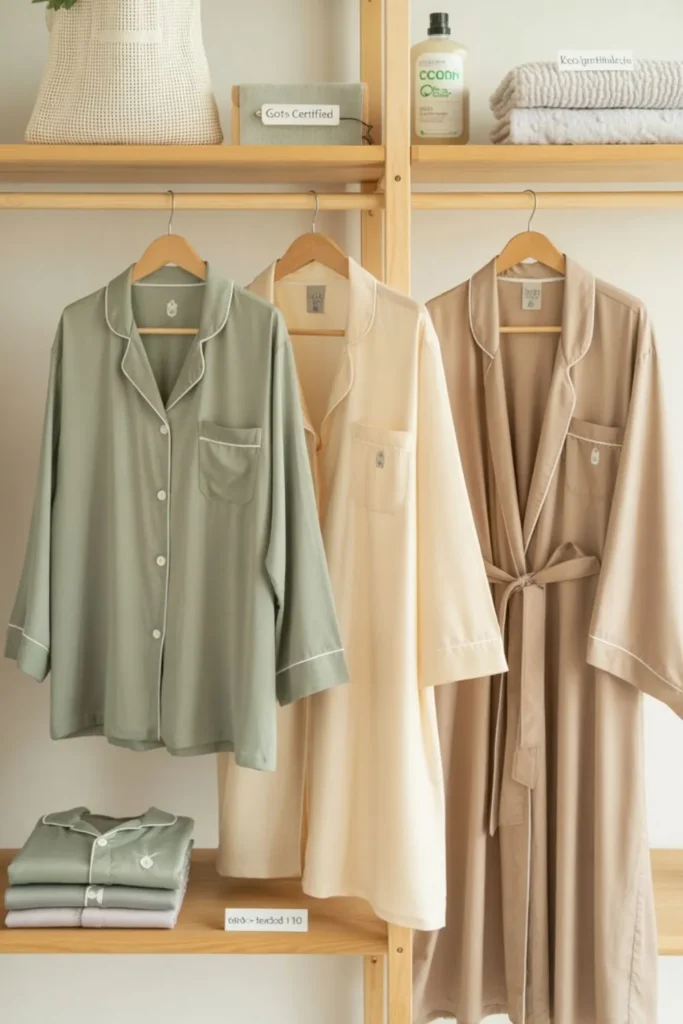
Building an eco-friendly sleepwear collection requires strategic thinking about versatility, quality, and longevity rather than quantity. Start with core pieces in neutral colors a cotton pajama set, a bamboo nightgown, and a robe that work across seasons and occasions. Choose durable fabrics like organic cotton or linen that withstand frequent washing without degrading. Invest in higher-quality pieces that cost more initially but last significantly longer than fast-fashion alternatives, ultimately delivering better value and less environmental impact.
Consider your climate and lifestyle when selecting sleepwear. Hot sleepers benefit from moisture-wicking bamboo or breathable linen, while those in cold climates might prioritize flannel or thermal cotton.
Multifunctional designs like day-jamas reduce total wardrobe needs by serving multiple purposes. Support brands with transparent supply chains, ethical labor practices, and genuine environmental commitments rather than those practicing greenwashing. Look for certifications like GOTS (Global Organic Textile Standard), OEKO-TEX, or Fair Trade that verify sustainability claims through third-party verification.
Care for your sleepwear properly by following washing instructions, using gentle detergents, and air-drying when possible to extend garment life. When pieces wear out, explore recycling programs offered by many sustainable sleepwear brands rather than sending them to landfills. This thoughtful approach to sleepwear fashion demonstrates that sustainability and style are complementary rather than competing priorities.
Read More About : Warm Winter Outfits: Stay Cozy and Chic All Season Long
Frequently Asked Questions
What fabrics work best for hot sleepers in sleepwear fashion?
Hot sleepers should prioritize breathable fabrics like bamboo, Tencel, linen, and lightweight cotton that offer natural moisture-wicking properties and excellent airflow. These materials pull heat away from the body and dry quickly, preventing the clammy feeling that disrupts sleep. Silk also regulates temperature effectively despite common misconceptions about warmth.
How do I know if sleepwear is truly sustainable?
Look for third-party certifications like GOTS for organic content, OEKO-TEX for chemical safety, Fair Trade for ethical labor, and B-Corp for comprehensive sustainability. Genuine eco-friendly sleepwear brands provide transparency about their supply chain, material sourcing, and manufacturing processes. Be skeptical of vague claims without specific certifications or concrete information about practices.
Can I wear sleepwear fashion pieces outside the house?
Modern sleepwear fashion, particularly day-jamas and structured pajama sets, is specifically designed for versatility beyond the bedroom. Look for pieces with tailored details, quality fabrics, and polished finishes that blur traditional boundaries between sleepwear and casualwear. Pair silk pajamas with a blazer, or wear matching loungewear sets with sneakers for an intentionally relaxed yet put-together aesthetic.
What sleepwear works best for sensitive skin?
Choose organic cotton, bamboo, or Tencel fabrics processed without harsh chemicals or synthetic dyes. Look for OEKO-TEX certification that guarantees absence of harmful substances. Avoid polyester blends, synthetic fibers, and sleepwear with rough seams or tags that cause irritation. Hypoallergenic fabrics like organic bamboo naturally resist bacteria and allergens while feeling soft against skin.
How often should I replace sleepwear?
Quality sleepwear made from durable fabrics typically lasts 2-5 years with proper care. Replace pieces when they show significant wear like thinning fabric, stretched elastic, or holes that can’t be repaired. Investing in higher-quality sustainable sleepwear extends replacement cycles and reduces long-term costs. Proper washing techniques, gentle detergents, and air-drying significantly extend sleepwear lifespan.
Conclusion
Sleepwear fashion has fundamentally transformed from afterthought to intentional choice that reflects personal values, lifestyle needs, and aesthetic preferences. The convergence of sustainable materials, versatile designs, and wellness-focused features creates options that serve multiple purposes without requiring compromise.
Whether you prioritize eco-friendly fabrics, luxury textures, or multifunctional day-to-night designs, the current market offers unprecedented variety that addresses diverse consumer needs with sophistication and creativity.
The evolution toward sustainable sleepwear represents more than environmental consciousness; it signals a broader cultural shift toward mindful consumption and quality over quantity. By choosing organic cotton, bamboo, Tencel, and other eco-friendly materials, consumers vote for production systems that respect both people and planet. The rise of inclusive sizing, adaptive designs, and gender-neutral options demonstrates that truly successful brands center diverse experiences rather than treating them as niche concerns.
As sleepwear fashion continues evolving, the integration of smart textiles, therapeutic features, and technical innovations promises even greater functionality without sacrificing the comfort and style that make nighttime rituals something to anticipate rather than endure.