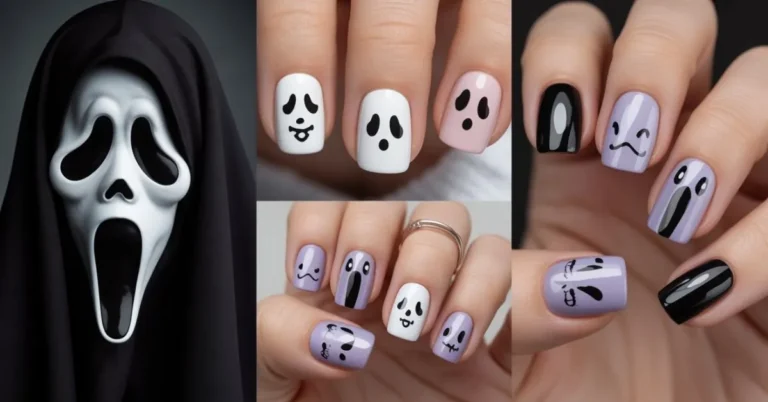
27 Simple Nails That Steal the Spotlight in 2026
Minimalism didn’t take over closets and countertops by accident; it earned its place by working harder with less. Simple nails follow the same logic. When elaborate manicures chip in three days or clash with your work wardrobe, the frustration adds up. A clean nude or soft pink, done well, often looks more polished on day ten than intricate art ever did on day two.
The mistake is assuming simple means plain. In reality, a glossy taupe, a modern French tip, or a subtle pearl shimmer can elevate your entire look without demanding weekly salon visits. In professional settings especially, understated nails signal intention and confidence, not lack of effort.
The right simple design balances longevity, versatility, and visual impact. With smart color choices and refined finishes, you get a manicure that supports your lifestyle instead of competing with it.
What Makes a Nail Design “Simple”?
Simple nails prioritize clarity, restraint, and wearability over ornate decoration. A simple design typically relies on solid colors, minimal patterns, clean lines, or subtle textures rather than 3D embellishments, complex nail art, or labor-intensive techniques. The appeal lies in sophistication through subtraction what you remove matters as much as what you keep.
The distinction between simple and boring hinges on intentionality. A plain nude base becomes sophisticated when paired with a thin metallic stripe or a matte topcoat finish. Minimalist design celebrates negative space, precision, and material quality. Simple nails work best when each element serves a purpose: the color enhances your complexion, the finish flatters your hand shape, or the subtle detail draws the eye without overwhelming it. This approach respects both your time and your aesthetic sensibility.
Why Simple Nails Dominate Professional & Everyday Settings
Complex nail art can signal creativity but sometimes reads as distracted in professional environments. Simple nails communicate intentionality, polish, and confidence qualities valued in corporate, medical, educational, and client-facing roles. Unlike intricate designs that fade unevenly or require weekly salon visits, simple nails maintain their appearance longer and age gracefully.
Beyond professional contexts, simple nails suit active lifestyles. They don’t catch on fabric, break during workouts, or require babying around cooking, cleaning, or sports. A clean, well-maintained simple manicure signals self-care without demanding constant attention. This practicality, paired with genuine aesthetic appeal, explains why simple nail designs have sustained popularity even as trend-driven nail art cycles through themes.
The Neutral Palette: Your Foundation for Every Season
Neutral nail colors form the backbone of simple, versatile manicures. Think beyond basic beige modern neutrals range from warm taupes and greige (gray-beige hybrid) to cool-toned nudes and soft pinks. The key is matching undertones to your skin: warm undertones pair beautifully with peachy nudes and warm taupes, while cool undertones shine in rosy nudes and greige shades.
A neutral base works year-round because it adapts to every outfit, season, and occasion. Pair a warm nude with autumn copper jewelry or winter blacks. Switch the same neutral base to a matte finish for minimalist drama or a glossy topcoat for classic polish. Neutral nails also create a longer, more elegant nail bed a visual advantage when you’re aiming for sophistication without color impact.
Matte vs. Glossy: The Finish That Changes Everything
The same nude polish transforms entirely based on finish. A glossy matte topcoat creates a modern, understated vibe that feels intentionally minimal perfect for contemporary, art-forward aesthetics. Matte finishes hide minor imperfections better than gloss, making them forgiving for at-home applications.
Glossy finishes, by contrast, feel classic and polished. High-shine glossy nails read as more traditional and timeless, flattering under office lighting and in formal settings. The reflective surface makes nails appear shinier and healthier, visually extending the nail bed. Neither finish is objectively superior your choice depends on your personal style and the effect you want. Many nail enthusiasts alternate between matte and glossy weekly to prevent monotony while maintaining the simple nail philosophy.
Minimalist Striping: Adding Visual Interest Without Complexity
A single thin stripe whether metallic gold, silver, or contrasting color transforms a solid base without introducing fuss. The stripe works best when placed along the nail’s edge (think side stripe or French tip variation) or as a delicate vertical line down the center. Execution matters: use a thin liner brush or nail striping pen to ensure clean, intentional lines rather than wobbly attempts that read as unfinished.
Striping appeals because it adds dimensionality without demanding multiple colors, freehand detail work, or drying time between layers. A nude base with a single gold stripe reads as intentional and curated, not basic. The stripe-and-solid approach opens creative doors: try metallics on neutrals, contrasting colors on matching bases, or subtle tone-on-tone striping for an elegant, understated look that rewards close inspection.
The French Tip Renaissance: Modern Minimalism in a Classic Form
The French manicure remains a cornerstone of simple nails because it’s inherently flattering and endlessly adaptable. The traditional white tip with nude or pale pink base elongates the nail and suits every skin tone. However, modern French tips push simplicity further: try a thicker, bolder white stripe for graphic impact; reverse the formula with a dark base and nude tip; or experiment with pastel tips (soft sage, baby blue) on neutral bases for subtle color play.
The French tip’s genius lies in its proportional balance. The white portion ideally occupying the top third of the nail creates a visual frame that flatters hand shape and makes nails appear longer. Unlike detailed nail art requiring steady hands and artistic skill, a French tip relies on clean execution rather than artistic ability. Even imperfect lines read as intentional because the format is so familiar. Gel or acrylic applications ensure longevity; a simple French manicure lasts 2–3 weeks with minimal maintenance.
Solid Colors That Actually Make a Statement
While neutrals dominate, select solid colors applied in simple, single-coat formulas deliver sophistication without elaboration. Deep burgundy, forest green, navy, and charcoal gray create visual weight and elegance on nails without pattern or texture. These jewel tones pair beautifully with professional and formal wear, reading as intentional rather than trend-dependent.
Soft pastels offer a lighter approach to solid color simplicity. A barely-there blush pink, mint green, or lavender base gives nails subtle color identity without the visual heaviness of bright shades. Pastels work particularly well in spring and summer contexts or for readers preferring understated color. The rule: choose a solid color you’ll love wearing for 2–3 weeks, because simple nails’ longevity means you’ll see this shade frequently. Commitment to color choice matters more in minimalist design than in complex nail art, where pattern or detail provides visual interest independent of base color.
Texture as Simplicity: Matte Topcoats & Velvet Finishes
Texture introduces sophistication without added design elements. A matte topcoat applied over any solid color instantly modernizes the look and adds tactile interest. The flat, non-reflective surface feels contemporary and intentional, a stylistic choice rather than an accident.
Velvet or suede finishes specialty topcoats that create a velvety texture elevate simple nails into texture-focused statement pieces. The finish catches light differently than standard polish, creating a subtle dimension that rewards close observation.
A soft blush velvet matte feels luxurious and contemporary without introducing pattern, color complexity, or multiple layers. These specialty finishes cost slightly more and require careful removal, but they justify the investment when you’re committed to simplicity with textural sophistication.
Ombré & Gradient Nails: Subtle Color Transitions
A gradient from one shade to another such as soft pink fading to nude or champagne melting into white creates visual interest through color transition rather than pattern. Ombré works best when color shifts are subtle: a barely-there gradient from nude to blush, or champagne to warm gold. Dramatic gradients (bright pink to white) read as bolder than simple nails’ typical aesthetic.
The ombré approach appeals because it feels modern and intentional without requiring freehand detail work or multiple design elements. Many nail salons offer gradient services; at home, sponging allows you to create soft transitions.
The result feels curated and sophisticated, a step beyond solid color but firmly within minimalism’s boundaries. Ombré works particularly well on medium-to-long nails where the gradient has room to fully develop; on very short nails, subtle ombré can disappear into insignificance.
Two-Tone Nails: Blocking Color for Bold Simplicity
Divide each nail into two distinct sections, perhaps nude on the bottom half, white on top, or creating a geometric split down the center and you’ve created visual drama through color blocking. The appeal: clean geometric division feels intentional and modern, not accident-prone. Two-tone nails suit minimalists drawn to color but hesitant about complex patterns.
Execution requires precision. Use painter’s tape to create clean dividing lines, or apply colored sections freehand if you’re comfortable with it. The geometric separation reads differently than a gradient; it’s bolder, more graphic, and almost architectural in feel.
Two-tone designs work beautifully on medium-to-long nails where the divided space is clearly visible; on short nails, the sections might feel cramped. This approach rewards intentionality: the colors you choose, the proportion of each section, and the cleanness of the dividing line all signal whether this was a deliberate design choice or an afterthought.
Accent Nails: One Detail, Maximum Impact
An accent nail one nail per hand featuring a subtle detail while others remain solid exemplifies simplicity through strategic emphasis. Perhaps your ring finger features a thin metallic stripe while others remain neutral, or one nail displays a geometric line while the rest stay clean and solid. This approach delivers visual interest without overwhelming your overall aesthetic.
The accent strategy works because it offers contrast without clutter. Your eye naturally lands on the accent nail, creating a focal point that makes the entire manicure feel more intentional.
One accent nail on five solid nails reads as curated minimalism; five decorated nails read as maximalism. This principle extends to nail length: if most nails are short but one is slightly longer, or if most are square but one is rounded, that single variation draws attention and adds personality. Accent nails suit people who want subtle style expression without committing to bold statements across all ten digits.
Nude Nails with a Subtle Pearl Shimmer
Pearl shimmers introduce luminosity without color intensity. A nude base coat topped with a translucent pearl shimmer creates an almost imperceptible sparkle visible only in certain light an elegant choice for minimalists who want understated glamour. The pearl effect elongates nails and adds a luxury feel without reading as obviously embellished.
This approach bridges simple and slightly elevated. From a distance, pearl shimmer nails look solid and understated; up close, they reveal gentle light-catching properties that suggest intention and care.
Pearl shimmers work beautifully in professional settings because the shimmer is refined rather than glittery or garish. They suit all seasons and occasions because pearls are inherently versatile.
The finish also helps hide minor imperfections in application, making pearl shimmer a forgiving choice for at-home nail artists or first-time manicure clients seeking visual interest with minimal execution risk.
Baby Boomer Nails: Gradient Chic for the Minimalist
A baby boomer manicure featuring a soft gradient from blush pink at the base to white or nude at the tips became trendy because it’s visually flattering and inherently simple. The gradient mimics the natural French manicure effect while softening the traditional stark white-and-pink contrast. The result feels modern, wearable, and undeniably elegant.
Baby boomer nails work because they elongate the nail bed and suit every skin tone. The subtle color transition feels sophisticated without requiring freehand art or complex technique.
Many nail salons offer this service; at home, sponging allows you to create a soft gradient. The manicure lasts 3+ weeks with minimal maintenance since the gradient-to-white transition disguises regrowth. For minimalists seeking an upgrade from solid color but hesitant about patterns or designs, baby boomer nails offer the perfect middle ground: elevated simplicity that reads as intentional and polished.
Negative Space Nails: What You Leave Out Matters
Negative space designs intentionally leave portions of the nail bare or show the natural nail beneath a sheer base, creating visual interest through absence. A thin stripe of exposed nail running down the center, or a geometric section left bare while the rest is colored, exemplifies this approach. Negative space feels modern and minimalist because it relies on proportion and clean lines rather than decoration.
This technique requires discipline and precision, the exposed portions must be intentional and clean, not rough or accidental. Negative space nails suit medium-to-long nail beds where the bare sections are clearly visible.
Short nails sometimes struggle with negative space because the proportions become difficult to balance. When executed well, negative space nails read as high-concept and intentional, appealing to minimalists who want a modern edge without color intensity or pattern complexity.
Short & Simple: Why Length Matters Less Than You Think
Simple nails look equally sophisticated on short or long nail beds the difference lies in proportion and finish. Short nails benefit from solid colors, glossy finishes, and geometric designs that read clearly despite reduced nail surface. A short nail with a French tip reads as classically elegant; short nails in soft pink or taupe feel contemporary and intentional.
Short simple nails actually reduce maintenance concerns. They’re less prone to breakage, easier to maintain between salon visits, and compatible with active lifestyles. The visual simplicity reads as purposeful rather than unfinished, especially when you prioritize cleanliness, cuticle care, and intentional color choice.
Many professionals, athletes, and busy parents choose short nails specifically for this reason: maximum polish with minimum fuss.
At-Home Application: Making Simple Nails Accessible
The beauty of simple nail designs is their accessibility for at-home application. Solid colors, French tips, and accent nails don’t require artistic skill they require patience, proper tools, and a steady hand. Invest in quality base coats, polish, and top coat; use thin, even brush strokes; and allow proper drying time between layers.
For specific techniques like striping, invest in liner brushes or striping pens that give you better control than standard polish brushes. For French tips, painter’s tape creates clean, straight lines far more reliably than freehand application. YouTube tutorials demonstrate proper technique for ombré, gradient, and negative space approaches. The key advantage of simple nails: if execution isn’t perfect, the minimalist aesthetic often disguises imperfections better than complex designs. A wobbly stripe reads as intentionally artistic; a smudged gradient reads as part of the soft, blended effect.
Seasonal Adaptations: Simple Nails Throughout the Year
Simple nails transition beautifully across seasons through color shifts rather than design overhauls. Spring invites soft pastels and light neutrals; summer works warm peachy nudes and barely-there shimmer; fall embraces deep burgundy and warm taupe; winter suits cool grays, navy, and classic nude-and-white. The design structure remains constant your simple manicure simply wears different seasonal colors.
This adaptability is simple nails’ greatest strength. You’re not reinventing your look quarterly; you’re refining it through color choice. A nail artist you trust becomes invaluable here, reliably delivering your preferred base structure in seasonal shades.
If you prefer at-home application, maintaining a small palette of seasonal polish shades (3–4 colors per season) keeps your options fresh without requiring constant purchases.
Maintenance & Longevity: Keeping Simple Nails Looking Fresh
Simple nails’ greatest advantage is their longevity. Solid colors and minimalist designs age gracefully; regrowth becomes part of the design rather than a flaw. A French manicure actually benefits from slight regrowth, which softens the tip-base transition. A solid nude or taupe hides regrowth better than bright or contrasting colors.
Maintenance requires basic discipline: avoid harsh chemicals without gloves, moisturize cuticles regularly, and touch up chips promptly. A simple manicure lasting 2–3 weeks between salon visits reduces overall cost and time commitment compared to complex designs requiring weekly maintenance.
Many simple nail enthusiasts schedule biweekly appointments for polish maintenance and monthly visits for deeper nail care, making this approach genuinely sustainable long-term.
The Psychology of Simplicity: Why Minimalist Nails Feel Luxurious
Simple nails convey intention, self-knowledge, and confidence psychological signals often associated with luxury and refinement. A woman with immaculate, uncomplicated nails suggests she knows what works and doesn’t chase trends. This perception extends to professional contexts: research suggests minimalist aesthetics correlate with competence and reliability.
The visual rest simple nails provide shouldn’t be underestimated. In a visually cluttered world, understated elegance feels refreshing and intentional. Simple nails complement rather than distract from your hands’ natural beauty, their shape, movement, and gestures. This restraint, paradoxically, feels more luxurious than ornamentation.
Common Mistakes in Simple Nail Design
The most frequent error is mistaking “simple” for “neglected.” Chipped polish, unclean cuticles, or visible nail irregularities read as careless, not minimalist. True simple nails require immaculate presentation. The polish must be flawless; cuticles must be clean and moisturized; nail edges must be even and smooth.
Another common mistake: choosing uninspired colors. A truly unflattering nude or a dull beige looks boring rather than elegant. Spend time identifying your undertone and selecting neutrals that genuinely flatter your complexion. The right neutral shade is essential to simple nails’ success.
Additionally, many people abandon simple nails after one attempt, not realizing the design’s elegance compounds over time the consistency and intentionality become the appeal. Simple nails require commitment to the concept, not just to the application.
Frequently Asked Questions
Can I wear simple nails in formal or evening settings?
Absolutely. Simple nails are often read as more elegant in formal contexts than elaborate designs. A glossy French manicure, nude with pearl shimmer, or two-tone blocking feels refined and appropriate for galas, weddings, and upscale events. The key is impeccable execution and intentional color choice.
How do simple nails compare to gel or acrylic applications?
Simple designs work across all application methods polish, gel, or acrylic. Gel offers longevity (2–3 weeks) with minimal chipping; acrylic builds structure for longer nail lengths. Gel typically suits simple designs better because the finish remains flawless longer, supporting minimalism’s emphasis on pristine presentation.
Are simple nails suitable for all professions?
Yes. Simple nails work in virtually every professional context: medical, legal, corporate, creative, educational. Unlike bold designs that might be questioned in conservative fields, simple nails signal professionalism, intentionality, and competence across all industries.
Key Takeaways
- Simple nails prioritize wearability, sophistication, and understated elegance over intricate design or elaborate embellishment.
- Neutral color palettes, thoughtful finishes (matte, glossy, shimmer), and strategic details create visual interest without complexity.
- French tips, solid colors, minimal striping, and accent nails exemplify simple designs that work in professional and casual contexts.
- Simple nails age gracefully and require less maintenance than complex designs, making them genuinely sustainable long-term.
- Immaculate presentation flawless polish, clean cuticles, even edges is essential; simple nails succeed through refined execution, not neglect.
Conclusion
Simple nails represent a design philosophy that respects your time while delivering genuine sophistication. Whether you choose a classic French tip, a neutral solid with matte finish, or a minimal accent detail, the core principle remains: intentionality matters more than elaboration.
Simple nails work in boardrooms and casual settings, suit active lifestyles and professional contexts, and age gracefully across weeks and seasons. The 27 approaches outlined here prove that simplicity and elegance aren’t limitations, they’re choices reflecting confidence and self-knowledge.
Commit to nail health, select colors that genuinely flatter you, and trust that understated design delivers the polish and presence you’re seeking.