
29 Simple Nail Designs for Beginners to Try in 2026
Scrolling past flawless nail art can make DIY manicures feel intimidating, but simple nail designs for beginners look very different in 2026. Minimal lines, soft neutrals, and tiny accents now define what’s fashionable, not complex hand-painted masterpieces. The trend has shifted toward designs that reward control and consistency over artistic talent.
The real frustration comes from believing beginner nails must look unfinished or childish. Thick layers, overcomplicated patterns, and the wrong colors turn small mistakes into obvious flaws, wasting time and polish while killing confidence. Many people quit early, assuming skill is the issue when technique is the real problem.
Beginner-friendly designs solve this by embracing forgiveness. Clean dots, subtle tape lines, and single-color statements hide imperfections while still looking intentional. With the right methods and a few household tools, polished results become repeatable, affordable, and surprisingly fast.
What Makes a Nail Design Actually Beginner-Friendly?
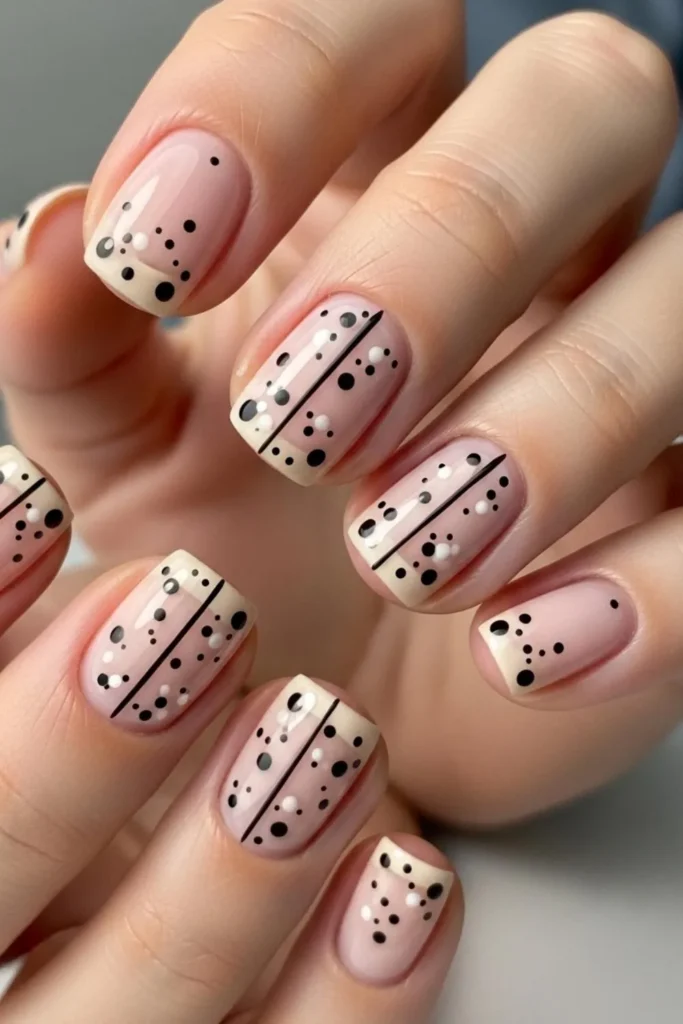
A truly beginner-friendly nail design requires minimal precision, forgives small mistakes, and uses accessible tools. The key difference between beginner designs and advanced work isn’t complexity, it’s the margin for error.
Simple designs work because imperfection looks intentional. Random polka dots become artistic variations. Slightly uneven stripes create a handmade aesthetic. This forgiveness allows you to experiment without fear of ruining the entire look. The best beginner designs also require only basic motor skills, meaning your non-dominant hand can handle them reasonably well.
Why Should Beginners Start With Household Tools Instead of Professional Kits?
Starting with household items builds essential techniques without financial commitment. A toothpick teaches dot placement and size control. A bobby pin shows you how pressure affects polish application. These tools force you to understand fundamentals rather than relying on specialized equipment.
Professional tools become valuable once you know what you need. Beginning with bobby pins and tape means you’ll recognize which professional tools actually solve problems you’re experiencing. The transition from household items to pro equipment becomes intentional rather than overwhelming, and you’ll appreciate quality differences because you understand the baseline.
How Do You Create Perfect Polka Dots Using Just a Toothpick?
Perfect polka dots require consistency in pressure and polish amount, not artistic skill. The blunt end of a toothpick creates larger dots, while the pointed end produces smaller ones.
Dip the toothpick into your accent color and immediately press it onto your nail. The first dot establishes your reference size all subsequent dots should match this. For uniform spacing, create dots in a line across your nail center first, then fill gaps using that spacing as your guide. Slight variation adds charm rather than looking like mistakes.
The technique improves through muscle memory. Your first attempt establishes the baseline. By the tenth nail, your dots will show remarkable consistency without conscious effort.
What’s the Three-Stroke Method for Smooth Polish Application?
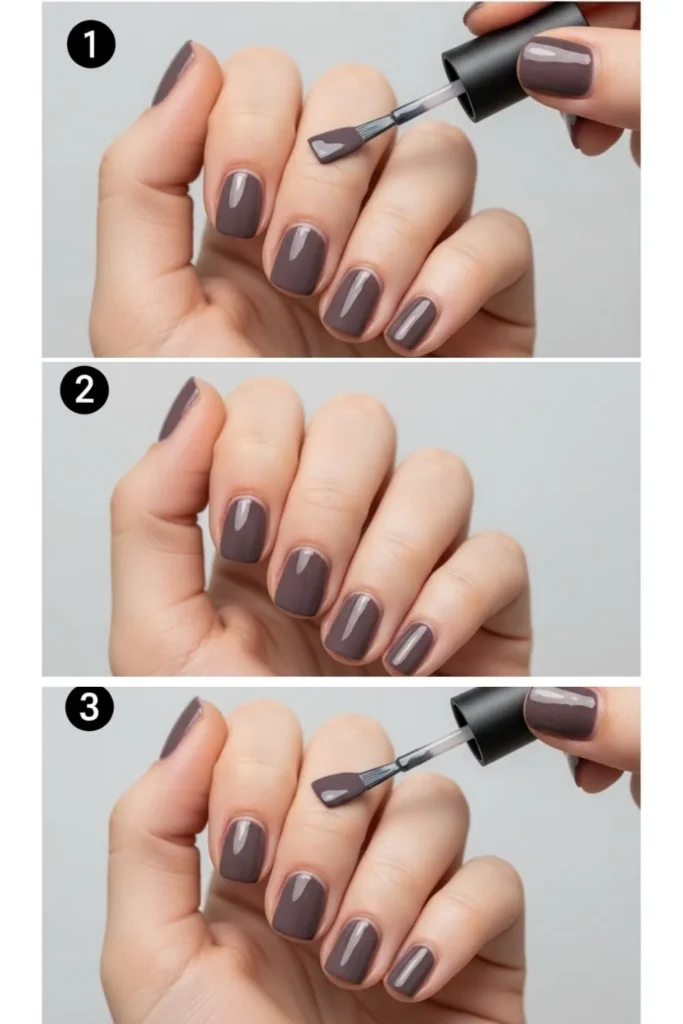
The three-stroke method eliminates streaks and ensures even coverage through systematic application. Place your first stroke down the nail center, starting just below the cuticle and pulling toward the tip. The second stroke covers the left side, the third covers the right.
This pattern works because it prevents polish overlap that creates thick spots. Each stroke carries the same amount of polish, creating uniform opacity. The key is wiping excess polish from one side of the brush before application too much polish floods cuticles, too little creates streaks.
Thin coats matter more than thick ones. Two thin applications dry faster and chip less than one thick coat. The method becomes automatic after five complete manicures.
Which Nail Shape Works Best for Beginners?
Round and squoval shapes require the least maintenance and hide mistakes better than dramatic shapes. Round nails follow your natural nail bed curve, making them nearly impossible to file incorrectly. Squoval nails square with gently rounded corners offer a modern look while remaining forgiving.
These shapes work for beginners because they don’t require precise angles or length. Filing errors don’t create obvious asymmetry. The shapes also chip less frequently because they lack sharp corners that catch on surfaces, meaning your first designs last longer without touch-ups.
How Do You Prevent Polish From Flooding Your Cuticles?
Cuticle flooding happens from excess polish on the brush and starting too close to the cuticle line. Before touching your nail, wipe one side of the brush against the bottle neck. This removes surplus polish while leaving enough for coverage.
Start your stroke approximately one millimeter from the cuticle. Press the brush slightly and push toward the cuticle without touching it, then pull toward the tip. This creates a clean gap that looks professional rather than accidental. The gap prevents polish buildup that causes lifting and peeling within days.
What Happens When You Skip Base Coat?
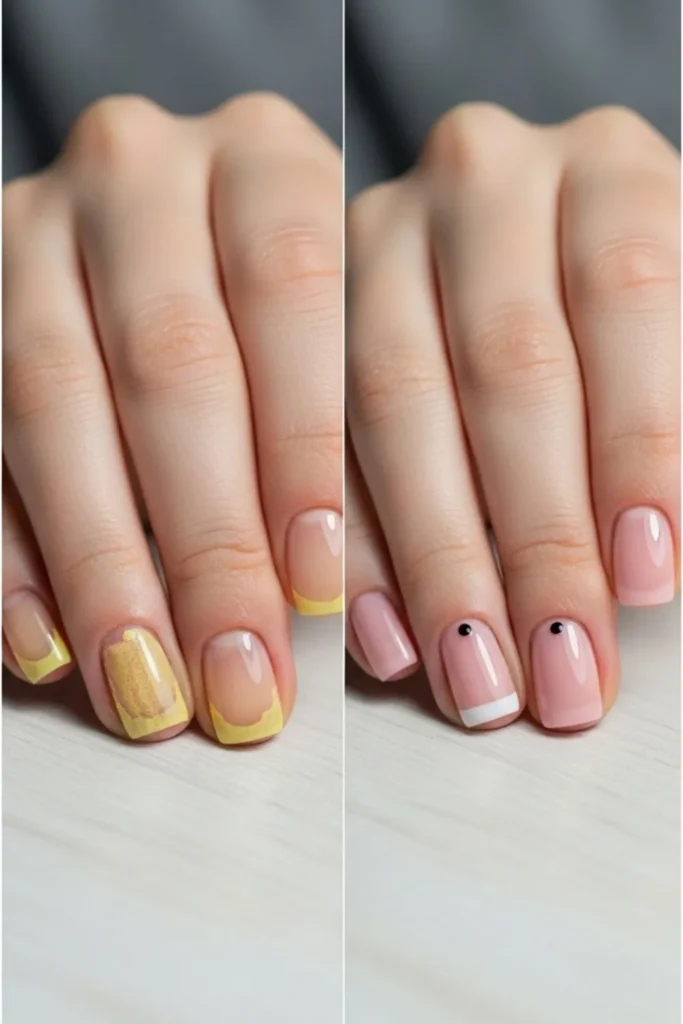
Skipping base coat invites three problems: staining, poor adhesion, and shortened wear time. Dark polishes penetrate the nail plate without protection, leaving yellow or gray discoloration that persists for weeks.
Base coat creates a smooth surface that helps color polish grip. Without it, polish chips within one to two days because it bonds to natural oils rather than a prepared surface. The five minutes spent applying base coat extends your manicure lifespan from two days to seven or more. Quality base coats also strengthen weak nails and fill minor ridges that would otherwise show through color.
How Long Should You Actually Wait Between Coats?
Wait until polish loses its initial wet shine before applying the next coat typically two to three minutes. Test readiness by lightly touching one nail with a cotton pad. If polish transfers or feels tacky, wait longer.
Rushing creates several problems. Wet layers drag and smudge when disturbed. Polish takes longer to cure when layers stack before previous coats are set. The total drying time actually increases rather than decreases by rushing. Patient application means you can use your hands normally within 20 minutes rather than babying them for an hour.
What Are the Five Easiest Designs Using Only a Toothpick?
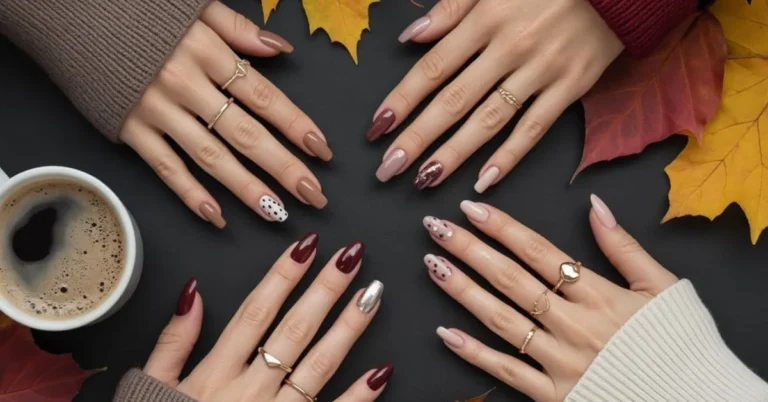
The simplest toothpick designs build on dot-making skills you’ll develop quickly. Single accent dots on each ring finger create instant sophistication choosing a metallic or shimmer shade over a neutral base for maximum impact.
Dotted necklace designs start with two dots on your nail sides to mark endpoints. Add a center dot, then fill gaps with two more dots to create a curved line mimicking jewelry. Repeat for additional rows if desired. Simple flowers require four to five dots arranged in a tight circle and add a contrasting center dot for definition.
Gradient dots fade from large to small across your nail, creating movement without complexity. Start with three large dots using the toothpick’s blunt end, then add smaller dots between them using the pointed end. Marbled effects happen by placing multiple polish colors on your nail while wet, then swirling with a toothpick tip before they dry.
Why Do Beginners Struggle Most With Their Non-Dominant Hand?
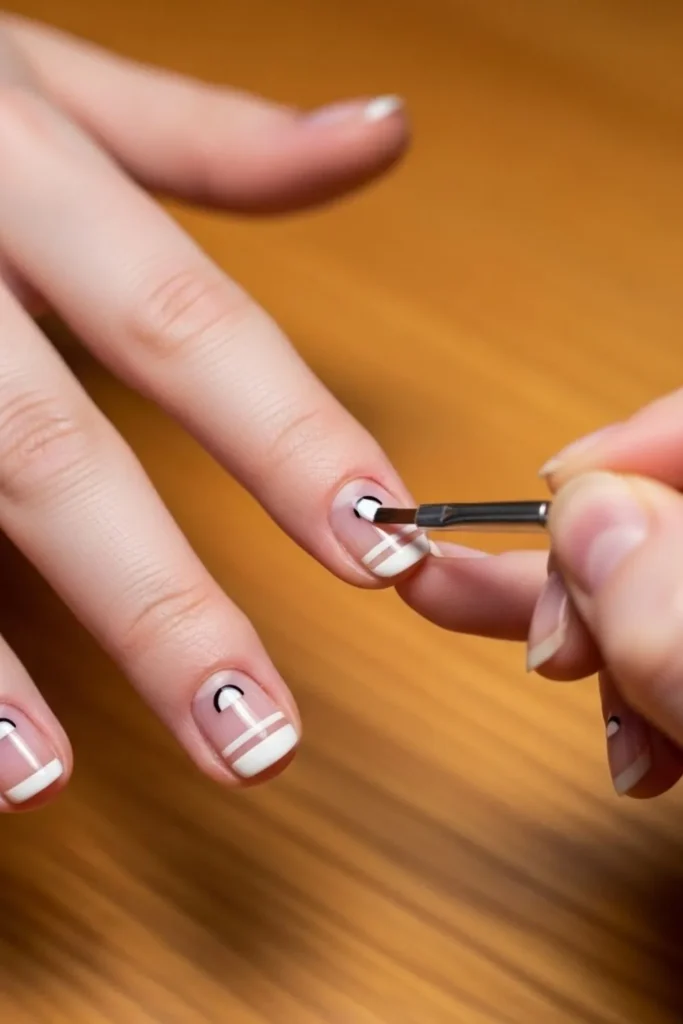
Non-dominant hand application challenges everyone because fine motor control decreases significantly. Your dominant hand has thousands of hours practicing precise movements, while your non-dominant hand lacks this training.
The solution involves stabilization rather than skill. Rest your non-dominant hand on a stable surface before starting. Use shorter strokes rather than attempting one continuous sweep. Apply thinner coats that forgive slight shakiness thick coats magnify every wobble. Alternatively, paint with your dominant hand positioned palm-up, which often feels more natural than the traditional position.
How Do You Create French Tips Without Professional Tools?
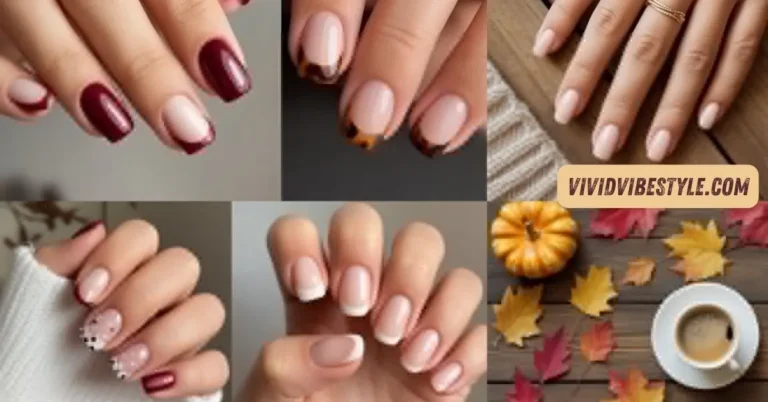
French tips work beautifully with tape as your guide. Apply your base color and let it dry completely premature taping removes underlying polish. Place a curved piece of tape across your nail tip, leaving the desired white tip area exposed.
Paint the exposed area white, then immediately remove the tape while polish remains wet. This prevents pulling and creates a clean line. For micro French tips trending in 2026, use thinner tape or position it closer to your nail edge, creating a delicate line rather than thick band.
The technique’s success depends on tape removal timing. Wait too long and polish dries, causing ragged edges when tape lifts. Remove too quickly and polish bleeds under the tape.
What’s the Difference Between Matte and Glossy Finish?
Matte finishes eliminate shine through textured top coats that scatter light. They create an elevated, modern aesthetic that disguises minor imperfections in color application. Glossy finishes reflect light uniformly, creating traditional nail polish shine.
Matte top coats transform any polish instantly, meaning you can alternate finishes using the same base color. This versatility matters for beginners because one polish collection creates multiple looks. Matte finishes also hide brush strokes better than glossy coats, making application forgiveness even greater.
Which Color Choices Hide Application Mistakes Best?
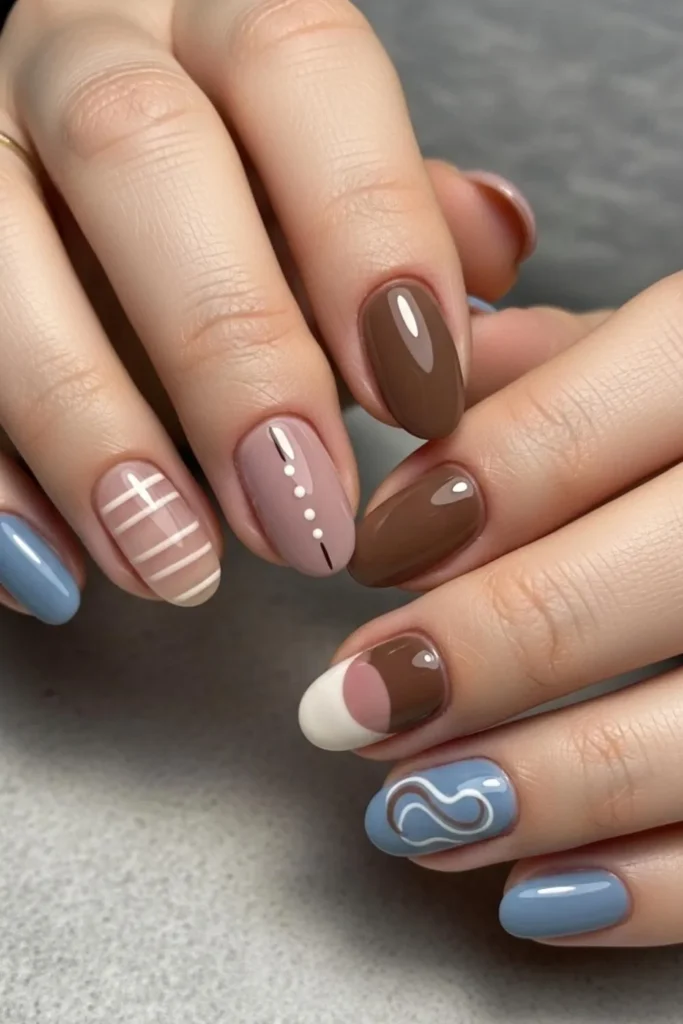
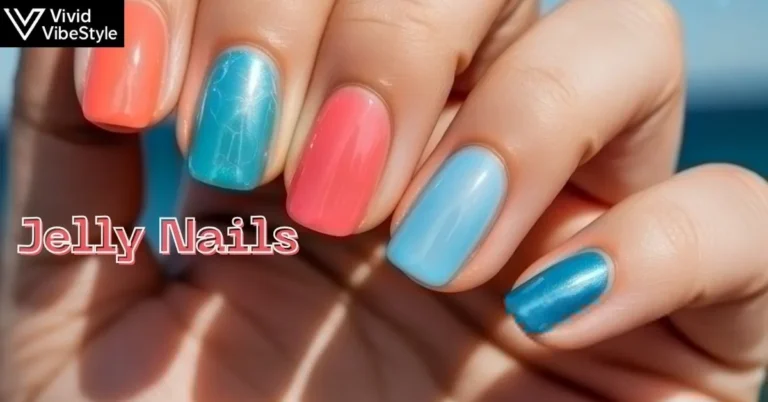
Jelly finishes and sheer polishes forgive imperfect application because their translucent quality blurs streaks and uneven coverage. Build opacity gradually over two to three thin coats rather than achieving full coverage in one pass.
Medium-toned colors in the mauve, terracotta, and dusty blue family hide mistakes better than stark choices. Very light polishes show every streak; very dark polishes display every gap. Colors with shimmer or metallic particles scatter light, concealing minor application errors that would show in cream formulas.
How Do You Fix Mistakes Without Removing Entire Manicure?
Minor mistakes fix easily with targeted removal. Dip a small brush or cotton swab in nail polish remover and carefully clean the error area. This precision cleanup works for cuticle floods, sidewall polish, and small smudges.
For mistakes within the design itself, let everything dry completely before attempting fixes. Add a strategic dot, line, or accent that incorporates the error into the design rather than fighting it. Sometimes mistakes become the most interesting element of your final look; unplanned asymmetry often reads as intentional artistic choice.
What’s the Mocha Brown Single-Color Trend in 2026?
Pantone’s 2026 influence brings mocha brown, a warm, chocolate-toned neutral into mainstream nail fashion. The beauty of this trend for beginners is its simplicity: perfect application of one sophisticated color creates an on-trend look without requiring design skills.
Apply two thin coats of mocha brown and finish with a glossy top coat. The color works across all skin tones and nail lengths, looking polished for professional settings while remaining stylish for casual wear. This exemplifies how color choice alone can make nails feel current without complex techniques.
How Do Tape Designs Work for Geometric Patterns?
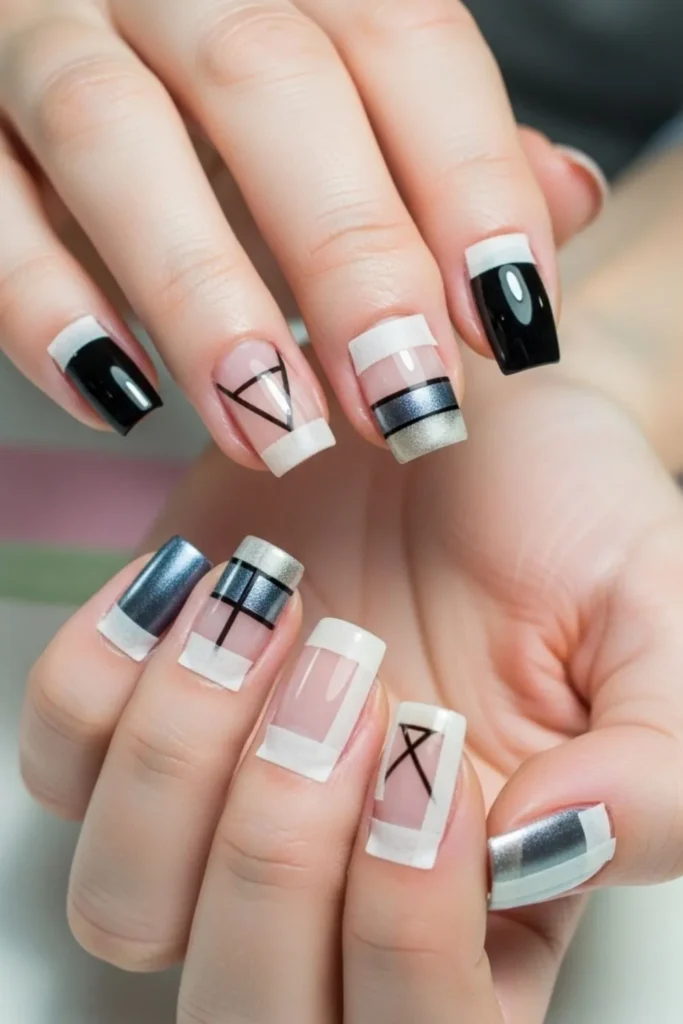
Tape creates clean geometric lines by masking areas you want to keep in the base color. Apply and dry your base color completely. Place tape strips in your desired pattern diagonal, chevron, or blocking patterns all work well.
Paint over the entire nail with your accent color, then remove tape immediately while polish stays wet. The base color shows through where tape was placed, creating sharp lines impossible to achieve freehand. Imperfections in the tape pattern actually enhance the artistic quality rather than detracting from it.
What Causes Chips Within 24 Hours?
Rapid chipping stems from several preparation failures. Skipping base coat means polish lacks adhesion. Applying thick coats prevents proper curing, leaving surface dry while underneath remains soft. Failing to cap the free edge running polish across your nail tip allows water and impacts to lift polish.
Polish applied to oily nails chips immediately because it bonds to oil rather than keratin. Always cleanse nails with rubbing alcohol or soap before starting your manicure. Water exposure within two hours of application also causes premature failure as polish hasn’t fully hardened.
How Do You Create Chrome Effect Without Chrome Powder?
True chrome requires powder and gel systems, but beginners can achieve similar metallic shine using chrome-finish polishes available at drugstores. These polishes contain metallic particles that create reflective surfaces when applied correctly.
The key is smooth, even application. Chrome polishes magnify every imperfection, so nail preparation becomes crucial. Buff nails smooth before applying base coat. Use thin chrome polish coats thick application creates streaks and uneven reflection. Two to three thin layers build opacity while maintaining the smooth finish necessary for chrome effect.
What’s the Square-With-Rounded-Corners Shape?
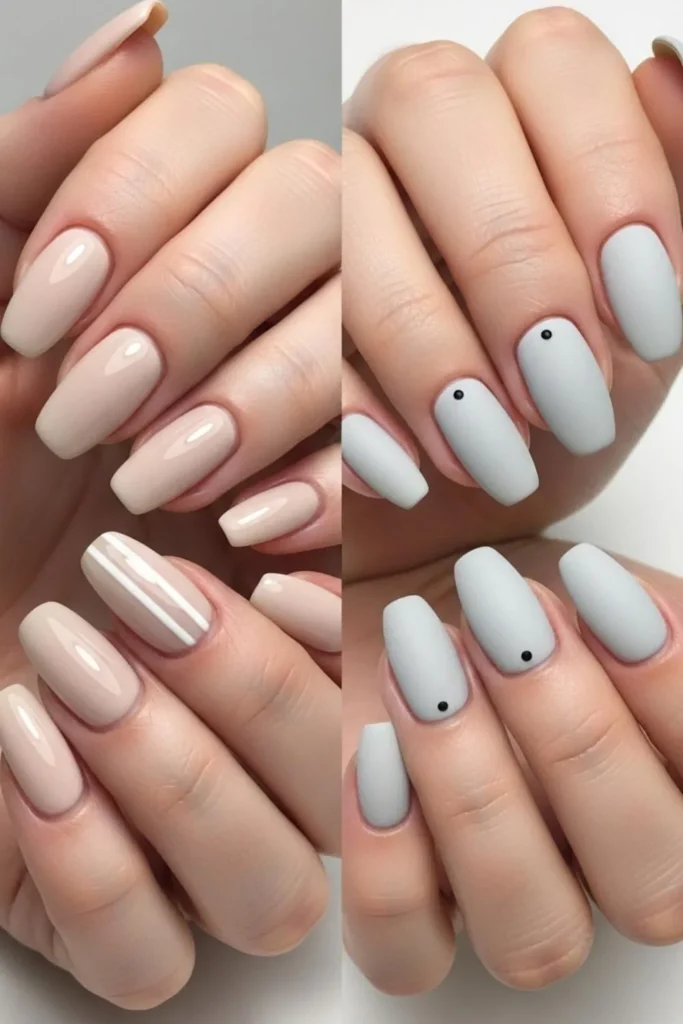
Squoval shape combines square nail edges with rounded corners, creating a modern silhouette that remains practical. File nails straight across to create the square tip, then gently round each corner with 45-degree angle strokes.
This shape works for beginners because it’s very forgiving. Slight variations in corner rounding don’t create obvious problems. The shape grows out evenly without developing sharp points, meaning maintenance requires minimal filing between manicures. For 2026, squoval represents a shift away from long almond shapes toward shorter, more wearable styles.
How Do You Make Striping Tape Designs?
Striping tape differs from regular tape by staying on nails as part of the design. Apply base color and let dry completely. Place striping tape in your desired pattern straight lines, X patterns, or geometric divisions all work.
Seal tape with clear top coat, ensuring edges are completely covered to prevent lifting. Striping tape comes in metallic colors, creating instant elevated looks without painting skills. The technique requires patience during tape application but creates professional results immediately.
What’s the Glass Nail Trend?
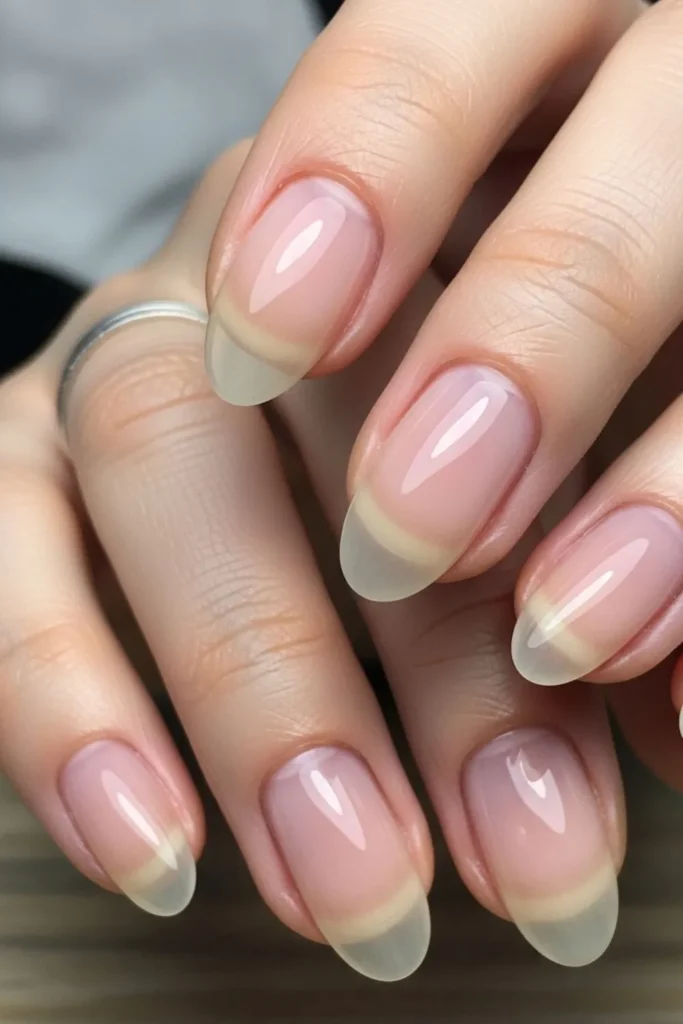
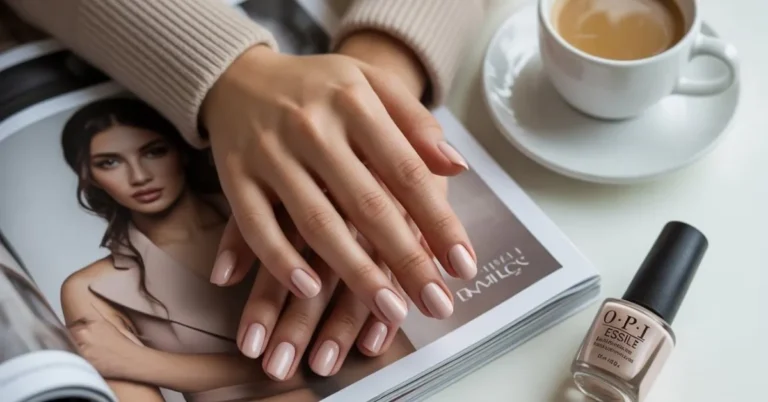
Glass nails achieve a high-shine, transparent effect through sheer neutral polish and multiple clear coat layers. Choose a polish close to your natural nail color, creating barely-there coverage.
Apply two coats of the sheer polish, then add three to four layers of high-quality glossy top coat, allowing each layer to dry completely. The multiple clear coats create depth and exceptional shine that resembles glass or jelly. This trend forgives application imperfections because the sheer base doesn’t show streaks clearly.
How Long Does a Beginner Manicure Actually Last?
Properly executed beginner manicures last five to seven days before showing significant chips. This duration matches salon manicures using traditional polish, proving that technique matters more than location.
Longevity depends on three factors: preparation quality, thin coat application, and top coat sealing. Beginners who master these fundamentals achieve wear time comparable to professionals. Lifestyle impacts duration, frequent handwashing, cleaning, and typing shorten wear regardless of application quality.
What Should Your First Nail Art Supplies Include?
Start with a quality base coat, two to three colors you love, a good top coat, and household tools. A fine-grit nail file, cuticle pusher, and nail clippers handle preparation. Bobby pins and toothpicks serve as dotting tools.
This minimal kit costs roughly 30 dollars but creates dozens of design possibilities. Expand your collection based on what you actually use and enjoy rather than buying comprehensive kits upfront. Notice which techniques you gravitate toward, then invest in specific tools that enhance those methods.
How Do Sticker and Decal Applications Work?
Nail stickers require minimal skill while delivering professional-looking results. Apply base color and let it dry completely. Use tweezers to position stickers precisely; fingers leave oil that prevents adhesion.
Press stickers firmly, ensuring all edges make contact with polish. Seal immediately with top coat, covering the entire sticker and slightly overlapping onto surrounding polish. This prevents edges from lifting during wear. Stickers work perfectly for detailed designs beginners can’t paint freehand yet.
What’s the Dotted Necklace Design Technique?
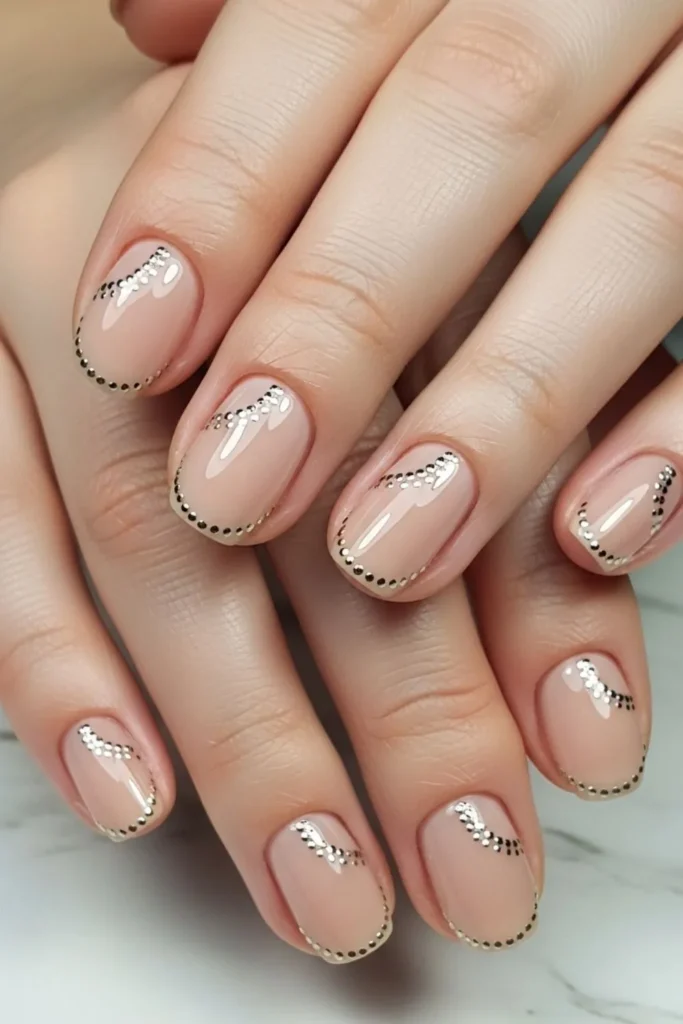
Dotted necklace designs create the illusion of delicate jewelry draped across your nails. Start by placing two dots on opposite sides of your nail base, roughly where a necklace would sit.
Add a dot in the center between them, creating a three-point arc. Fill in gaps with two more dots, following the curved line. This creates one strand. Add additional strands by repeating the process slightly below the first line. The design looks sophisticated but uses only basic dot-making skills you’ll develop in minutes.
How Do You Remove Gel Polish Without Damaging Nails?
Never peel gel polish this removes layers of your nail plate, causing weakness and peeling. Soak cotton pads in pure acetone and place them on each nail. Wrap fingertips in foil to hold pads in place and enhance acetone penetration.
Wait 10 to 15 minutes, then gently push softened gel toward the tip using a wooden cuticle pusher. Gel should slide off easily if it resists, soak longer rather than forcing removal. Finish by buffing away any remaining residue and immediately applying cuticle oil to restore moisture acetone removed.
What Are the Most Common Beginner Mistakes?
The biggest beginner mistake is applying polish too thickly. Thick coats take exponentially longer to dry and chip within hours. Always choose thin applications, even if this means extra coats for opacity.
Skipping proper prep causes most failures. Oil, dirt, and old polish prevent new polish from adhering correctly. Five minutes of preparation saves hours of premature touch-ups. Finally, beginners often rush drying time, smudging fresh manicures by using hands too soon. Patience during the final 20 minutes determines whether your manicure lasts one day or seven.
Frequently Asked Questions
What are the easiest nail designs for beginners in 2026?
The easiest nail designs for beginners in 2026 include polka dots, one-nail accents, simple stripes, solid neutral colors, and micro French tips. These styles require minimal tools and still look trendy and salon-quality.
Do beginners need professional nail art tools to start?
No, beginners can create simple nail designs using household items like toothpicks, bobby pins, and tape. These tools are perfect for learning basic techniques without spending money on professional kits.
What nail colors hide mistakes best for beginners?
Sheer, jelly, and medium-tone colors like mauve, mocha brown, and dusty blue hide streaks and uneven coats best. These shades make beginner nail designs look cleaner and more professional.
How long should beginners wait between nail polish coats?
Beginners should wait about 2 to 3 minutes between coats, or until the polish loses its wet shine. This prevents smudging and helps the manicure last longer.
What nail shape is best for beginners?
Round and squoval nail shapes are best for beginners because they are easy to file and don’t show mistakes. They also chip less, making simple nail designs last longer.
Quick Recap
- Beginner nail designs in 2026 rely on simple tools (toothpicks, tape) and basic methods like the three-stroke polish technique for even coverage.
- Base coat, thin layers, short drying waits (about 2–3 minutes between coats), and capping the nail edge help extend wear and reduce chipping.
- Tape guides improve French tips, and removing the tape while polish is still wet keeps lines clean.
- Jelly finishes and medium-toned colors hide small mistakes better than very light or dark shades.
- Squoval nail shapes offer a modern look with low maintenance and minimal filing needs.
Conclusion
Simple nail designs for beginners have never been more accessible or fashionable than in 2026. The shift toward minimalism means your first attempts align perfectly with current trends rather than fighting against them. Every design in this guide builds on fundamental techniques that improve rapidly through practice.
Start with whichever design appeals most to you visually. Choose one technique, master it over three manicures, then add another skill. This progression builds confidence while creating consistently wearable results. Your tenth attempt will surprise you with its quality compared to your first, that’s the learning curve working in your favor.
The supplies required cost less than two salon visits while providing unlimited practice opportunities. Each completed design teaches lessons that transfer to the next, creating rapid skill development that feels rewarding rather than frustrating.