
53 Simple Everyday Nails That Work for Any Occasion in 2026
Complicated nail art looks stunning on social feeds, but it rarely survives real life. Between typing, errands, and constant handwashing, simple everyday nails are what actually keep hands looking polished without demanding attention or repairs.
Most people assume “simple” means boring or unfinished. That mistake leads to chipped polish, awkward lengths, and designs that feel wrong the moment you leave the salon. A glossy nude that shows wear in two days or a trendy shape that snags on everything defeats the point.
Everyday nails work because they’re intentional. Think neutral tones that hide wear, shapes that resist breakage, and finishes that age gracefully. Done right, they look clean on day one and still put-together a week later.
What Makes a Nail Design Actually “Everyday” Wearable?

A truly everyday nail design stays intact for 7-10 days, looks appropriate in professional settings, and doesn’t restrict your daily activities. The key difference between everyday nails and statement nails is practicality, everyday styles use durable finishes like gel or hard gel polish, avoid overly long lengths that catch on keyboards or zippers, and stick to colors that don’t show chips obviously.
Length matters more than most people realize. Nails trimmed to just past the fingertip or kept at a short square or rounded shape prevent snagging and breakage during routine tasks like opening cans or typing. Unlike stiletto or coffin shapes that look striking but break easily, everyday shapes like squoval, round, or short almond distribute pressure evenly across the nail.
How Do Neutral Tones Create Versatile Everyday Looks?
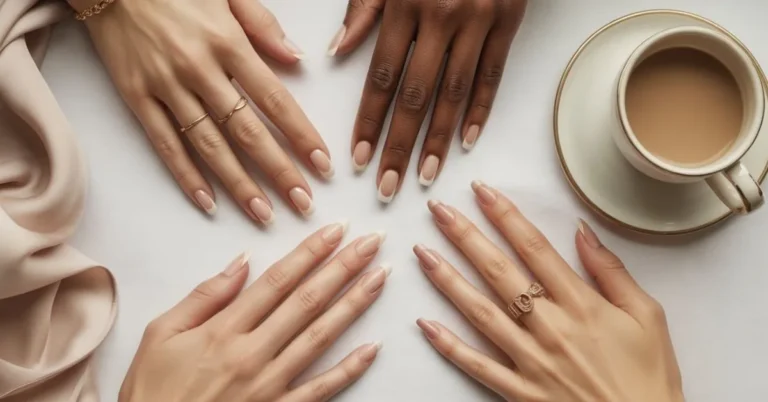
Neutral shades work for everyday wear because they complement any outfit, hide minor chips better than bold colors, and maintain a polished appearance even as they grow out. Beiges, soft taupes, and creamy nudes create a clean canvas that doesn’t compete with patterned clothing or statement jewelry.
The trick is matching the neutral to your skin’s undertone. Cool-toned skin looks best with pink-based nudes and greige shades, while warm undertones pair beautifully with peachy beiges and caramel tones. A perfectly matched neutral appears like a natural extension of your hand rather than an obvious polish choice, making it ideal for conservative workplaces or minimalist aesthetics.
Why Does a Classic French Manicure Still Dominate Everyday Styles?
The French manicure remains popular because it visually elongates fingers, works with any length, and looks intentional even with minor tip wear. Modern versions swap stark white tips for softer shades like cream, nude pink, or barely-there beige, creating a more forgiving finish that doesn’t scream “chipped” the moment the edge wears down.
What makes the French truly everyday-friendly is its grow-out grace. Unlike full-coverage colors that show a harsh line at the cuticle after a week, the French’s natural base blends with new growth. This works best when the smile line sits slightly lower than the traditional placement, creating a subtler effect that extends wearability by several days.
When Should You Choose Sheer Pink Over Full-Coverage Color?
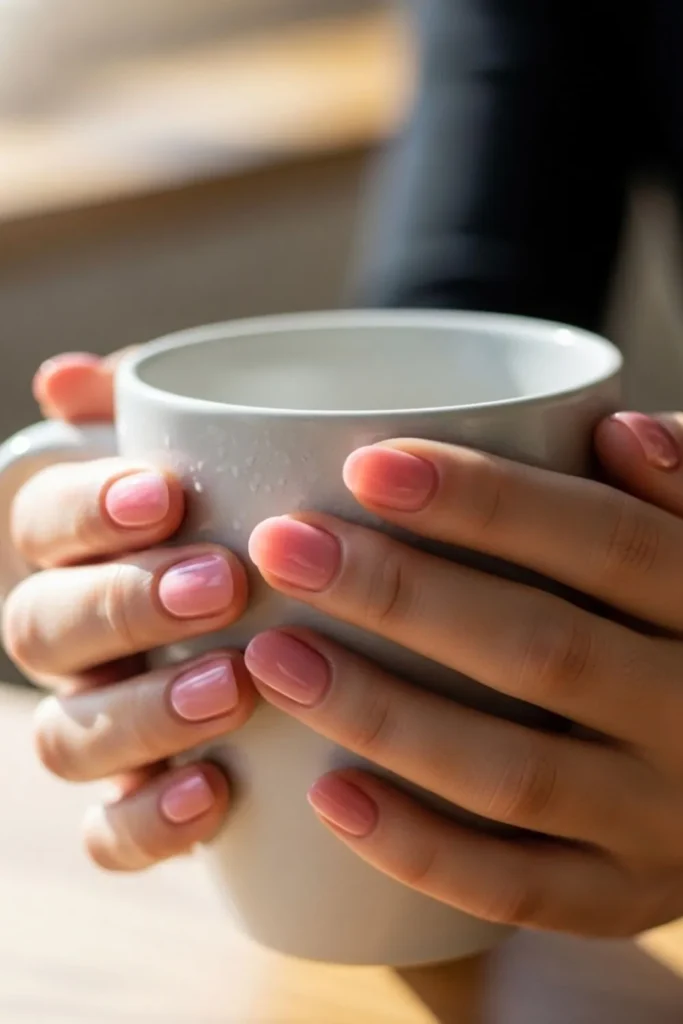
Sheer pink works best when you want barely-there polish that hides ridges and imperfections without looking obviously painted. Unlike full-coverage colors that show every chip, sheer formulas fade gracefully and can be refreshed with a single coat mid-week without looking bulky.
This style excels in situations where you need understated elegance think client meetings, interviews, or events where attention should stay on your work rather than your nails. Sheer pink also prevents the “I forgot to remove my polish” look during grow-out, since the translucent finish blends naturally with your nail bed. It fails when your nails have significant discoloration or staining that needs full coverage to conceal.
How Do Matte Finishes Change the Vibe of Simple Nails?
Matte topcoats transform glossy polish into a modern, velvety finish that reads more editorial and intentional. The absence of shine creates visual softness that works particularly well with muted tones like dusty rose, slate gray, or soft terracotta colors that can look flat in glossy form but gain depth when matte.
Matte finishes show fingerprints and oils more obviously than glossy formulas, requiring quick wipes with a clean cloth throughout the day. They chip less noticeably than glossy polish because the texture camouflages small edge imperfections.
This works best when you want a contemporary take on neutrals but fails in humid climates where matte finishes can appear streaky or uneven after a few days.
What Role Does Nail Shape Play in Everyday Functionality?
Short squoval nails, a hybrid of square and oval, provide the best everyday functionality because they resist breakage while maintaining a modern silhouette. The slightly rounded edges prevent snagging on fabric and hair, unlike sharp square corners that catch easily. Round nails offer maximum durability but can appear dated, while short almond shapes balance elegance with practicality.
Long shapes like stiletto or coffin limit daily tasks. They make typing awkward, opening soda cans nearly impossible, and constantly risk breakage during routine activities.
For true everyday wear, keep length to 2-3mm past the fingertip, regardless of shape. This length allows for polish longevity without compromising function.
Why Do Single Accent Nails Work Better Than Full Nail Art?
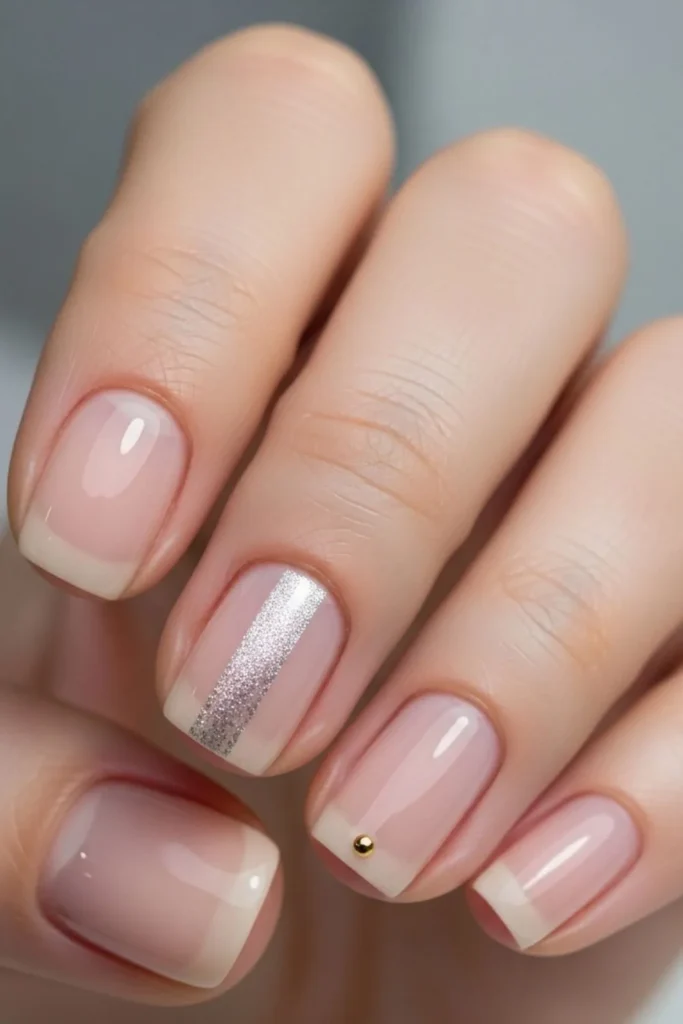
A single accent nail on the ring finger creates visual interest without overwhelming a simple manicure, making it appropriate for workplaces that permit subtle personal style. Unlike full nail art that requires time-consuming application and careful maintenance, one accent nail takes minutes to execute and can be changed independently without redoing the entire set.
The ring finger works best because it’s visible when gesturing but not as prominent as the pointer or middle finger. Accent options include a thin metallic stripe, single rhinestone at the cuticle, or contrasting neutral shade one tone deeper than the base color. This approach works when you want personality without sacrificing professionalism but fails when workplace dress codes prohibit any decorative elements.
How Does a Glossy Topcoat Extend Everyday Nail Longevity?
High-quality glossy topcoats seal polish edges and create a protective barrier against chips, extending wear from 5-7 days to 10-14 days when applied correctly. The key is wrapping the free edge brushing topcoat over the nail tip in addition to the surface which prevents water and impact from lifting polish at the most vulnerable point.
Reapplying topcoat every 2-3 days refreshes shine and reinforces weak spots before they become full chips. This maintenance step takes 30 seconds per hand and dramatically improves longevity compared to leaving the original topcoat untouched. Glossy finishes also make hands appear more groomed and intentional, even when polish is several days old.
What Makes Nude Nails More Complex Than They Appear?
Finding the right nude requires testing 3-4 shades in natural light because what looks perfect in the bottle often appears chalky, orange, or gray once applied. The best everyday nudes have a slight pink or peach undertone that adds warmth without reading as obviously colored they should look like your natural nail but better.
Application matters enormously with nudes. Sheer formulas need 2-3 thin coats to avoid streaking, while opaque nudes must be applied carefully to prevent visible brushstrokes. Nudes also expose poor nail prep any ridges, staining, or uneven surfaces show through neutral polish, making base coats and light buffing essential prep steps.
When Do Soft Grays Outperform Traditional Neutrals?
Soft gray polishes work better than beige in cooler months and pair beautifully with silver jewelry, creating a modern alternative to traditional nudes. Gray reads as more intentional and fashion-forward than basic beige, but it requires careful shade selection too dark appears Gothic, while too light looks dingy.
The sweet spot is a greige (gray-beige hybrid) or a gray with subtle warm undertones that prevent the color from pulling too cool. Gray also shows less discoloration from curries, berries, and other staining foods compared to lighter nudes, making it surprisingly practical for everyday wear. This works best for cool-toned skin but can appear ashy on warm or deep skin tones without proper undertone matching.
How Do Thin Metallic Lines Add Dimension Without Overwhelm?
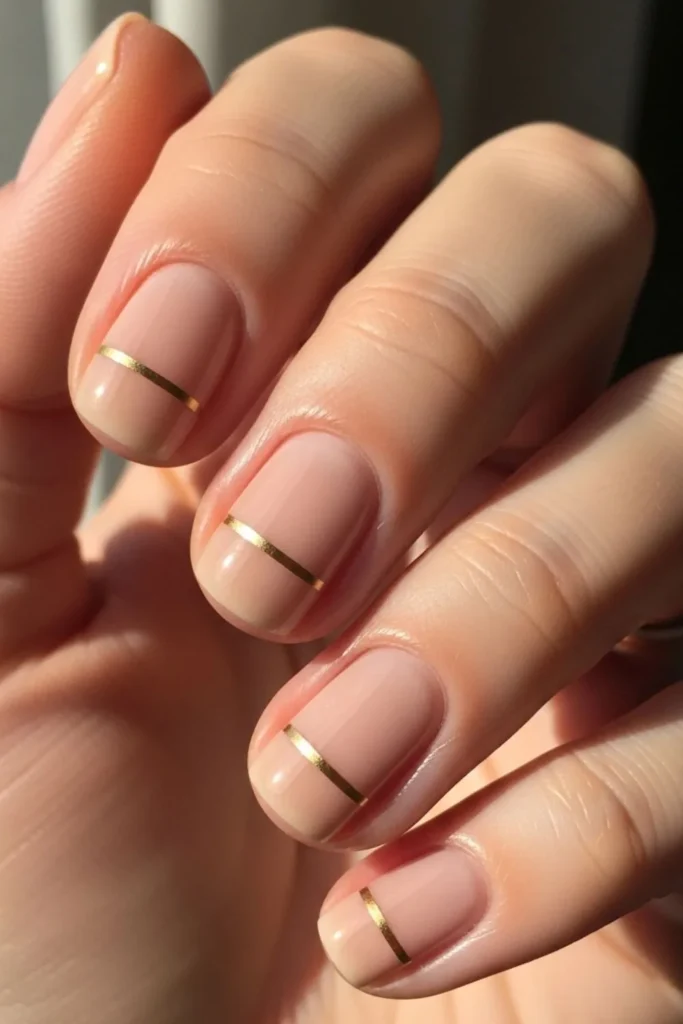
A single thin gold or silver line along the nail bed or as a diagonal accent creates subtle dimension that catches light without dominating the design. Unlike full metallic nails that can appear costume-like in daylight, a 1mm metallic stripe adds just enough visual interest to elevate a nude or neutral base.
Placement matters a vertical line down the center elongates shorter nails, while a diagonal from corner to corner creates movement. Metallic striping tape works better than hand-painting because it creates crisp, even lines that look professional. This technique works when you want understated glam but fails when applied too thickly or with multiple lines that compete for attention.
Why Is Gel Polish the Go-To for Everyday Durability?
Gel polish lasts 14-21 days without chipping because it cures under UV light, creating a hardened finish that bonds to the natural nail. Unlike regular polish that air-dries and remains somewhat porous, gel forms an impermeable layer that resists water, oils, and impact from daily activities.
The downside is removal improper peeling damages the nail bed, requiring acetone soaking and gentle scraping. For true everyday wear, gel works best when professionally applied and removed, though at-home kits have improved significantly. Gel also prevents weak nails from peeling or breaking, acting as a protective shield during activities that would normally cause damage.
What Makes Short Almond Nails More Wearable Than Long?
Short almond nails taper to a soft point that flatters wide nail beds without sacrificing durability. Unlike long almond nails that break easily and catch on everything, short versions (2-3mm past the fingertip) provide an elegant silhouette while maintaining everyday functionality.
This shape particularly suits those with narrow nail beds because it creates the illusion of width through its tapered sides. Short almond nails also allow for easy typing and phone use the slight point doesn’t interfere with touchscreens the way square corners can. The shape requires regular filing to maintain the taper, making it slightly higher maintenance than round or squoval shapes.
How Do Sheer Whites Create a Clean, Modern Aesthetic?
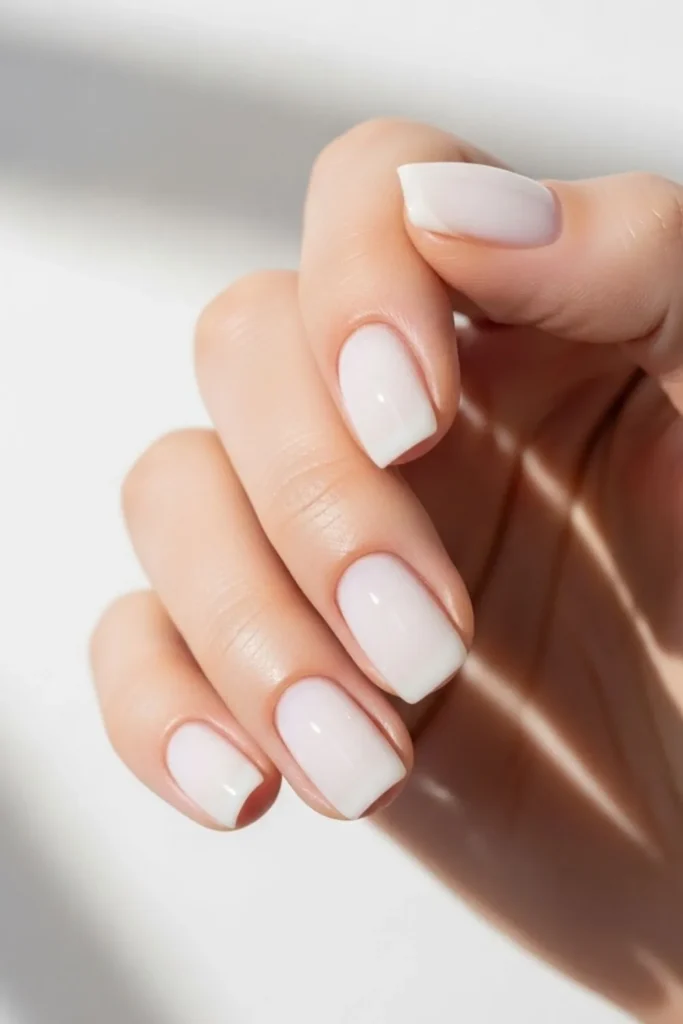
Sheer white polish often called “milky white” provides coverage that’s more opaque than sheer pink but less stark than pure white, creating a clean, modern look that works year-round. The slight translucency prevents the harsh contrast of traditional white tips while still brightening the nail bed.
This finish works particularly well on shorter nails where pure white can overwhelm the nail plate. Milky white requires 2-3 coats for even opacity and pairs beautifully with minimal accent nails or simple nail art. It fails in situations requiring very conservative polish choices, as the white can still read as decorative rather than neutral in extremely formal settings.
When Should You Layer Sheer Colors Instead of Opaque?
Layering two sheer colors creates custom depth that can’t be achieved with single opaque shades, allowing you to adjust intensity based on coat number. A sheer pink base topped with sheer lavender creates a unique mauve that shifts in different lighting, adding subtle interest to what appears as a simple neutral.
This technique works best with colors in the same tonal family cool tones with cool tones, warm with warm. The key is applying thin coats and building gradually rather than flooding the nail, which causes pooling and uneven color. Layering fails when you need quick application or consistent results across multiple manicures, as replicating the exact ratio becomes difficult.
What Makes Taupe Polish Unexpectedly Versatile?
Taupe a gray-brown hybrid serves as a true neutral that works with both silver and gold jewelry, cool and warm clothing tones, and professional or casual settings. Unlike beige that leans warm or gray that leans cool, taupe sits in the middle, making it possibly the most versatile everyday shade.
The best taupes have a slight mauve or mushroom undertone that prevents them from appearing muddy. Taupe also hides minor imperfections better than lighter nudes while remaining subtle enough for conservative environments. It photographs beautifully, appearing polished without drawing focus in images important for those who work in client-facing or camera-heavy roles.
How Do Negative Space Designs Stay Office-Appropriate?

Negative space manicures leave portions of the natural nail exposed, creating geometric or minimalist patterns that add interest while maintaining an overall clean appearance. Unlike full nail art, the exposed nail areas keep the design grounded and appropriate for professional settings.
Simple negative space designs include a single diagonal line of color across clear nails, half-moon manicures with exposed lunulae, or vertical stripes alternating between nude polish and bare nail. These work when executed with precision messy edges or uneven spacing makes the design appear unfinished rather than intentional. The technique fails on stained or ridged nails where the natural nail doesn’t provide a clean canvas.
Why Do Cream Finishes Look More Expensive Than Frost?
Cream finishes have a smooth, saturated appearance without shimmer or metallic particles, creating a high-end look that reads as more intentional than frosty formulas. Frosty polishes contain micro-glitter that can appear dated or cheap, especially in natural light where the shimmer becomes obvious.
Cream formulas also apply more evenly and show fewer brushstrokes compared to shimmery alternatives. When selecting everyday neutrals, cream finishes in beige, taupe, or soft pink provide the most polished appearance. The exception is deliberate metallic or chrome finishes, which have made a contemporary comeback but require careful application to avoid looking costume-like.
What Role Does Cuticle Care Play in Simple Nail Appearance?
Well-maintained cuticles make simple nails look exponentially more polished because they create a clean frame around the nail bed. Overgrown or ragged cuticles distract from even the most beautiful polish color, while neatly pushed-back cuticles allow the full nail to show.
The key is gentle, consistent care pushing cuticles back after showering when they’re soft, applying cuticle oil nightly, and avoiding aggressive cutting that causes splits and hangnails. Simple nails depend on this frame because there’s no elaborate art to distract from poor nail bed maintenance. A clear base coat on bare, well-groomed nails often looks better than colored polish on neglected cuticles.
How Do Soft Pinks Differ from Nude in Daily Wear?
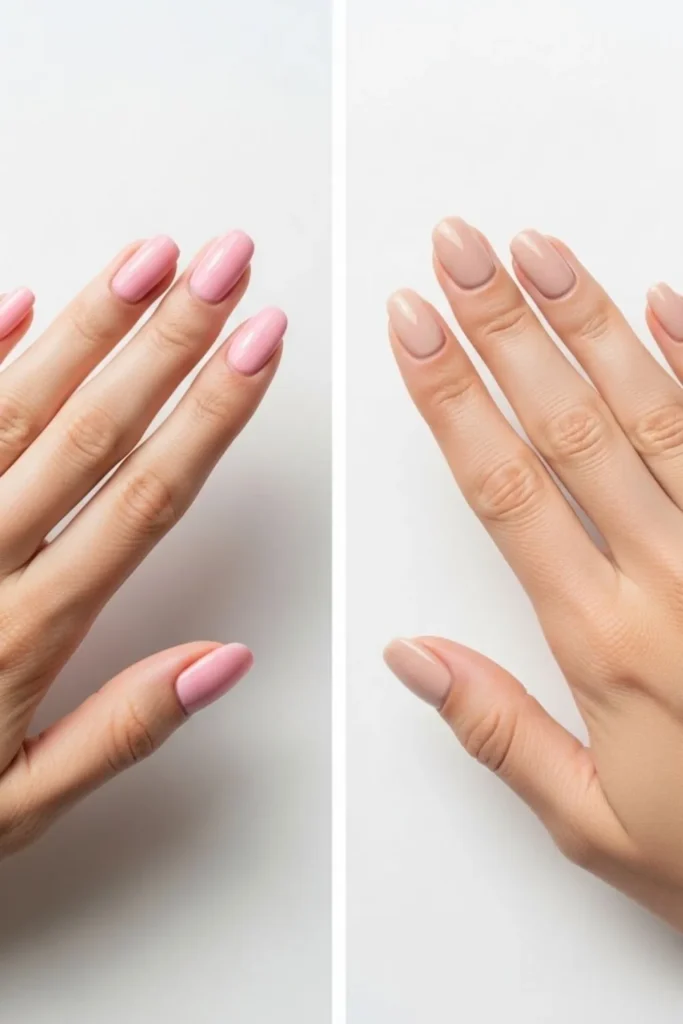
Soft pinks contain more visible color pigment than nudes, creating a deliberately polished look rather than a barely-there finish. While nudes aim to mimic the natural nail, soft pinks add a touch of femininity that’s still appropriate for professional settings but reads as more “done.”
The distinction matters when choosing between looking naturally polished versus intentionally groomed. Soft pinks work better for events or situations where you want your nails noticed as a grooming choice, while nudes work when you want polish to fade into the background. Pinks also complement cool skin tones more effectively than warm-based nudes.
When Do Rounded Nails Prevent Breakage Better Than Square?
Rounded nails distribute pressure evenly across the free edge, preventing the stress points that cause square-cornered nails to crack at the sides. The curved shape follows the natural contour of the fingertip, reducing the likelihood of catching on fabric or hair.
This shape particularly benefits those with thin or naturally weak nails that break easily. The tradeoff is a less modern appearance rounded nails can look dated compared to squoval or short almond shapes. For maximum everyday durability, especially during activities like gardening, cleaning, or frequent handwashing, rounded nails outperform all other shapes in longevity.
What Makes Beige Polish More Forgiving Than Pure Nude?
Beige contains more pigment than nude, creating better coverage that requires fewer coats and hides nail imperfections more effectively. While nudes aim for translucence, beige provides opacity that conceals staining, ridges, and discoloration from previous polish colors.
The additional pigment also means beige shows chips less obviously than sheer nudes when the edge wears down, the color doesn’t create as stark a contrast with the natural nail. Beige works particularly well for those who extend time between manicures, as it maintains a polished appearance during grow-out better than either bold colors or ultra-sheer nudes.
How Do You Balance Nail Length with Keyboard-Heavy Work?

Optimal typing length sits at 1-2mm past the fingertip, allowing nails to be visible without producing the clicking sound of long nails on keys. This length prevents the nail tip from making first contact with keyboard keys, which causes both typing errors and increased chip risk.
Shape matters as much as length for keyboard work squoval or rounded edges prevent side-corner catching, while square nails catch on the spaces between keys. Those who type extensively should file nails every 4-5 days to maintain this functional length, as even 2-3mm of growth can shift nails into the disruptive range.
Why Do Some Neutral Polishes Stain Nails Yellow?
Darker neutral polishes particularly deep nudes, taupes, and grays contain pigments that penetrate the porous nail plate when applied without a base coat, causing yellow or gray staining. Red and brown pigments are particularly problematic, as they’re small enough to seep into nail layers.
Prevention requires a quality base coat applied in two thin layers before color. Once staining occurs, it typically takes 6-8 weeks of growth to completely remove, though daily lemon juice soaks or whitening toothpaste scrubs can lighten discoloration. For everyday wear with darker neutrals, base coat becomes non-negotiable rather than optional.
What Makes Glossy Better Than Matte for Professional Settings?
Glossy finishes reflect light and create the polished, groomed appearance traditionally associated with professional dress codes. Matte finishes, while fashionable, can read as trendy or deliberately stylized appropriate for creative industries but potentially too fashion-forward for conservative workplaces.
The high-shine finish of glossy polish also signals recent application and careful maintenance, even if the manicure is several days old. In video calls and presentations, glossy nails photograph better and appear more intentional on camera compared to matte finishes that can look flat or unfinished in certain lighting.
How Do Thin Coats Prevent Common Application Mistakes?
Thin polish coats dry faster, self-level more effectively, and resist smudging better than thick applications. When polish goes on too thick, it forms a skin on the surface while remaining liquid underneath, causing dents, bubbles, and extended dry times that lead to inevitable smudges.
The technique requires patience; three thin coats always outperform one thick coat in both appearance and longevity. Each layer should be barely opaque, allowing the nail to show through until the final coat creates full coverage. This approach particularly matters with neutrals, where streaks and brushstrokes show more obviously than with darker colors.
When Should You Skip Nail Polish Entirely?
Bare nails work best when they’re naturally healthy, pink-toned, and free from ridges or staining essentially when polish wouldn’t improve their appearance. This works for minimalists or during periods when nails need to breathe and recover from extended gel or acrylic wear.
The key to polished bare nails is impeccable grooming: filed to uniform length, buffed to a natural shine, pushed cuticles, and daily oil application. A clear strengthening base coat provides protection without visible color. Bare nails fail when nail beds are discolored, ridged, or uneven, as polish serves to create a uniform, improved surface.
What Makes Squoval the Most Universally Flattering Shape?
Squoval combines the durability of square edges with the softness of rounded corners, creating a modern shape that suits most nail beds and finger lengths. The slightly squared tip provides a contemporary edge that prevents the dated appearance of fully rounded nails, while the softened corners prevent the snagging issues of sharp squares.
This shape elongates short fingers without requiring extra length, making it ideal for those who need functional nails but want a polished appearance. Squoval also grows out gracefully as the nail extends, the shape remains relatively consistent rather than becoming more rounded or squared over time.
How Do You Maintain Simple Nails Between Salon Visits?
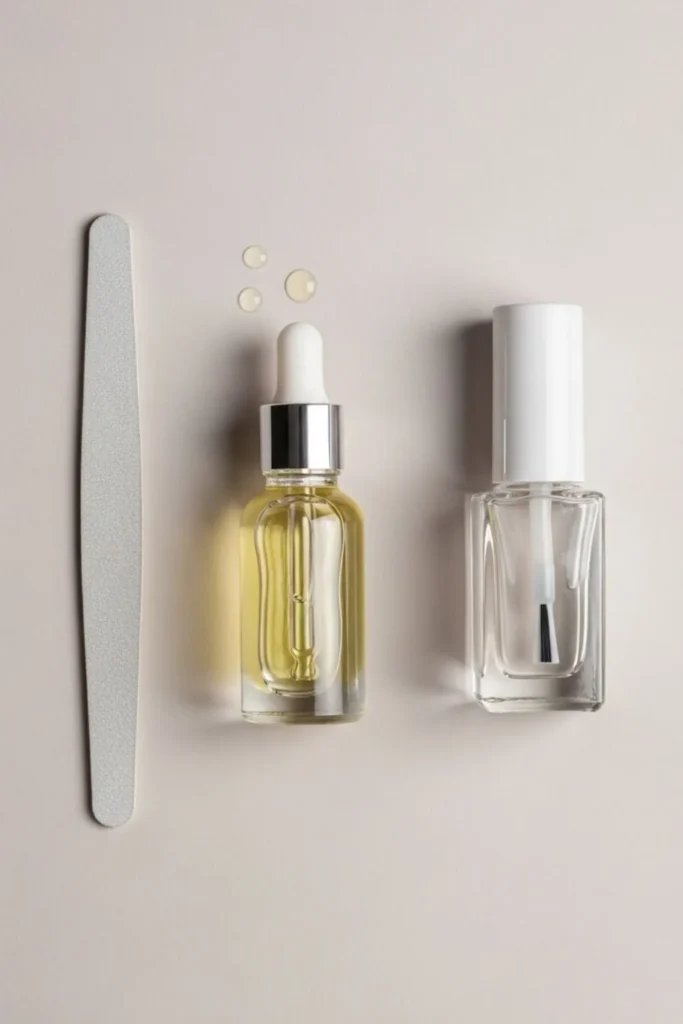
At-home maintenance extends professional manicures by 5-7 days and includes filing snags immediately, applying cuticle oil nightly, and refreshing topcoat every 3 days. Small chips can be spot-repaired with the original color and topcoat rather than removing the entire manicure.
The most impactful maintenance step is wearing gloves during cleaning, dishwashing, and gardening activities that expose nails to harsh chemicals and physical stress. Even 5 minutes of unprotected exposure to cleaning products can soften gel polish and cause lifting. For simple, neutral manicures where color matching isn’t critical, keeping the original polish bottle for touch-ups prevents the need for complete reapplication.
Why Do Cool-Toned Nudes Look Gray on Warm Skin?
Cool-toned nudes contain blue or purple undertones that clash with warm skin’s natural yellow or peachy undertones, creating a grayish or ashy appearance that looks unflattering rather than neutral. The contrast makes hands appear washed out or even slightly corpse-like in certain lighting.
Warm skin tones need nudes with peach, coral, or caramel undertones to create the “my nails but better” effect. Test polish on your ring finger in natural light before committing, as store lighting distorts color perception. If a nude makes your hands look dull or gray rather than naturally polished, the undertone is wrong for your skin.
What Makes Single-Color Manicures Less Maintenance Than Nail Art?
Single-color applications require no precision work, dry faster, and can be easily touched up without worrying about pattern alignment or detail recreation. A simple chip on solid color needs only a small dab of polish and topcoat, while chipped nail art often requires complete nail redoing to restore the design.
Time savings matter for everyday wear solid color takes 15-20 minutes to apply and dry, while nail art can extend to 45+ minutes plus additional curing or drying time. For those with packed schedules, this efficiency difference determines whether nails get done at all or remain bare.
How Does Hydration Affect Natural Nail Appearance?
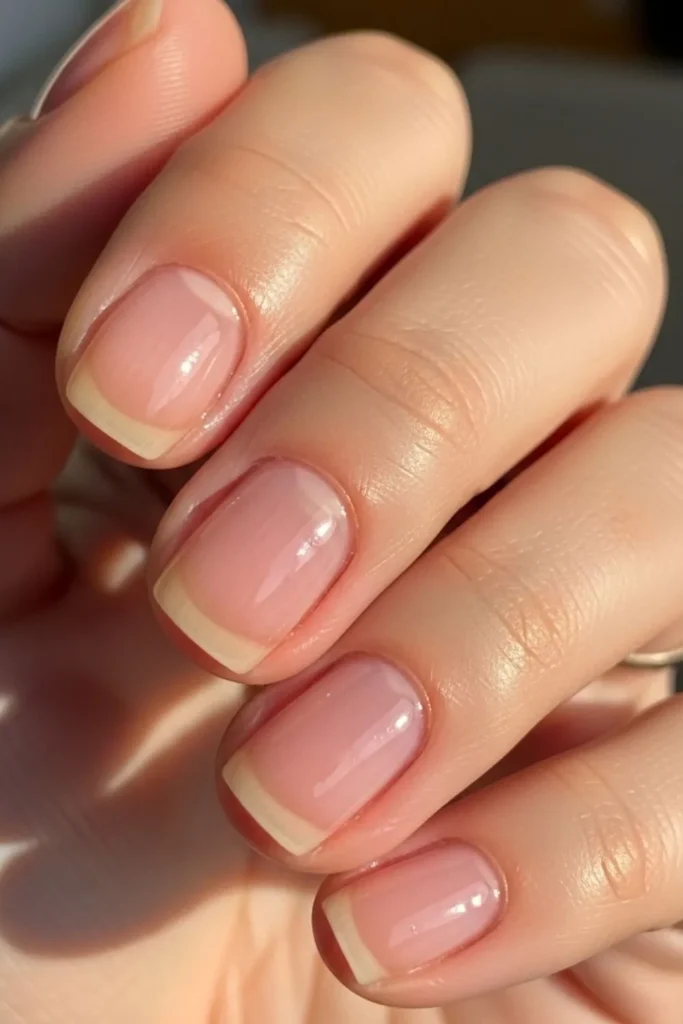
Well-hydrated nails and cuticles appear plumper, healthier, and more youthful, creating the optimal canvas for simple polish. Dehydrated nails show more pronounced ridges, peel easily, and absorb polish unevenly, causing streaky application and premature lifting.
Daily cuticle oil application particularly before bed allows oils to penetrate overnight when hands are at rest. Jojoba oil works best because its molecular structure closely resembles natural skin oils, allowing superior absorption. Visible improvement typically appears after 7-10 days of consistent use, with nails appearing shinier and cuticles less ragged.
When Do Nude Nails Look More Intentional Than Natural?
Perfectly matched nude polish creates an amplified version of natural nails smoother, more uniform in color, and with a subtle sheen that bare nails lack. The key is choosing a shade slightly more pigmented than your bare nail, creating visible improvement without obvious color.
This effect works when nails are well-groomed and the polish is freshly applied; it fails when polish is chipped or when nude is poorly matched, making hands appear unkempt rather than naturally polished. The intention shows in the details clean cuticles, uniform length, and smooth application separate “my nails but better” from simply unpainted nails.
Frequently Asked Questions
How long do simple everyday nails typically last?
Simple everyday nails usually last 7 to 10 days with regular polish and about 2 to 3 weeks with gel polish. Proper nail prep and a quality top coat can extend wear for busy daily routines.
What nail length works best for everyday activities?
Short to medium nail length works best for everyday activities like typing, cooking, and cleaning. This length reduces breakage and keeps nails comfortable for work and home life in the U.S.
Are gel nails better than regular polish for everyday wear?
Yes, gel nails are better for everyday wear if you want longer-lasting results and fewer chips. Regular polish is easier to remove but usually needs more frequent touch-ups.
Which nail shape chips the least during daily activities?
Round and oval nail shapes chip the least because they have no sharp corners to catch on objects. These shapes are popular for low-maintenance everyday manicures.
How often should I redo simple everyday nails?
Redo simple everyday nails every 7 to 10 days for regular polish or every 2 to 3 weeks for gel. This keeps your manicure looking clean and prevents peeling or staining.
Can I make my own nude polish match at home?
Yes, you can mix a custom nude nail polish at home by blending white, brown, pink, or beige shades until it matches your skin tone. Testing the color in natural light helps you get the most accurate everyday nude shade.
Conclusion
Simple everyday nails prioritize durability, versatility, and low maintenance while maintaining a polished appearance appropriate for any setting. The best everyday styles use neutral colors, practical lengths, and durable shapes that resist chipping during routine activities. Proper nail prep, quality base coats, and regular topcoat refreshing extend wear time significantly.
Choosing the right shade requires matching polish undertones to your skin tone, while shape selection should balance aesthetic preferences with your daily activities. Gel polish offers superior longevity for those willing to invest in proper application and removal, while regular polish provides flexibility and easier at-home maintenance.
The most successful simple nail routines combine quality products with consistent care, creating effortlessly polished hands that complement rather than complicate your daily life.