
The Complete Guide to Outfits for Cold Weather: Style Meets Warmth in 2025
When temperatures drop, getting dressed becomes a puzzle. You need outfits for cold weather that keep you warm without sacrificing style, but layering too much makes you look bulky, and dressing too light leaves you shivering. The struggle between comfort and fashion feels impossible to solve, especially when you’re standing in front of your closet at 7 AM wondering how to survive another freezing day.
This frustration multiplies when you consider different scenarios. Your winter outfit ideas for the office differ drastically from weekend looks, and what works for a casual coffee run won’t cut it for formal events. You’ve probably bought expensive cold weather clothing that didn’t perform as promised, or assembled layering outfits that made you feel restricted. The constant battle between staying cozy and looking put-together drains your energy before you even step outside.
Here’s the solution: mastering cold weather fashion isn’t about owning more clothes, it’s about understanding fabric technology, strategic layering techniques for winter, and building a versatile wardrobe that adapts to any temperature or occasion. This guide reveals exactly how to create stylish winter outfits that handle extreme cold while maintaining your personal aesthetic, whether you’re dressing for subzero temperatures, navigating business casual winter attire, or planning cold weather date night outfits.
What Makes Cold Weather Outfits Actually Work?
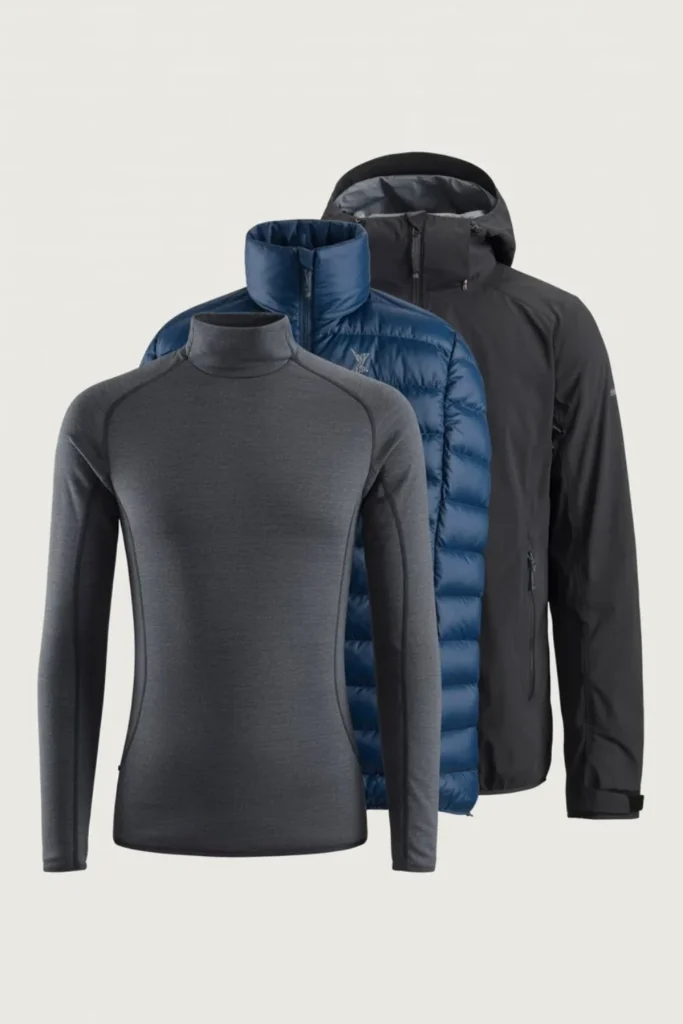
Effective outfits for cold weather rely on three scientific principles: insulation, moisture management, and wind protection. Your body generates heat constantly, but cold air steals that warmth through conduction, convection, and evaporation. The best winter wardrobe essentials interrupt these heat-loss mechanisms while allowing sweat vapor to escape, preventing that clammy feeling that makes you colder.
Thermal regulation starts with your base layer the foundation of all successful cold weather layering. Natural fibers like merino wool base layers wick moisture while providing insulation even when damp, unlike cotton which holds water against your skin. Synthetic moisture-wicking fabrics like polyester work similarly but dry faster. This base layer should fit snugly without restricting movement, creating a microclimate between fabric and skin.
Your middle layer provides bulk insulation by trapping air pockets. Fleece jackets, down vests, wool sweaters, and insulated cardigans serve this purpose beautifully. Down offers the best warmth-to-weight ratio with fill power ratings between 550-900, while synthetic insulation like PrimaLoft or Thinsulate maintains warmth when wet. The outer shell blocks wind and precipitation critical because wind chill can make 30°F feel like 15°F. Waterproof winter coats, insulated parkas, and windbreaker layers complete your defense system against harsh elements.
How Do You Layer Outfits for Cold Weather Without Looking Bulky?
Strategic layering for winter style means choosing slim-fitting base layers that disappear under your clothes. A fitted thermal top in neutral colors like black, navy, or gray vanishes beneath dress shirts or casual tops, adding warmth without bulk. Compression base layers designed for athletics work exceptionally well under business attire because they smooth your silhouette while regulating temperature.
The middle insulation layer should provide warmth without excessive volume. Lightweight down jackets compress remarkably thin a quality 700-fill jacket might be only an inch thick but deliver exceptional warmth. Cashmere sweaters and merino wool pullovers offer luxury warmth in slim profiles. Quilted vests add core warmth while keeping your arms mobile and less bulky, making them perfect for business casual cold weather looks.
Your outer layer determines your overall silhouette, so choose structured winter coats with tailored cuts rather than oversized styles. Wool overcoats, trench coats with removable linings, and technical parkas with adjustable features let you customize fit. Belted winter coats create definition at the waist, preventing the shapeless appearance that ruins many winter fashion outfits. For extremely cold conditions, long puffer coats provide maximum coverage, but modern designs use strategic baffling and tapered cuts to maintain proportions.
See Also : London Outfit Winter: Your Complete Guide to Stylish Cold-Weather Dressing
What Are the Best Fabrics for Outfits in Extreme Cold?
Merino wool dominates cold weather performance because its crimped fibers trap air while naturally regulating moisture. Unlike regular wool, merino feels soft against bare skin and resists odors, allowing you to wear pieces multiple times between washes. Heavyweight merino wool (250+ GSM) works for outer layers, while lightweight merino (150-200 GSM) excels as base layers. This fabric performs across temperatures from 20°F to 50°F, making it incredibly versatile for transitional winter outfits.
Down insulation remains unmatched for warmth-to-weight ratio in dry conditions. Higher fill power means more loft and better insulation an 800-fill jacket provides more warmth than 550-fill at lighter weight. However, down loses insulating properties when wet, so it’s best for dry cold weather or worn under waterproof shells. Hydrophobic down treatments improve water resistance, making modern down more practical for unpredictable winter weather outfits.
Synthetic insulations like Thinsulate, PrimaLoft, and Polartec maintain warmth even when soaked, making them ideal for wet cold climates or active pursuits. These materials dry quickly and cost less than down while still providing excellent insulation. Fleece fabrics in various weights (100-300) offer breathable warmth perfect for mid-layers. Softshell fabrics combine insulation with stretch and water resistance, creating comfortable athletic cold weather outfits that move with you.
How Should You Dress for Cold Weather at Work?
Professional cold weather attire requires balancing warmth with dress codes. Start with thermal undershirts in skin-tone or white that vanish under dress shirts. Wool dress pants or flannel trousers provide far more warmth than cotton chinos while maintaining professional appearance. Lined dress pants add an invisible layer of insulation that makes commuting bearable without overheating indoors.
Blazers and sport coats in wool blends or flannel fabrics work over thin cashmere sweaters or merino wool cardigans for layered warmth. Suit vests add a formal middle layer that increases warmth without bulk. Choose three-piece suits in heavier fabrics during winter months the vest provides surprising insulation. Wool topcoats and overcoats protect your professional attire during commutes, and knee-length styles offer more coverage than hip-length versions.
Footwear presents challenges because dress shoes typically lack insulation. Leather boots with rubber soles provide better traction and warmth than oxfords. Chelsea boots, chukka boots, and dress boots in leather or suede work with suits when weather demands. Wool dress socks or thermal dress socks keep feet warm without bunching. For extreme cold, wear insulated boots during commutes and change into dress shoes at the office. Business professional winter looks succeed when you prioritize invisible warmth layers that maintain a polished silhouette.
What Cold Weather Outfits Work for Casual Weekend Activities?
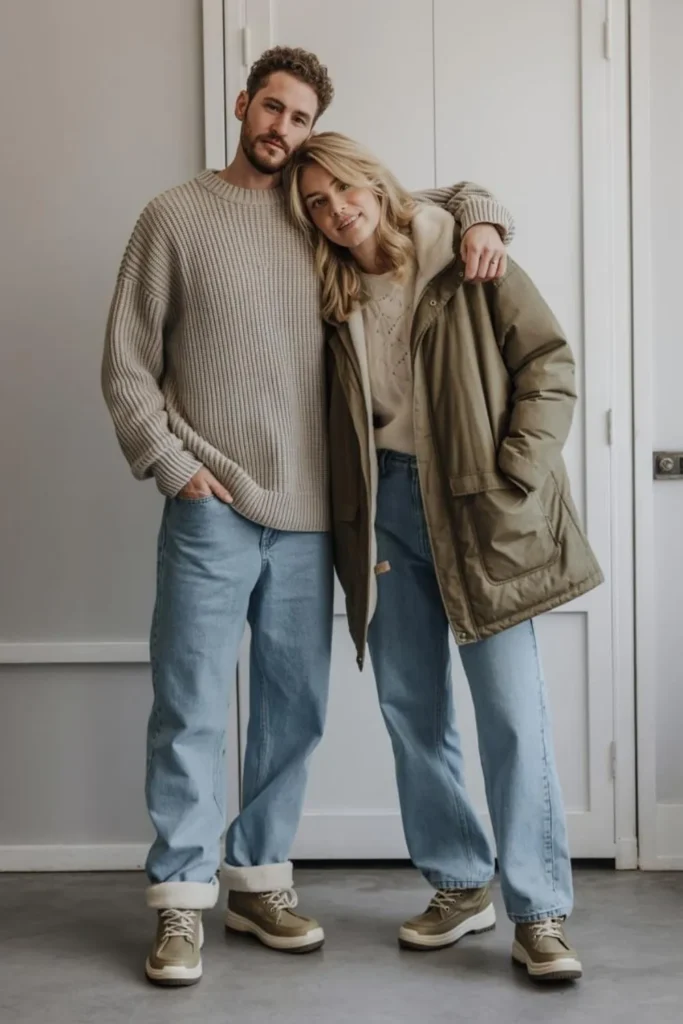
Weekend cold weather style allows more flexibility with textures and layering. Chunky knit sweaters over flannel shirts create classic cold-weather looks perfect for coffee shops and errands. Fleece-lined jeans or thermal leggings under regular jeans provide extra warmth without changing your style. Heavyweight denim naturally insulates better than lightweight summer jeans, making fabric weight an easy upgrade.
Puffer jackets, quilted coats, and sherpa-lined jackets deliver casual warmth with streetwear appeal. Hooded parkas protect against wind and precipitation while maintaining relaxed vibes. Bomber jackets with insulation balance style and function. Layer these over hoodies, crewneck sweatshirts, or turtlenecks for adjustable warmth. Thermal henleys provide a rugged base layer that looks intentional when sleeves peek out.
Winter boots anchor casual looks leather work boots, duck boots, hiking boots, and insulated sneakers all perform well in cold weather while supporting different aesthetics. Wool socks or thick athletic socks prevent cold feet during outdoor activities. Casual cold weather combinations work best when you mix functional pieces like fleece pullovers with style elements like denim jackets or leather jackets worn over insulated mid-layers. Relaxed winter outfit ideas should prioritize comfort and movement while keeping you warm during extended outdoor exposure.
How Do You Create Stylish Cold Weather Outfits for Dates and Events?
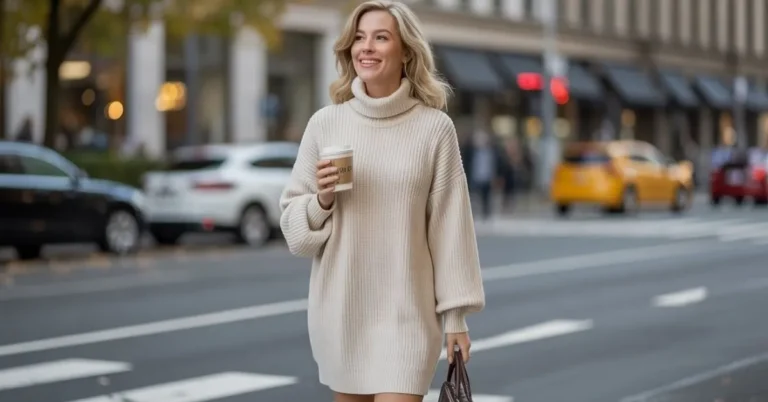
Date night winter outfits must impress while keeping you comfortable in freezing temperatures. Turtleneck sweaters in cashmere or merino wool create sophisticated foundations that work under blazers or alone. Knit dresses over fleece-lined tights or thermal leggings maintain feminine silhouettes while providing warmth. Wool skirts with knee-high boots and opaque tights balance elegance with practicality for formal winter occasions.
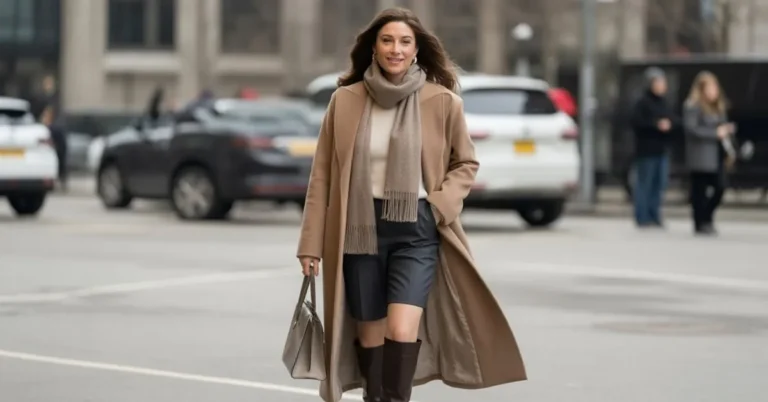
Statement coats transform simple outfits into memorable looks colored wool coats, textured overcoats, or belted wrap coats add visual interest while protecting against cold. Leather jackets with shearling lining combine edge with warmth. Velvet blazers or satin-trimmed jackets elevate dinner outfits. Remove outer layers upon arriving at restaurants or venues to reveal carefully chosen middle layers that stand alone as complete looks.
Accessories complete dressy cold weather ensembles. Cashmere scarves, leather gloves, and wool fedoras or beanie hats add finishing touches while serving functional purposes. Chelsea boots, oxford boots, or heeled ankle boots work for various formality levels. Formal winter attire succeeds when your warmest layers are also your most stylish invest in quality pieces that perform double duty. Evening cold weather outfits should transition seamlessly from outdoor cold to indoor warmth by using removable layers strategically.
See Also : Wide Leg Pants Outfit: The Ultimate Style Guide for Every Occasion
What Are Essential Accessories for Complete Cold Weather Outfits?
Winter accessories aren’t optional they’re critical components of effective cold weather dressing. Your body loses significant heat through your head, hands, and neck, making these areas priorities. Wool beanies, fleece-lined caps, and insulated hats prevent heat loss while adding style. Cashmere beanies offer luxury warmth, while merino wool hats provide technical performance. Trapper hats and bomber-style hats with ear flaps deliver maximum protection for extreme cold weather.
Scarves serve multiple functions wool scarves, cashmere wraps, and fleece neck gaiters all trap warm air around your neck and face. Infinity scarves stay secure during windy conditions. Large blanket scarves double as shawls or extra layers. Learn proper scarf wrapping techniques like the Parisian knot or loop-through method to maximize warmth and style. Neck warmers and balaclavas protect during subzero conditions or winter sports.
Gloves range from thin liner gloves perfect under mittens to insulated winter gloves with waterproof shells. Leather gloves with fleece lining balance dexterity with warmth for daily activities. Touchscreen-compatible gloves let you use devices without exposing skin. Mittens provide more warmth than gloves because fingers share heat. Cold weather accessory combinations should match both your outfit aesthetic and weather severity functional pieces like heated insoles, hand warmers, and ear muffs integrate seamlessly into practical winter looks.
How Do You Adapt Outfits for Different Cold Weather Intensities?
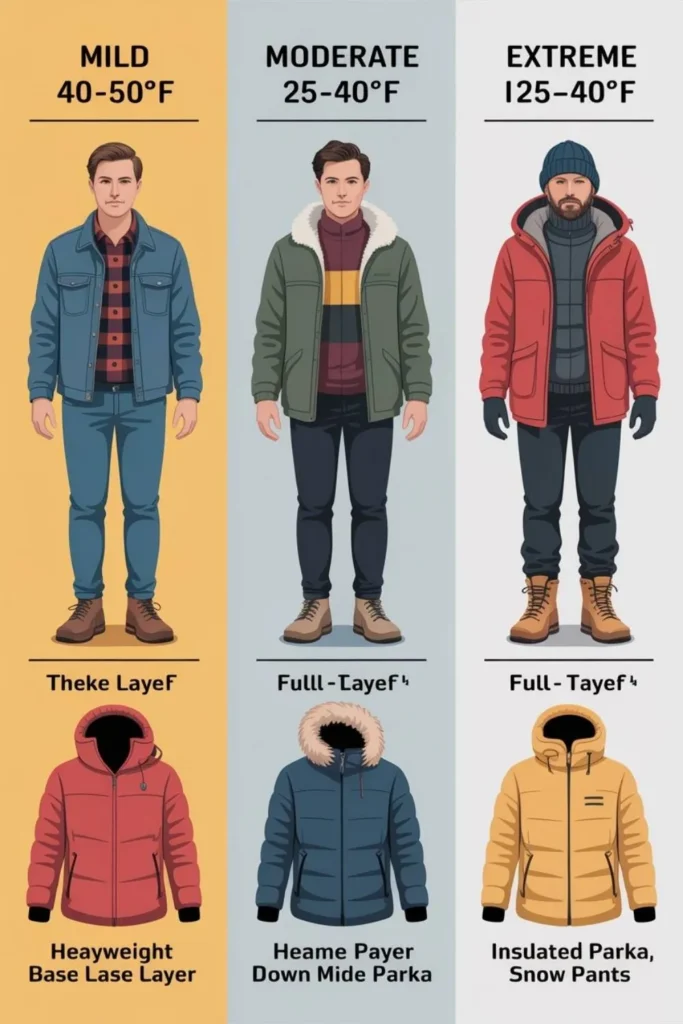
Mild cold weather (40°F-50°F) requires minimal layering a light sweater or flannel shirt under a denim jacket or unlined coat typically suffices. Cotton long-sleeve shirts work as base layers at these temperatures. Casual jackets without insulation provide wind protection without overheating. This temperature range offers maximum style flexibility because you’re not fighting extreme elements.
Moderate cold (25°F-40°F) demands true layering. Combine thermal base layers with insulating mid-layers like fleece jackets or lightweight down vests under winter coats. Insulated jeans or flannel-lined pants replace regular trousers. Winter boots become necessary, along with gloves and beanies. Mid-weight winter outfits balance mobility with warmth, using two to three strategic layers.
Extreme cold (below 25°F) requires comprehensive protection. Heavyweight thermal base layers create your first defense, topped with thick fleece or down mid-layers, finished with heavily insulated parkas rated for subzero temperatures. Insulated snow pants or fleece-lined pants protect legs. Winter boots rated to -40°F, insulated gloves, face masks, and thermal socks become essential. Layering for freezing temperatures means prioritizing coverage over style, though modern technical winter wear manages to achieve both. Arctic-ready outfits use specialized materials and extended coverage to protect against frostbite and hypothermia.
See Also : Smart Casual Outfit: The Ultimate Guide to Mastering Effortless Style in 2025
What Color Palettes Work Best for Cold Weather Wardrobes?
Neutral color schemes dominate winter fashion palettes because they layer seamlessly and match everything. Black, charcoal gray, navy, camel, and brown create sophisticated bases that work for professional winter outfits and casual looks alike. These colors absorb heat from sunlight, providing slight thermal advantages. Monochromatic winter outfits in varying shades of one color create streamlined, elongating effects that combat bulk.
Earth tones like olive green, rust, burgundy, and forest green add warmth to cold weather color combinations while maintaining versatility. These hues complement natural winter landscapes and pair beautifully with neutral bases. Rich jewel tones emerald, sapphire, ruby red create striking statement winter pieces that brighten gray winter days. Winter white and cream work surprisingly well in cold weather, especially in textured fabrics like cable knit sweaters or shearling coats.
Seasonal color planning means building around two or three primary neutrals supplemented by accent colors. A wardrobe centered on navy, gray, and camel allows any combination to work together, simplifying getting dressed during dark winter mornings. Add personality through colored accessories scarves, hats, and gloves in bright colors or patterns inject interest without committing to full garments. Winter capsule wardrobes typically include 70% neutrals and 30% colors, creating maximum outfit combinations from minimal pieces.
How Can You Build a Versatile Cold Weather Wardrobe on a Budget?
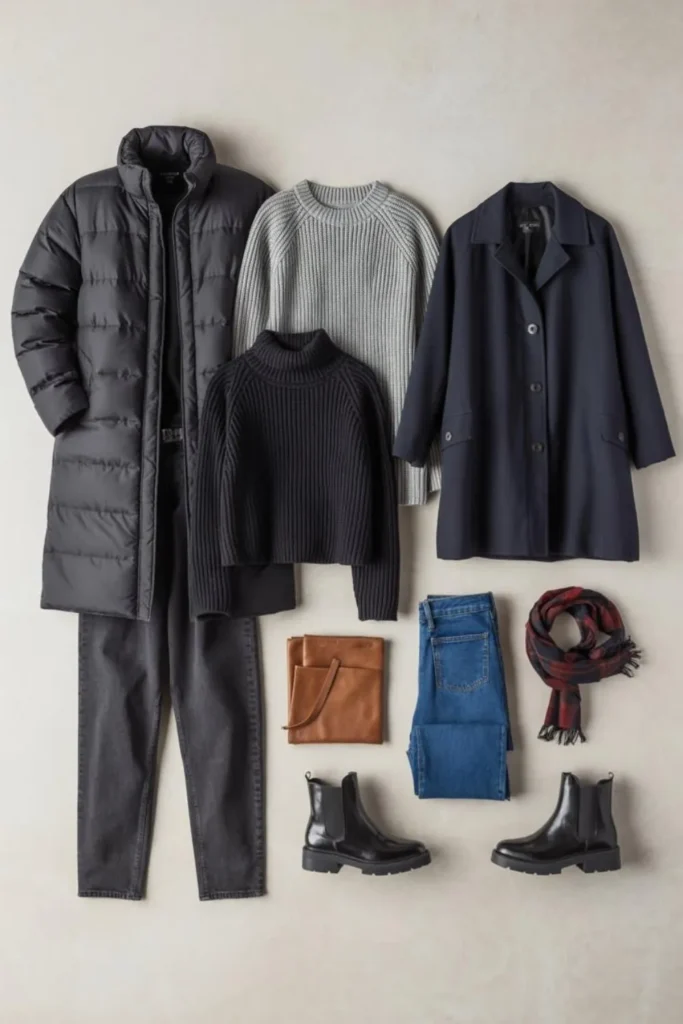
Budget-friendly winter wardrobes focus on versatile essentials rather than trendy pieces. Invest in one excellent insulated winter coat that works for multiple occasions a wool peacoat or quilted parka in neutral colors serves daily needs for years. Quality base layers matter more than expensive outer pieces because they’re worn constantly. Purchase multiple thermal tops and bottoms in neutral colors to rotate throughout winter.
Secondhand shopping yields exceptional cold weather clothing deals thrift stores, consignment shops, and online resale platforms offer wool coats, leather boots, and cashmere sweaters at fractions of retail prices. Winter items appear in abundance during spring when people clear closets. Look for natural materials like wool, leather, and down that last decades with proper care. Vintage winter pieces often feature superior construction compared to modern fast fashion.
Multi-purpose pieces maximize wardrobe value. A black turtleneck works under blazers, with jeans, or beneath dresses. Gray fleece layers function as standalone tops or insulation under coats. Chelsea boots in brown leather transition from casual to dressy depending on context. Build around 10-15 core pieces that mix endlessly rather than buying 30 single-use items. Strategic winter shopping means waiting for end-of-season sales (February-March) to stock up for next year. Affordable cold weather style comes from understanding which pieces deserve investment coats, boots, base layers versus which items work fine at lower price points, like fashion scarves and trendy hats.
See Also : Wide Leg Jeans Outfit Ideas: Complete Style Guide 2025
What Are Common Cold Weather Outfit Mistakes to Avoid?
Cotton base layers represent the biggest cold-weather mistake cotton absorbs and holds moisture, making you colder once you sweat. That “damp cold” feeling comes from wet fabric against skin. Replace cotton t-shirts and underwear with synthetic or wool alternatives for base layers, even if cotton appears in outer layers where moisture transfer matters less.
Over-layering creates as many problems as under-dressing. Too many layers restrict movement, cause overheating, and create unflattering bulk. Three quality layers (base, insulation, shell) outperform five mediocre ones. Strategic layering means choosing the right thickness for conditions rather than piling on everything you own. Remove layers before overheating trapped sweat makes you colder once you stop moving.
Ignoring extremities leaves you uncomfortable despite perfect torso layering. Cold hands, feet, and heads drain body heat rapidly. Inadequate winter socks, thin gloves, and forgotten hats undermine otherwise excellent cold weather outfits. Similarly, gaps in coverage exposed ankles between pants and boots, uncovered necks, wrists extending past coat sleeves create cold spots. Complete cold weather dressing requires attention to transitions between garments. Poor-fitting winter clothes either restrict movement or allow cold air infiltration, so proper sizing matters enormously for functional winter fashion.
How Do You Care for and Maintain Cold Weather Clothing?
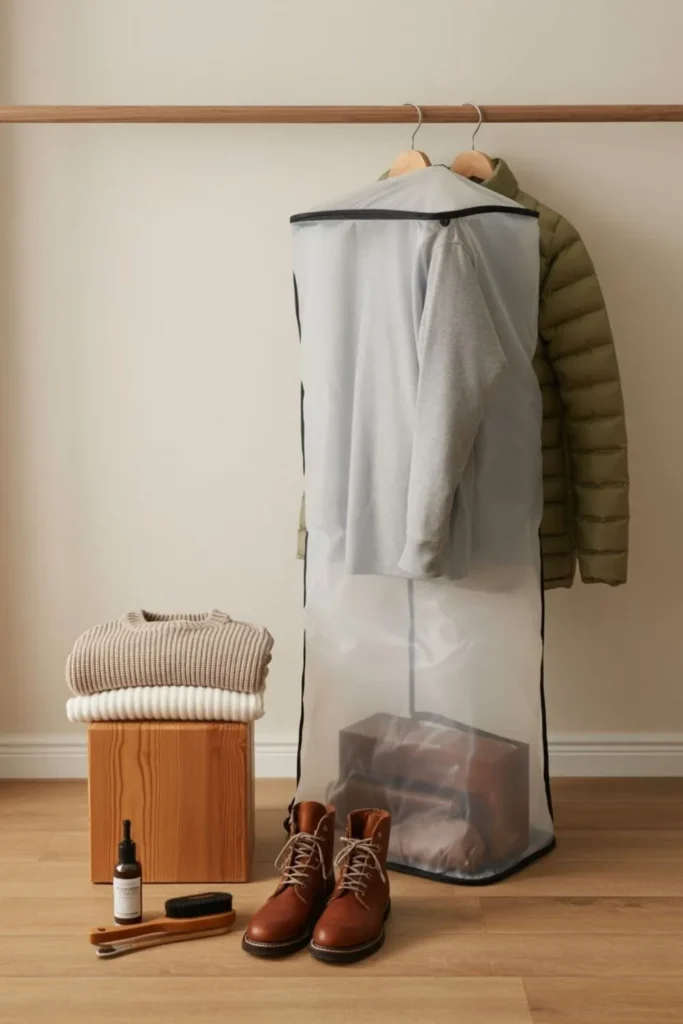
Proper winter garment care extends clothing life and maintains performance. Down jackets should never be machine-dried on high heat, which damages delicate feathers use low heat with tennis balls to restore loft. Wool coats and sweaters need occasional dry cleaning or hand washing in cold water with wool-specific detergent. Store clean wool in breathable garment bags with cedar blocks to prevent moth damage during off-season.
Leather boots require regular conditioning with leather cream or mink oil to prevent cracking from salt and moisture. Clean boots after each wearing in snowy conditions road salt damages leather permanently if left untreated. Apply waterproofing spray to suede and nubuck boots before first wear, refreshing throughout winter. Replace worn boot soles before they completely fail to maintain traction on ice.
Seasonal storage protects cold weather wardrobes between years. Clean all items before storage dirt and oils attract pests and cause yellowing. Store down items loosely rather than compressed to maintain loft. Hang structured coats on proper hangers to preserve shape. Fold knit sweaters rather than hanging them to prevent stretching. Use vacuum-sealed bags for space-saving, but avoid long-term compression of down. Climate-controlled storage prevents mildew in humid environments. Annual wardrobe maintenance each spring ensures your winter clothing collection remains ready for next season, avoiding expensive replacements.
See Also : Winter Outfit Mastery: Your Complete Guide to Cold Weather Style
Frequently Asked Questions
What temperature requires cold weather outfits?
Most people need dedicated cold weather clothing below 50°F, though individuals with different metabolisms vary. Below 40°F, layering becomes important. Under 25°F, comprehensive cold protection including insulated coats, thermal base layers, and winter accessories is necessary to prevent discomfort and cold-related health issues.
Can you wear jeans in cold weather?
Yes, jeans work in cold weather when chosen carefully. Heavyweight denim provides more insulation than lightweight styles. Fleece-lined jeans or thermal leggings worn underneath add warmth without changing appearance. Pair jeans with tall boots to eliminate gaps where cold air enters, and ensure your coat covers your hips for maximum protection.
How many layers should you wear in extreme cold?
Three to four layers work best a moisture-wicking base layer, one or two insulating mid-layers depending on temperature, and a windproof outer shell. More layers don’t automatically mean more warmth if they’re too thin or restrict movement. Focus on quality materials in proper thicknesses rather than adding excessive layers.
What’s the warmest fabric for cold weather?
Down insulation provides the best warmth-to-weight ratio in dry conditions, while wool offers excellent all-around performance that works even when damp. Synthetic insulations like Thinsulate maintain warmth when wet. For base layers, merino wool outperforms everything else by regulating temperature and wicking moisture simultaneously without retaining odors.
How do you dress for cold weather without looking bulky?
Choose slim-fitting base layers that disappear under clothes, select lightweight down or thin fleece for mid-layers, and finish with tailored outer coats that define your silhouette. Avoid oversized pieces in every layer one fitted, one regular, one slightly relaxed creates better proportions than three loose layers.
Should coats be oversized for layering?
Coats should fit slightly larger than your regular size to accommodate mid-layers without restricting movement, but “oversized” isn’t necessary. Buy coats one size up if you plan to wear thick sweaters underneath, but maintain structure at shoulders and proper sleeve length. Modern technical fabrics provide warmth without bulk, reducing the need for excessive sizing.
Conclusion
Outfits for cold weather succeed when you understand fabric science, practice strategic layering, and invest in versatile essentials that work across temperatures and occasions. The foundation starts with moisture-wicking base layers in merino wool or synthetic materials that keep skin dry, progresses through insulating mid-layers like fleece, down, or wool sweaters that trap warmth, and finishes with windproof shells that protect against elements while maintaining your style aesthetic.
Building an effective cold weather wardrobe doesn’t require endless shopping or complicated formulas. Focus on quality pieces in neutral colors that layer seamlessly thermal underwear, turtlenecks, cardigans, insulated coats, wool pants, and winter boots create hundreds of outfit combinations when chosen thoughtfully. Add personality through accessories like patterned scarves, colored beanies, and statement gloves that inject interest while serving functional purposes.
Proper fit matters enormously clothes that are too tight restrict warming blood flow, while excessive looseness allows cold air infiltration, so find the balance that allows layering without bulk. Your winter fashion strategy should adapt to your climate, lifestyle, and personal style rather than following rigid rules, creating a system that keeps you warm, comfortable, and confident regardless of how far temperatures drop.