
10 Minimal Nails for Everyday Wear
Minimal nails for everyday wear solve a real problem: wanting polished hands without the effort and upkeep of elaborate nail art. Many people assume “minimal” just means boring or unfinished, when it’s actually a deliberate design choice focused on wearability. The confusion leads to either overdone manicures or bare nails that feel unintentional.
The frustration grows when trendy designs chip fast, clash with work settings, or demand weekly appointments. A common mistake is copying Instagram styles without considering daily tasks, dress codes, or nail health. Minimal nails work best when durability and versatility matter more than visual impact.
The fix is a simplicity-first framework: neutral tones, short functional shapes, and one intentional detail at most. This approach works when you want low-maintenance polish that lasts, but not if you’re chasing seasonal trends. Choose designs that support your lifestyle, and your nails stop being a decision you regret midweek.
What Makes Minimal Nails Different from Regular Manicures?

Minimal nails for everyday wear prioritize simplicity, durability, and versatility through clean lines, neutral palettes, and low-maintenance designs that complement rather than dominate your overall appearance. Unlike decorative manicures with elaborate patterns or embellishments, minimal styles use restraint as their defining feature.
The core difference lies in intentional subtlety. Regular manicures might incorporate rhinestones, ombre gradients, or seasonal motifs that require frequent updates. Minimal designs instead rely on precise application, quality base products, and timeless color choices that extend wear time. A single accent nail with a thin gold line demonstrates more restraint than covering all ten fingers in glitter, yet still provides visual interest.
Functionality separates these approaches too. Minimal nails work for professional environments where bold colors might clash with dress codes, survive hands-on activities without looking chipped, and transition seamlessly from morning meetings to evening plans. The strategic use of negative space, muted tones, and subtle textures creates polish without requiring explanation or apology.
Why Neutral Tones Outperform Bright Colors for Daily Wear
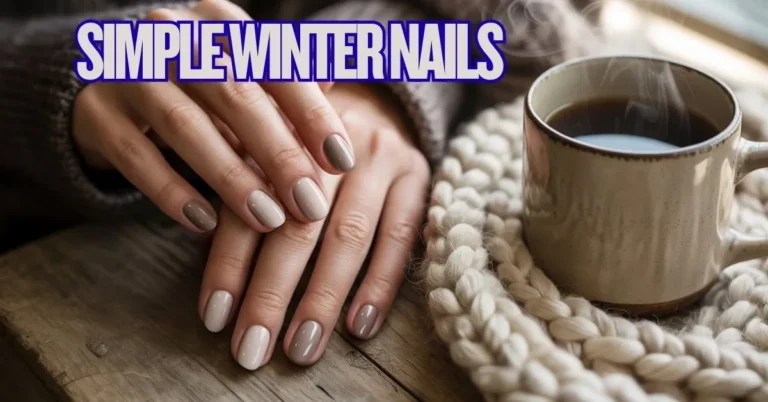
Neutral tones including beiges, soft pinks, taupes, and creams provide superior versatility because they coordinate with unlimited outfit combinations and remain appropriate across all social contexts without appearing dated within weeks. Bright colors require matching or deliberate contrast with your wardrobe, creating unnecessary decision fatigue each morning.
Color psychology plays a practical role here. Shades like “ballet slipper” pink or “greige” create visual continuity with most skin tones, making hands appear more elongated and polished without drawing attention away from your face during conversations. Bright coral or electric blue, while beautiful, become focal points that can clash with patterned clothing or appear too casual for conservative work settings.
The maintenance advantage matters equally. Chips and growth lines show dramatically less on nude and neutral shades compared to deep burgundies or stark whites. A millimeter of regrowth on cream polish blends with your natural nail bed, while the same growth on black polish creates an obvious demarcation line. This extends the practical wear time from 5-7 days to potentially 10-12 days before requiring touch-ups, reducing both cost and time investment significantly.
Read More About : Cute Nail Design Ideas: 2026 Trends & Easy DIY Manicure Guide
How Long Should You Keep Minimal Nail Designs?
You should change minimal nail designs every 10-14 days for regular polish and 3-4 weeks for gel applications, with the timeline determined by visible growth, lifestyle wear, and cuticle health rather than arbitrary calendar dates. Natural nail growth averages 3mm per month, making the gap between polish and cuticle noticeable around the two-week mark.
Professional contexts demand earlier changes. If your role involves client-facing interactions or presentation work, visible regrowth undermines the polished impression minimal nails are meant to create. The contrast between painted nail and bare growth shows sloppiness rather than intentional minimalism. Consider refreshing around day 7-10 in these scenarios.
Gel formulas buy you additional time because they resist chipping better than traditional lacquers. However, extended wear beyond four weeks risks nail damage as the rigid gel layer prevents natural flexibility, potentially causing peeling or breakage. The acetone removal process also becomes harsher the longer product remains on nails, weakening the nail plate over time. Balance longevity with nail health by scheduling removal before you notice lifting at edges or significant length disparity between polish and cuticle.
Best Minimal Nail Shapes for Functionality and Style

Short rounded or squoval shapes offer optimal functionality for everyday minimal nails because they resist breakage during typing, cleaning, and manual tasks while maintaining a polished appearance that works across all settings. Extreme shapes like stilettos or coffin nails contradict the practical foundation of minimalist nail philosophy.
Rounded nails follow your natural fingertip curve, distributing pressure evenly when you use your hands. This prevents the stress fractures that occur with sharp corners on square shapes. The smooth edge also avoids snagging on fabrics, keyboards, or hair frustrations that turn manicures into liabilities. Despite their practicality, rounded nails maintain femininity without appearing childish or unfinished.
Squoval combines the durability of square edges with rounded corners, creating a contemporary silhouette that flatters wider nail beds. This hybrid works particularly well for those transitioning from longer lengths, as it preserves some edge definition while eliminating fragile corner points. The slight flat edge provides more surface area for minimalist accent details like thin lines or single dots without overwhelming the overall aesthetic.
Avoid almond and stiletto shapes for true everyday wear. These tapered designs require length to execute properly, making basic tasks awkward and increasing breakage risk. When a nail shape demands constant awareness of your hand position, it fails the fundamental minimalism test of effortless integration into daily life.
Do Minimal Nails Work with Short Natural Nails?
Minimal nails work exceptionally well with short natural nails because the aesthetic specifically emphasizes nail health, clean cuticles, and subtle enhancement rather than length or artificial extensions. Short nails actually showcase minimalist design principles more authentically than long nails, which can appear overdone even with simple polish.
The health-focused approach matters here. Short natural nails trimmed just past the fingertip with smooth, filed edges demonstrate better personal care than poorly maintained long nails with visible damage or lifting acrylics. Minimalism prioritizes quality over quantity the condition of your nail surface, the precision of your polish application, and the neatness of your cuticle line carry more visual weight than millimeters of length.
Strategic design choices enhance short nails effectively. A sheer pink wash creates the illusion of longer nail beds by blending seamlessly with skin tone. A thin vertical stripe in gold or white draws the eye lengthwise, adding perceived height. Keeping side walls clean and straight rather than curved also elongates the appearance of short nails. These subtle techniques work because they respect the nail’s natural proportions rather than fighting against them with excessive ornamentation.
Read More About : White Winter Nails: The Ultimate 2026 Guide to Cloud Dancer Manicures and Icy Designs
What’s the Difference Between Matte and Glossy Finishes for Minimal Styles?
Matte finishes create a modern, understated look that minimizes imperfections and provides texture variation, while glossy finishes offer classic elegance with superior chip resistance and easier maintenance for everyday minimal nails. The choice impacts both aesthetic and practical performance significantly.
Glossy topcoats reflect light, making nails appear more dimensional and healthy. The shine mimics the natural luster of well-hydrated nails, creating a polished impression even with completely clear or barely-there tinted polish.
Glossy finishes also form harder protective barriers that resist scratching and extend wear time. The smooth surface makes removal easier during your next manicure change, requiring less aggressive scrubbing that can damage the nail plate.
Matte finishes absorb light instead, creating sophisticated depth that photographs beautifully and feels contemporary. This texture hides minor application streaks or small bubbles that would be obvious under glossy coating. However, matte polish shows fingerprints and oils more readily throughout the day, requiring midday wipes with a clean cloth. The porous surface also chips slightly faster because it lacks the protective shell that glossy formulas provide.
For true everyday wear, start with glossy and reserve matte for special occasions or weekends when you can refresh as needed. The maintenance difference becomes clear by day three when glossy nails still look salon-fresh while matte versions show visible wear patterns from normal hand use.
How to Make Minimal Nail Designs Last Longer
Proper nail preparation before polish application extends wear time more than any other single factor dehydrate the nail plate with rubbing alcohol, push back cuticles completely, and avoid moisturizer on nails for 30 minutes before painting to ensure maximum adhesion. Most premature chipping occurs because polish never properly bonded to the nail surface.
Base coat selection matters enormously. Adhesive base coats create a sticky foundation that grips both your natural nail and the colored polish layer, preventing the polish from peeling off as a single sheet.
Apply base coat to the entire nail including the free edge, then cap the tip by running the brush along the edge. This seals the most vulnerable area where chipping typically begins. Let the base coat dry completely at least two minutes before applying color.
Lifestyle adjustments preserve your manicure between salon visits. Wear rubber gloves for dishes and cleaning, as hot water and harsh chemicals break down polish bonds within hours of exposure. Apply cuticle oil daily after the first 24 hours to keep nails flexible; brittle nails crack and take polish with them.
Avoid using your nails as tools for opening cans, scratching off stickers, or prying things open. These mechanical stresses fracture both the polish layer and potentially the nail underneath, creating irreparable damage that forces earlier removal than planned.
When Does a Single Accent Nail Work vs. Full Coverage?

A single accent nail works best when you want focal interest without pattern overwhelm, particularly on the ring finger where jewelry naturally draws attention, while full coverage suits professional settings requiring complete uniformity and maximizes the clean aesthetic that defines minimal nails for everyday wear. The decision depends on your environment and personal style confidence.
Accent nails serve specific purposes in minimal design. Placing a thin metallic stripe, subtle shimmer, or contrasting neutral shade on one finger per hand breaks visual monotony without creating chaos. This technique works when you’re wearing a statement ring and want to highlight rather than compete with the jewelry. The accent provides just enough variation to signal intentionality you chose this specific look rather than settling for basic polish.
Full coverage in a single neutral shade communicates polish and professionalism more effectively in conservative workplaces. The uniformity reads as put-together rather than experimental, avoiding any perception of trying too hard or being distracted by appearance. Full coverage also simplifies the decision-making process; you’re not debating which finger gets the accent or second-guessing whether the contrast feels balanced. The streamlined approach saves mental energy for more important choices.
Reserve accent nails for creative industries, casual environments, or weekend wear where self-expression carries no professional risk. Use full neutral coverage for interviews, client meetings, or any setting where you want your competence rather than your nail art to be memorable.
Read More About : Black Winter Nails Designs: The Ultimate Guide to Dark, Dramatic Manicures This Season
What Common Mistakes Ruin Minimal Nail Aesthetics?
Neglecting cuticle care ruins minimal nail aesthetics more than any application error because ragged cuticles, hangnails, and visible dry skin around nails contradict the clean, intentional foundation that minimalism requires. No amount of perfect polish application compensates for poor nail bed maintenance.
Cuticles frame your entire nail presentation. Pushing them back gently after a shower when they’re soft creates clean lines that make nails appear longer and more uniform. Trimming dead skin carefully with proper cuticle nippers prevents the rough edges that catch on clothing and create unsightly tears. Daily cuticle oil application keeps this delicate skin supple and prevents the white, flaky buildup that screams neglect. When cuticles look healthy, even bare nails appear polished.
Over-designing defeats minimalism’s purpose. Adding multiple accent nails, combining several neutral shades, or layering textures creates visual confusion rather than sophisticated simplicity. The phrase “minimal nails for everyday wear” means restraint choose one focal element maximum. A French tip or a single metallic detail, never both simultaneously. Each additional element dilutes the clean aesthetic you’re attempting to achieve.
Using low-quality polish wastes effort through streaky application, rapid chipping, and uneven color payoff. Professional-grade formulas cost more upfront but require fewer coats for opacity, dry faster, and resist wear significantly longer. Cheap polish forces multiple correction attempts, ultimately consuming more product and time than investing in quality from the start. The difference between drugstore and salon-quality base coats alone can extend manicure life by 3-5 days.
How Do Seasonal Changes Affect Minimal Nail Color Choices?

Seasonal changes influence minimal nail color choices through temperature-related skin tone shifts and contextual appropriateness, with warmer months favoring lighter creams and sheers while colder months accommodate slightly deeper taupes and mauves without abandoning neutral territory. Your skin’s undertone appears warmer with summer tans and cooler during winter paleness, affecting which neutrals look harmonious.
Summer skin with golden or olive undertones pairs beautifully with peachy nudes, warm beiges, and greige shades that complement rather than clash with bronzed hands. These colors maintain the minimal aesthetic while accounting for seasonal coloring. Stark cool-toned pinks can appear jarring against tanned skin, creating unwanted contrast that draws attention for wrong reasons. The goal remains seamless integration, not bold statements.
Winter’s cooler skin tones allow successful wear of rosier nudes, soft mauves, and even gentle lavender-grays that would look washed out against summer color. These slightly cooler neutrals maintain sophistication while preventing the “dead finger” effect that overly pale shades create on fair winter skin. Adjust your neutral palette by one or two shades rather than jumping to completely different color families, this preserves your minimal nail philosophy while respecting seasonal reality.
Avoid forcing seasonal trends into minimal nail routines. Just because jewel tones dominate fall fashion doesn’t mean your minimalist approach requires burgundy nails. The strength of minimal nails for everyday wear lies in their immunity to trend cycles, providing reliable style regardless of what fashion magazines currently promote.
Read More About : Blue January Nails: Fresh Winter Manicure Ideas for 2026
Can You Combine Minimal Nails with Nail Health Treatments?
You can and should combine minimal nails with nail health treatments because strengthening base coats, keratin-infused polishes, and nourishing topcoats enhance both appearance and structural integrity without compromising the clean aesthetic. Healthy nails form the literal foundation for any successful minimalist manicure.
Treatment integration works seamlessly with minimal design. Strengthening base coats containing calcium or protein bond with the nail plate to reduce flexibility that leads to breakage and peeling. These products sit invisibly beneath your neutral polish, working continuously to improve nail quality while you maintain your aesthetic. Unlike thick, opaque treatment polishes from previous decades, modern formulas provide benefits without the yellowed, medicinal appearance that contradicts minimalism.
Hydration treatments prove equally compatible. Cuticle oils and nail serums penetrate through polish after the first 24 hours of wear, delivering vitamins and moisturizers that prevent brittleness. Apply these products nightly, massaging into cuticles and nail edges. The ritual takes 30 seconds but dramatically improves nail flexibility and reduces the micro-cracks that force early manicure removal. Healthy nails hold polish longer, creating a positive cycle where good maintenance enables better aesthetic results.
Biotin supplements support nail health from within, though results require 3-6 months of consistent use. Improved nail thickness and reduced splitting make minimal manicures more viable for those who previously struggled with weak nails that couldn’t sustain any polish application. Consider this long-term investment if you’re committed to maintaining minimal nails as your signature style.
What Nail Art Qualifies as Truly Minimal?

Truly minimal nail art limits itself to single-element designs like thin geometric lines, small dots, negative space patterns, or subtle gradients that enhance rather than dominate the nail surface while maintaining the versatility and longevity that define minimal nails for everyday wear. Complexity and minimalism exist in opposition.
Thin line work exemplifies effective minimal art. A single gold or black stripe running vertically down one nail per hand adds visual interest without requiring explanation or matching specific outfits. The restraint demonstrates intentional design choices rather than inability to commit to bolder styles. These lines take minutes to execute with striping tape or a thin brush, making them achievable at home without professional assistance.
Negative space designs leverage your natural nail as part of the aesthetic rather than treating it as canvas requiring full coverage. Half-moon manicures, geometric cutouts, or reverse French tips create sophisticated patterns through absence rather than addition. This approach reduces product use, speeds up application time, and maintains the breathing room that prevents nails from feeling heavy or overdone.
Avoid anything requiring tools beyond basic brushes, mixing multiple colors, or incorporating three-dimensional elements. Stamping plates, rhinestones, and layered gradients all violate minimalist principles by adding complexity that demands maintenance and limits versatility. When your nail art requires a tutorial to recreate, you’ve abandoned minimal territory for decorative manicure land.
Read More About : Fall Winter Nails: 2026 Seasonal Trends That Transform Your Manicure
Frequently Asked Questions
How often should I moisturize my hands with minimal nails?
Moisturize hands at least twice daily, focusing product on skin while avoiding the nail plate itself before polish application. After your manicure sets for 24 hours, regular hand cream won’t damage polish and keeps surrounding skin healthy, which enhances the overall minimal aesthetic.
Can I do minimal nails at home or do I need a salon?
You can absolutely achieve minimal nails at home since simple designs require only a quality base coat, one or two neutral polish shades, and a top coat. The clean aesthetic depends more on careful application and good nail prep than professional equipment or advanced techniques.
Do gel minimal nails damage natural nails more than regular polish?
Gel polish itself doesn’t damage nails, but improper removal through peeling or excessive filing causes harm. When applied correctly with proper base coat and removed gently with acetone wraps after 3-4 weeks maximum, gel maintains nail health while providing extended wear time ideal for minimal styles.
What’s the best way to fix a chip without redoing everything?
Clean the chipped area with rubbing alcohol, apply a thin layer of your original color just over the damaged spot, then seal the entire nail with the top coat once dry. This spot-fix works best within the first few days of wear before oils build up on the polish surface.
Should I always use a base coat with minimal nail designs?
Always use a base coat because it prevents staining from pigmented polishes, creates the adhesive surface that extends wear time, and protects your nail plate from dehydration caused by polish chemicals. Skipping this step saves two minutes but costs days of manicure longevity.
Key Takeaways
- Minimal nails for everyday wear prioritize clean, simple designs with neutral colors that work across all settings and require less frequent maintenance than decorative manicures
- Proper nail preparation including cuticle care and base coat application matters more for longevity than the specific polish brand or color chosen
- Short natural nails showcase minimal aesthetics effectively through health-focused care rather than relying on length or artificial extensions
- Seasonal adjustments to neutral shades account for skin tone changes while maintaining the versatile, understated approach that defines minimalism
- True minimal nail art limits itself to single elements like thin lines or negative space rather than complex patterns that require constant upkeep
Conclusion
Minimal nails for everyday wear deliver sophisticated style through strategic simplicity rather than decorative complexity. The approach succeeds by prioritizing nail health, choosing versatile neutral tones, and maintaining clean application that withstands normal daily activities without constant touch-ups.
Your success with this aesthetic depends on consistent cuticle care, quality products, and resisting the urge to over-design. Start with a reliable nude or greige shade, master proper base coat application, and let the clean results speak louder than any elaborate nail art ever could. This investment in foundational care creates effortless polish that integrates seamlessly into your professional and personal life.