
Ice Skating Outfit: Complete Guide to Perfect Rink Style in 2026
You’ve booked your ice skating session, grabbed your friends, and marked the date on your calendar. But now you’re staring at your closet wondering what on earth to wear. Here’s the frustrating part: show up underdressed and you’ll spend the entire session shivering instead of skating. Overdress with bulky layers and you can barely move your arms, let alone execute a simple glide. The worst part? Most first-timers make these same mistakes and end up miserable on the ice, cutting their skating outfit plans short.
This confusion ruins what should be a fantastic experience. You’ll see others gliding effortlessly while you struggle with restrictive jeans or feel the icy chill through your thin leggings. Your hands go numb, your ankles wobble in poorly laced ice skates, and that Instagram-worthy figure skating moment turns into an uncomfortable ordeal.
The solution is simpler than you think. A proper ice skating outfit balances three critical elements: warmth, mobility, and safety. Whether you’re heading to an indoor ice rink or an outdoor skating adventure, choosing the right skating apparel transforms your experience from frustrating to fantastic. This guide reveals exactly what works for recreational skaters, beginners, and anyone wanting to nail their ice rink outfit without compromising comfort or style.
What Should You Actually Wear Ice Skating?
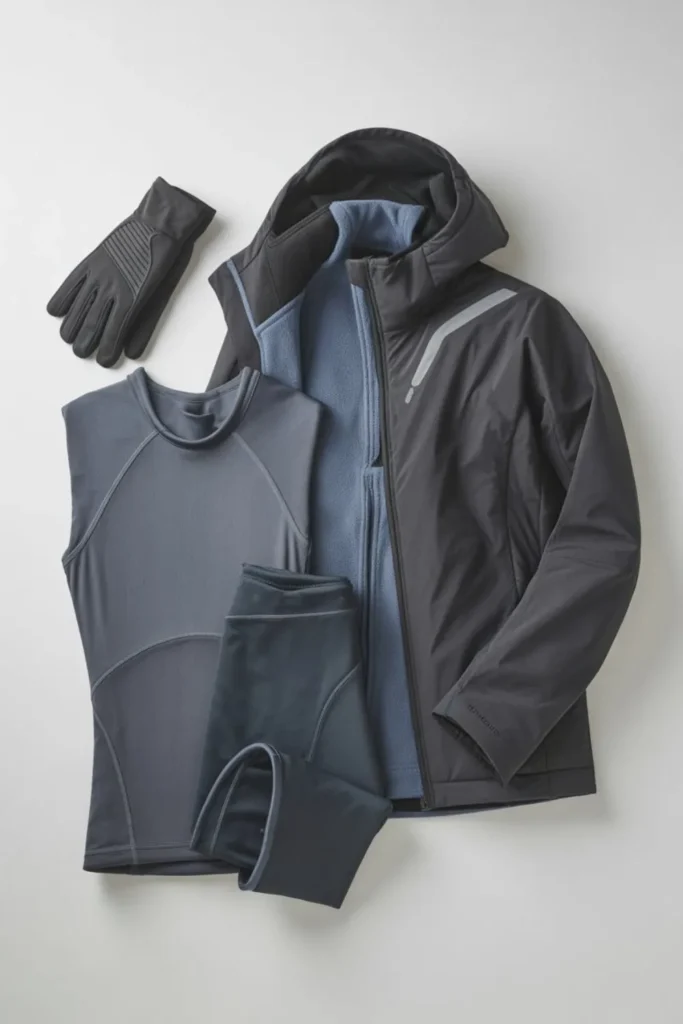
Your ice skating outfit needs to work harder than your everyday clothes. Ice rinks maintain temperatures around freezing, but here’s the catch: your body generates serious heat once you start moving. This creates a unique challenge for your skating attire.
The sweet spot involves layering. Start with a moisture-wicking base layer that pulls sweat away from your skin. Cotton is your enemy here because it absorbs moisture and leaves you cold and clammy. Instead, opt for synthetic fabrics or merino wool that keep you dry. Over this, add a fleece layer or long-sleeved shirt for insulation. Your outer layer should be a light jacket that allows arm movement without restriction.
Leggings reign supreme for bottoms in any ice skating outfit. They stretch, move with your body, and provide coverage when you inevitably take a tumble. Skating pants designed specifically for the ice offer even better performance with water-resistant materials and extra length that covers your ice skates. Avoid jeans at all costs they restrict movement, take forever to dry when wet, and offer zero flexibility for figure skating moves or basic gliding.
Read More About : How Sleepwear Fashion is Redefining Comfort and Style in 2025
How Do You Choose the Right Ice Skating Outfit for Beginners?
Beginner skaters need skating outfits that prioritize safety without sacrificing mobility. Your first few sessions will involve falls, wobbles, and plenty of time gripping the boards for dear life. Your ice skating outfit should support this learning curve.
Focus on fitted clothing that hugs your body without being restrictive. Baggy clothes create serious hazards because loose fabric catches on skate blades or gets tangled when you fall. That oversized hoodie might feel cozy, but it could literally trip you up. Instead, choose stretchy materials like spandex blends or athletic wear that move with you.
Long sleeves protect your arms during falls, while skating tights or thick leggings shield your legs from scrapes. Many beginners benefit from padded shorts that cushion your tailbone and hips during those inevitable wipeouts. These slip on under your skating pants and take the sting out of learning.
Gloves or mittens are non-negotiable for beginner ice skating outfits. They protect your hands when you instinctively reach out to break a fall. Thin gloves work perfectly you don’t need heavy ski mittens that restrict finger movement. Pair these with a beanie or headband to cover your ears, and you’ve got a complete beginner skating outfit that keeps you protected.
What Are the Best Fabrics for Ice Skating Outfits?
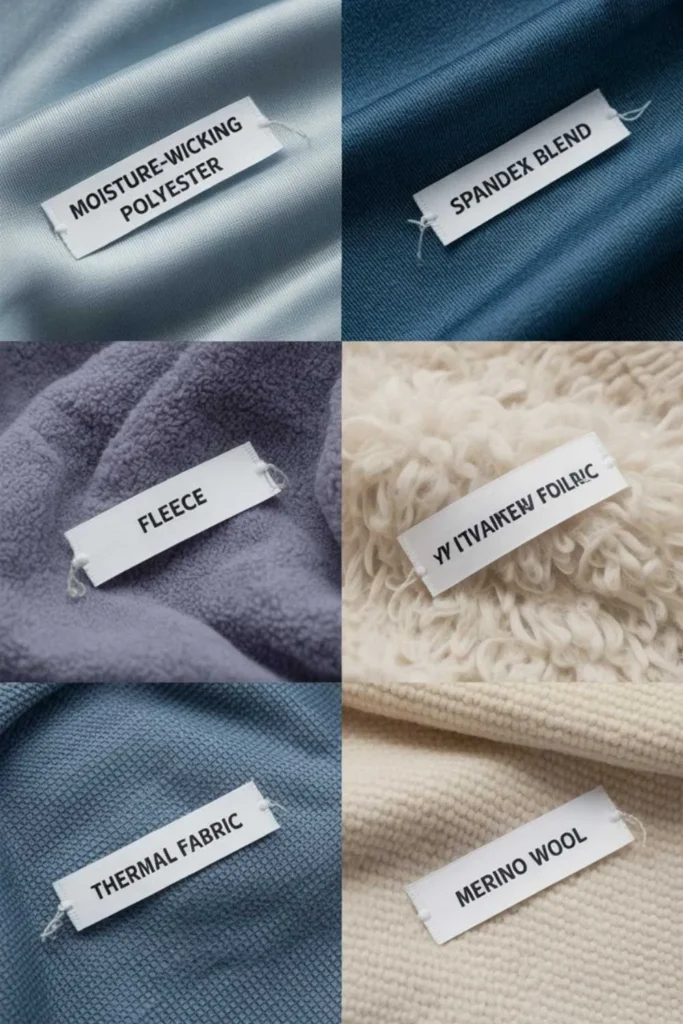
Fabric choice makes or breaks your ice skating outfit. The wrong materials leave you sweaty, cold, or both simultaneously. Smart fabric selection for skating apparel involves understanding how different textiles perform on the ice.
Moisture-wicking fabrics top the list for any ice skating outfit. Polyester, nylon, and specialized athletic blends pull perspiration away from your skin and allow it to evaporate. This keeps you dry and maintains your body temperature as you move. Spandex or elastane blends add stretch, crucial for figure skating movements or recreational gliding.
Fleece works beautifully for mid-layers in your ice rink outfit. It traps warm air close to your body while remaining lightweight and breathable. Thermal fabrics with brushed interiors provide extra warmth for outdoor skating without adding bulk. Look for skating leggings with fleece lining for legs that stay warm through extended sessions.
Skip cotton entirely in your skating outfit. This natural fiber absorbs sweat and holds moisture against your skin, making you feel clammy and cold. The same goes for denim jeans restrict movement and become uncomfortable when wet. Water-resistant outer layers protect you from melting ice and snow, particularly important for outdoor ice skating adventures.
Should You Wear Different Outfits for Indoor vs Outdoor Ice Skating?
Indoor skating and outdoor skating demand different approaches to your ice skating outfit. Temperature, wind exposure, and session length all factor into what works best for each environment.
Indoor ice rinks typically hover around 45-50°F, cold enough to need layers but not arctic conditions. Your indoor ice skating outfit can lean lighter with 2-3 layers maximum. A fitted thermal top, fleece jacket, and skating leggings handle most indoor sessions perfectly. You’ll warm up quickly once moving, so avoid over-bundling with heavy winter coats.
Outdoor skating requires serious cold-weather preparation. Temperatures drop well below freezing, and wind chill makes it feel even colder. Layer aggressively with a base layer, insulating mid-layer, and water-resistant jacket as your outer shell. Thermal pants or fleece-lined leggings keep legs warm, while thermal gloves protect fingers from frostbite. Add a face mask or neck gaiter for extreme cold, plus a warm hat that covers your ears completely.
Session length matters too. Quick recreational skating sessions lasting 30-60 minutes need less gear than marathon outdoor sessions. Adjust your skating apparel based on how long you’ll be exposed to the cold. Remember that movement generates heat what feels comfortable standing still might be too warm once you’re gliding.
Read More About : Warm Winter Outfits: Stay Cozy and Chic All Season Long
What Ice Skating Outfit Mistakes Should You Avoid?
Common ice skating outfit mistakes ruin sessions before they start. Knowing what doesn’t work saves you from uncomfortable experiences and potential injuries on the ice.
Restrictive clothing tops the mistake list. Tight jeans, stiff jackets, and non-stretch fabrics limit your range of motion. You need full arm and leg mobility for balance and movement. If you can’t easily raise your arms overhead or bend your knees fully, your skating outfit is too restrictive. Choose flexible fabrics that move with your body instead.
Jewelry creates unnecessary hazards in your ice rink outfit. Long necklaces catch on clothing, bracelets interfere with glove fit, and dangling earrings can snag. Leave accessories at home or secure them inside your layers. Wedding rings and simple studs are fine, but skip anything that dangles or protrudes.
Thick socks seem logical for warmth but actually work against you. Ice skates are designed to fit with thin or medium socks thick ones create pressure points, reduce ankle support, and increase blister risk. Thin wool socks or skating-specific socks provide warmth without compromising fit. Your skates should fit snugly, not loosely with extra sock padding.
Baggy clothing poses serious safety risks. Loose fabric catches on skate blades, tangles in rental ice skates, or drags on the ice causing trips. That oversized sweatshirt or flowing scarf could literally take you down. Keep everything fitted and tucked in for a safe skating outfit.
How Do You Accessorize Your Ice Skating Outfit?
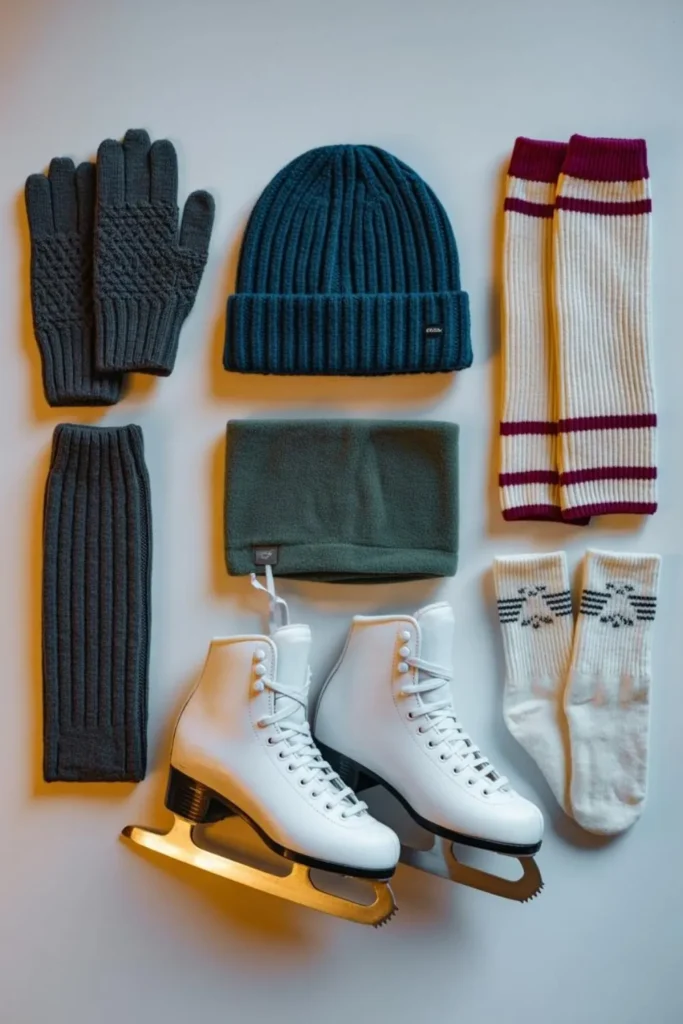
Smart accessories complete your ice skating outfit while adding function and protection. These finishing touches make the difference between a good session and a great one.
Gloves or mittens rank as essential ice skating accessories. They keep hands warm and protect palms during falls. Thin fleece or synthetic gloves work better than bulky ski mittens because they allow finger dexterity for lacing skates or adjusting layers. Some skaters prefer fingerless gloves for maximum control.
Headwear matters more than you think in your ice rink outfit. A beanie or knit hat retains body heat that escapes through your head. Make sure it covers your ears completely exposed ears get painfully cold fast. Headbands work for milder indoor skating when you want ear coverage without full head warmth. Helmets are recommended for young children and beginners, providing crucial head protection during the learning phase.
Leg warmers add both style and function to skating outfits. They provide extra calf warmth while allowing knee flexibility. Modern leg warmers come in various lengths and materials, from knit wool to technical fleece. They’re particularly useful for figure skating practice when you’re stationary between attempts.
Neck gaiters or scarves protect your neck and lower face, but keep them secure. Long, flowing scarves create tangling hazards choose shorter styles or neck warmers that tuck into your jacket. For outdoor skating in extreme cold, face masks shield exposed skin from wind and frostbite.
Read More About : Black Trench Coat Outfit: 15 Stylish Ways to Wear This Timeless Wardrobe Essential
What Should Competitive Figure Skaters Wear for Practice?
Figure skating practice demands specific skating apparel that differs from recreational ice skating outfits. Serious skaters need clothing that supports training while allowing coaches to assess form and technique.
Figure skating dresses or skating skirts with tights create the classic practice look. These allow full range of motion for jumps, spins, and footwork while keeping you warm. Practice dresses typically feature longer sleeves and higher necklines than competition dresses, prioritizing function over flash. Choose dresses with secure, non-restrictive fits that stay in place during complex movements.
Skating pants designed specifically for figure skating offer an alternative to dresses. These feature pleats or stretchy materials that allow deep knee bends and splits. Male skaters typically choose slim skating pants or skating trousers paired with fitted long-sleeved shirts or jackets. The key is clothing that doesn’t obscure body lines coaches need to see posture, alignment, and technique.
Layering works differently for figure skating practice. Skaters often start with warm-up jackets and skating pants over their practice dress, then shed layers as muscles warm up. This prevents injury while maintaining appropriate body temperature throughout training sessions. Thermal tights can layer under skating tights for extra warmth during early morning practice.
Training tights differ from competition tights they’re thicker, more durable, and often have a matte finish rather than the shiny appearance of competition wear. Invest in multiple pairs if you train regularly, as they’ll need frequent washing. Quality figure skating apparel withstands rigorous training demands while maintaining its shape and support.
FAQ’s
What should I wear ice skating for the first time?
For your first ice skating session, wear stretchy leggings or athletic pants, a moisture-wicking long-sleeved shirt, and a light fleece jacket you can remove if you warm up. Add thin gloves, a beanie, and thin socks. Avoid jeans, cotton fabrics, and baggy clothing that can catch on skates or restrict movement while learning.
Can you wear jeans ice skating?
Jeans are not recommended for ice skating because denim restricts movement, takes a long time to dry when wet, and offers no stretch for skating movements. Jeans become uncomfortable and heavy if you fall on the ice. Choose flexible leggings, skating pants, or athletic pants instead for better mobility and comfort.
What should you not wear ice skating?
Avoid baggy clothes that can catch on skate blades, cotton fabrics that absorb moisture, tight jeans that restrict movement, thick socks that cause blisters, long scarves that pose tangling hazards, and jewelry like necklaces or bracelets. Skip shorts, skirts without leggings underneath, and any restrictive clothing that limits your range of motion.
How many layers should I wear ice skating?
For indoor skating, wear 2-3 layers: a moisture-wicking base layer, a mid-layer like fleece or a sweater, and a light jacket. For outdoor skating, add a fourth layer with a water-resistant outer jacket and consider thermal underlayers. You can always remove layers as you warm up, but start with enough to stay comfortable while stationary.
Do I need special clothes for ice skating?
You don’t need specialized skating apparel for recreational ice skating, but your ice skating outfit should include flexible, stretchy clothing that allows full movement, moisture-wicking fabrics, fitted layers, thin gloves, and appropriate footwear with your ice skates. Figure skating practice may require specific skating dresses, tights, or skating pants depending on your training level and coach preferences.
Conclusion
Your ice skating outfit shouldn’t be an afterthought or a source of stress. Getting it right means the difference between an amazing session and a miserable experience cut short by cold, discomfort, or restricted movement.
The essentials remain consistent whether you’re a first-timer or seasoned skater: moisture-wicking base layers, flexible mid-layers like fleece, stretchy leggings or skating pants, and protective gloves plus headwear. Skip the jeans and cotton, embrace layers, and keep everything fitted without being restrictive.
Remember that your perfect ice skating outfit evolves with experience. What works for indoor recreational skating needs adjustment for outdoor sessions or figure skating practice. Pay attention to what keeps you comfortable, warm, and moving freely, then refine your choices from there.
The skating apparel that supports your movements while protecting you from cold and falls transforms skating from an uncomfortable ordeal into the joyful winter activity it should be. Now grab those properly fitted layers, lace up your ice skates tight, and hit the rink with confidence.