
Cute Ice Skating Outfit: Style Meets Warmth on the Rink
You’re standing at the edge of the ice rink, excited for your skating session, but you’re wearing the wrong outfit. Within minutes, you’re either shivering uncontrollably or sweating through bulky layers that restrict your movement. That perfect Instagram moment you envisioned? It’s now just you struggling to stay upright while looking like a walking laundry pile. Sound familiar? Many first-time skaters make this mistake, choosing fashion over function or warmth over mobility.
The frustration deepens when you watch other skaters gliding effortlessly in their perfectly balanced outfits. They’re warm but not overheated, stylish but not sacrificing safety, and moving freely without excess fabric getting in their way. Meanwhile, you’re stuck with cold hands, wet jeans from falls, and zero confidence to even attempt that simple glide. The reality? A poorly chosen ice skating outfit can completely ruin what should be a magical winter experience.
Here’s the solution: mastering the art of creating a cute ice skating outfit that checks every box. This guide reveals exactly what to wear for your next rink visit from indoor sessions to outdoor winter wonderlands, casual dates to practice sessions. You’ll discover layering strategies, fabric choices, and specific pieces that deliver both warmth and style while keeping you mobile and safe on the ice.
How Do You Layer the Perfect Ice Skating Outfit?
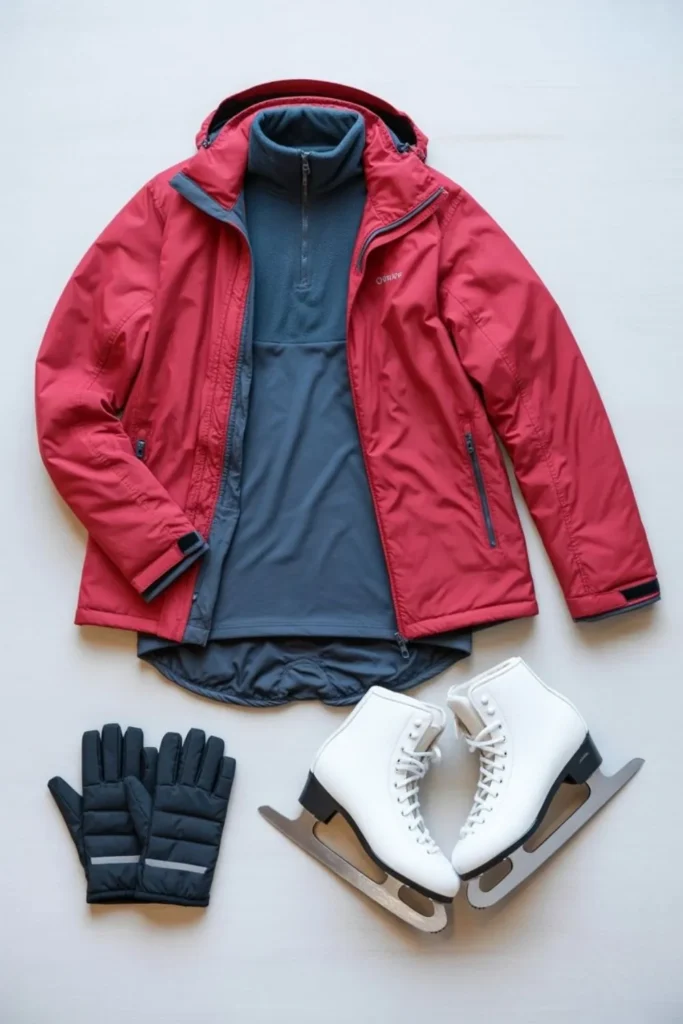
Layering forms the foundation of any successful ice skating outfit. The key lies in understanding the three-layer system that professional figure skaters use during practice sessions. Your base layer should consist of moisture-wicking fabrics like polyester or specialized technical fabrics that pull sweat away from your skin. A fitted long-sleeve top or thermal shirt works perfectly as this foundation layer. Avoid cotton at all costs it absorbs moisture and leaves you feeling damp and cold throughout your skating session.
Your mid-layer provides insulation without bulk. A lightweight fleece or fitted hoodie creates warmth while maintaining your range of motion. This layer traps heat close to your body but breathes enough to prevent overheating as you move around the rink. The fabric should have some stretch to accommodate arm movements when you reach for balance or practice spins.
The outer layer serves as your protective shield against the rink’s cold environment. For indoor ice skating, a light jacket or cozy sweater suffices since temperatures typically hover around 50-60°F. Outdoor skating demands more substantial protection think puffer jackets, parkas with faux-fur hoods, or insulated coats that block wind without restricting movement. The beauty of proper layering? You can remove pieces as your body warms up from skating activity.
What Bottom Options Work Best for Ice Skating?
Figure skating leggings reign supreme as the most practical bottom choice for women. These specialized leggings feature high-rise waistbands that don’t slip during movement, four-way stretch material for maximum flexibility, and often include cut-resistant panels around the ankle area where skate hooks can cause damage. Look for fleece-lined leggings for extra warmth during winter ice skating sessions, or opt for moisture-wicking athletic leggings for indoor rinks.
Pairing a skating skirt over your leggings adds that classic figure skater aesthetic many people love. Modern skater skirts come in various lengths and materials, from pleated mini skirts to flowing midi styles. Always wear fleece-lined tights or thick tights underneath for both warmth and modesty. The skirt-over-leggings combination delivers that perfect balance between cute ice skating outfit vibes and practical functionality.
For male skaters or those preferring pants, slim-fit joggers with cuffed ankles and drawstring waistbands provide excellent mobility. Water-resistant pants with wind-repellent properties work exceptionally well for outdoor skating where you’ll encounter cold breezes as you accelerate. Professional skating pants with pleats elongate your silhouette and can be fastened under your boot for competitions or advanced practice sessions.
What Accessories Complete Your Ice Skating Look?
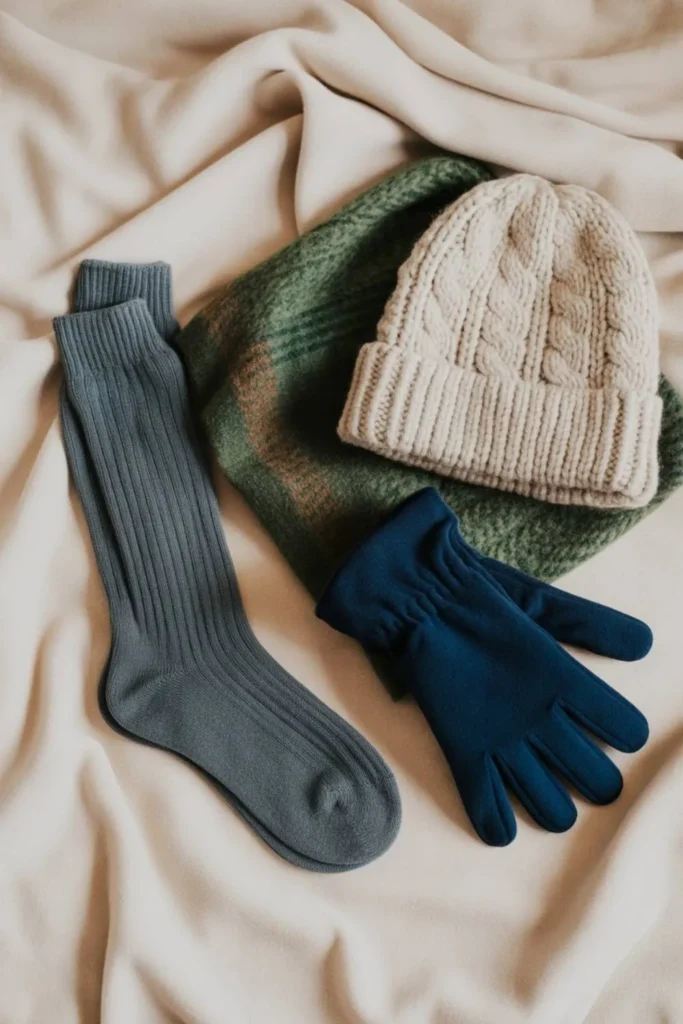
Gloves or mittens aren’t optional they’re essential safety equipment. Beyond keeping your hands warm, they protect your palms when you inevitably catch yourself during a fall. Thin fleece gloves work well for most situations without adding excessive bulk. For extremely cold outdoor rinks, invest in insulated gloves with touchscreen-compatible fingertips so you can still capture those skating photos.
Thin wool socks make or break your skating comfort. Thick cotton socks create friction that leads to blisters within minutes. Professional skaters typically wear spandex tights under their leggings that extend into their boots, creating a smooth second-skin feel. If you prefer traditional socks, choose thin merino wool options that provide warmth without bulk.
Knit beanies and earmuffs keep your head and ears protected without the bulk of a full winter hat. Make sure any scarf you wear is tucked securely into your jacket loose scarves can trip you or catch on other skaters. Headbands offer a cute alternative that keeps ears warm without messing up your hairstyle for those post-skating photos.
Can You Wear a Dress Ice Skating?
Absolutely! Ice skating dresses create that classic, elegant rink aesthetic. The key is choosing the right underlayers. Always wear safety shorts or cycling shorts underneath for coverage and confidence during movement. Patterned tights add both warmth and visual interest while providing necessary coverage.
A fitted turtleneck under a dress creates a sophisticated layered look that’s practical and stylish. This combination works beautifully for indoor skating where temperatures are controlled. Add a lightweight jacket or vest you can remove once you’ve warmed up from skating.
Modern skating dresses feature moisture-wicking fabrics, four-way stretch materials, and thoughtful designs that enhance rather than restrict movement. Competition-style dresses might seem excessive for recreational skating, but practice dresses offer that same aesthetic with more practical construction for casual rink sessions.
Read More About : NYE Outfits: Your Complete Guide to New Year’s Eve Style That Turns Heads
What Are the Best Cute Ice Skating Outfit Combinations?
The cozy chic look combines an oversized teddy coat with black leggings and a fitted turtleneck. This ensemble delivers maximum warmth while maintaining that effortlessly stylish vibe. White figure skates complete this classic aesthetic that photographs beautifully against the ice.
For a retro-inspired outfit, try a bright puffer jacket in jewel tones paired with high-waisted leggings and leg warmers bunched over your skates. Add a scrunchie and you’ve captured that nostalgic 80s skating rink energy. This look works particularly well for themed skating nights or holiday sessions.
The minimalist athlete aesthetic features an all-black ensemble black leggings, black long-sleeve top, and a sleek black jacket. This monochromatic approach looks expensive and intentional while being incredibly practical. The dark colors hide any ice splashes or falls, and the streamlined silhouette enhances your skating form.
For date night skating, consider a soft pink cable knit sweater with a white pleated mini skirt layered over fleece-lined tights. White skates and a matching beanie create a cohesive, romantic look. This outfit strikes the perfect balance between cute and practical for those memorable winter dates.
How Do Fabric Choices Impact Your Skating Experience?
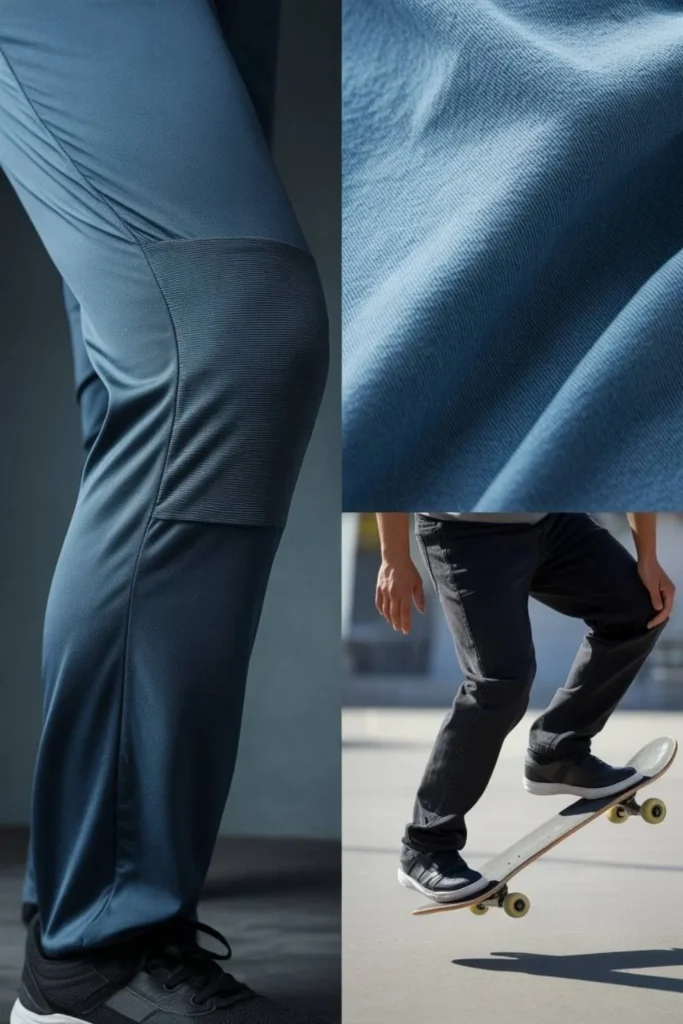
Technical fabrics transform your skating comfort. Polyester blends with spandex offer the ideal combination of moisture management and stretch. These materials move with your body during jumps, spins, and general skating without losing their shape. They also dry quickly if you work up a sweat or take a tumble on wet ice.
Fleece materials provide exceptional warmth-to-weight ratios. A fleece-lined hoodie or polar fleece pants keep you cozy without the bulk of traditional winter wear. Many modern figure skating brands use polartec fabric that allows freedom of movement while providing high thermal performance.
Avoid cotton and denim for ice skating. Cotton absorbs moisture and stays wet, creating a cold, clammy feeling that ruins your experience. Jeans restrict movement and become uncomfortably tight when you bend your knees or attempt skating maneuvers. The stiff fabric also doesn’t stretch, increasing your injury risk during falls.
Read More About : Ice Skating Outfit: Complete Guide to Perfect Rink Style in 2026
What Should You Avoid Wearing Ice Skating?
Baggy clothing poses serious safety hazards at the rink. Loose sweatpants or oversized shirts can catch on your skates or other people’s blades. Excess fabric bunches up during movement, creating uncomfortable friction and limiting your mobility. Stick to fitted pieces that hug your body without being uncomfortably tight.
Long, loose scarves present tripping hazards for you and others on the ice. Similarly, avoid wearing jewelry like necklaces or dangly earrings that can catch on clothing or become distracting during skating. Leave these accessories in your locker.
Overly revealing clothing makes falls more painful and embarrassing. Your outfit needs to provide adequate coverage since you’ll be moving in ways that can shift clothing unexpectedly. Always wear appropriate underlayers beneath shorter pieces like skirts or dresses.
How Do Indoor and Outdoor Ice Skating Outfits Differ?
Indoor ice skating outfits can be lighter since rink temperatures stay relatively consistent. A light sweater or athletic jacket over your base layers typically suffices. You’ll want pieces you can easily remove since your body temperature rises quickly once you start moving around the rink.
Outdoor ice skating demands more strategic layering. A substantial outer layer becomes crucial think long parkas, insulated puffer coats, or faux-fur jackets that block wind and retain heat. Your face and neck need extra protection from cold air, making a properly tucked scarf and warm beanie essential accessories.
Weather conditions dramatically impact outdoor outfit choices. Light snow creates wet conditions requiring water-resistant outer layers. Extreme cold necessitates thermal underlayers and insulated gloves beyond what you’d need indoors. Check the forecast and rink conditions before finalizing your ice skating outfit.
What Makes an Ice Skating Outfit Instagram-Worthy?
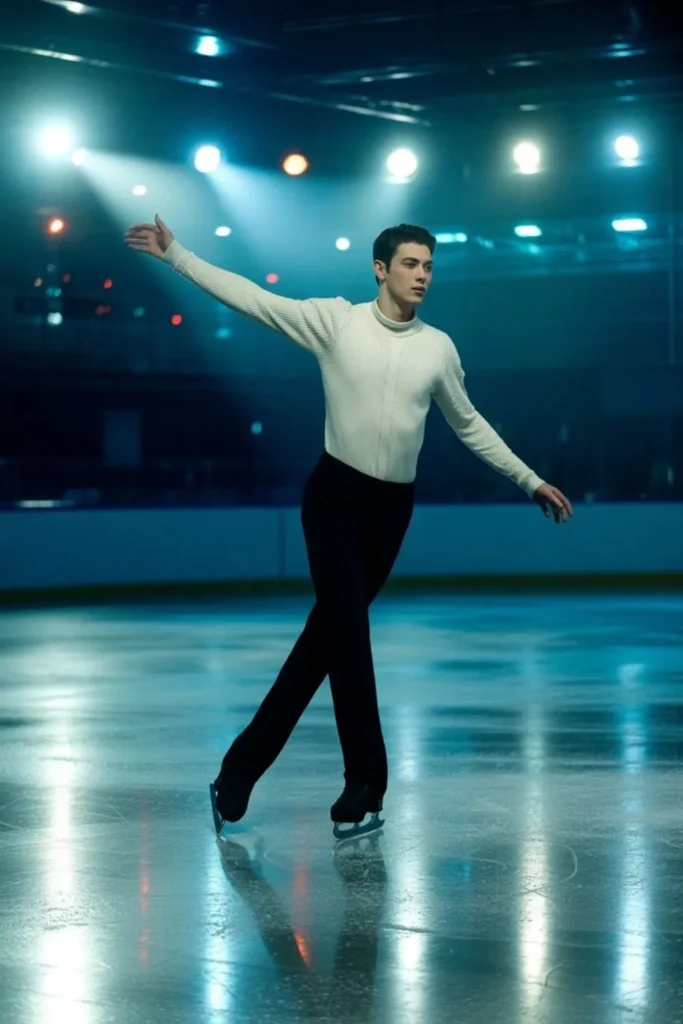
Color coordination elevates any ice skating outfit from functional to fashionable. Choose a cohesive color palette monochromatic looks in cream or black appear sophisticated, while jewel tones like royal blue or emerald green pop against white ice. Match your accessories to your main pieces for a polished, intentional appearance.
Texture mixing adds visual interest to photos. Combine a cable knit sweater with smooth leggings and a fluffy coat for dimensional appeal. The contrast between different fabric textures creates depth that photographs beautifully both on and off the ice.
Fit matters enormously for photo-ready outfits. Pieces should be fitted enough to show your silhouette without being restrictive. Oversized coats work when styled intentionally with fitted bottoms, creating that effortless, editorial look that dominates current winter fashion trends.
Read More About : How Sleepwear Fashion is Redefining Comfort and Style in 2025
FAQ’s
What is the best outfit for first-time ice skaters?
First-timers should wear comfortable leggings or fitted pants, a long-sleeve shirt, and a light jacket they can remove. Add gloves, thin socks, and avoid any baggy clothing that could cause trips or falls.
Can I wear jeans ice skating?
Jeans aren’t ideal for ice skating because the stiff denim restricts movement and becomes uncomfortable when wet from falls. Choose stretchy athletic pants or leggings instead for better mobility and comfort throughout your session.
How do I stay warm ice skating without overheating?
Use strategic layering with a moisture-wicking base layer, lightweight fleece mid-layer, and removable outer layer. Start with more layers and remove pieces as your body warms up from skating activity for optimal temperature regulation.
What socks should I wear for ice skating?
Wear thin wool socks or specialized skating socks instead of thick cotton ones. Thin socks prevent blisters and allow better fit inside ice skates, while wool provides warmth without bulk or moisture retention issues.
Should I wear a helmet ice skating?
Helmets are recommended for beginners, children, and anyone attempting advanced moves. While not required for casual recreational skating, a helmet provides valuable head protection and extra warmth during outdoor skating sessions.
Conclusion
Creating the perfect cute ice skating outfit requires balancing warmth, mobility, and personal style. The right combination of moisture-wicking base layers, fleece mid-layers, and appropriate outer layers keeps you comfortable throughout your skating session. Strategic fabric choices like polyester blends and specialized figure skating leggings deliver both performance and aesthetics. Your accessories from thin wool socks to properly fitted gloves complete your look while serving essential safety functions.
Remember that the best ice skating outfit adapts to your specific situation. Indoor rinks need lighter layering than outdoor winter skating, and your skill level influences whether you prioritize protection or flexibility.
Start with fitted, stretchy pieces that allow full range of motion, add appropriate warmth for your environment, and incorporate your personal style through colors, textures, and coordinated accessories. Whether you’re heading to a casual session with friends or planning a romantic date night, these guidelines ensure you’ll look great and feel confident gliding across the ice.