Cold Weather Outfits: Your Complete Guide to Winter Style
Finding the perfect cold weather outfits that balance warmth with style feels impossible when temperatures drop. You’re stuck choosing between shivering through your day or looking like you’re wearing your entire closet at once. Most people think staying warm means sacrificing fashion, but that outdated mindset leaves you uncomfortable in both directions.
The truth is, mastering winter outfits doesn’t require a complete wardrobe overhaul or expensive designer pieces. Strategic layering, understanding fabric properties, and knowing which pieces work together transforms how you dress for cold weather. With the right approach, you’ll stay cozy without compromising your personal style or breaking the bank on seasonal essentials.
This comprehensive guide walks you through everything needed to create stylish cold weather outfits for any occasion. From understanding the science behind thermal layering to building a versatile winter wardrobe, you’ll discover practical solutions that work in real life, not just on Pinterest boards.
What Makes Cold Weather Outfits Actually Work?
Cold weather outfits succeed when they trap warm air close to your body while blocking external elements. The secret isn’t wearing more clothes it’s wearing the right clothes in the correct order. Understanding this principle transforms your winter style from bulky and uncomfortable to sleek and functional.
Layering creates pockets of insulating air between each garment. Your innermost base layer wicks moisture away from skin, preventing that clammy feeling that makes you cold. The mid-layer provides insulation by trapping body heat, while your outer layer shields you from wind, rain, and snow. This three-tier system adapts to changing temperatures throughout your day.
Fabric selection matters more than quantity. Merino wool, synthetic blends, and fleece trap heat effectively while allowing moisture to escape. Cotton absorbs sweat and holds it against your skin, making you colder as temperatures drop. Down and synthetic insulation offer warmth without excessive bulk, perfect for maintaining a flattering silhouette in cold weather outfits.
Temperature regulation depends on removable layers. Start your day bundled up, then shed pieces as you move between heated indoor spaces and frigid outdoor conditions. This flexibility prevents overheating and sweating, which actually makes you colder once you step back outside. Smart layering keeps you comfortable regardless of activity level.
How Do You Build a Base Layer That Actually Keeps You Warm?
Your base layer forms the foundation of successful cold weather outfits. This skin-hugging garment manages moisture while providing your first line of defense against cold temperatures. Choosing synthetic fabrics or merino wool over cotton prevents that wet, chilled feeling after even minimal exertion.
Thermal underwear and long sleeve base layers should fit snugly without restricting movement. Loose base layers create gaps where cold air infiltrates, while too-tight options restrict blood flow and make you colder. Look for flatlock seams that lie flat against skin, preventing chafing during all-day wear under winter outfits.
Moisture-wicking technology pulls sweat away from your body through capillary action. Modern base layers use polyester blends or merino wool treated with hydrophobic coatings. These fabrics dry quickly, maintaining warmth even during temperature fluctuations. Antimicrobial treatments keep base layers fresh between washes, reducing laundry frequency during extended cold weather periods.
Color matters less than fit and fabric for base layers, but dark neutrals show less through outer garments. Black, charcoal, and navy thermal tops disappear under sweaters and shirts, maintaining a polished appearance. White or cream options work beautifully under turtlenecks and lighter winter outfits when you want seamless layering.
Which Mid-Layers Transform Your Winter Wardrobe?
Mid-layers provide the bulk of insulation in cold weather outfits while adding style to your look. Sweaters, cardigans, fleece jackets, and vests trap warm air while remaining breathable enough for indoor comfort. The right mid-layer collection eliminates that frumpy, overheated feeling common in poorly planned winter outfits.
Chunky knit sweaters deliver warmth and texture to casual cold weather outfits. Cable knit, ribbed, and waffle-weave patterns add visual interest while creating air pockets that boost insulation. Oversized sweaters layer beautifully over fitted base layers and under structured coats, providing versatility across different temperature ranges and dress codes.
Fleece pullovers and zip-ups offer lightweight warmth perfect for active days or milder cold weather. Modern fleece technology provides excellent insulation-to-weight ratios, packing easily into bags when temperatures rise. Quarter-zip styles transition seamlessly from outdoor adventures to casual office environments, making them workhorses in functional winter wardrobes.
Vests and gilets keep your core warm without restricting arm movement or adding bulk under jackets. Down-filled vests pack serious warmth into minimal space, while fleece vests provide breathability during higher-activity periods. Layering vests under coats extends your existing outerwear into deeper winter without purchasing entirely new pieces.
Cardigans and button-front sweaters add sophistication to cold weather outfits while offering easy temperature control. Open them when entering heated spaces, button them for outdoor warmth. Longline cardigans pair perfectly with leggings and boots for effortless weekend style, while cropped options complement high-waisted jeans and midi skirts beautifully.
What Outer Layers Actually Block Wind and Weather?
Outer layers serve as your final defense against wind, rain, and snow in cold weather outfits. Coats, parkas, and jackets must be both weatherproof and breathable, preventing external moisture from soaking in while allowing body heat to escape. Investing in quality outerwear transforms uncomfortable winter days into manageable ones.
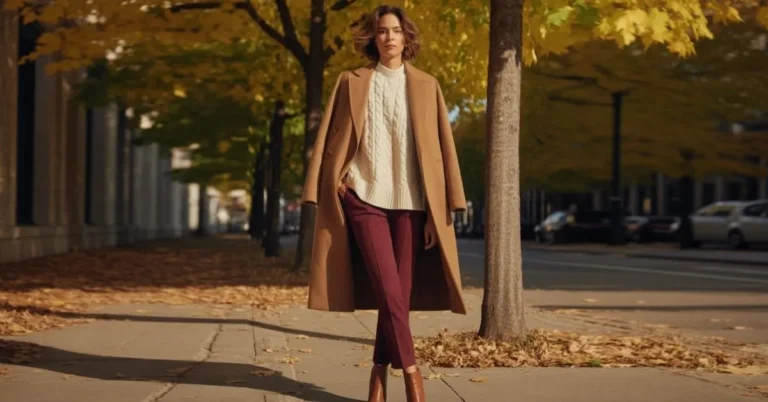
Wool coats provide classic sophistication for dressy cold weather outfits. Camel, black, and navy wool coats never go out of style, pairing beautifully with everything from office attire to date night looks. Length matters midi and maxi coats offer more coverage and warmth, while shorter styles maintain mobility during active days.
Puffer jackets and down coats deliver maximum warmth with minimal weight. Modern puffer designs have moved beyond the marshmallow look, with quilted patterns and strategic seaming creating flattering silhouettes. Packable puffers compress into small bags, perfect for travel or unpredictable weather when you’re unsure if you’ll need extra layers.
Parkas combine insulation with weather resistance, ideal for extreme cold weather conditions. Look for parkas with adjustable hoods, cinched waists, and longer hemlines that cover your hips or thighs. Faux-fur trim adds style while protecting your face from biting winds. Waterproof shells with breathable membranes prevent rain and snow from penetrating while releasing trapped moisture.
Leather jackets and moto jackets work surprisingly well in cold weather outfits when layered correctly. Leather naturally blocks wind, and modern insulated leather jackets incorporate sherpa linings or removable vests. Pair leather jackets with chunky scarves and thermal layers for edgy winter style that maintains warmth without bulk.
How Should You Style Cold Weather Outfits for Work?
Professional cold weather outfits balance workplace dress codes with practical warmth needs. Strategic layering maintains polished appearances while keeping you comfortable during frigid commutes and temperature-controlled offices. Building a work-appropriate winter wardrobe requires versatile pieces that transition smoothly between environments.
Tailored wool coats anchor professional winter outfits, providing warmth without sacrificing sophistication. Choose neutral colors like charcoal, camel, or navy that complement your existing workwear. Belted coats create defined waistlines, while wrap styles offer adjustable coverage. Ensure coat lengths work with your typical office attire knee-length or longer options pair best with dresses and skirts.
Blazers layer beautifully over turtlenecks and button-down shirts for classic work style. In cold weather, choose wool blazers or tweed options that provide insulation alongside structure. Oversized blazers accommodate thicker base layers without looking bunched or uncomfortable. Pair with wool trousers or pencil skirts for timeless professional looks.
Sweater dresses simplify cold weather workwear when paired with tights and knee-high boots. Midi-length sweater dresses in ribbed knit or cashmere blends look polished while keeping you warm during all-day office wear. Add a belt to define your waist, and layer with a tailored coat for commuting. Neutral tones and simple silhouettes maintain professional aesthetics.
Turtlenecks and mock necks provide coverage without the bulk of scarves indoors. Layer them under blazers, v-neck sweaters, or button-down shirts for sophisticated cold weather outfits. Merino wool turtlenecks offer warmth without overheating in climate-controlled offices. Choose fitted styles that tuck smoothly into trousers and skirts.
What Are the Best Casual Cold Weather Outfit Combinations?
Casual cold weather outfits prioritize comfort without sacrificing style. Weekend looks, running errands, or coffee dates all benefit from thoughtfully layered pieces that keep you warm while expressing your personal aesthetic. Building a versatile casual winter wardrobe means investing in pieces that mix and match effortlessly.
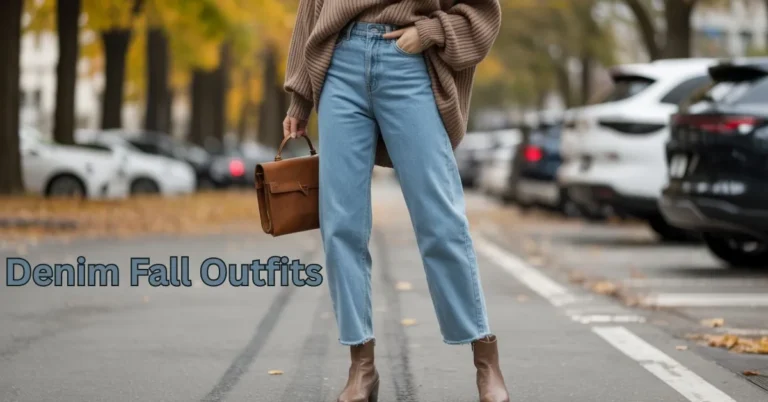
Jeans form the foundation of countless casual cold weather outfits. Dark wash denim looks polished, while black jeans create sleek, streamlined silhouettes. High-waisted styles pair perfectly with tucked-in sweaters and oversized coats. Straight-leg and wide-leg jeans accommodate thermal tights underneath for extra warmth during extreme cold weather.
Leggings offer unbeatable comfort in casual winter outfits when styled thoughtfully. Fleece-lined leggings provide warmth without the bulk of traditional pants. Pair with oversized sweaters, tunic tops, or long cardigans that cover your hips and thighs. Add ankle boots or sneakers and a puffer jacket for weekend-ready looks.
Sweatpants and joggers have evolved beyond gym wear into legitimate casual cold weather outfits. Choose tapered styles in neutral colors, pairing them with fitted sweaters and structured coats for balanced proportions. Matching sets in fleece or knit fabrics create intentional, put-together looks without requiring much styling effort.
Flannel shirts and shackets (shirt-jacket hybrids) add layers and texture to casual cold weather outfits. Oversized flannel over graphic tees and thermal layers creates relaxed, cozy vibes. Sherpa-lined shackets function as lightweight outerwear during milder cold weather or as mid-layers under heavier coats when temperatures plummet.
How Do You Accessorize Cold Weather Outfits Effectively?
Accessories complete cold weather outfits while providing crucial warmth to vulnerable areas. Hats, scarves, gloves, and boots protect extremities from frostbite while adding personal style to your looks. Choosing functional accessories that complement your aesthetic elevates winter outfits from purely practical to genuinely fashionable.
Beanies and knit hats keep significant body heat from escaping through your head. Wool, cashmere, and acrylic blends provide warmth while maintaining shape. Oversized beanies create relaxed, casual vibes, while fitted skull caps suit sleeker cold weather outfits. Ensure hats cover your ears completely exposed ears become painfully cold quickly in frigid temperatures.
Scarves protect your neck and face while adding color and texture to winter outfits. Chunky knit scarves in neutral tones pair with everything, while patterned or colorful scarves make statement pieces. Learn to tie scarves in various ways loop wraps, Parisian knots, and blanket scarves all offer different coverage levels. Cashmere scarves feel luxurious without excessive bulk.
Gloves and mittens keep hands functional in cold weather. Leather gloves with fleece linings balance style with warmth, while knit mittens maximize heat retention. Touchscreen-compatible gloves let you use your phone without exposing fingers to freezing air. Keep backup gloves in your bag, car, and coat pockets lost gloves are a winter inevitability.
Boots complete cold weather outfits while keeping feet warm and dry. Knee-high boots pair beautifully with dresses, skirts, and skinny jeans. Ankle boots work with virtually everything, from jeans to trousers to leggings. Waterproof boots with insulated linings handle snow and slush, while suede or leather boots suit drier conditions. Choose boots with good traction slipping on ice ruins any outfit instantly.
What Cold Weather Outfit Mistakes Should You Avoid?
Common cold weather outfit mistakes leave you uncomfortable, unfashionable, or both. Understanding what doesn’t work helps you avoid these pitfalls when building your winter wardrobe. Learning from others’ errors saves money and frustration during the coldest months.
Cotton base layers trap moisture against your skin, making you colder as temperatures drop. Skip cotton thermal underwear and cotton turtlenecks in favor of synthetic blends or merino wool. Cotton works fine for outer layers like denim or sweaters, but never as your first layer against skin during cold weather activities.
Over-layering creates bulk without proportional warmth gains. Wearing four thin layers doesn’t equal wearing two proper insulating layers. Too many layers restrict movement and make you look shapeless. Focus on quality insulating fabrics in your mid-layers rather than simply piling on more garments.
Ignoring your extremities ruins otherwise perfect cold weather outfits. Cold hands, feet, or heads distract from everything else, making you miserable regardless of how warm your torso stays. Invest in proper hats, gloves, and insulated boots these accessories protect the areas most vulnerable to frostbite and discomfort.
Sacrificing fit for warmth creates unflattering silhouettes. Oversized coats should be intentionally oversized, not just too large. Layers should fit smoothly under each other without bunching or gaping. Proper fit maintains your shape while providing necessary insulation warmth and style aren’t mutually exclusive in cold weather outfits.
How Can You Transition Cold Weather Outfits Between Seasons?
Transitional cold weather outfits extend your wardrobe usefulness beyond deep winter. Strategic pieces work from fall through early spring, maximizing your clothing investments. Understanding how to layer and adapt looks for changing temperatures keeps you comfortable and stylish year-round.
Lightweight jackets and blazers form the foundation of transitional layering. Leather jackets, denim jackets, and trench coats work beautifully in milder cold weather when paired with appropriate layers. Add scarves and layers as temperatures drop, or wear them solo during warmer transitional days.
Long-sleeve dresses transition seamlessly with strategic layering. Summer dresses gain winter potential when paired with tights, boots, cardigans, and coats. Sweater dresses work spring through fall, accessorized differently for each season. Midi and maxi dresses offer more coverage than minis, simplifying cold-to-warm transitions.
Boots and booties work across multiple seasons in cold weather outfits. Ankle boots style beautifully with cropped jeans in spring, dresses in summer, and layers in winter. Knee-high boots transition from fall styling with skirts to winter pairing with thermal tights. Neutral colors in leather or suede maximize versatility.
Layered accessories adapt looks for temperature changes throughout transitional periods. Light scarves add warmth during cool mornings but pack easily into bags as days warm. Cardigans and light sweaters provide just-enough coverage during early spring or late fall cold weather without the commitment of heavy coats.
What Cold Weather Outfit Essentials Belong in Every Wardrobe?
Core cold weather outfit essentials form the foundation for countless looks throughout winter. These versatile pieces mix and match effortlessly, creating variety without requiring closet overflows. Investing in quality basics simplifies getting dressed during the busiest, coldest months.
Base layer sets in neutral colors work under every cold weather outfit. Black, gray, or nude thermal tops and bottoms disappear under outer layers while providing consistent warmth. Owning multiple sets means clean base layers stay available even when laundry piles up during busy weeks.
Neutral sweaters in various styles provide endless layering options. Crewneck, v-neck, turtleneck, and cardigan styles in black, gray, camel, and navy pair with everything from jeans to dress pants to skirts. Cashmere or merino wool offers luxury, while cotton blends provide budget-friendly warmth.
Dark denim works harder in cold weather wardrobes than any other single piece. Black and dark wash jeans pair with everything, dress up or down effortlessly, and hide winter’s inevitable slush stains. Straight-leg and wide-leg cuts accommodate thermal tights underneath when temperatures plummet.
Versatile coats in neutral colors serve as your cold weather outfit anchors. One excellent wool coat and one puffer jacket cover most winter situations. Choose colors that complement your existing wardrobe black, camel, navy, or gray work with virtually everything, ensuring your coat investment gets maximum wear.
Knee-high boots elevate cold weather outfits while providing coverage and warmth. Black or brown leather boots pair with dresses, skirts, jeans, and leggings. Look for insulated options with water-resistant treatments that handle varied weather conditions without sacrificing style.
FAQ’s
What temperature requires cold weather outfits?
Cold weather outfits become necessary when temperatures drop below 50°F (10°C). At this point, layering helps maintain body temperature comfortably. Below 32°F (0°C), comprehensive winter outfits with proper base layers, insulation, and weatherproof outer layers become essential to prevent hypothermia and frostbite.
How many layers should cold weather outfits have?
Effective cold weather outfits typically use three layers: a moisture-wicking base layer, an insulating mid-layer, and a weatherproof outer layer. In extreme cold, add multiple mid-layers or heavier insulation. The key isn’t quantity but quality proper fabrics and fit matter more than simply wearing more clothes.
Can you wear dresses in cold weather outfits?
Absolutely! Dresses work beautifully in cold weather outfits when styled correctly. Sweater dresses provide built-in warmth, while lighter dresses layer over thermal tights or leggings. Add knee-high boots, coats, and scarves for complete coverage. Midi and maxi dresses offer more warmth than shorter styles.
What fabrics work best for cold weather outfits?
Merino wool, synthetic blends, fleece, and down provide excellent warmth-to-weight ratios in cold weather outfits. Avoid cotton base layers as they trap moisture and make you colder. For outer layers, weatherproof shells with breathable membranes keep rain and wind out while allowing moisture to escape from inside.
How do you style cold weather outfits without looking bulky?
Choose fitted base layers and mid-layers that trap heat without excess fabric. Oversized outerwear should be intentionally oversized, creating contrast with slimmer layers underneath. Monochromatic color schemes create sleek, elongated silhouettes. Structured coats with belts define your waist, preventing shapeless bulk in cold weather outfits.
Conclusion
Mastering cold weather outfits doesn’t require designer budgets or stuffed closets. Strategic layering, quality base layers, insulating mid-layers, and weather-resistant outer layers keep you warm while maintaining your personal style. Understanding fabric properties and fit principles transforms how you approach winter dressing, making cold mornings less daunting.
Your winter wardrobe succeeds when versatile essentials mix and match effortlessly across casual, professional, and dressy situations. Investment pieces like quality coats, versatile boots, and neutral sweaters serve you season after season when properly cared for and stored. Cold weather outfits balance function with fashion, proving warmth and style coexist beautifully when you know how to layer correctly and choose appropriate fabrics for your climate and activities.