60 Classy Nail Trends for Everyday Wear in 2026
Your nails say more about your style than you realize, and right now they’re probably sending mixed signals. Between outdated colors and trends that only work on Instagram, achieving classy nail trends for everyday wear feels harder than it should. The result is a manicure that either feels boring or wildly impractical for real life.
That gap matters. Nails that clash with work outfits, chip too fast, or demand constant upkeep quietly undermine a polished look. Many 2026 trends promise elegance but ignore how often you type, commute, or switch outfits in a week.
The solution is a smarter middle ground. These 60 trends focus on refined colors, wearable finishes, and realistic lengths that look intentional every day, not just in photos.
What Makes a Nail Trend Actually Wearable for Daily Life?
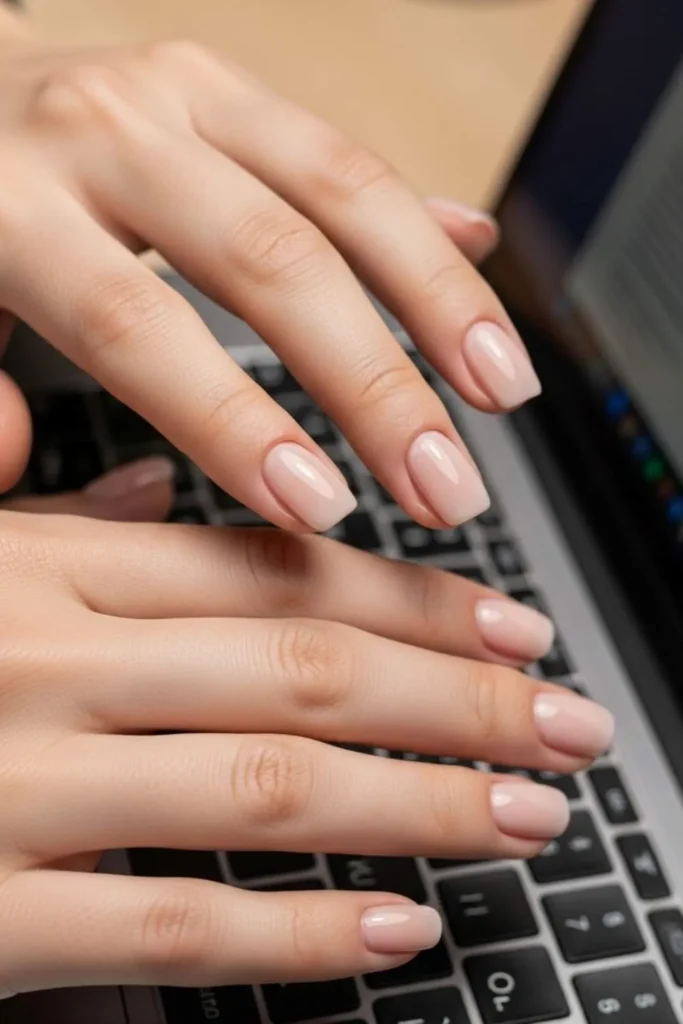
Wearable nail trends feel polished yet practical, fitting everyday life rather than just special occasions. The distinction matters because a trend can look stunning in editorial photos while proving impractical for typing, cooking, or simply getting through your day. True everyday elegance means your nails enhance your presence without becoming a liability.
The best daily nail trends share three characteristics: they complement multiple outfit styles without clashing, they maintain their appearance between salon visits, and they work within professional environments while still expressing personality. The most expensive-looking manicures of 2026 are refined, luxurious, and understated, with colors that whisper rather than shout. This approach transforms your nails from decoration into a subtle status symbol.
Length plays a crucial role in wearability. Intentionally short nails are seeing a comeback, creating a petite length that feels modern, wearable, and slightly editorial. The shift reflects a broader move toward practicality without sacrificing style. Shorter nails resist breakage, require less maintenance, and allow you to perform daily tasks without constant awareness of your manicure.
How Do Neutral Nail Colors Work Differently in 2026?
Neutrals have evolved beyond basic beige. The shift toward wellness-led, natural-looking nails means soft, natural shades that enhance the look and feel of natural nails. This year’s neutral palette focuses on warmth and depth rather than the cool, flat tones that dominated previous seasons. The difference transforms neutrals from background colors into intentional design choices.
Cashmere cream, an ultra-soft creamy beige, looks like a luxury cashmere jumper translated into nail polish form. This shade exemplifies the new neutral direction: warm enough to flatter most skin tones, substantial enough to feel deliberate, yet understated enough for any context. It pairs seamlessly with everything from business suits to weekend denim while maintaining an elevated aesthetic.
Brown tones dominate the refined neutral category. Java brown appears in a multitude of ranges and tones, from deep espresso to latte hues, offering something chic and elegant that’s not as dramatic as black. These chocolate-inspired shades work year-round, looking equally sophisticated in winter’s cold temperatures and summer’s warmth. The versatility makes them ideal investment shades for those building a practical nail polish collection.
Sheer grey represents another neutral evolution. Sheer grey nails offer a hint of color with a fresher feel than traditional milky white tones, creating a barely-there smoke-like effect. The key lies in maintaining transparency so your natural nail shows through, creating depth rather than opacity. This approach suits those wanting color without commitment.
Read More About : Icy Chrome Nails: 25 Stunning Ideas to Elevate Your Winter 2025 Look
Which Finishes Create Sophistication Without High Maintenance?
Finish selection dramatically impacts how professional and polished your nails appear. Pearlescent finishes with soft micro-sheen give nails a gentle glow without being flashy, ideal for a minimalist yet luxe vibe. Unlike traditional shimmer that can read as juvenile or overly decorative, pearl finishes catch light subtly, adding dimension while maintaining sophistication.
Pearl nails have evolved into a soft micro-fine sheen that almost looks lit-from-within, creating a subtle glow that feels angelic and expensive. This technique has become particularly popular for bridal manicures because it photographs beautifully while appearing natural in person. The effect works by using specialty gel formulas that contain light-reflecting particles smaller than traditional shimmer.
Cat eye finishes continue gaining attention but with refinement. Cat eye nail polish uses magnetic particles that shift when exposed to a magnet, forming a reflective line that gives nails depth and movement without intricate artwork. The magnetic effect creates a subtle stripe that catches light as you move your hands, providing visual interest without pattern overload. Modern formulas come in neutral bases, making them appropriate for conservative environments.
Jelly finishes offer another sophisticated option. Jelly finish nails feature sheer, gloss-like layers that create depth without heavy pigment, allowing natural tones to show through for a lightweight glassy effect. This translucent approach suits those wanting color intensity dialed down while maintaining visual interest. The finish works particularly well in soft pinks, peaches, and lavender for spring and summer.
Why Are Micro French Tips More Wearable Than Classic French?
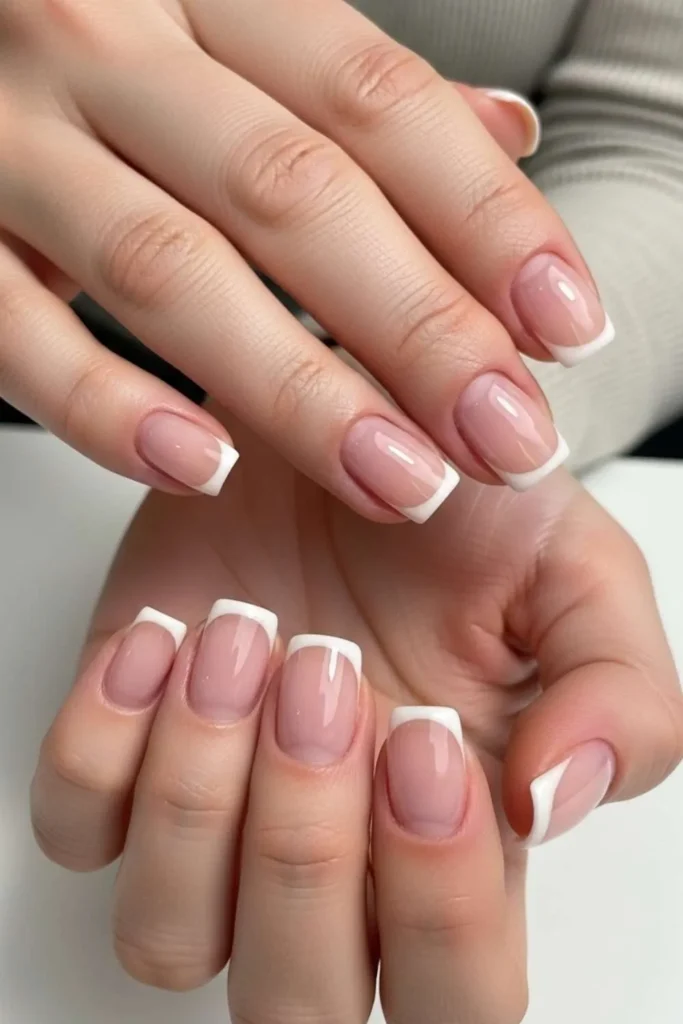
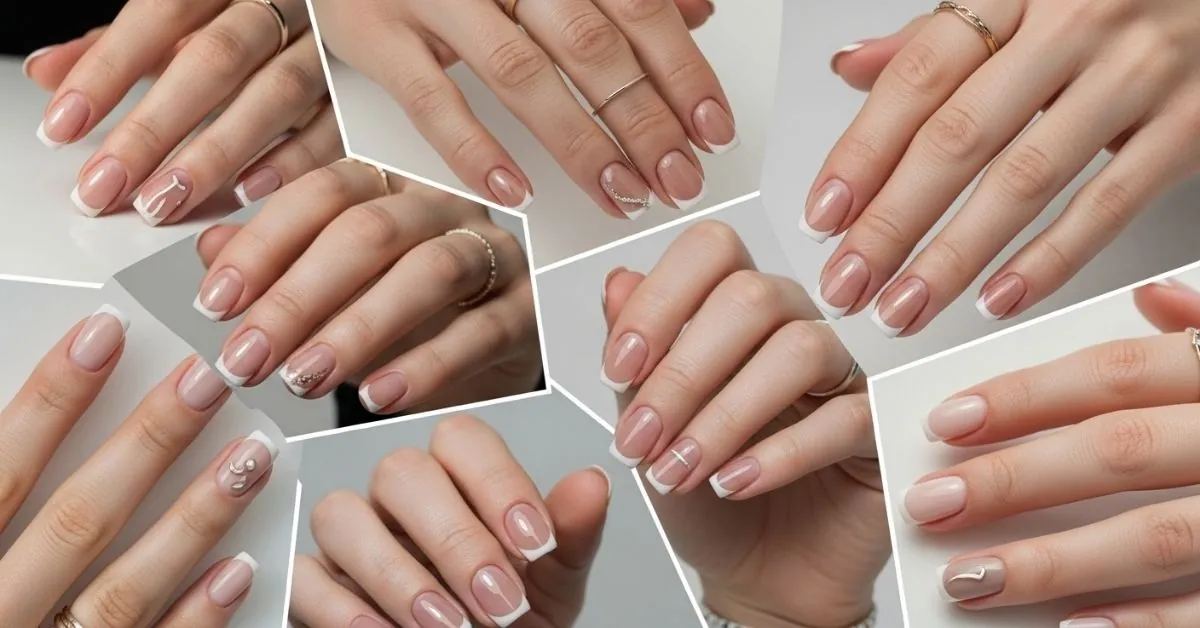
The French manicure has transformed from its traditional white-tipped origins. Micro French tips represent the evolution of the classic design, offering a subtle twist on the traditional look. The “micro” aspect refers to thinner tip lines that appear more delicate and modern compared to the chunky white tips that dominated early 2000s manicures.
This scaled-down approach offers several practical advantages. Thinner tips require less precision to maintain between salon visits, making regrowth less obvious. They also appear more natural, which matters in professional settings where dramatic nail art might feel inappropriate. The subtle scaling allows you to maintain the French manicure’s lengthening effect without the dated appearance that fuller tips can create.
Color variations expand the French tip’s versatility. Unlike traditional white, Unusual French manicures incorporate pastels, burgundies, reds, and various shades beyond creamy white. These alternatives let you adapt the concept to different seasons and moods while maintaining the design’s clean, structured appearance. A burgundy tip feels autumn-appropriate, while a soft sage works for spring.
The clean line itself serves as the design’s focal point rather than the color choice. This structural approach means micro French tips work as a foundation for further customization. You might add a single metallic accent line or incorporate a subtle ombré gradient, building complexity gradually while keeping the overall effect restrained.
What Role Does Nail Shape Play in Achieving Classy Results?
Shape selection fundamentally alters how polished your manicure appears. The squoval shape, a middle-ground between square and oval, creates a simple rounded square that suits any design or color with understated sophistication. This hybrid approach combines the durability of square nails with the elegance of rounded shapes, offering practical benefits alongside aesthetic appeal.
Squoval nails resist breakage better than pure oval shapes because they lack sharp corners that can catch and crack. The slightly squared shape also provides a larger surface area for nail art or color application, though this benefit matters more for those choosing designs. For everyday wear, squoval nails simply look intentional and well-maintained without requiring extreme length.
Micro shapes like ultra-short versions of almond or square are part of the broader movement toward understated luxury. These abbreviated versions maintain the shape’s characteristic silhouette while dramatically reducing length. The approach suits those whose lifestyles or professions make longer nails impractical, offering a way to participate in shape trends without the associated challenges.
Almond shapes continue their reign for those who prefer moderate length. Elongated almond remains timeless but is becoming slimmer and more sculpted, less dramatic than previous years. The refinement reflects the broader shift toward restraint in nail trends. Where past almond shapes might have appeared claw-like, current iterations emphasize grace and proportion.
Read More About : Black Fall Nails: 20 Stunning Ideas to Elevate Your 2025 Manicure
How Do You Choose Between Matte and Glossy Finishes?
Finish choice dramatically affects how formal or casual your nails appear. Glossy finishes remain the classic choice for several reasons: they’re universally flattering, they make colors appear more vibrant, and they create an immediate polished impression. High-shine gel finishes or wet-look manicures create that luxe, polished appearance. The mirror-like reflection suggests careful attention to detail and professional application.
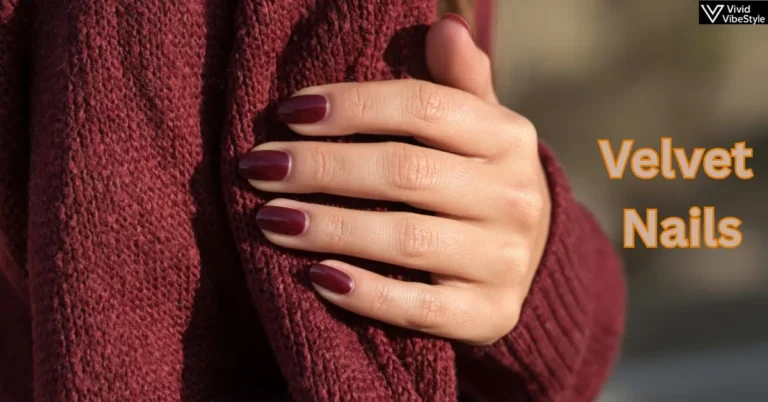
Matte finishes offer a contemporary alternative that reads as more editorial. Matte top coats maintain looks grounded and highly compatible with the neutral wave shaping 2026. The flat finish eliminates light reflection, creating a velvety appearance that feels deliberately understated. This quality makes matte particularly effective for deep, rich colors like burgundy or chocolate brown, where gloss might appear too flashy.
The practical difference matters for maintenance. Glossy finishes show chips and wear more obviously because any disruption to the smooth surface catches light. Matte finishes conceal minor imperfections better, potentially extending the time between touch-ups. However, matte surfaces can appear duller after contact with oils from skin or products, requiring occasional refresh with matte top coat.
Combining both finishes creates visual interest without pattern. You might choose glossy color with matte tips, or vice versa. This mixed approach adds dimension while maintaining simplicity. The contrast itself becomes the design element, eliminating the need for actual nail art while still creating a custom look.
What Makes Moody Colors Different From Traditional Darks?
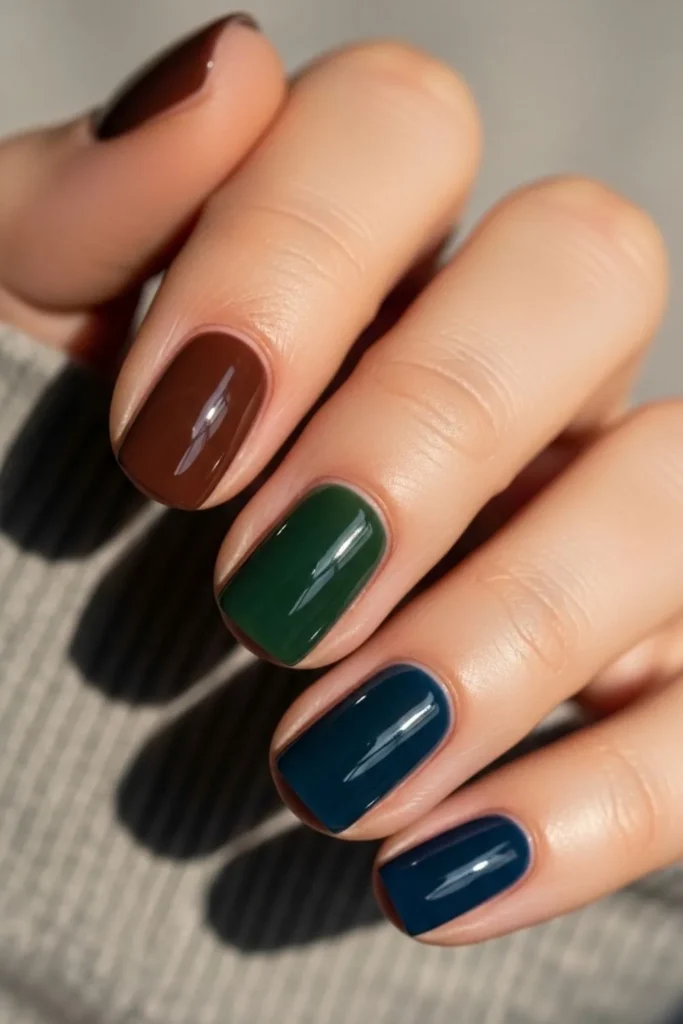
Deep chocolate, inky blues, mossy greens, and earthy terracottas create the most sophisticated nails of 2026, appearing indulgent yet grounded. These atmospheric shades differ from pure black or navy by incorporating complex undertones that shift in different lighting. The depth feels deliberate rather than gothic, making them appropriate for professional contexts.
Moody colors work because they balance drama with wearability. These colors are wearable for everyday occasions yet elevated enough to feel deliberate and powerful. A deep plum reads as professional during business hours but transitions seamlessly to evening events. This versatility eliminates the need to change your manicure based on your schedule.
The richness of moody tones creates visual weight without pattern. Instead of relying on design elements for impact, the color itself provides depth. This quality particularly suits shorter nail lengths, where elaborate designs might appear cramped or busy. A solid application of deep forest green or burgundy makes short nails appear intentional rather than incomplete.
Seasonal adaptability represents another advantage. While bright colors often feel confined to specific seasons, moody tones transition smoothly throughout the year. Deep terracotta works in autumn but also complements summer tans. Inky blue feels appropriate in winter’s cold but doesn’t clash with spring’s arrival. This year-round functionality makes them practical choices for those who dislike frequently changing their nail color.
Why Do Sheer Colors Feel More Expensive Than Opaque?
Nude nails remain in style because they don’t distract from the intricacy and details of clothes. This quality makes sheer formulas particularly valuable for those with carefully curated wardrobes. Your nails become a complement rather than a focal point, allowing other style elements to take priority without your manicure appearing neglected.
Sheer application creates depth through layering. Unlike opaque colors that sit on the nail surface, sheer formulas allow your natural nail to show through, creating dimension. Nuance nails feature layered, sheer, slightly unpredictable gossamer colors including watercolor creations and jelly nail finishes. This technique produces colors that shift subtly as light changes, appearing more complex and considered than flat, opaque alternatives.
The technical execution matters significantly. Achieving the perfect sheer effect requires multiple thin coats rather than fewer thick applications. This layering builds color gradually, creating a translucent wash rather than streaky coverage. The result appears effortless while actually requiring more precision and patience than opaque formulas.
Sheer colors also flatter a wider range of skin tones. Because they incorporate your natural nail color, they automatically harmonize with your complexion in a way that opaque shades might not. This quality makes them particularly valuable for those who struggle to find their perfect nude or neutral shade.
Read More About : Simple Winter Nails: 40+ Effortless Minimalist Designs That Define 2025’s Chic Season
How Can You Incorporate Metallic Elements Without Looking Overdone?
Micro nail art includes delicate florals and fine metallic detailing that feel elegant rather than busy. The key lies in scale and placement. A single thin metallic line along the nail edge provides accent without overwhelming. Small metallic dots placed strategically create visual interest while maintaining restraint.
Nails with thin metal lines painted on the cuticle area are simple yet create the effect of wearing nail jewelry. This technique adds sophistication through subtlety. The metallic accent frames your nail without covering it, similar to how delicate jewelry accents an outfit without dominating it. Gold or rose gold lines work particularly well against nude or sheer bases.
The finish selection affects how metallic elements read. Brushed or satin metallic finishes appear more understated than mirror-shine chrome. They catch light gently rather than reflecting it intensely, creating dimension without flash. This quality makes them more appropriate for professional environments where high-shine metallics might feel too attention-seeking.
Placement strategy determines whether metallic accents enhance or overwhelm. Concentrating metallic elements on one or two accent nails maintains balance. Alternatively, using metallic only as a thin tip or a delicate stripe across all nails distributes the element evenly while keeping individual nails understated. Either approach prevents the metallic from dominating your overall look.
What’s the Difference Between Minimalist and Boring Nails?
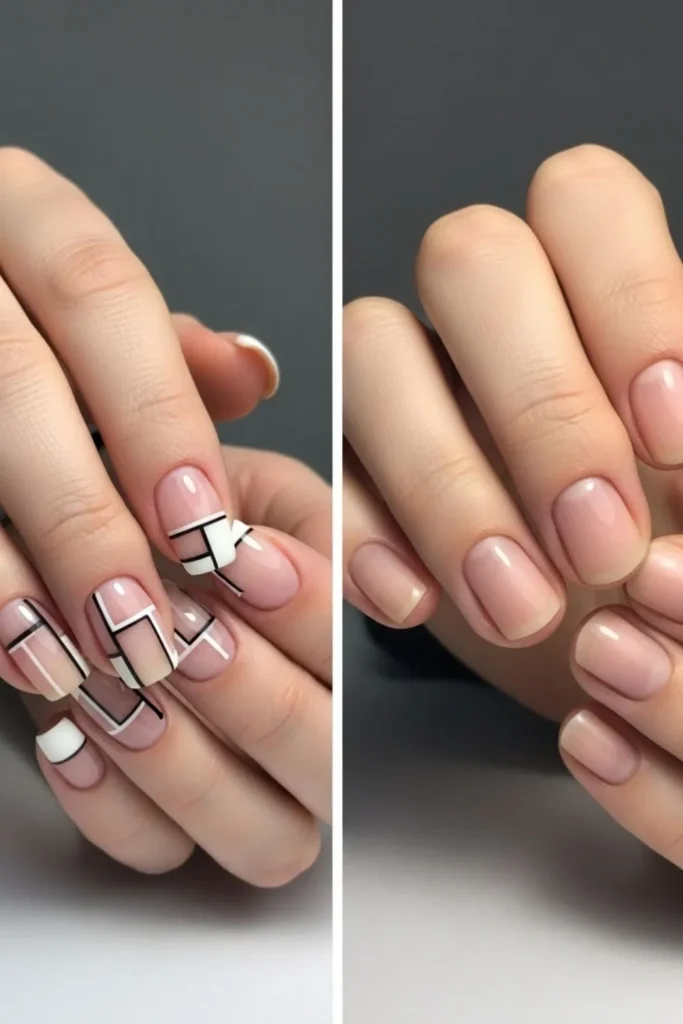
Minimalist manicures emphasize design through color-blocking, simple color bands, or clean outlines rather than absence of design. The distinction matters because true minimalism involves intentional choices that create visual interest through restraint. Boring nails simply lack thought or effort.
Minimalist designs use negative space deliberately. Rather than covering the entire nail, they might leave portions bare, creating contrast between painted and unpainted areas. This approach requires planning: the negative space itself becomes a design element rather than an oversight. A single vertical stripe of color with a bare nail on either side, for instance, creates impact through simplicity.
Quality execution separates minimalist from careless. Minimalist manicures demand precise application because there’s nowhere to hide mistakes. Clean lines, smooth color application, and careful cuticle work all become more visible when the design itself is spare. This attention to detail creates the impression of sophistication rather than negligence.
Color choice matters significantly in minimalist approaches. Minimalism in 2026 emphasizes clean, well-groomed natural nails, with the bare-nail aesthetic becoming its own fashion statement. Even choosing a sheer buff shade rather than leaving nails completely bare represents an intentional decision. The barely-there color adds polish without pattern, maintaining minimalism while avoiding the “forgot to do my nails” appearance.
Which Blue Tones Work for Professional Environments?
Stormy blue, somewhere between graphite and powder blue, provides a moody shade with hints of gray that appears sophisticated. These muted blues avoid the brightness that might feel too casual for conservative workplaces. The gray undertones ground the color, preventing it from reading as playful or juvenile.
Icy blue tones feel like clean, crisp January breaths, offering an elevated, clean, subtly playful shade perfect for stepping into a new season with clarity. These cooler blues work particularly well in professional settings because they suggest precision and calm. The association with winter and ice gives them a refined quality that brighter blues lack.
Medium-wash denim blue represents another office-appropriate option. Denim blue works like a neutral alternative for many outfits but with more personality, offering a refined, sophisticated edge that’s still wearable every day. The familiarity of denim makes this shade feel accessible rather than bold, while the blue itself provides enough interest to elevate the look beyond basic neutrals.
The key to professional blue nails lies in opacity and finish. Sheer blues can appear almost neutral, particularly in natural light. Opaque blues in muted tones work when paired with glossy finishes that suggest polish and attention to detail. Avoiding bright, saturated blues keeps the color within professional boundaries while still offering an alternative to standard neutrals.
Read More About : Winter Aura Nails: 45+ Ethereal Designs That Capture 2025’s Most Enchanting Manicure Trend
How Do You Make Red Nails Feel Modern Rather Than Classic?
Tomato red with orange undertones represents a bright, cheery color that’s having its moment, distinct from traditional dark reds. This warmer, lighter interpretation of red feels current rather than retro. The orange base prevents the color from appearing too formal or vintage, making it suitable for daytime wear and casual contexts.
Rich reds continue to lead with claret, merlot, burgundy, and cranberry tones offering depth and sophistication. These wine-inspired shades avoid the blue undertones that make some reds appear overly dramatic or costume-like. The warmth feels luxurious and intentional, transforming red from a bold statement into a refined choice.
Finish selection dramatically affects how red nails register. Glossy crème burgundy invites depth while matte finishes look luxe and vintage. The same color can feel entirely different based on surface treatment. Glossy burgundy appears polished and formal, suitable for evening events. Matte burgundy feels more editorial and contemporary, working well for daytime professional settings.
Application technique influences the final impression. Perfectly smooth, even application suggests sophistication and care. Any streaking or patchiness, particularly visible with red shades, undermines the polished effect. This makes red particularly demanding but also particularly rewarding when executed well. The color’s intensity amplifies both flaws and excellence in application.
What Makes Green a Wearable Everyday Color?
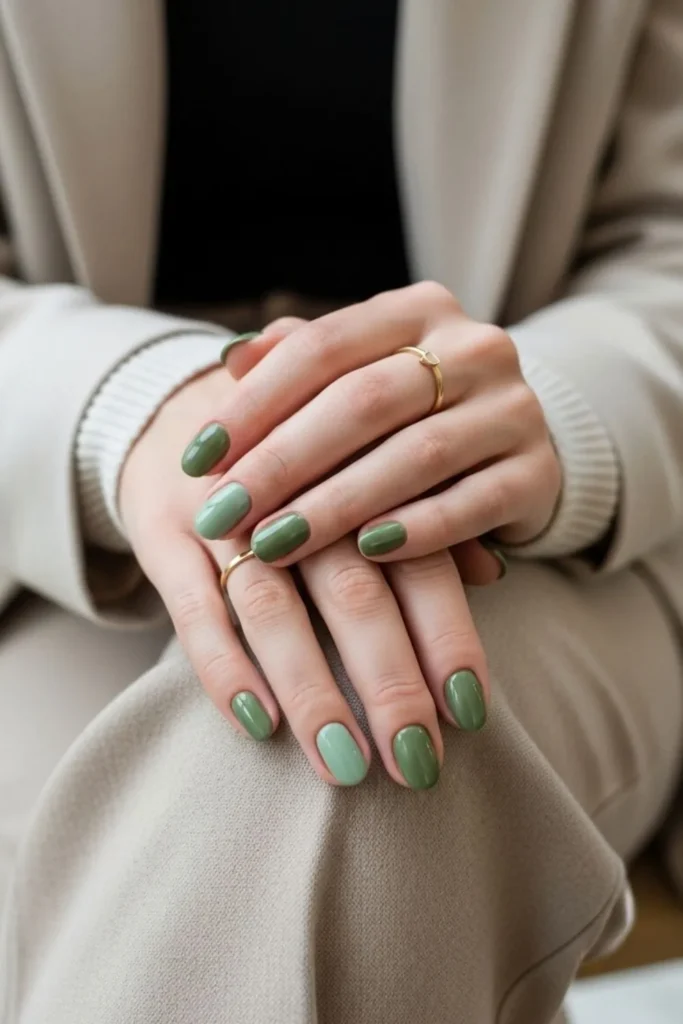
Soft earthy greens help people connect to nature and eco-consciousness, extending to wardrobe and fingertips. This psychological association makes green feel grounding rather than jarring. Sage, moss, and olive tones in particular suggest calm and balance, qualities that translate well to everyday wear.
Sage green functions as a new neutral, going with practically any outfit and looking especially luxe against shades of brown. This versatility makes green surprisingly practical. The muted, gray-toned greens coordinate with both warm and cool colors in your wardrobe, functioning almost like an elevated neutral while still providing distinct color.
The shift from bright to muted greens enables everyday wearability. Where neon or grass green might clash with professional attire, dusty sage or forest green complement business wear. These sophisticated greens suggest refinement rather than playfulness, making them appropriate across contexts from board rooms to weekend brunches.
Seasonal associations also support green’s practicality. While some colors feel confined to specific seasons, green spans the calendar. Sage works in spring’s renewal, olive suits autumn’s earthiness, and deep forest green complements winter’s richness. This year-round applicability means you can wear green consistently without it feeling seasonally mismatched.
Why Do Mixed Manicures Look More Intentional Than Matchy-Matchy?
Mix-and-match nail polishes using complementary luxe tones create visual interest that falls between minimal and time-consuming. This approach allows personalization without requiring complex nail art skills. Selecting two or three coordinating colors and distributing them across your nails creates a custom look that appears considered rather than random.
Color theory guides successful mixing. Analogous colors those adjacent on the color wheel create harmonious combinations. Sage green paired with shades of brown like camel, caramel, or cocoa looks luxe and coordinated. These combinations feel sophisticated because they share undertones, creating cohesion despite using multiple colors.
Contrasting combinations require more care but deliver more impact. Deep espresso polish juxtaposed against girly pink and muted olive creates a winter-appropriate combination despite lighter tones. The key lies in balancing values the lightness or darkness of each color. Mixing lights and darks creates visual rhythm, preventing the combination from appearing muddy or chaotic.
Texture variation enhances mixed manicures further. Combining glossy and matte finishes, or incorporating one nail with subtle shimmer among opaque colors, adds another dimension beyond hue alone. This multi-layered approach to mixing creates depth and interest while maintaining the restraint that characterizes classy everyday wear.
Read More About : Christmas French Tip Nails: 50+ Festive Holiday Manicure Ideas That Will Make Your Season Sparkle
How Does Nail Length Affect Color Choices?
Shorter nails benefit from simpler color approaches. Almond milk white looks especially chic on short nails, giving instant stealth wealth energy. The limited surface area of short nails makes elaborate designs appear cramped, but solid colors or subtle variations show beautifully. Lighter shades in particular make short nails appear clean and intentional rather than bitten or broken.
Longer nails can support more complex color work. Gradient effects, color blocking, or multiple accent shades have adequate space to develop. However, this doesn’t mean longer nails require complexity. Taupe with micro metallic tips works beautifully, providing sophistication that suits workdays and low-maintenance wardrobes. The length simply provides options for either simplicity or elaboration.
Nail shape interacts with color in unexpected ways. Almond shapes make colors appear more delicate due to the tapered tip. Square shapes give colors a bolder, more graphic quality. Squoval nails fall between these extremes, offering flexibility in how colors register. Understanding this interaction helps you select colors that complement your preferred shape.
Saturation level matters differently at various lengths. Highly saturated colors can overwhelm very short nails, making them appear stubby. Sheer or medium-saturation shades elongate short nails visually. Conversely, very sheer colors on long nails might appear unfinished. Matching saturation to length ensures your color choice enhances rather than works against your nail dimensions.
What Should You Know About Maintaining Classy Nails Between Appointments?
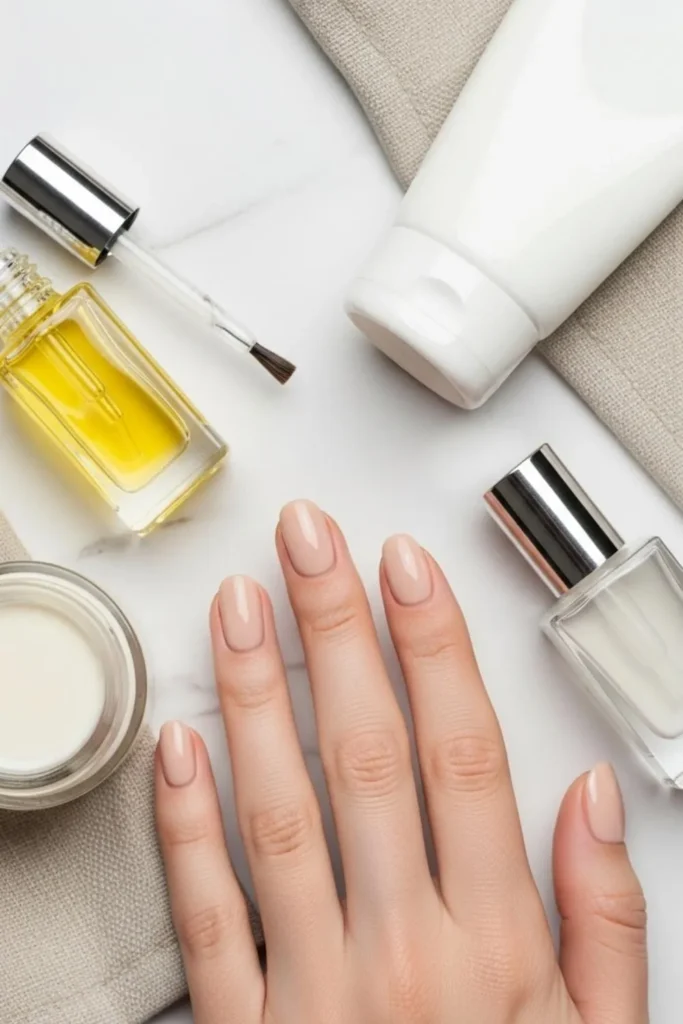
Touch-up strategy depends on your base color choice. Natural-looking wellness-led shades that enhance natural nails require less obvious maintenance. When regrowth blends with your base color, you can extend time between full manicures. Sheer nudes, soft pinks, and your-nails-but-better tones all fall into this low-maintenance category.
Cuticle care remains essential regardless of polish choice. Moisturizing cuticles daily prevents the ragged, neglected appearance that undermines even fresh polish. Clean, conditioned cuticles frame your nails properly, making the entire hand appear well-maintained. This foundational care matters more than constantly fresh polish for achieving an overall polished impression.
Top coat application extends manicure life significantly. Applying a thin layer of top coat every two to three days seals your color and restores shine lost to daily wear. This simple maintenance step can add several days to your manicure’s lifespan, reducing the frequency of complete color changes.
Quick fixes address common issues without requiring full removal. A chip on one nail doesn’t necessitate stripping all ten fingers. Carefully removing polish from the damaged nail and reapplying color creates a nearly invisible repair. This targeted approach maintains your overall manicure while addressing specific problems as they arise.
Read More About : Leopard Print Fall Nails: Ultimate 2025 Guide to Wild Autumn Manicures
Frequently Asked Questions
What nail colors look most expensive for everyday wear?
Neutral nail colors like soft beige, milky white, blush pink, taupe, and classic red look the most expensive for everyday wear. These shades create a clean, luxury manicure look that fits both work and casual outfits in the US.
How often should you change your nail color for a polished appearance?
For a consistently polished look, change your nail color every 2 to 3 weeks or when you see chips or visible growth. Gel manicures can stretch closer to 3 weeks, while regular polish usually needs updating sooner.
Do matte or glossy finishes last longer between salon visits?
Glossy nail finishes typically last longer between salon visits because top coats protect against chipping and fading. Matte nails can look stylish but tend to show wear faster.
Key Takeaways
- Classy everyday nails in 2026 use refined neutrals, soft browns, sheer greys, modern nudes, and muted dark shades like plum or forest green.
- Updated classics such as micro French tips and subtle metallics add structure without looking bold.
- Sheer formulas, short lengths, and precise application improve durability and overall appearance more than complex designs.
- Modern minimalism relies on intentional color and finish choices rather than decorative detail.
Conclusion
Classy nail trends for everyday wear in 2026 prove that elegance and practicality can coexist. Refined neutrals, moody tones, sheer finishes, and modern micro details deliver polish without excess.
Short, intentional lengths and thoughtful shapes elevate your look while supporting daily routines. These trends prioritize longevity, versatility, and professional appeal, helping your manicure complement your wardrobe instead of competing with it.
Use this guide to choose designs that suit your lifestyle and reflect confident personal style. Invest in quality finishes, timeless colors, and precise application. Book your next appointment or refresh your at-home routine with purpose. The right nail choices will enhance every outfit and reinforce a polished, credible presence every day.