
56 Ideas for Chic Nails That Work for Any Occasion in 2026
Chic nails ideas in 2026 aren’t about piling on trends or booking three-hour salon appointments. The real struggle is finding a look that feels polished without feeling try-hard, especially when most “inspo” lean flashy or impractical. Too often, chic gets confused with complicated, and that’s where everyday wear falls apart.
Overdesigned nails chip faster, clash with outfits, and date themselves quickly. A bold pattern might look great on Instagram, but in real life it can feel loud by day three. The mistake isn’t choosing the wrong trend, it’s ignoring balance, finish, and context.
These 56 chic nails ideas focus on restraint that actually works. Clean lines, thoughtful color choices, and subtle details create nails that look intentional everywhere from workdays to weekends without demanding constant upkeep.
What Makes a Nail Design Truly Chic?
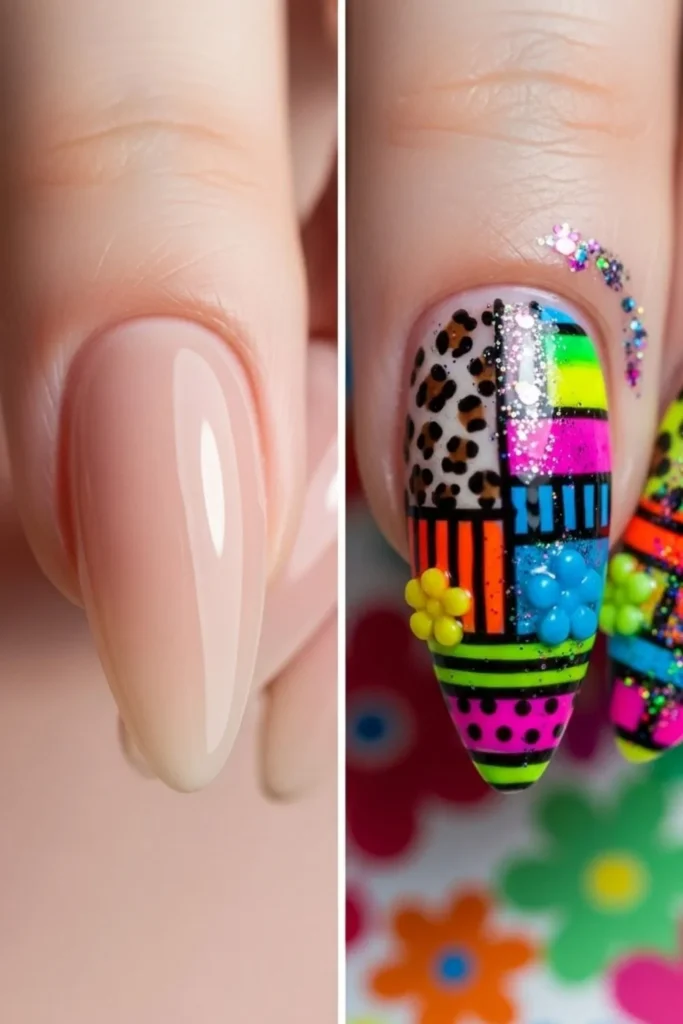
A chic nails design creates visual polish without demanding attention, using restraint as its primary tool. The core principle is balance: enough interest to feel intentional, but never so much that the design competes with your overall look. Unlike trendy nails that announce themselves, chic nails complement rather than dominate.
The key difference between chic and busy comes down to editing. Chic designs typically limit themselves to two visual elements maximum whether that’s color plus finish, shape plus accent, or texture plus negative space.
When a design tries to incorporate three or more competing elements (color blocking, multiple finishes, accent nails, and texture), it crosses into decorative territory. This works best when you want your nails to enhance your style rather than become the focal point, but fails when you’re specifically aiming for statement impact or maximalist expression.
Chic nail ideas also depend heavily on execution quality. A simple nude with a glossy finish looks elevated when applied cleanly with precise cuticle lines and even coverage. That same color applied sloppily reads as unfinished rather than understated. The sophistication lives in the details: smooth edges, consistent opacity, and deliberate finish choices that match your intended vibe.
Why Clean Lines Define Modern Chic Nails
Clean lines create immediate visual refinement because they signal control and precision in application. Unlike organic, freehand designs that embrace imperfection, geometric elements and sharp edges demand technical accuracy. This contrast makes them feel more polished and intentional, which is the foundation of chic aesthetics in 2026.
The most effective clean-line designs use negative space strategically. A single stripe of bare nail down the center, a crisp French tip with defined edges, or a half-moon accent at the cuticle all create structure without adding color complexity. These work exceptionally well for professional settings or minimalist wardrobes where you need visual interest that doesn’t clash with patterns or competing accessories.
Clean lines fail when they’re too thin or poorly executed. A wobbly stripe or uneven geometric shape destroys the precision that makes the design work. If you’re working with standard polish rather than gel, consider using striping tape as a guide and removing it while the polish is still slightly wet to avoid pulling up color. The technique matters as much as the design concept itself.
Read More About : Christmas Gel Nails: The Ultimate Guide to Festive Manicures That Last
How Neutral Tones Anchor Versatile Nail Looks
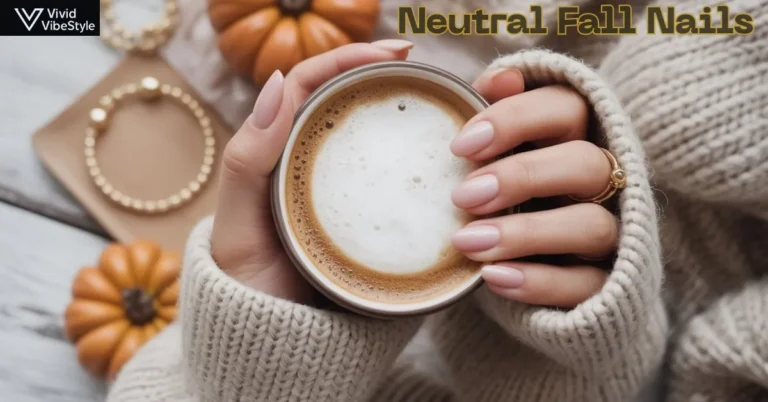
Neutral tones provide maximum outfit compatibility while still offering subtle variation through undertones and finishes. A warm beige reads differently than a cool taupe, and a cream finish creates a softer effect than high-gloss lacquer. This variety lets you match neutrals to your skin’s undertone and seasonal wardrobe without limiting wearability.
The mistake most people make with neutrals is choosing shades too close to their exact skin tone, which can wash out hands rather than complement them. Go one shade lighter or darker than your natural nail bed for definition. Cooler skin tones benefit from pink-leaning beiges or soft mauves, while warmer complexions look polished in peachy nudes or caramel tones.
Neutrals also serve as the ideal base for minimal accent work. A single gold foil stripe on a nude base, tiny pearl embellishments on one accent nail, or a matte topcoat over glossy beige all add dimension without abandoning the neutral foundation. These subtle upgrades work for events where you want slightly elevated nails but still need them to pair with multiple outfits throughout the week.
When Matte Finishes Elevate Simple Designs
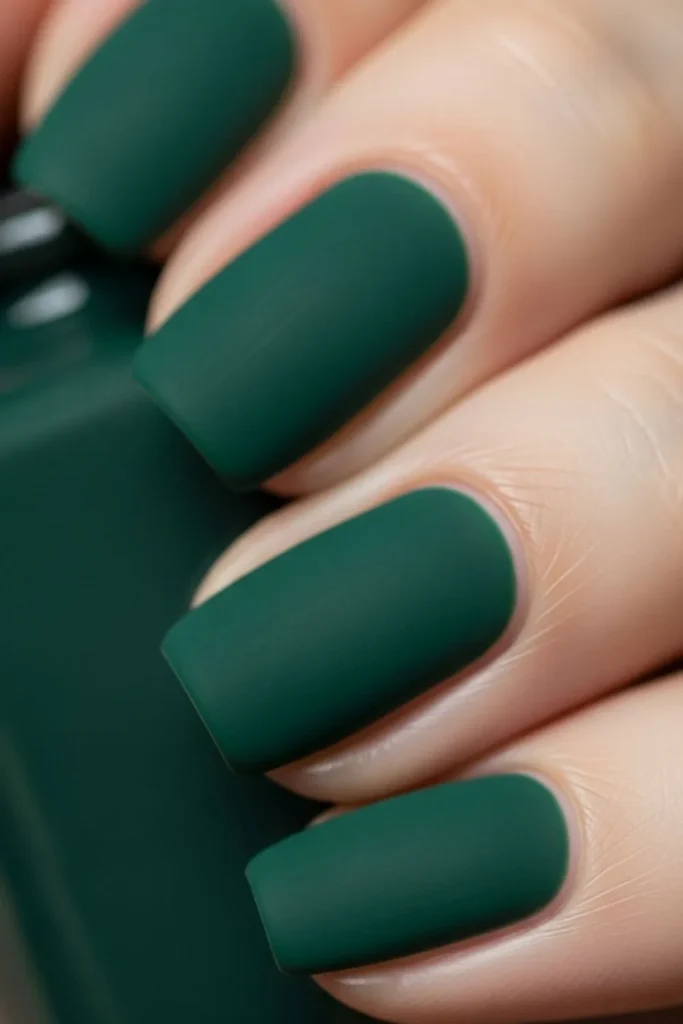
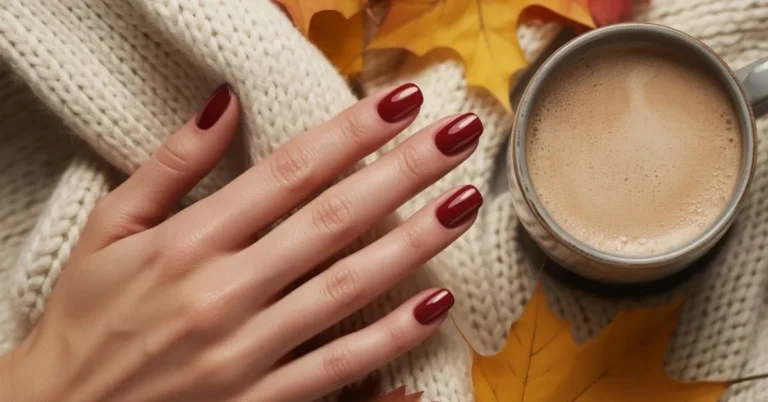
Matte finishes transform even basic one-color manicures into modern, intentional looks by removing the expected shine. This textural shift creates visual interest without adding pattern or embellishment, making it ideal for minimalist aesthetics. A deep burgundy or forest green in matte feels current and sophisticated, while the same color in glossy can read more traditional.
Matte works best on medium to long nail lengths where the finish has enough surface area to register visually. On very short nails, matte can sometimes flatten the hand’s appearance rather than enhance it. The finish also shows imperfections more readily than glossy formulas, so application needs to be smooth and even any streaking or texture irregularities become more visible without shine to distract the eye.
Unlike glossy finishes that work universally, matte has specific styling contexts where it excels. It pairs exceptionally well with structured clothing, tailored pieces, and monochromatic outfits where the textural contrast adds subtle dimension. It fails in situations requiring high glamour or shine-forward aesthetics like formal evening events where glossy or metallic finishes typically feel more appropriate.
What Negative Space Designs Bring to Chic Manicures
Negative space designs use bare nail as an intentional design element rather than covering the entire surface with color. This approach creates built-in contrast and visual lightness, preventing the heaviness that can come from full-coverage dark or bold shades. A half-moon negative space at the cuticle, vertical bare stripes, or inverse French tips all demonstrate this principle.
The strategic advantage of negative space is versatility across nail lengths and shapes. These designs work equally well on short natural nails and longer extensions because the bare portions prevent the look from feeling overwhelming on smaller canvases. They also extend wearability as nails grow out a quarter-inch of growth on a full-coverage manicure shows clearly, but on a negative space design, it often integrates into the intended pattern.
Negative space requires excellent nail health and preparation since the bare portions remain visible. Staining, ridges, or uneven texture will show through and detract from the design’s clean aesthetic. If your natural nails have discoloration or texture issues, consider using a sheer nude or milky polish in the “negative space” areas instead of leaving them completely bare, this maintains the design concept while creating a more polished canvas.
Read More About : Black Winter Nails: The Ultimate Guide to Chic, Moody Manicures for Cold Weather
How Subtle Metallics Add Dimension Without Flashiness
Subtle metallics like brushed gold, rose gold, or pale silver provide reflective interest that shifts with light and movement. Unlike bold metallics that announce themselves, these softer versions catch light intermittently, creating moments of visual texture rather than constant shine. A single metallic accent nail, thin metallic striping, or metallic tips on an otherwise neutral manicure all demonstrate this restrained approach.
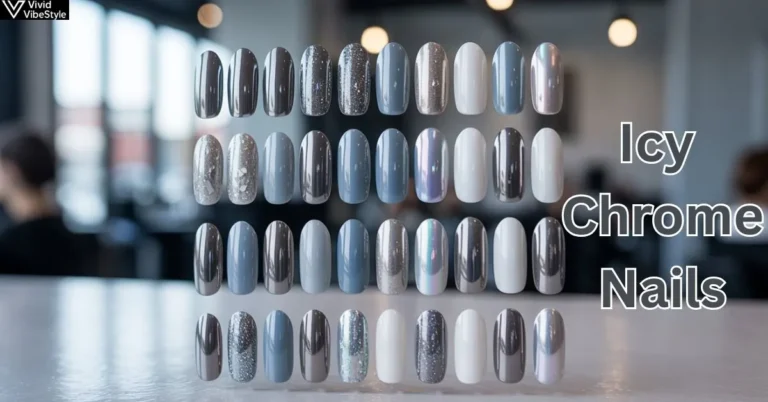
The key distinction is saturation and finish. A pale champagne shimmer differs dramatically from a full-coverage mirror chrome; both are metallic, but one whispers while the other shouts. For chic applications, choose metallics with lower color saturation or combine them with matte topcoats that mute their reflectivity while maintaining the metallic pigment underneath.
Subtle metallics work particularly well for transitional seasons and mixed-metal jewelry wearers. A brushed bronze accent complements both gold and silver accessories without clashing, while a pewter shimmer pairs with cooler-toned wardrobes. These fail when you’re specifically seeking high-impact glamour or want your nails to serve as statement jewelry in those cases, full metallic coverage or chrome finishes deliver better results.
Why Monochromatic Color Stories Feel Effortlessly Polished
Monochromatic nail designs use varying shades of a single color family across different nails or within gradient applications. A manicure featuring cream, latte, and deep chocolate creates visual movement while maintaining color harmony. This approach feels sophisticated because it demonstrates intentional coordination rather than random color selection.
The technique works by creating subtle contrast that’s noticeable without being jarring. Unlike multicolor manicures where each nail competes for attention, monochromatic designs guide the eye smoothly across the hand. Start with your base shade on most nails, go one shade darker on accent nails, and consider adding the lightest shade as a thin tip or detail for added dimension.
Monochromatic designs excel in professional environments and minimalist aesthetics where color variety might feel too playful or casual. They also photograph exceptionally well since the color harmony creates cohesive visual appeal in images. This approach fails when you specifically want energetic contrast or enjoy the playfulness of mixed colors in those cases, complementary or analogous color schemes offer more dynamic results.
What Almond and Oval Shapes Contribute to Chic Aesthetics
Almond and oval nail shapes create an elongated finger appearance while maintaining practical wearability for daily tasks. Unlike stiletto or coffin shapes that require significant length and can interfere with typing or detailed work, these softer silhouettes balance elegance with functionality. The tapered sides and rounded tips also complement most hand shapes and finger lengths universally.
The key difference between almond and oval lies in the degree of tapering. Almond shapes narrow more dramatically toward the tip, creating a more pronounced point, while oval shapes maintain a rounder, softer curve throughout. Almond works best on longer nails where the taper has room to develop, but can make shorter nails look even smaller. Oval adapts better to varying lengths and feels more versatile across different nail bed widths.
Both shapes show polish color more flatteringly than square or squoval alternatives because the curved edges create continuous visual flow. This works particularly well with gradient designs, vertical elements, or elongating nail art. These shapes fail primarily in situations requiring maximum durability corners and points are more prone to breaking than straight edges, so those with active lifestyles or nail fragility might find square or squoval shapes last longer between appointments.
Read More About : How to Shape Nails: The Complete Guide to Professional-Looking Manicures at Home
How Sheer Washes of Color Modernize Classic Manicures
Sheer color formulas provide subtle nail enhancement that looks natural while still adding intentional color. A sheer rose, nude peach, or milky lavender tints the nail without full opacity, creating a your-nails-but-better effect. This approach works exceptionally well for professional settings, conservative dress codes, or anyone who finds traditional bold polish too attention-demanding.
The practical advantage of sheer formulas is forgiving application and wearability. Unlike opaque polishes where streaking, bubbling, or uneven coverage shows clearly, sheer formulas blend imperfections into the overall wash of color. They also show growth less obviously since there’s no harsh line between colored nail and natural regrowth the transition remains subtle even after two weeks.
Sheer colors work best when layered correctly. One coat creates barely-there tint, two coats develop the color more fully, and three coats approach semi-opaque coverage. This buildable quality lets you customize intensity based on your needs. However, these formulas fail when you want bold, saturated color impact or need coverage for stained or discolored nails in those cases, opaque formulas deliver better results.
When Micro French Tips Replace Traditional Styles
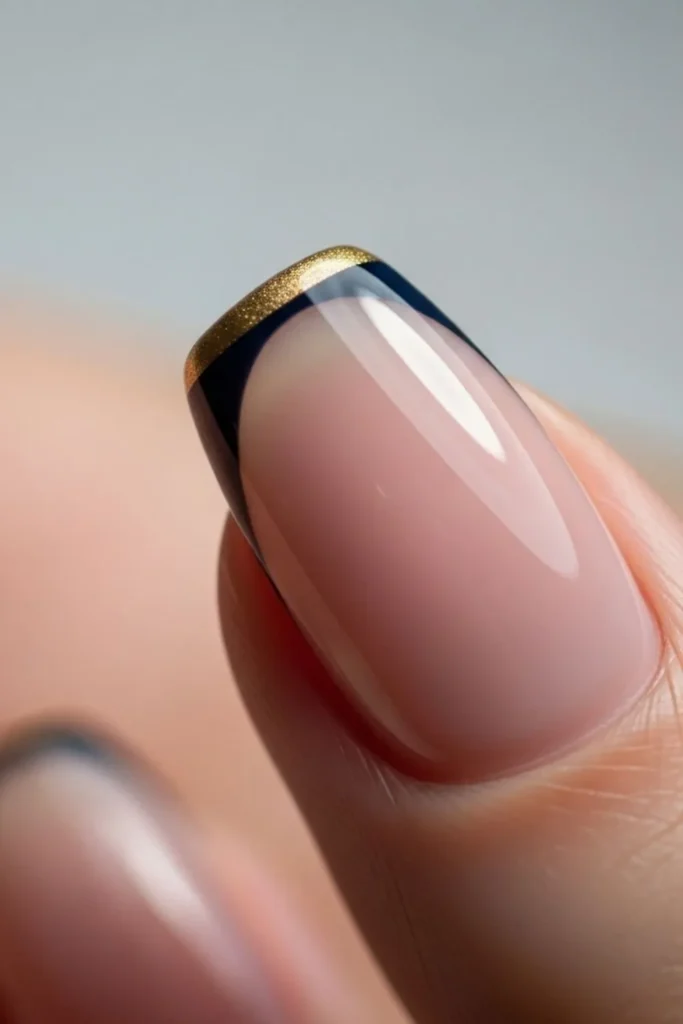
Micro French tips use an extremely thin line of contrasting color at the nail tip instead of the traditional thick white band. This scaled-down approach feels current and less formal than classic French manicures while maintaining the elongating benefit of tip definition. The thin line typically 1-2mm rather than the traditional 3-5mm creates subtle contrast that works across more style contexts.
The modern advantage is versatility in color choice. While traditional French tips default to white on pink, micro versions work with any contrasting combination: black on nude, metallic gold on beige, or even tonal variations like cream on off-white. This flexibility lets you match the concept to your aesthetic preferences rather than committing to a single traditional look.
Micro French tips require precise application since the thin line shows any wobbling or irregularity more clearly than a thicker tip would. Using striping brushes or fine detail brushes helps achieve clean results, but the technique demands steady hands and patience. These fail when you prefer bold graphic impact or want your manicure to read clearly from a distance, the subtlety that makes them chic also makes them less visible in situations where you want statement nails.
Read More About : Nail Designs for Christmas: Festive Ideas to Transform Your Holiday Manicure
What Muted Jewel Tones Offer for Sophisticated Color
Muted jewel tones take traditionally saturated colors like emerald, sapphire, or ruby and reduce their intensity by adding gray or brown undertones. A dusty emerald, slate blue, or burgundy wine creates richness without the brightness of pure jewel tones. This softening makes the colors more wearable for everyday contexts while maintaining depth and visual interest.
The key distinction from both pastels and true jewel tones is their grounded quality. Muted jewel tones feel substantial and mature rather than soft or bold. They work particularly well in fall and winter when darker, richer colors align with seasonal wardrobes, but their muted quality prevents them from feeling too heavy for spring and summer wear.
These colors excel on medium to long nails where the depth can develop fully. On very short nails, muted jewel tones can sometimes appear muddy rather than sophisticated because there’s insufficient surface area for the color complexity to register. They also pair beautifully with gold jewelry and warm metals, creating cohesive elegance. The approach fails when you want bright, energetic color or need maximum contrast against your skin tone in those cases, saturated jewel tones or clear brights deliver better visibility.
How Barely-There Designs Maintain Visual Interest
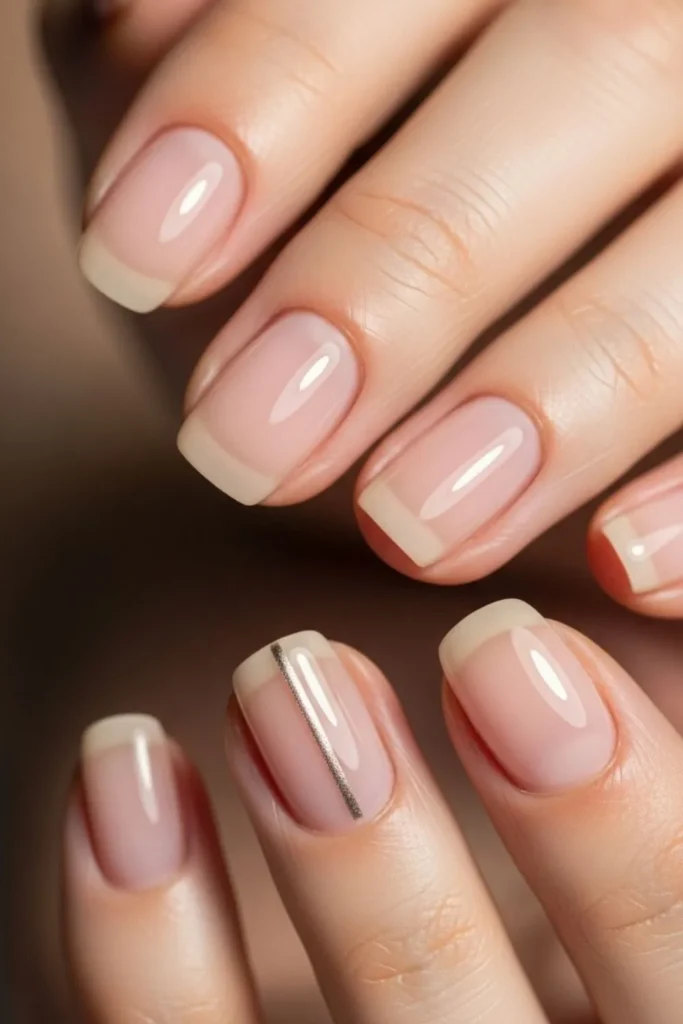
Barely-there designs use minimal contrast and subtle details to create interest without obvious decoration. A sheer nude with a single thin gold stripe, tiny dot accents in a slightly darker nude, or barely visible shimmer particles all demonstrate this whisper-quiet approach. The designs reward close observation rather than demanding immediate attention.
This aesthetic serves specific lifestyle needs exceptionally well. For professional environments with conservative appearance standards, medical settings where bold nails might seem inappropriate, or personal preferences for extreme minimalism, barely-there designs provide the satisfaction of intentional nail styling without crossing into noticeable territory. They allow self-expression while respecting contextual constraints.
The technique requires excellent execution since there’s nowhere to hide imperfections. With so little visual distraction, any application flaws, cleanup issues, or uneven details become the focal point rather than blending into a busier design. These designs also fail when you specifically want your nails noticed or enjoy using them as accessories in those cases, bolder colors or more prominent designs serve your goals better.
Why Textured Finishes Add Depth to Single Colors
Textured finishes like suede, sand, or velvet effects create tactile and visual dimension on solid colors without adding pattern or additional hues. A burgundy in suede finish feels completely different from the same burgundy in glossy or matte, offering variety within a single shade. The texture catches light differently, creating subtle visual movement as hands move.
The practical consideration is wearability and maintenance. Textured finishes tend to show wear patterns more quickly than smooth finishes high-contact areas like fingertips may smooth out before the rest of the nail, creating uneven texture. They also chip differently, often flaking in small pieces rather than showing clean chip lines, which can look worn faster even if coverage remains mostly intact.
Textured finishes work best for special occasions or shorter wear periods (3-5 days) rather than two-week manicures where you need durability. They create memorable visual impact for events, photoshoots, or when you want something distinctly different from standard finishes. They fail in high-contact work environments or for those who need maximum longevity between manicures smooth finishes simply outlast textured alternatives in most real-world conditions.
Read More About : Simple Christmas Nail Designs: Easy Festive Manicures for the Holiday Season
What Pearl and Opal Effects Bring to Modern Chic Nails
Pearl and opal effects create shifting, iridescent color that changes based on viewing angle and lighting. Unlike flat shimmer or glitter, these finishes produce a dimensional glow that appears almost liquid or glass-like on the nail. A pearl white shifts between soft pink, blue, and white, while opal effects might display rainbow flashes within a translucent base.
The sophistication comes from the effect’s subtlety compared to traditional shimmer. These finishes don’t sparkle aggressively but rather glow softly, creating elegance rather than flashiness. They work particularly well over nude bases or as accent nails where the shift can be appreciated without overwhelming the overall look. A single opal accent nail over four neutral nails creates just enough interest to elevate the manicure.
Pearl and opal effects photograph exceptionally well because the dimensional quality translates clearly in images, unlike some finishes that appear flat on camera. They’re ideal for situations where your hands will be photographed weddings, events, or content creation. However, they fail when you want bold, saturated color or prefer matte aesthetics the inherent luminosity conflicts with both of those goals.
How Asymmetrical Accent Nails Create Intentional Imbalance
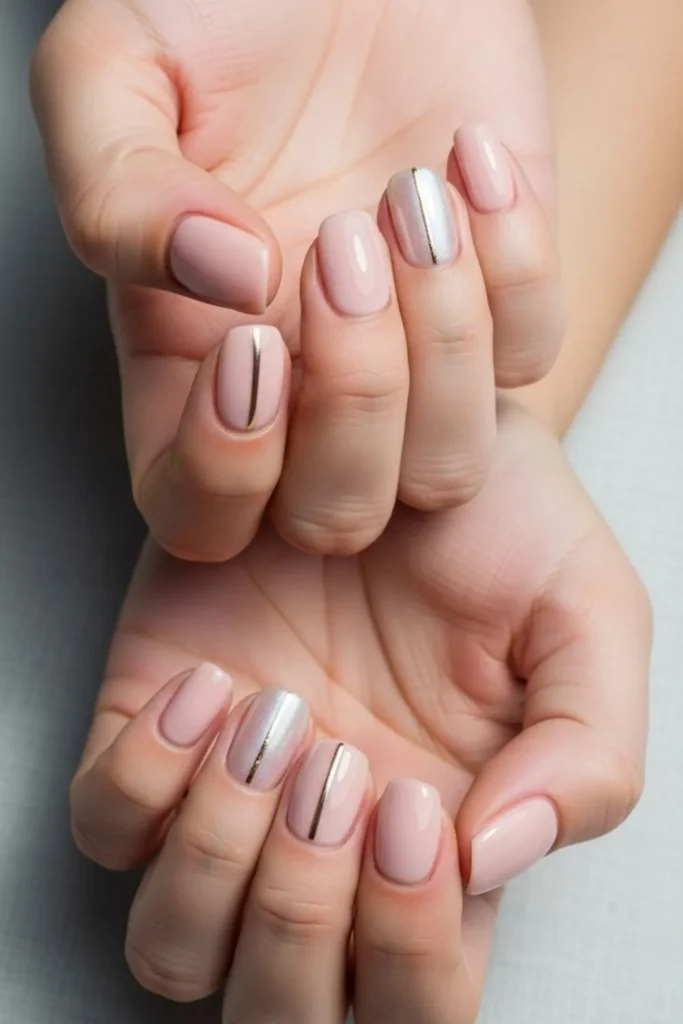
Asymmetrical accent placement uses strategic nail selection rather than defaulting to ring fingers for accent designs. Choosing the middle and pinky fingers on one hand, or creating a diagonal pattern across both hands with accents on pointer and pinky, introduces visual interest through unexpected placement. This breaks the predictable symmetry that can make manicures feel formulaic.
The design principle works because asymmetry feels more dynamic and modern than perfect balance. Our eyes naturally track the unexpected pattern, creating engagement with the manicure rather than passive observation. This approach particularly suits creative professionals, those in fashion or design fields, or anyone who enjoys subtle rule-breaking in their aesthetics.
Asymmetrical patterns require confidence to execute since they deliberately avoid traditional beauty standards of balance. They work best when the accent treatment itself remains relatively simple; complex accents in asymmetrical placement can read as chaotic rather than intentional. The approach fails for those who find asymmetry visually uncomfortable or prefer traditional, balanced aesthetics where matching patterns across both hands feels more complete.
When Gradient Fades Deliver Soft Sophistication
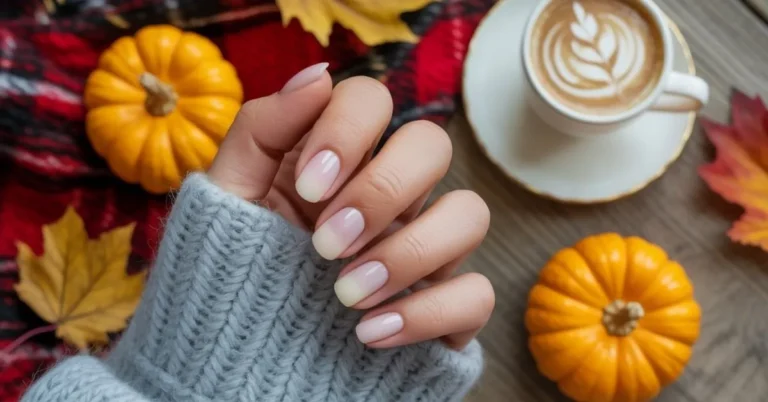
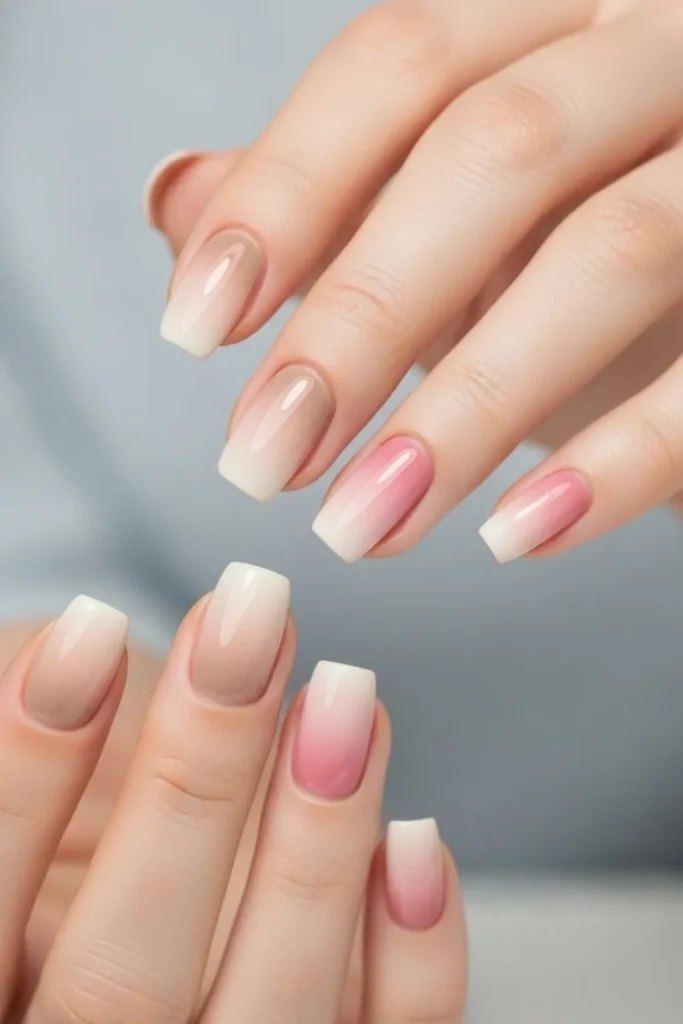
Gradient fades blend two or more colors seamlessly from cuticle to tip, creating smooth color transition without harsh lines. A nude-to-white fade, dusty rose-to-burgundy transition, or subtle gray-to-black gradient all demonstrate this technique. The effect feels artistic and dimensional while maintaining the wearability of simple color manicures.
The key to successful gradients is sufficient color relationship the shades need enough connection to blend smoothly without creating muddy middle tones. Analogous colors (neighbors on the color wheel) work best, while complementary colors often create brown or gray transitions unless you specifically want that effect. Tonal gradients within a single color family typically deliver the most sophisticated results.
Gradients require more time and technique than standard single-color application. Using makeup sponges to dab and blend colors, applying multiple thin layers rather than one thick coat, and properly cleaning up edges all impact the final result. These work beautifully for special occasions or when you have time for detailed application, but fail for quick touch-ups or those who need efficient manicure processes simple single colors remain faster and more practical for busy schedules.
Read More About : Black Christmas Nails Winter: 40+ Stunning Dark Holiday Designs
What Short Nail Chic Looks Like in 2026
Short chic nails embrace the natural nail length and focus on immaculate shaping, healthy cuticles, and sophisticated color choices rather than relying on length for impact. A well-maintained short nail with clean edges, properly pushed cuticles, and a refined nude or muted tone looks intentionally polished rather than unfinished. The key is treating short length as a deliberate aesthetic choice rather than a limitation.
The practical advantages are significant. Short nails accommodate active lifestyles, detailed work, typing-heavy jobs, and parenting without interference. They also reduce breakage risk and maintenance time since there’s less exposed nail to protect. This makes them ideal for those who want polished hands without the commitment longer nails require.
Short nail styling works best with rounded or oval shapes that soften the abbreviated length. Square or coffin shapes on very short nails can create a stubby appearance rather than elegant proportions.
Color choices also matter more; very dark or bright shades can sometimes overwhelm short nails, while nudes, sheers, and medium-toned colors tend to flatter better. Bold colors absolutely work on short nails, but they create a different, more graphic effect rather than subtle sophistication.
How Tonal Contrast Creates Dimension Without Color Clash
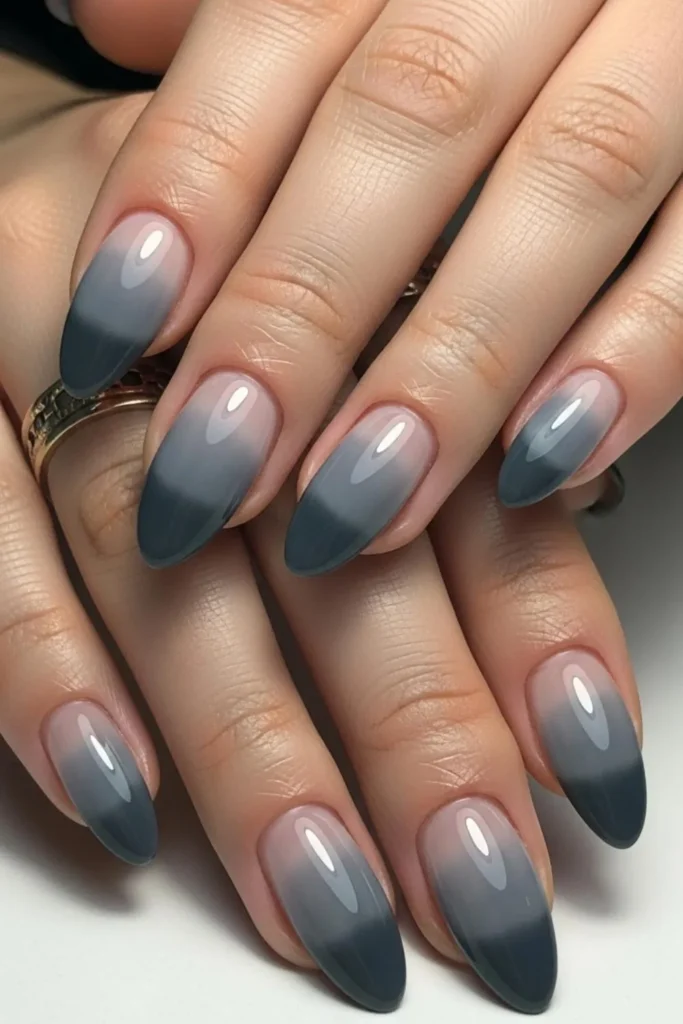
Tonal contrast uses different values (light and dark) of the same color to create visual separation and depth. A cream base with tan tips, light gray with charcoal accents, or pale pink with dusty rose details all demonstrate this principle. The approach delivers the visual interest of multi-color designs while maintaining perfect color harmony.
The advantage over contrasting hues is universal wearability. Since all colors belong to the same family, tonal designs pair with virtually any outfit without clashing. They also feel more cohesive and sophisticated than random color combinations, creating a curated appearance that suggests intentional styling rather than experimental play.
Tonal designs work particularly well for those building capsule wardrobes or maintaining minimalist aesthetics where color coordination matters. They also photograph beautifully since the subtle contrast creates dimension without competing colors.
The approach fails when you specifically want energetic contrast or enjoy the playfulness of unexpected color combinations in those cases, complementary or triadic color schemes offer more dynamic visual impact.
Why Clean Cuticles Matter More Than Complex Designs
Clean, well-maintained cuticles create the foundation for chic nails regardless of design complexity. Pushed-back cuticles with no excess skin, properly trimmed hangnails, and moisturized nail beds signal care and attention to detail. Even simple one-color manicures look elevated with immaculate cuticle work, while complex designs look unfinished if cuticle maintenance is poor.
The reason is visual clarity. Messy cuticles create visual noise that distracts from the manicure itself, much like an expensive outfit looks less impressive with visible wrinkles or stains. Clean cuticles provide a refined frame that lets the nail color or design register clearly without competing elements.
Professional-level cuticle work doesn’t require salon visits if you develop proper home care routines. Regular moisturizing with cuticle oil, gentle pushing with an orange stick after showering when cuticles are soft, and conservative trimming of only dead skin (never cutting live cuticle) maintain appearance between professional services. This matters more for chic aesthetics than any specific design choice no amount of trendy nail art compensates for poor nail bed maintenance.
Read More About : Winter Christmas Nails: The Ultimate 2025 Guide to Festive Manicures
What Blurred Lines and Soft Edges Bring to Modern Designs
Blurred lines and soft edges create gentle transitions between colors or elements rather than crisp boundaries. A French tip with slightly blurred edges rather than a sharp line, ombre effects with intentional diffusion, or watercolor-inspired washes all use this softness. The technique feels romantic and artistic while remaining sophisticated through restraint.
The distinction from precise geometric designs is the emotional quality. Sharp lines feel controlled and structured, while soft edges feel organic and relaxed. Neither is inherently better, but they serve different aesthetic goals and pair with different style preferences. Soft edges complement flowing fabrics, romantic styling, and softer personal aesthetics, while crisp lines suit tailored clothing and structured minimalism.
Achieving properly blurred edges requires different techniques than standard application. Using detail brushes barely loaded with polish, dabbing rather than brushing along edges, or applying colors side-by-side while still wet so they naturally diffuse all create soft transitions.
This takes practice and patience compared to using striping tape for clean lines. The approach fails for those who prefer precision and control if blurred edges feel messy rather than intentional to you, crisp geometric designs better suit your preferences.
How Subtle Glitter Adds Sparkle Without Overwhelm
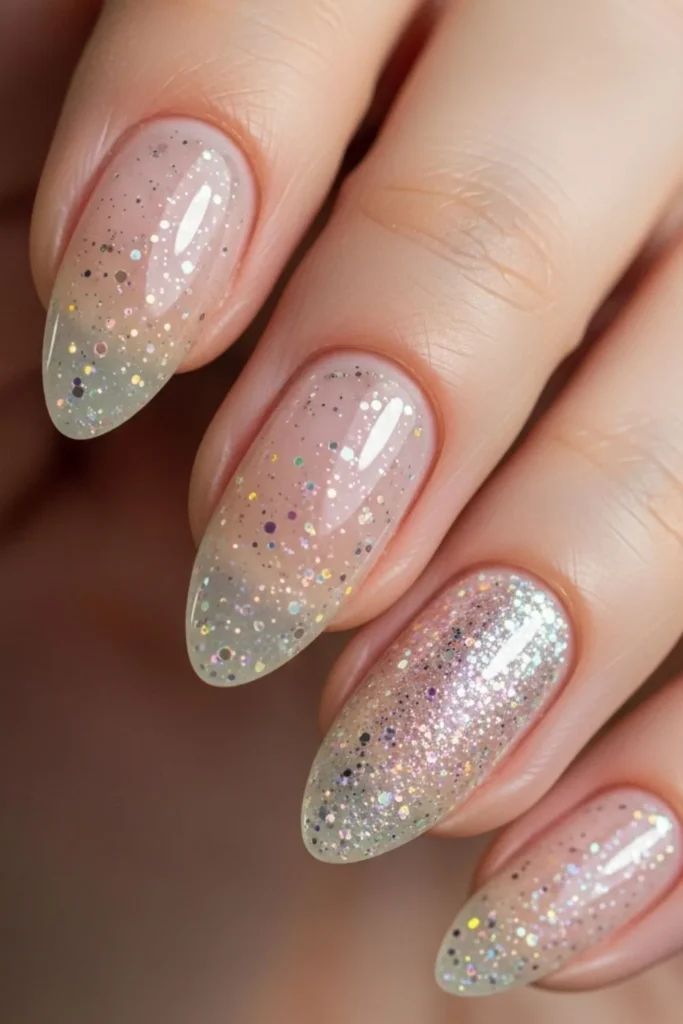
Subtle glitter uses fine particles in low density or strategic placement rather than full-coverage sparkle. A sheer base with scattered micro-glitter, a single glitter accent nail over neutral bases, or glitter concentrated only at the tips creates suggestion rather than statement. The sparkle catches light intermittently rather than constantly, maintaining sophistication.
The key difference from bold glitter is particle size and distribution. Micro-glitter (sometimes called fairy dust or shimmer) creates a gentle sparkle, while larger hexagonal or chunky glitters demand attention. Similarly, light distribution where glitter appears sparsely across the nail feels more refined than dense coverage where base color barely shows through.
Subtle glitter serves specific occasions well adding festive touch to holiday events without full party nail commitment, creating slight elevation for dinners or gatherings, or providing weekend interest that still works for Monday meetings. It fails when you want bold glamour or maximum sparkle impact in those cases, full glitter coverage or sequin-style large particles deliver the dramatic effect you’re seeking.
When Single Statement Nails Anchor Simple Manicures
Single statement nails use one highly designed or decorated nail while keeping remaining nails simple and complementary. A nude manicure with one nail featuring intricate line work, a neutral base with a single bold accent color, or simple polish with one nail showcasing embellishments all follow this principle. The contrast between simplicity and detail creates built-in interest.
The design strategy works because it provides a focal point without overwhelming the overall hand appearance. Your eye lands on the statement nail first, then appreciates how the simple nails support rather than compete with it. This balance feels more sophisticated than either all-simple or all-complex approaches for many style contexts.
Statement nail placement matters significantly. Ring fingers remain the traditional choice and work well for balanced aesthetics, while middle fingers create more unexpected visual weight. Pointer fingers showcase statement designs prominently but can interfere with daily tasks if embellishments add dimension. The approach fails if you prefer complete uniformity across all nails some find the intentional imbalance visually uncomfortable rather than interesting.
What Soft Curves and Rounded Edges Contribute to Elegance
Soft curves in nail shaping and design elements create feminine elegance through gentle, flowing lines rather than sharp angles. Rounded almond tips, curved French variations, or wave-inspired designs all emphasize softness. This contrasts with geometric precision and creates a more romantic, approachable aesthetic.
The psychological impact of curves versus angles is well-documented curves feel welcoming and gentle while angles feel dynamic and bold. For chic nails specifically, curves tend to feel more classically elegant and timeless, while angles read as more contemporary and edgy. Neither is universally superior, but understanding this distinction helps match nail design to your broader style preferences.
Curved elements work particularly well on shorter nails where they prevent the stubby appearance that squared edges can create. They also complement rounder nail beds and wider fingers better than sharp shapes that can emphasize width. Curves fail primarily for those who prefer modern minimalism or architectural aesthetics if your style leans toward clean lines and structure, geometric precision better reflects your overall aesthetic.
How Monochrome Manicures Simplify Styling Decisions
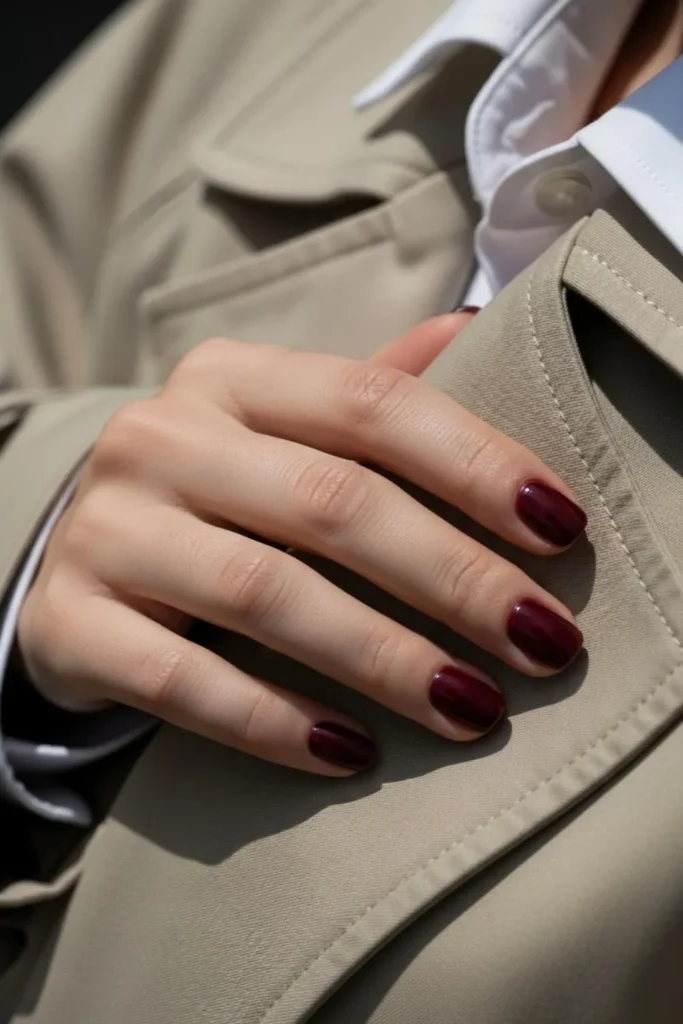
Monochrome manicures use a single color across all nails, eliminating accent nails or multi-color elements entirely. This ultimate simplicity creates a streamlined, intentional appearance that pairs with everything. A solid burgundy, consistent nude, or uniform black each demonstrate this commitment to singularity.
The strategic advantage is mental simplicity and maximum outfit flexibility. You never need to consider whether accent colors clash with clothing, accessories, or other elements. The manicure becomes a neutral element of your overall appearance rather than a coordinated accessory requiring thought. This particularly benefits those building minimalist wardrobes or anyone who finds styling decisions draining.
Monochrome works best when color selection and application quality are impeccable. Since there’s no design element to create interest, the color itself and how perfectly it’s applied carry the entire aesthetic weight. Any streaking, bubbling, or uneven coverage shows more clearly than it would on a busier design. The approach also requires confidence in simplicity if you find single colors boring rather than refined, incorporating subtle accents or finishes better serves your need for variety.
Read More About : Winter Gel Nails: Ultimate 2026 Guide to Stunning Cold-Weather Manicures
Frequently Asked Questions
What nail length works best for chic manicures?
Short to medium nail length works best for chic manicures because it looks clean, balanced, and easy to maintain. This length is popular in the USA for creating elegant everyday nail styles that don’t feel overdone.
How often should chic nails be maintained?
Chic nails should be maintained every 10 to 14 days to keep the shape neat and the polish fresh. Regular touch-ups help prevent chips and maintain a polished, upscale look.
Can bold colors still look chic?
Yes, bold nail colors like deep red, navy, or emerald can look very chic when paired with a simple shape and minimal design. The key is keeping the finish smooth and the nail art subtle.
What’s the difference between chic and trendy nails?
Chic nails focus on timeless colors, clean shapes, and understated elegance, while trendy nails follow seasonal patterns, textures, and viral designs. Chic styles stay stylish longer and work better for everyday wear in the USA.
How do you choose between matte and glossy finishes?
Choose glossy nails for a classic, polished look and matte nails for a modern, soft finish. For most chic manicures, glossy top coats are preferred because they make nails look healthier and more refined.
Quick Recap
- Chic nails balance visual interest with restraint, typically limiting designs to two elements maximum like color plus finish or shape plus accent
- Neutral tones, clean lines, and negative space create sophisticated looks that work across multiple contexts and outfit choices
- Matte finishes and subtle metallics add dimension without flashiness, though they require excellent application since imperfections show more clearly
- Short nails achieve chic aesthetics through immaculate shaping and cuticle maintenance rather than relying on length for impact
- Strategic use of tonal contrast, soft edges, and single statement nails creates visual interest while maintaining wearable sophistication
Conclusion
Chic nails succeed through intentional restraint rather than decorative excess. The designs presented here demonstrate how clean execution, thoughtful color selection, and strategic simplicity create polished results across different nail lengths and lifestyle needs.
Whether you prefer barely-there neutrals or muted jewel tones, the common thread is editing choosing one or two strong elements and executing them flawlessly rather than layering multiple competing details.
The most practical approach is matching nail design to your actual life rather than aspirational aesthetics. Short nails with perfect cuticles and sophisticated color serve active lifestyles better than complex designs requiring constant maintenance.
Similarly, subtle finishes and tonal palettes eliminate daily outfit coordination stress while still providing personal expression. Chic ultimately means your nails enhance rather than complicate your overall presentation, creating polish that feels effortless even when it requires careful consideration.