

Caramel Balayage Highlights Ideas for Effortless Warmth and Dimension
Caramel balayage gives your hair warm, sun-kissed dimension by painting golden-brown highlights that blend naturally into a darker base. If you want a low-maintenance way to brighten your look, add depth, and tailor warm tones to your skin and hair type, caramel balayage delivers versatile, flattering results.
This post shows what caramel balayage is, popular highlight ideas, how to pick the right shade for your skin and hair texture, and practical styling and upkeep tips to keep your color looking fresh. Expect seasonal inspiration and the latest trends so you can choose a look that fits your lifestyle and desired maintenance level.
What Is Caramel Balayage?
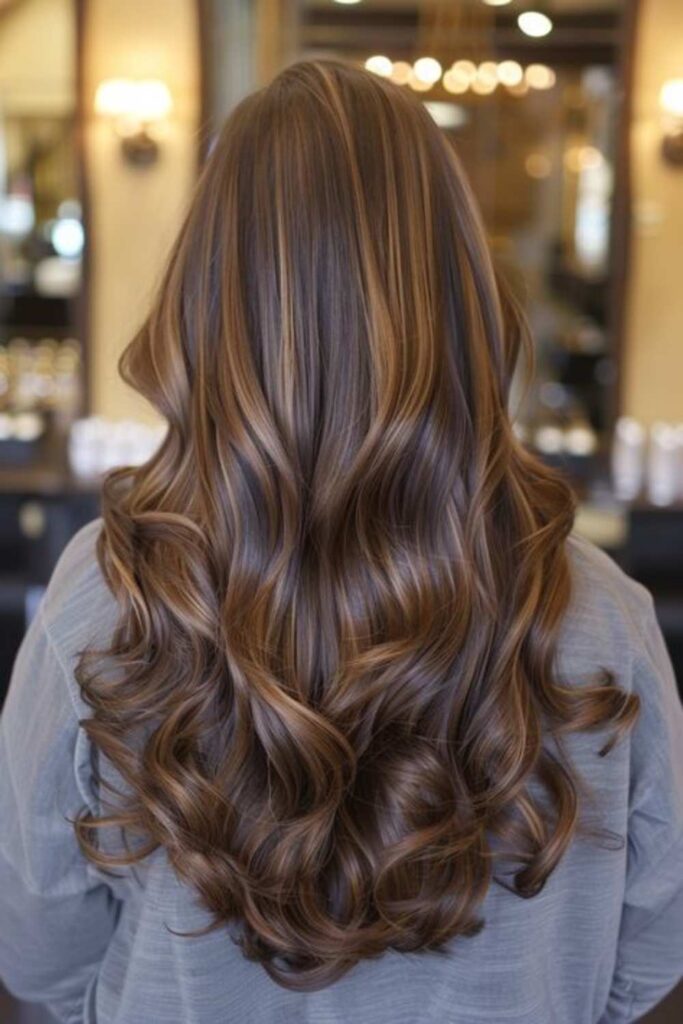
Caramel balayage uses warm, golden-brown tones painted into darker hair to create a natural, sunlit gradient. It focuses on blended ribbons of color that add depth, movement, and a luminous finish without harsh lines.
Definition and Technique
Caramel balayage is a freehand highlighting method where your colorist paints streaks of caramel, honey, and light brown onto select sections of hair. The painting follows your natural growth pattern around the face, through the mid-lengths, and heavier toward the ends so the tones melt into your base color.
You should expect a customized approach. Your stylist will assess your base level, porosity, and desired warmth, then choose lifting and toning products to reach a golden-caramel shade without brassiness. Processing time varies with how much lift your hair needs.
Afterlightening, toners or glosses refine the exact shade think butterscotch, mocha, or soft gold so the result looks cohesive. The technique prioritizes soft transitions over uniform strips, producing low-maintenance regrowth and dimensional texture.
Read More About : 20 Bouncy Bob Hairstyle Ideas Chic, Effortless Looks for Volume and Movement
How Caramel Balayage Differs From Traditional Highlights
Traditional foil highlights use-sectioned foils and often create evenly spaced, uniform streaks from roots to ends. Caramel balayage, by contrast, uses a hand-painted, graduated technique that leaves the roots darker and the ends brighter for a sun-kissed fade.
You’ll notice less contrast at the part line and fewer obvious regrowth lines with balayage. Foils can produce a high-contrast, headlight effect; caramel balayage aims for blended warmth and natural depth. Maintenance also differs: foil highlights usually need more frequent touch-ups every 6–8 weeks, while balayage often stretches to 3 4 months.
If you want tailored placement face-framing brightness or softer money pieces balayage gives the stylist more control. For bold, uniform lightening, foils remain useful, but for lived-in caramel warmth, balayage delivers a softer result.
Benefits of Choosing Caramel Tones
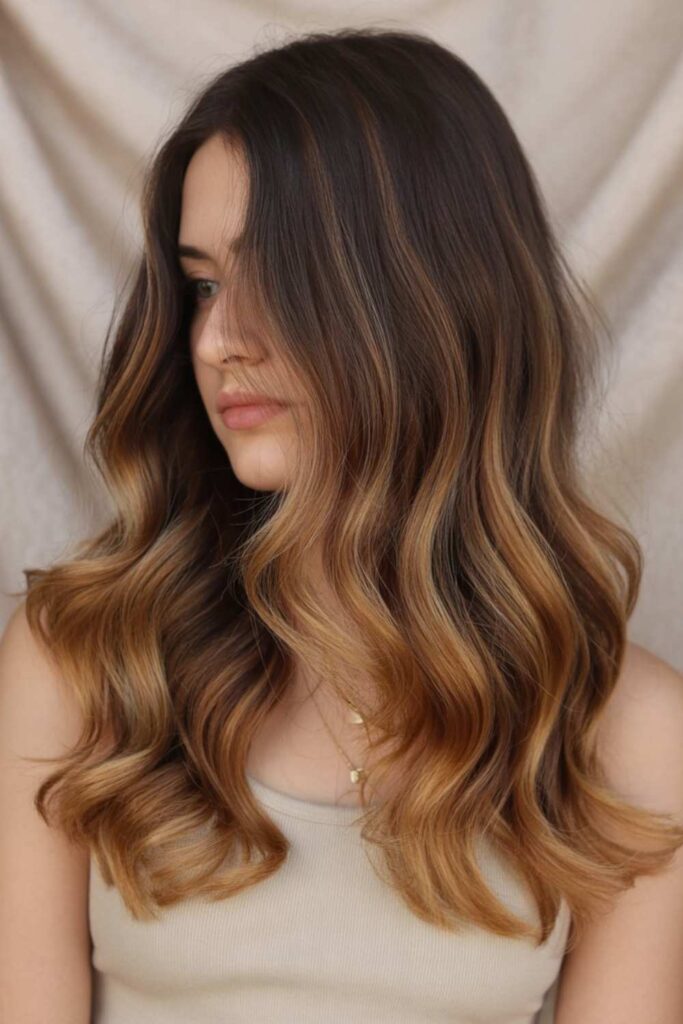
Caramel tones flatter a wide range of brown bases and skin undertones by adding warmth without extreme lightening. You get visual depth that enhances texture and movement, which makes fine hair appear fuller and layered cuts read more dimensional.
Maintenance favors busy lifestyles: the darker root area hides regrowth, reducing frequent salon visits. Caramel shades also integrate well with existing color low-risk to blend over previously colored hair when your stylist adjusts lift and toning.
Color versatility stands out. You can choose cooler golden-caramel for a subtle lift or richer toffee and mocha hues for deeper contrast. This flexibility allows you to customize brightness, warmth, and placement to suit your complexion and styling routine.
Popular Caramel Balayage Highlights Ideas
These options focus on warmth, low maintenance, and dimension. You’ll see how placement, contrast, and tone affect brightness, grow-out, and styling choices.
Classic Brunette With Caramel Accents
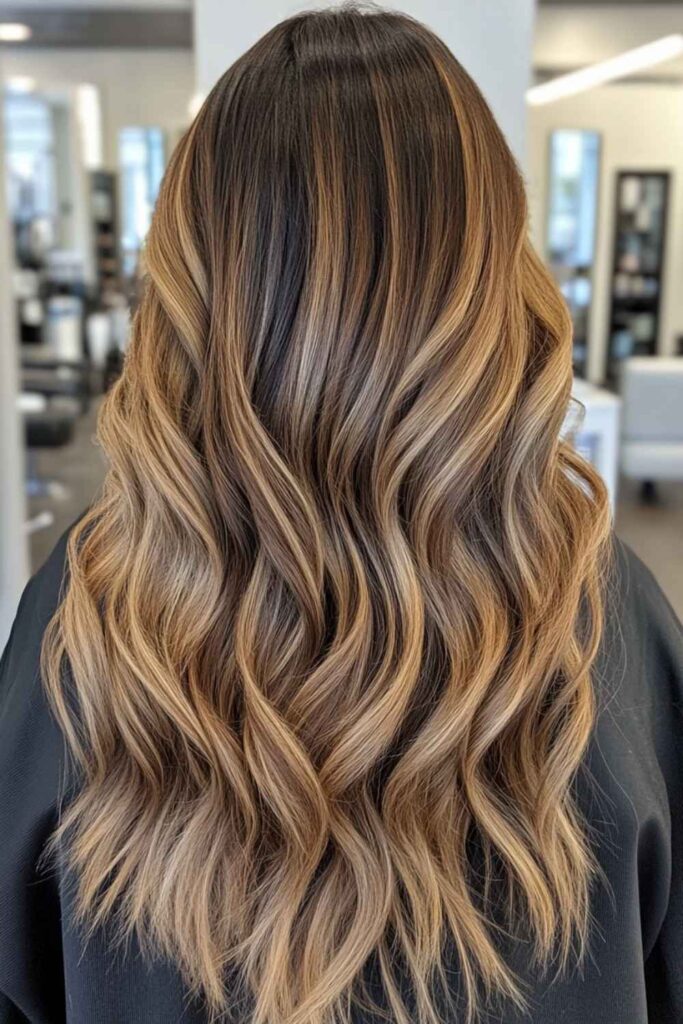
Choose warm, mid-tone caramel highlights painted through the mid-lengths to ends to add depth without losing your natural brunette base. This placement creates subtle face-framing pieces and low-contrast dimension that looks intentional at the salon and softens as it grows out.
Ask your stylist for thinner, face-framing strokes and slightly thicker pieces toward the ends to mimic natural lightening. Request a mix of honey and toffee tones honey for brightness near the face, toffee for depth on the lengths so the color reads multi-dimensional in different lighting.
Maintain tone with a color-safe shampoo and a weekly gloss or glaze to refresh shine and neutralize brassiness. Schedule touch-ups every 3–5 months for root blending only; full rebalancing is rarely necessary.
Lived-In Caramel Highlights for Blondes
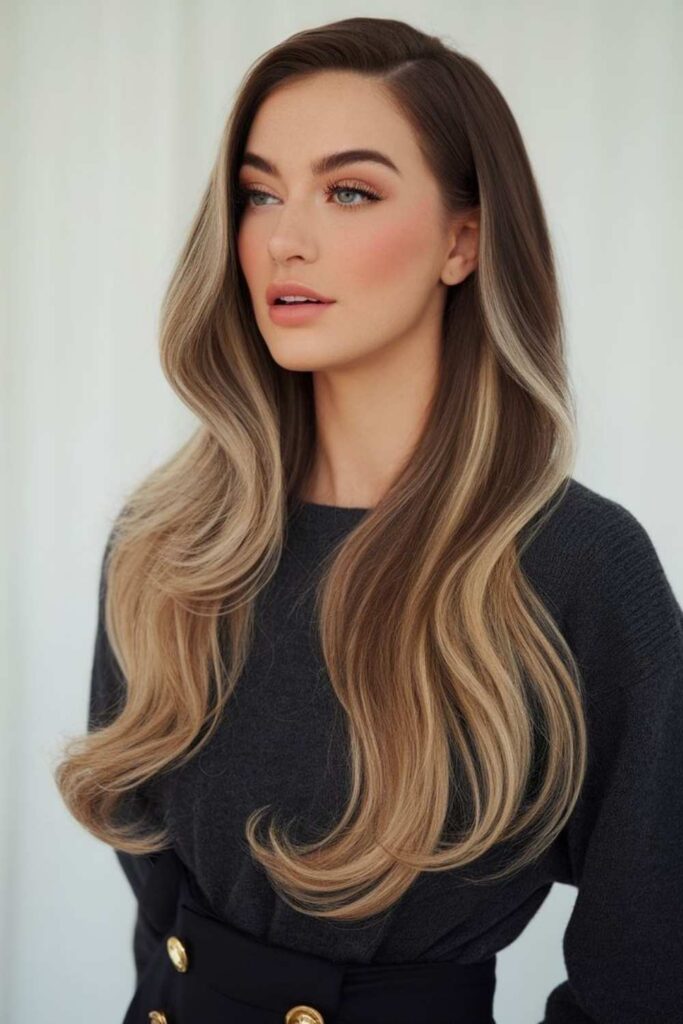
Aim for a sun-kissed, “lived-in” look by keeping caramel highlights blended and feathered from the root for minimal regrowth lines. Use lighter caramel shades butterscotch or soft gold on a blonde base to add warmth without stark contrast.
Tell your colorist you want a soft shadow root and balayage pieces that get thicker toward the ends. This technique preserves the blonde brightness while introducing natural-looking warmth and movement throughout your hair.
Use purple shampoo selectively if your base is cool blonde, and apply a conditioning mask weekly to protect lightened hair. Expect to refresh tone every 8–12 weeks depending on how warm you like the results.
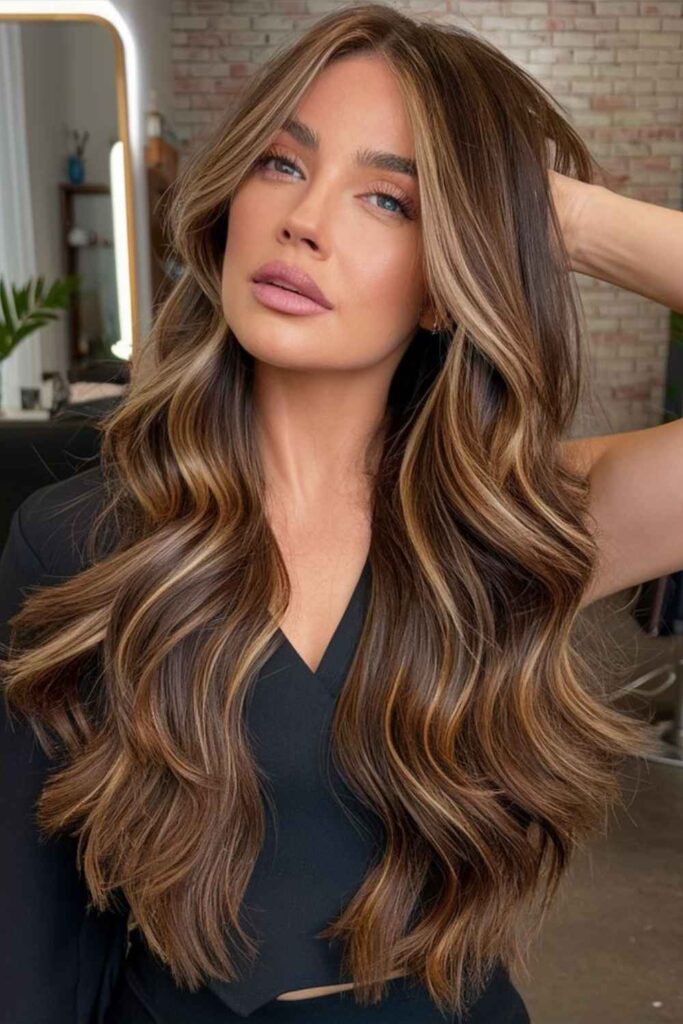
Caramel Balayage on Dark Hair
On dark brown to almost-black hair, choose rich caramel tones like mocha-caramel or cinnamon to brighten without appearing orange. Have your stylist lift selectively usually mid-lengths to ends—so the pieces blend into the natural base and create a soft, sunlit gradient.
Ask for a gradual lift plan to protect hair integrity: several subtle lifts or an initial heavy lift followed by glossing work best for deeper bases. Placement near the face and on outer layers maximizes contrast and movement without requiring full-head lightening.
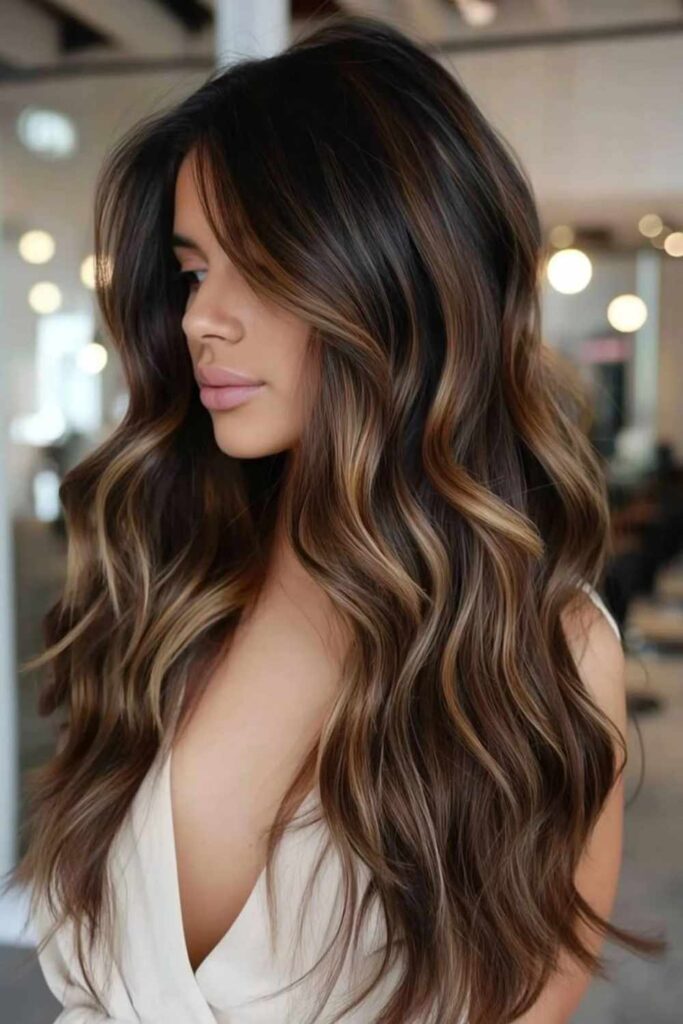
Protect newly lightened sections with bond-strengthening treatments and a heat protectant before styling. Expect toning appointments every 6–10 weeks to maintain warmth and reduce unwanted brass.
Choosing the Right Caramel Shade
Pick a caramel tone that adds warmth without overpowering your base color or skin. Focus on undertone, contrast level, and maintenance to get a natural, flattering result.
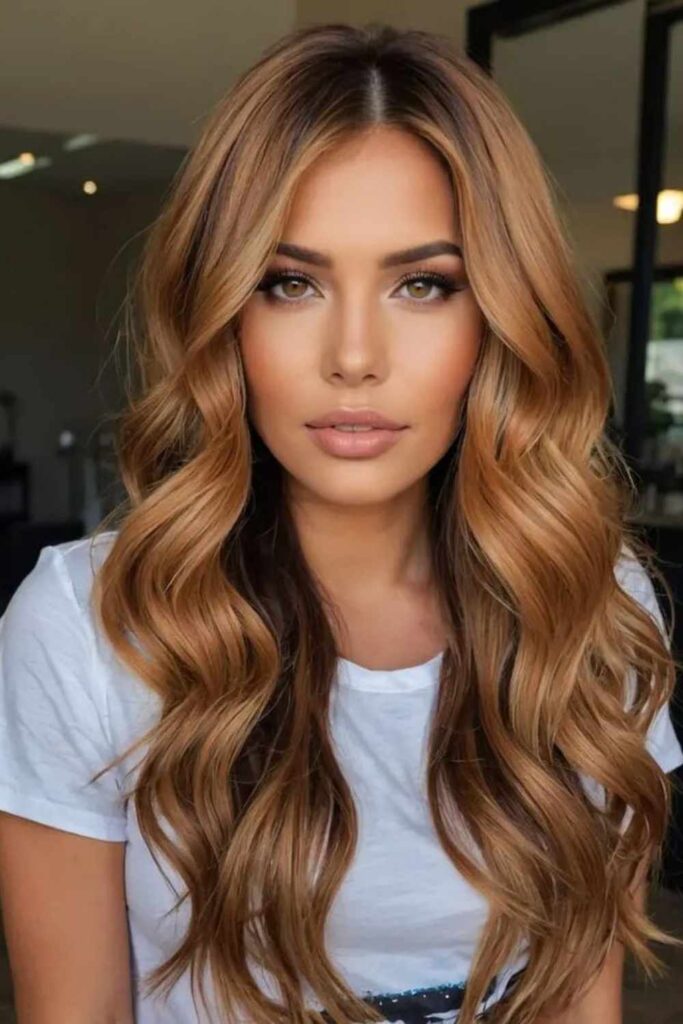
Warm vs. Cool Caramel Tones
Warm caramels lean golden, amber, or toffee and add brightness to your hair. Choose warm tones if your skin has yellow or olive undertones, or if you want a sunlit look that reads golden in daylight.
Cool caramels include muted, ash, or mocha-infused shades that reduce brassiness. Pick cool options when your skin has pink or neutral undertones, or when your base color is already warm and you want subtle depth rather than more warmth.
Use this quick guide:
- Warm: honey, golden-caramel, toffee brighter and more reflective.
- Cool: mocha-caramel, ash-caramel more neutral, less orange. Ask your colorist for low-lift or gloss techniques to preserve tone and avoid unwanted warmth.

Matching Caramel Shades to Skin Tones
Identify your undertone first: look at veins (green = warm, blue = cool) and how jewelry looks on your skin. Then match intensity: fair skin pairs with lighter, golden caramels; medium skin suits rich toffee or honey shades; deeper skin benefits from warm amber or dark caramel that still shows contrast.
Consider contrast level between your hair and skin. Low contrast (lighter skin with light hair) should use softer, blended highlights. High contrast (darker hair with lighter skin) can carry bolder streaks without looking harsh. If you tan easily, pick warmer caramels; if you burn or remain cool-toned, favor cooler caramels.
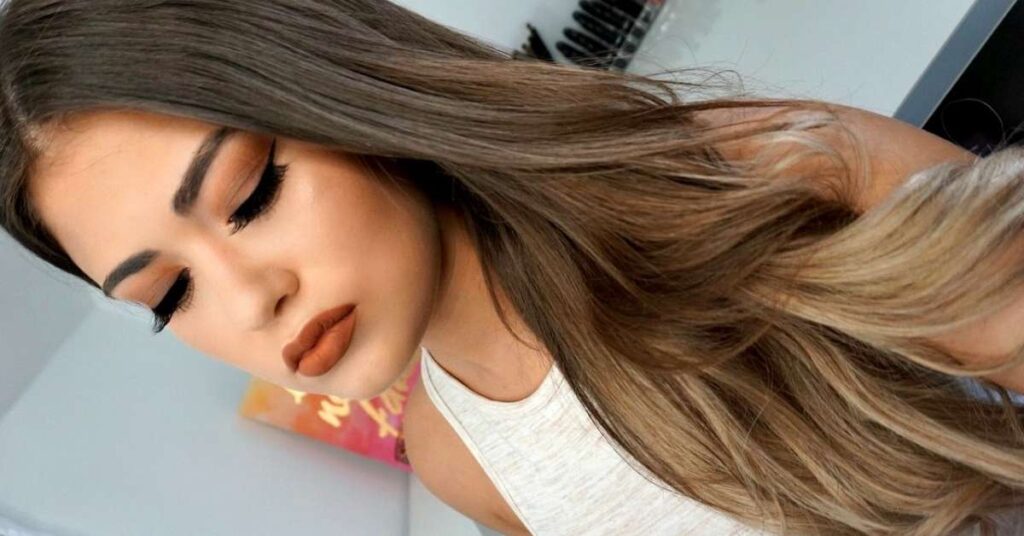
Blending Caramel With Natural Hair Color
Balance is key: aim for a smooth gradient from root to ends so regrowth looks natural. Use balayage painting to place highlights where light naturally hits around the face, crown, and ends to avoid obvious lines.
Adjust the lift based on your starting color. Dark brown hair often needs multiple steps or a stronger lift to reach a vivid caramel, while light brown or blonde may take caramel with a single session. Ask for face-framing pieces one to two shades lighter than the rest for brightness without full-head maintenance.
Maintenance tips:
- Request a toner/gloss at the end to seal the shade.
- Use color-safe shampoo and periodic glosses to keep caramel from fading or turning brassy.
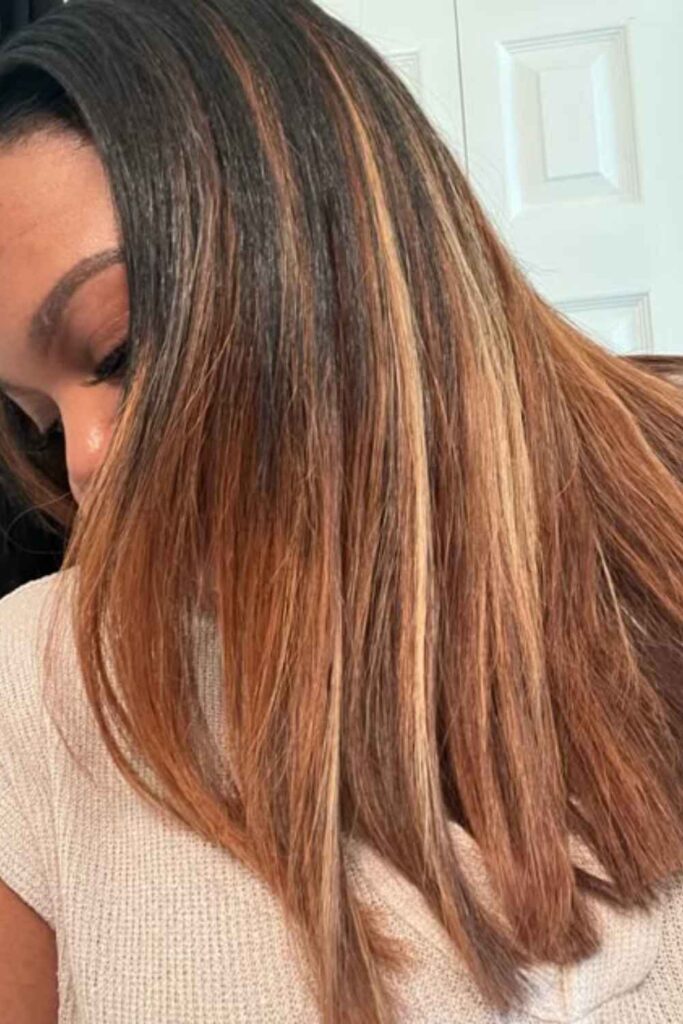
Caramel Balayage for Different Hair Types
Caramel balayage adds warmth and dimension while working with your natural texture and length. Choosing placement, highlight thickness, and tone depends on how your hair moves and the look you want to maintain.
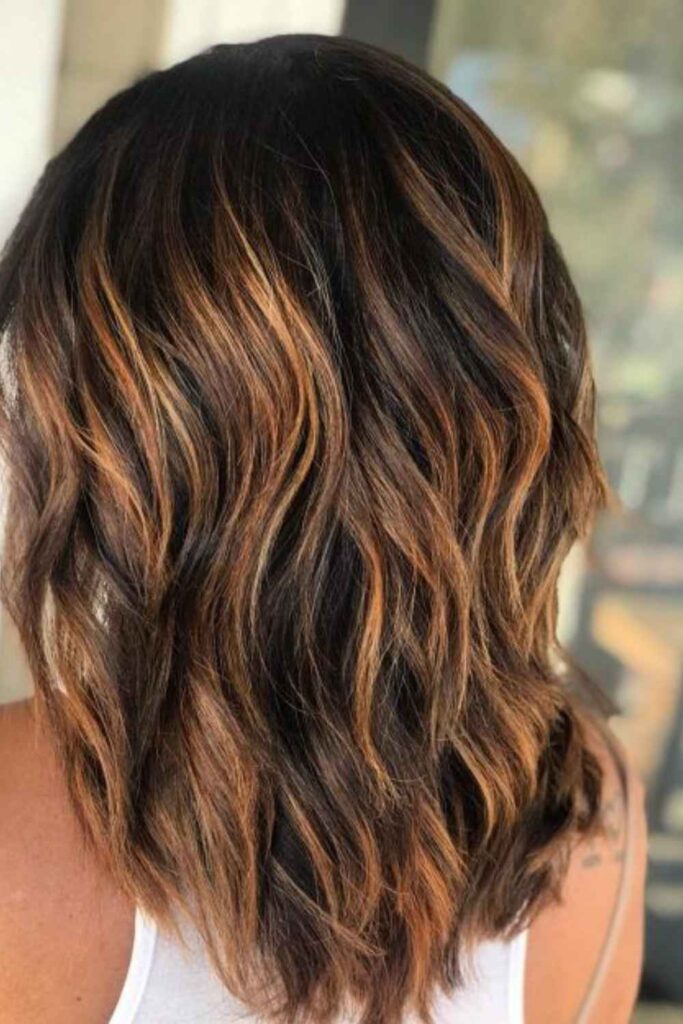
Straight Hair
Straight hair shows balayage placement clearly, so you should aim for seamless, face-framing pieces and softer mid-shaft blends. Ask for thicker painted sections toward the ends to create movement without harsh lines; fine, thin highlights can look stripy on straight strands.
Use low-contrast caramel tones if your base is light brown to avoid an overly busy look. For dark brown bases, pick warmer toffee or golden-caramel shades and a gradual lift of 2–3 levels for natural warmth. Maintain shine with a gloss treatment and sulfate-free shampoo to prevent brassiness.
Styling is simple: a quick flat-iron with subtle bends highlights the color, while a light texturizing spray adds separation. Schedule touch-ups every 3–4 months for blended regrowth instead of frequent full-color sessions.
Read More : 10 Burgundy Hair Ideas That Actually Work in Real Life
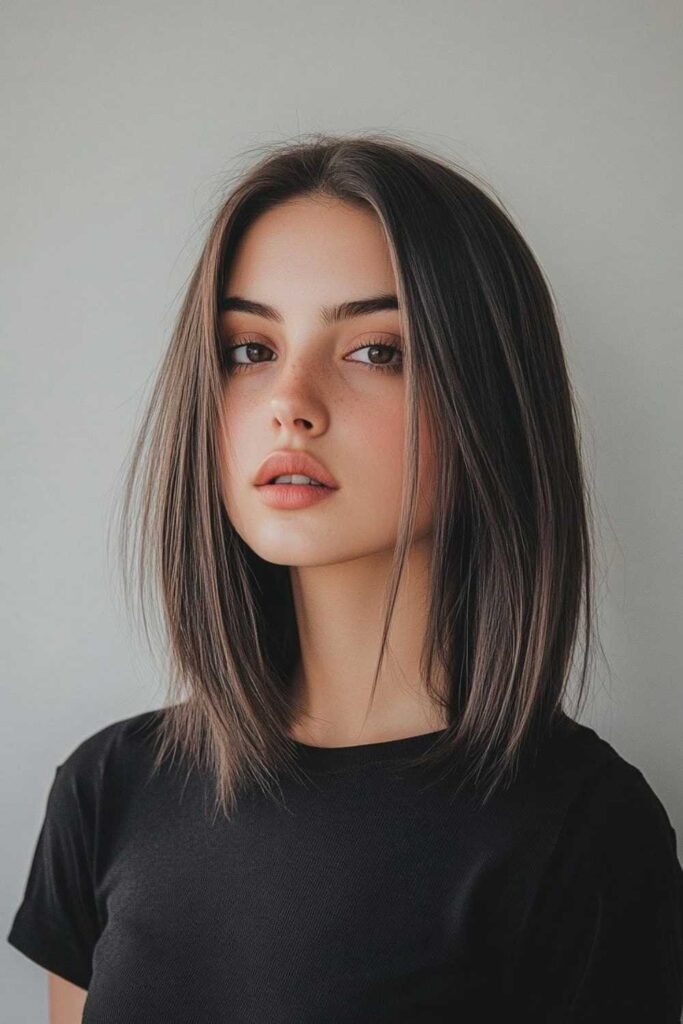
Wavy Hair
Wavy hair benefits from medium-thickness balayage that enhances the natural S-pattern and creates sunlit depth. You should place highlights around the face and through mid-lengths to ends so waves catch the light without losing definition at the roots.
Choose a mix of warm caramel and honey tones to emphasize highlights on outer waves and a slightly darker base beneath for contrast. Request softer hand-painted strokes near the roots and heavier saturation at the lengths to preserve movement.
Use a curl-enhancing mousse or sea-salt spray to boost wave definition and reveal the dimensional color. Refresh tone with a gloss or semi-permanent glaze every 8–12 weeks to keep the caramel warm and luminous.
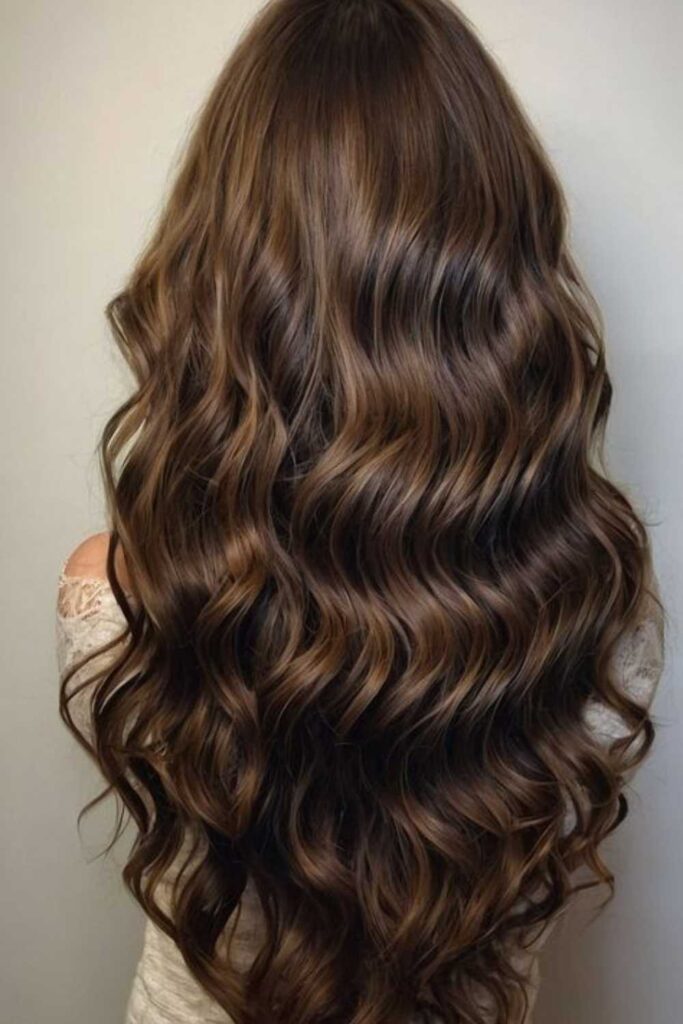
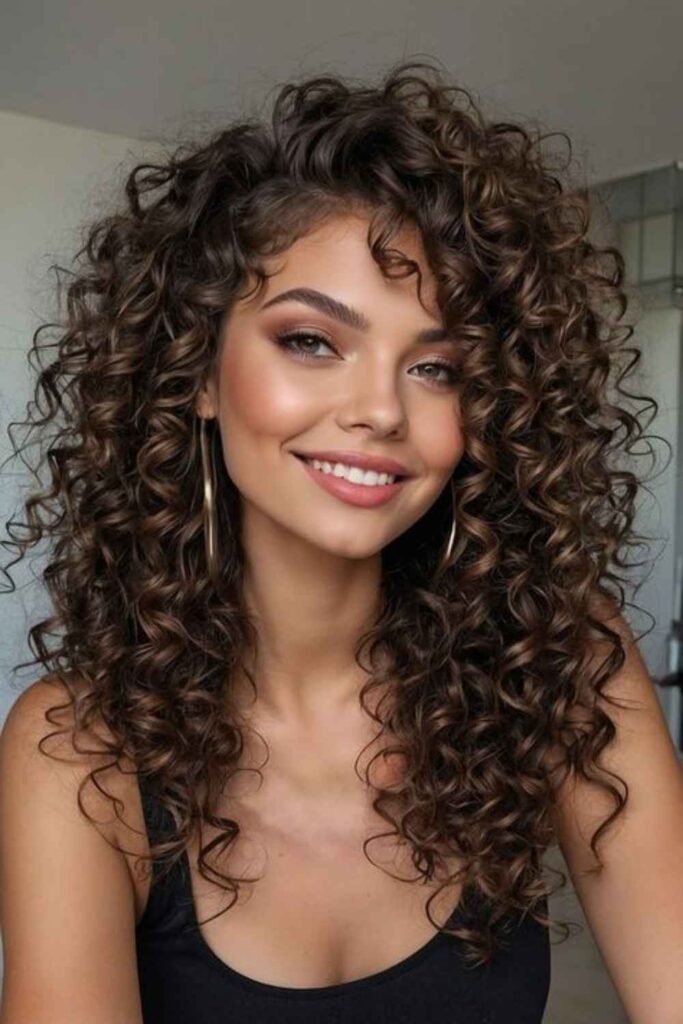
Curly Hair
Curly hair needs bolder, chunkier balayage pieces to show color through the curl pattern. Fine face-framing pops and heavier sections on mid-lengths and ends help the caramel read clearly on coils and spirals.
Opt for warmer shades like butterscotch or mocha-caramel to avoid visible banding that can occur when lifting in multiple stages. Tell your stylist to work in small sections and follow the curl’s natural clump to place color where curls separate most.
Hydration matters: use deep-conditioning masks weekly and a color-safe, sulfate-free cleanser to keep curls springy and color-rich. When styling, scrunch with a leave-in cream to bring out dimension and minimize frizz that can dull highlights.
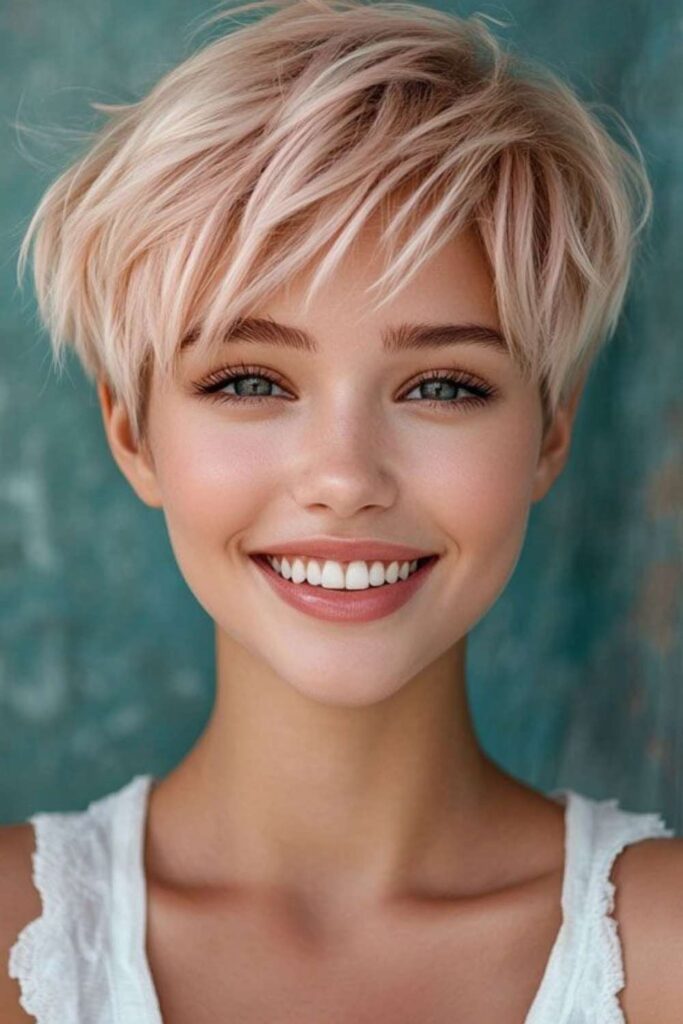
Short Hair
Short hair requires strategic placement since there’s less length for color transitions. Focus on root-adjacent face-framing pieces, temple highlights, and ends to create contrast and lift without overwhelming the cut.
For pixie cuts, place small caramel accents near the crown and fringe to add brightness and texture. For short bobs, blend mid-length balayage with slightly heavier ends to suggest volume and movement. Ask for a slightly darker shadow root if you want lower maintenance between visits.
Maintenance is lower because there’s less hair to refresh, but use a lightweight oil or shine spray to keep caramel tones vibrant. Schedule a toner or glaze every 8–10 weeks to maintain the warmth and prevent dulling.
FAQs
What are caramel balayage highlights?
Caramel balayage highlights are hand-painted highlights in warm caramel tones that blend softly into the hair for a natural, sun-kissed look.
Who should try caramel balayage highlights?
Caramel balayage works best for brunettes, dark blondes, and those with warm or neutral undertones, but it can be customized for almost any hair color.
Are caramel balayage highlights low maintenance?
Yes, caramel balayage is low maintenance because it grows out naturally without harsh root lines, making it ideal for long-lasting color.
Can caramel balayage highlights work on short hair?
Absolutely. Caramel balayage highlights add depth and dimension to short hairstyles like bobs and lobs when placed strategically.
How do I maintain caramel balayage highlights?
.Use sulfate-free shampoo, deep conditioning masks, and limit heat styling to keep caramel tones rich and glossy.
Conclusion
Caramel balayage highlights ideas are perfect for anyone wanting a warm, natural, and effortlessly chic hair transformation. Whether you prefer soft, subtle ribbons or bold face-framing highlights, caramel tones add depth, shine, and dimension to any hairstyle. With its low-maintenance appeal and flattering finish, caramel balayage remains one of the most timeless and versatile hair color trends.


