
45 Beginner Nails That Match Any Outfit
You want nails that look polished without the stress of intricate designs or expensive salon visits. The problem is that most nail ideas online look stunning but require skills you haven’t mastered yet or they only work with specific outfits, leaving you redoing your nails constantly.
Between work, errands, and everything else, who has time for that? The good news is that beginner-friendly nails can be just as chic as complex designs. With the right color choices and simple techniques, you can create versatile looks that complement your entire wardrobe, no matter what you’re wearing.
What Makes a Nail Design Beginner-Friendly?
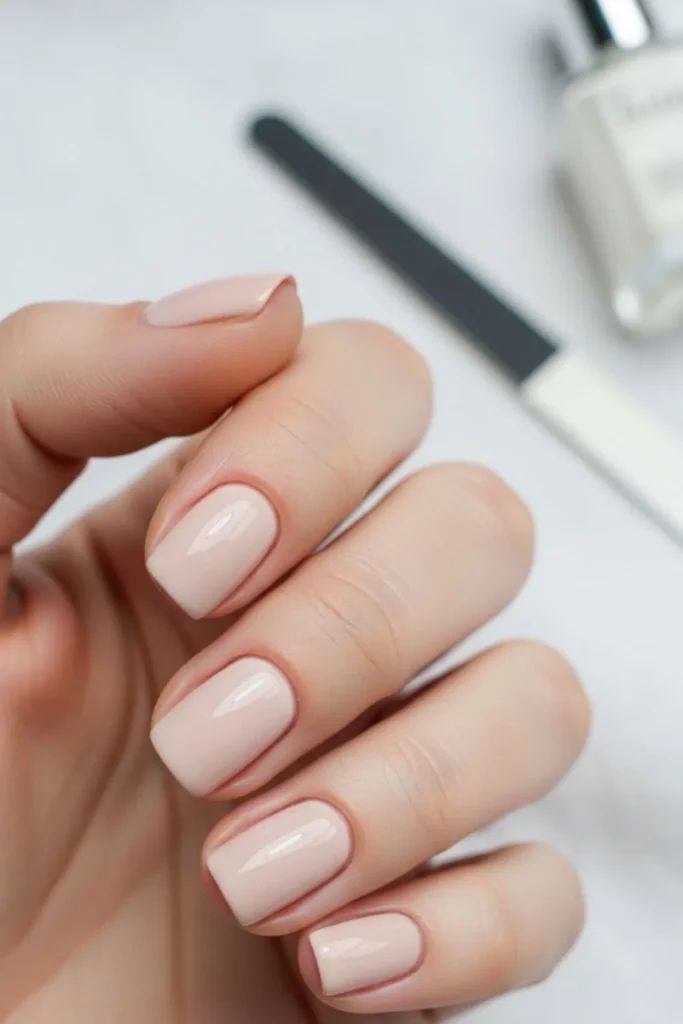
A beginner-friendly nail design requires minimal tools, forgives application mistakes, and doesn’t demand steady hands or advanced techniques. The best starter looks use one or two coats of a single color, avoid intricate patterns, and work with natural nail lengths.
Sheer formulas, neutral tones, and glossy finishes are particularly forgiving because they hide brush strokes and uneven edges better than bold, opaque shades.
The key difference between beginner and advanced designs is the margin for error. Complex nail art relies on precision, thin lines, perfectly placed dots, or gradient blending. Beginner nails, on the other hand, embrace simplicity.
A single coat of sheer pink looks intentional even if your application isn’t flawless, while a geometric design will show every wobble of your hand.
Why Do Neutral Nails Match More Outfits?
Neutral nails match more outfits because they don’t compete with your clothing for visual attention. Colors like beige, soft pink, taupe, and clear create a cohesive look that blends with any palette, from bold prints to monochrome basics. Unlike bright or trendy shades that can clash with certain colors, neutrals act as a backdrop that enhances rather than distracts.
This works best when you choose neutrals that complement your skin’s undertone. Warm-toned skin pairs beautifully with peachy nudes and caramel shades, while cool-toned skin looks fresh with rosy beiges and mauve tints.
When your nail color harmonizes with your natural coloring, it creates a polished, pulled-together effect that transitions effortlessly from casual to formal settings.
What Are the Easiest Nail Colors for Beginners to Apply?
The easiest nail colors for beginners to apply are sheer pinks, milky nudes, and soft beiges because they camouflage streaks and require fewer coats. Opaque formulas like deep reds or black show every imperfection, but translucent shades build coverage gradually, giving you room to correct mistakes.
Cream finishes are more forgiving than shimmers, which highlight uneven surfaces on your nails.
Sheer polishes also dry faster between coats, reducing the risk of smudging. If you’re working with an unsteady hand, a pale rose or buffed nude will look intentional even with minor wobbles near the cuticle. These shades also make regrowth less obvious, so your manicure looks fresh longer without constant touch-ups.
How Do You Choose Nail Shapes That Work With Everything?
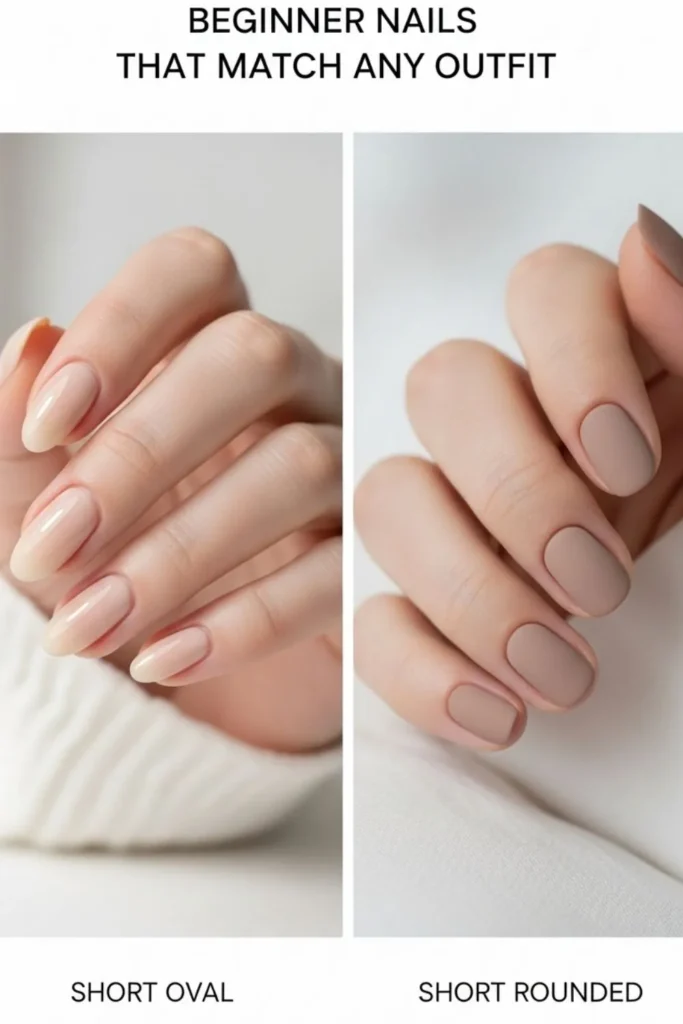
Choose nail shapes that work with everything by sticking to short-to-medium lengths with soft edges. Oval and rounded shapes are universally flattering because they mimic the natural curve of your fingertips and won’t snag on fabric. Square shapes can work too, but soften the corners slightly to avoid a harsh look that competes with delicate outfits.
Unlike stiletto or coffin shapes that make a statement, classic rounds and ovals fade into the background in the best way. They complement both structured blazers and flowy dresses without looking out of place.
This versatility is critical for beginners who want to minimize how often they need to reshape or adjust their nails.
What’s the Difference Between Glossy and Matte Finishes for Versatility?
Glossy finishes are more versatile for matching any outfit because they reflect light and create a polished, professional appearance that works in any setting. Matte finishes, while trendy, can look intentionally casual or editorial, which doesn’t always align with formal or conservative dress codes.
Glossy topcoats also hide minor surface imperfections better than matte formulas, which emphasize texture.
The key difference is visual weight. Glossy nails feel lighter and more traditional, making them appropriate for job interviews, weddings, and everyday wear. Matte nails read as more deliberate and fashion-forward, which can clash with classic or preppy outfits. For beginners building a go-to look, glossy is the safer, more adaptable choice.
Can Short Nails Look As Polished As Long Ones?
Short nails can look just as polished as long ones when they’re well-maintained and finished with a clean, even color. The perception that long nails are more elegant is outdated short nails actually appear more modern and practical, especially in professional environments. A tidy cuticle line and smooth nail surface matter more than length.
Short nails also reduce the risk of chips and breaks, keeping your manicure looking fresh longer. Unlike long nails that can look dated or impractical depending on your outfit, short lengths work with everything from athleisure to evening wear.
The trick is maintaining consistent shape and keeping edges smooth, ragged or uneven nails will undermine even the prettiest polish color.
How Do You Make Basic Nails Look Intentional Instead of Boring?
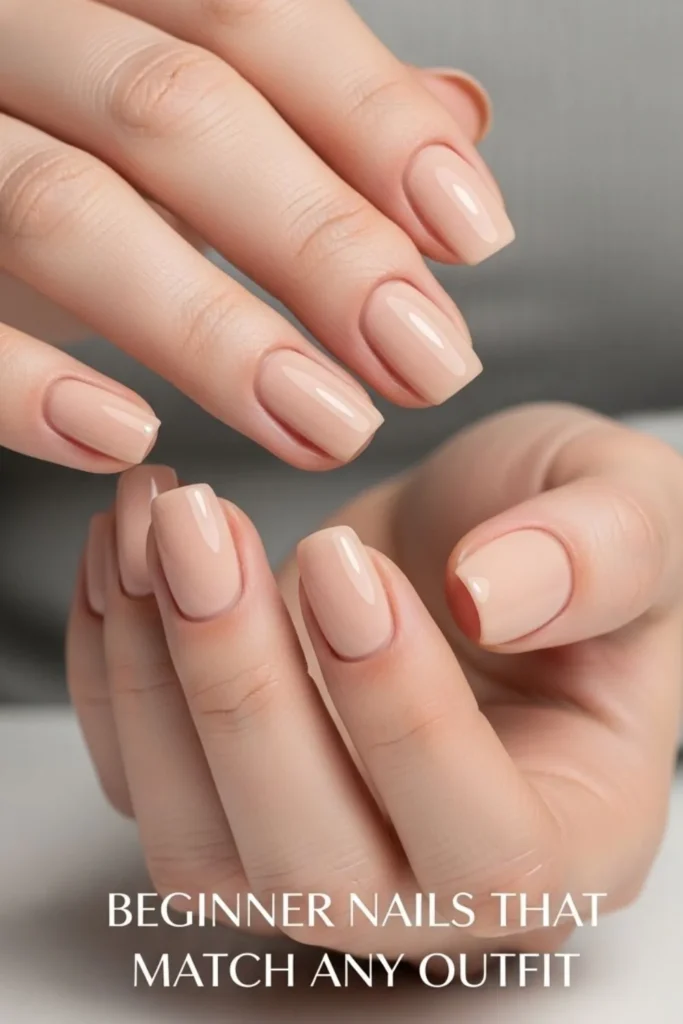
Make basic nails look intentional by focusing on flawless application and nail health rather than elaborate designs. Clean cuticles, uniform length, and a smooth polish application signal that your simple look is a choice, not a lack of effort. Adding a high-shine topcoat elevates even the plainest nude into something that looks salon-quality.
The difference between boring and chic is in the details. Nails with visible ridges, uneven edges, or chipped polish read as neglected, while well-groomed nails in a simple shade look refined. Think of it like a white t-shirt, it’s only boring if it’s wrinkled and stained. When it’s crisp and well-fitted, it’s timeless.
What Undertones Should You Look for in Versatile Nail Colors?
Look for neutral undertones in versatile nail colors to avoid shades that clash with your wardrobe. Colors with too much yellow can look dingy against cool-toned outfits, while overly pink shades seem juvenile next to earthy or neutral clothing. Balanced beiges, greiges, and soft taupes work because they don’t lean heavily warm or cool.
This works best when you test colors against your skin in natural light. A shade that looks perfect in the bottle might pull orange or purple on your nails, limiting which outfits it complements.
Neutral-toned polishes create harmony with both warm and cool clothing palettes, making them true wardrobe staples.
Why Do Sheer Polishes Work Better for Everyday Wear?
Sheer polishes work better for everyday wear because they require less maintenance and look fresh even as they grow out. Unlike opaque colors that show a harsh line at the cuticle after a few days, sheer shades blend seamlessly with your natural nail, extending the life of your manicure. They also chip less visibly, so minor wear doesn’t ruin the overall look.
Sheer formulas are also faster to apply and fix. If you notice a small imperfection, you can touch it up without creating obvious layers or color buildup. This makes them ideal for busy schedules where you need nails that look polished but don’t demand constant attention.
How Does Nail Length Affect What Outfits They Match?
Nail length affects what outfits they match by creating different visual proportions with your hands and overall silhouette. Very long nails can overwhelm delicate jewelry or structured tailoring, while short nails create a cleaner, more streamlined look that works with minimalist or professional clothing. Medium lengths offer the most flexibility, complementing both casual and formal styles.
The key is balance. If your outfit is already bold, think oversized silhouettes or loud prints, short, simple nails keep the focus on your clothes. Conversely, if you’re wearing something understated, you have more freedom to experiment with length. For true versatility, keep nails at or just past your fingertip.
What’s the Best Way to Maintain Neutral Nails Between Manicures?
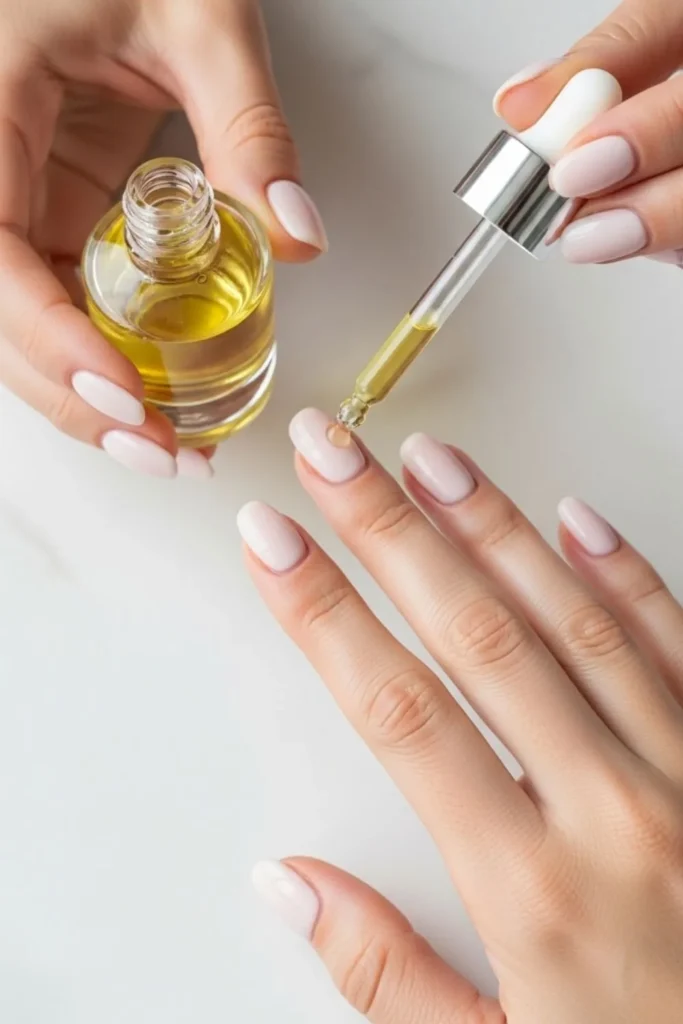
The best way to maintain neutral nails between manicures is to apply cuticle oil daily and refresh your topcoat every two to three days. Cuticle oil prevents dryness and peeling, while a fresh layer of topcoat seals in color and restores shine. This simple routine can extend a manicure by up to a week without needing a full redo.
Avoid using your nails as tools, which causes chips and breaks. When washing dishes or cleaning, wear gloves to protect polish from harsh chemicals. Unlike bright colors where chips are immediately obvious, neutral shades are forgiving but proper care ensures they stay looking intentional rather than neglected.
Do Certain Finishes Hide Imperfections Better Than Others?
Certain finishes hide imperfections better than others, with cream and sheer formulas being the most forgiving for beginners. Shimmer and metallic polishes emphasize every ridge, bump, and uneven area on your nail surface, making application mistakes more visible. Glossy creams smooth over minor flaws, while sheer shades diffuse light in a way that camouflages streaks.
This works differently than you might expect. You’d think sparkle would distract from imperfections, but it actually draws the eye to texture. A simple cream polish in a neutral tone keeps the focus on overall shape and color rather than surface details, making your nails look more polished with less effort.
How Do You Transition Basic Nails From Day to Night?
Transition basic nails from day to night by keeping the color neutral and changing other elements of your look, like jewelry or makeup. Unlike bold nail colors that can feel too casual for daytime or too understated for evening, neutrals adapt to context effortlessly. The same soft taupe that works for a morning meeting looks equally appropriate at dinner when paired with statement earrings.
This eliminates the need to redo your nails for different occasions. Your neutral manicure becomes a constant that grounds your look, similar to how a classic watch works with any outfit. The beauty is in not having to think about whether your nails match they always do.
What Makes a Nail Color “Timeless” vs. Trendy?
A timeless nail color avoids strong seasonal associations and doesn’t mimic viral trends that quickly feel dated. Shades like soft pink, nude, and greige have been staples for decades because they’re based on neutral tones found in nature and skin, not fashion cycles. Trendy colors like neon green or chrome finishes are fun but signal a specific moment in time.
The key difference is longevity in your wardrobe. A timeless shade won’t look out of place in photos five years from now, while trendy colors can age your look. For beginners building a versatile nail routine, timeless colors offer more value because they work with clothes you already own and will continue to buy.
How Often Should You Change Neutral Nail Colors?
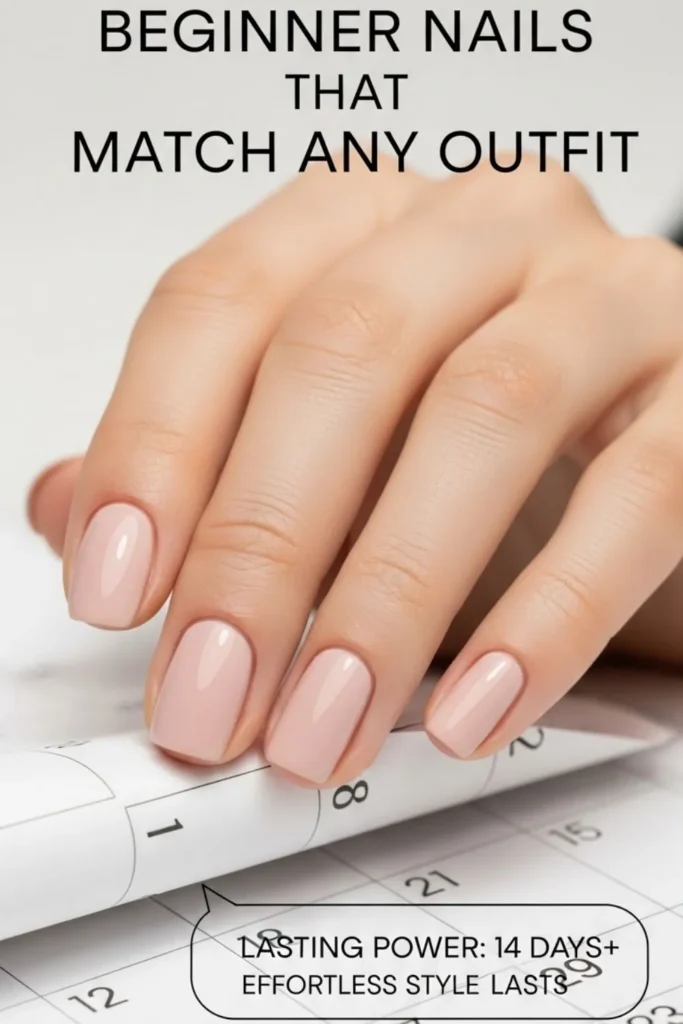
You should change neutral nail colors every 7 to 10 days to maintain a polished appearance, though well-applied sheer formulas can last up to two weeks. The timeline depends less on the color and more on your nail growth rate and daily activities. If you work with your hands frequently, plan for weekly touch-ups.
Unlike bold colors that you might tire of quickly, neutrals don’t create visual fatigue. Some people keep the same neutral shade for months, only changing when the season shifts or they want a slight variation in tone. The flexibility is part of what makes neutrals beginner-friendly there’s no pressure to constantly reinvent your look.
Can You Mix Neutral Tones on Different Nails?
You can mix neutral tones on different nails, but it works best when the shades share similar undertones and depth. Combining a warm beige with a cool grey can look disjointed, while pairing two soft pinks in slightly different saturations creates subtle dimension. This technique requires more skill than a single-color application, so it’s not ideal for absolute beginners.
The safer approach is to use different finishes of the same neutral like glossy on most nails and matte on accent nails. This adds visual interest without the risk of colors clashing with your outfit. For true versatility and simplicity, stick to one shade per manicure until you’re comfortable with more advanced techniques.
What’s the Difference Between Nude and Neutral Nails?
Nude nails are designed to match or closely mimic your natural skin tone, while neutral nails include any understated shade that isn’t bold or saturated. All nudes are neutrals, but not all neutrals are nudes. A soft grey or pale taupe is neutral but wouldn’t be considered nude because it doesn’t blend with your skin.
This distinction matters for outfit matching. True nude nails create a seamless, elongated look that works when you want your hands to blend into your overall appearance. Other neutrals still provide versatility but maintain more visual presence. For beginners, experimenting with both helps you understand which effect you prefer for different occasions.
How Do You Prevent Neutral Polishes From Looking Washed Out?
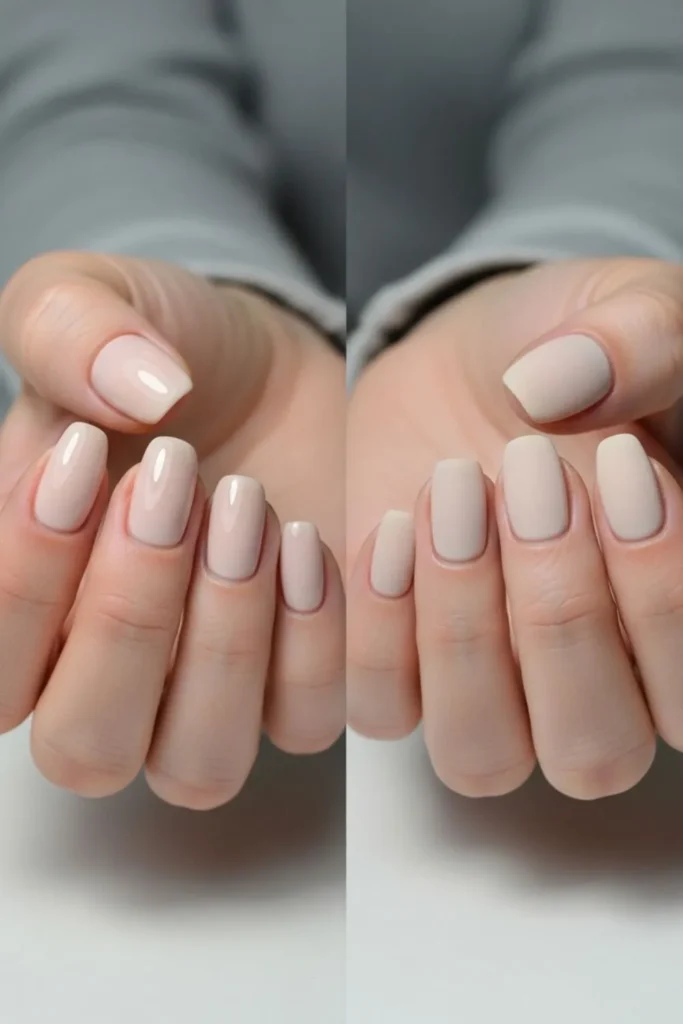
Prevent neutral polishes from looking washed out by choosing shades with enough depth and saturation for your skin tone. Very pale colors can blend too much with light skin, creating an unfinished look, while the same shade might pop beautifully on deeper skin tones. The goal is subtle contrast your nails should look polished, not invisible.
Adding a glossy topcoat also prevents the washed-out effect by creating dimension and light reflection. A flat, matte neutral on pale skin can look dull, but the same color with a high-shine finish appears intentional and refined. The finish is just as important as the color itself when creating a polished neutral look.
Do Professional Settings Require Specific Nail Colors?
Professional settings typically favor neutral and classic nail colors like nude, soft pink, and sheer beige over bold or trendy shades. While dress codes vary by industry, conservative colors signal polish and attention to detail without distracting from your work. Finance, law, and corporate environments tend to have stricter expectations than creative fields.
That said, well-maintained nails matter more than specific colors in most workplaces. Short, clean nails in a neutral shade are universally acceptable, while chipped bright polish or overly long nails can read as unprofessional regardless of color. For beginners navigating workplace norms, neutrals offer a safe, versatile option that won’t raise concerns.
What Tools Do You Actually Need for Basic Nail Looks?
For basic nail looks, you actually need only four tools: a nail file, cuticle pusher, base coat, and topcoat. The polish color itself is the fifth element, but these four essentials create the foundation for any simple manicure. Unlike complex designs that require dotting tools, striping brushes, or stamping plates, versatile beginner nails rely on proper prep and finishing.
Invest in quality over quantity. A good glass nail file prevents splitting better than cheap emery boards, and a professional-grade topcoat extends wear significantly. Many beginners buy elaborate kits filled with tools they’ll never use, when focusing on these basics delivers better results. The difference between amateur and polished nails is technique and preparation, not tool collection.
How Do You Know If a Neutral Shade Suits Your Skin Tone?
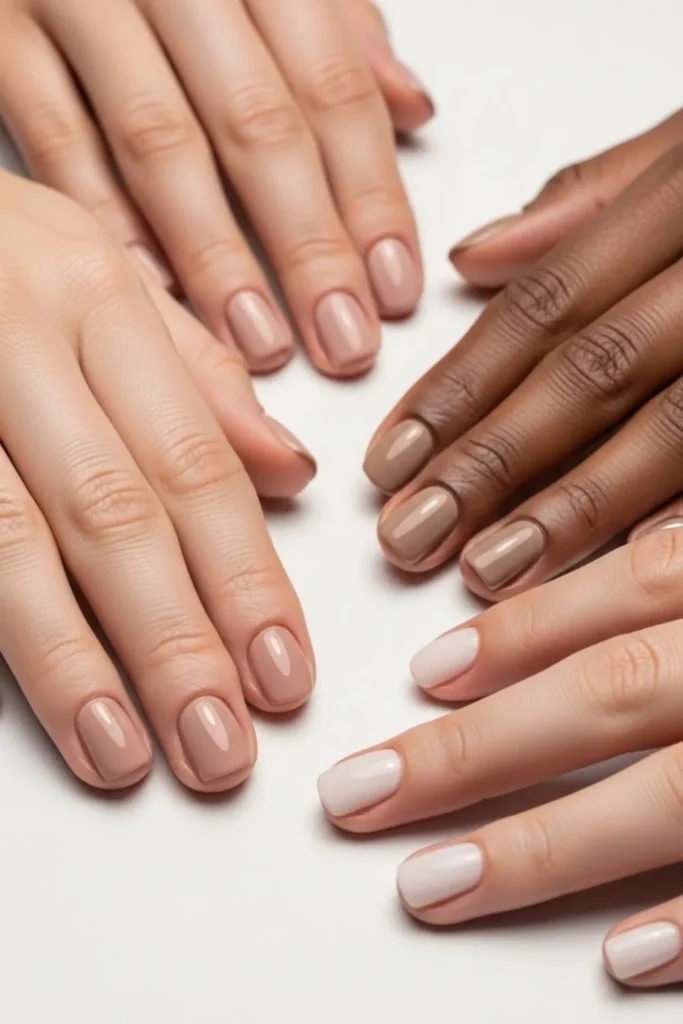
You know if a neutral shade suits your skin tone when it creates subtle contrast without clashing or disappearing entirely. Test polishes in natural light and hold them against your hand the right shade should complement your skin without looking too yellow, too pink, or completely invisible. If the color makes your hands look sallow or grey, it’s the wrong undertone.
A helpful trick is to observe which metals look best on you. If gold jewelry flatters your skin, warm-toned neutrals like peachy nudes and caramel shades will work well. If silver is more flattering, cool-toned neutrals like rosy beiges and mauve-tinged taupes will be more harmonious. This same principle applies to nail polish selection.
Why Do Some Neutral Nails Chip Faster Than Others?
Some neutral nails chip faster than others due to formula quality and application technique rather than color choice. Cheaper polishes often have lower pigment concentration and weaker polymers, causing them to peel and chip within days. Even expensive polishes will fail if you skip the base coat, apply thick layers, or don’t cap the free edge.
The difference between durable and fragile manicures comes down to prep and process. Properly dehydrated nails, thin polish coats, and sealed edges dramatically extend wear time. Sheer neutrals often last longer than opaque shades because they’re applied in thinner layers that flex with your nail rather than cracking under stress.
Can You Wear the Same Neutral Shade Year-Round?
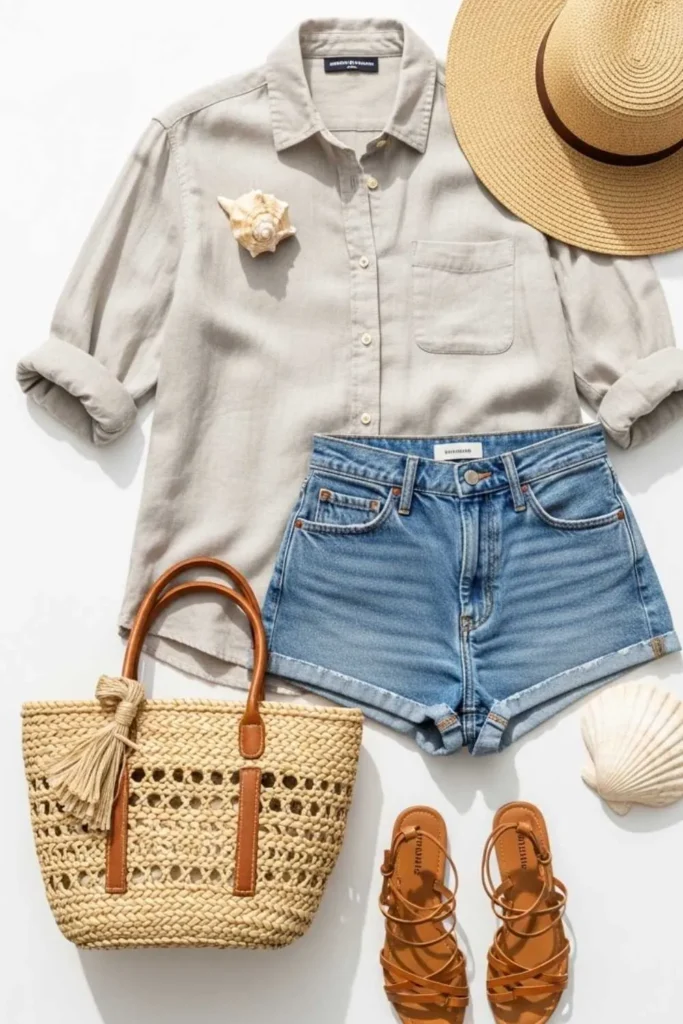
You can absolutely wear the same neutral shade year-round, especially if you choose a balanced tone that doesn’t lean heavily into seasonal associations. Unlike trend-driven colors that feel specifically summery or wintery, classic neutrals like soft taupe and rosy beige transcend seasons. Your wardrobe might change, but a versatile neutral adapts to everything from sundresses to sweaters.
Some people prefer to adjust their neutral slightly with the seasons going slightly warmer in fall and cooler in spring but this is preference, not necessity. The beauty of a signature neutral is the simplicity: you don’t have to rethink your nails every few months. This approach also saves money and decision fatigue, making it ideal for beginners establishing a routine.
What’s the Fastest Way to Apply Beginner-Friendly Nails?
The fastest way to apply beginner-friendly nails is using a sheer or jelly formula in two thin coats with minimal cleanup needed. Skip intricate prep like extensive buffing or detailed cuticle work just push back cuticles gently, file to shape, and apply. Sheer formulas dry quickly and forgive imperfect application, letting you finish both hands in under 15 minutes.
Work in thin layers rather than trying to achieve opacity in one thick coat, which takes forever to dry and often smudges. Apply base coat, two thin color coats, and topcoat, waiting just 60 seconds between layers. This method won’t win awards for perfection, but it creates a polished look that matches any outfit without eating up your morning.
How Do You Make Drugstore Neutral Polishes Look Expensive?
Make drugstore neutral polishes look expensive by perfecting your application technique and investing in a high-quality topcoat. The difference between cheap and luxury polish is often less about color payoff and more about shine and wear time. A $3 nude with a $15 quick-dry topcoat can look indistinguishable from a $20 designer polish.
Focus on thin, even coats and meticulous cleanup around the cuticle and sidewalls. Even the best formula looks cheap when it’s gooped on thick or has messy edges. Take an extra 30 seconds per nail to clean up with a small brush dipped in remover, and your budget polish will rival salon results.
Should You Match Your Nails to Your Outfit or Your Accessories?
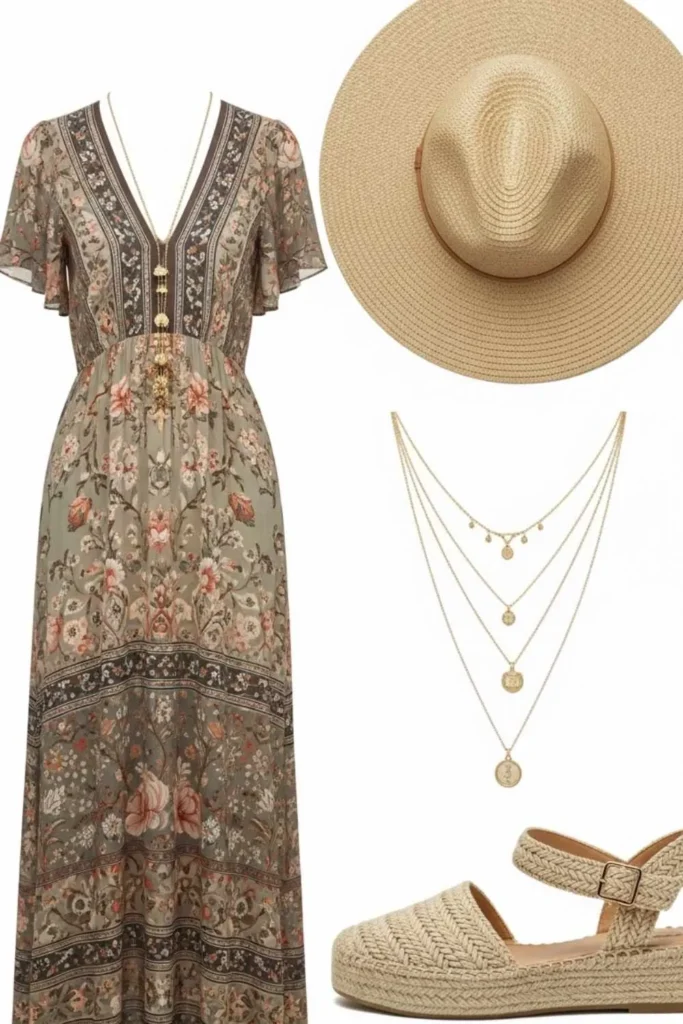
You should match your nails to your overall color palette rather than specific items in your outfit or accessories. Treating nails as a neutral foundation, like you would nude shoes or a simple watch, creates more versatility than trying to coordinate them with individual pieces. When your nails are a soft neutral, they complement everything without requiring constant changes.
The exception is special occasions where you’re building a cohesive look intentionally. For everyday wear, though, neutrals eliminate the matching game entirely. This approach is particularly valuable for beginners who want polished nails without the complexity of color coordination. Your nails become a consistent, elegant detail rather than something you need to overthink.
Frequently Asked Questions
What nail colors go with every outfit?
Neutral nail colors like nude, soft pink, beige, milky white, and light gray go with almost every outfit. These versatile nail shades work for casual wear, office outfits, and special occasions in the U.S.
How long do beginner nails typically last?
Beginner nails usually last 3 to 7 days with regular polish, depending on application technique and daily activities. Using thin coats and letting each layer dry can help new DIY manicures last longer.
Can you do beginner nails without base and top coat?
You can, but beginner nails without a base and top coat will chip faster and stain more easily. A simple base coat and top coat greatly improve durability and shine, even for first-time nail painters.
What’s the easiest nail shape for beginners to maintain?
Round and short square nail shapes are the easiest for beginners to maintain because they resist breaking and grow out evenly. These low-maintenance shapes are ideal for everyday DIY manicures.
Do neutral nails work for all skin tones?
Yes, neutral nails work for all skin tones when you choose the right undertone, such as warm beige for warm skin or rosy nude for cool skin. Sheer and soft neutral shades are the most universally flattering.
How do you fix mistakes on neutral nails?
Use a small brush or cotton swab dipped in acetone to clean up edges without ruining the rest of the manicure. For smudges, lightly buff the area and reapply a thin coat of neutral polish and top coat.
Quick Recap
- Beginner-friendly nails prioritize simple application, neutral colors, and forgiving formulas that hide minor mistakes while matching any wardrobe
- Sheer and cream finishes in nude, beige, and soft pink tones offer the most versatility across outfits, seasons, and occasions
- Short to medium nail lengths with rounded or oval shapes create a universally polished look that complements both casual and formal clothing
- Proper application technique and quality topcoat matter more than expensive polish drugstore neutrals can look salon-quality with the right finishing touches
- Neutral nails eliminate outfit-matching stress and extend time between manicures, making them ideal for busy lifestyles and professional settings
Conclusion
Beginner nails that match any outfit come down to smart color choices and simple techniques you can master quickly. Neutral shades like soft beige, sheer pink, and classic nude work with everything in your closet because they complement rather than compete with your clothing.
By focusing on clean application, proper nail care, and versatile tones, you create a signature look that feels polished without demanding advanced skills or constant maintenance.
The beauty of this approach is its simplicity and staying power. You’re not chasing trends or worrying whether your nails clash with your outfit, you’re building a reliable routine that always looks intentional.
Start with one quality neutral shade, master the basics of application, and you’ll have nails that enhance your style effortlessly, no matter what you’re wearing.