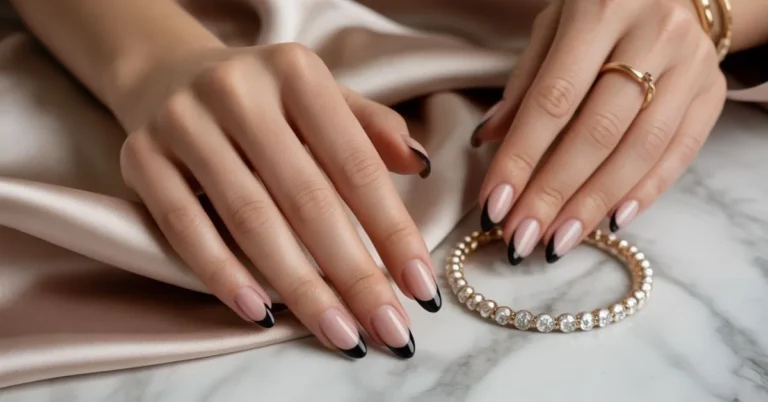

29 Beach Nails Ideas for 2026 That Last All Summer
Sun, salt, and sand expose a harsh truth about beach nails: most manicures aren’t built for the coast. What looks perfect poolside often chips after one swim, fades under UV light, or lifts once saltwater dries. The problem isn’t color choice alone, it’s durability.
That failure adds up fast. Peeling polish ruins vacation photos, rushed fixes damage nail beds, and redoing manicures mid-trip wastes time meant for the ocean. Many assume brighter shades or thicker coats solve it, but those shortcuts make wear more obvious.
Beach nails work because they’re engineered differently. With the right prep, formulations, and designs like ombré fades that hide chips, nails can handle weeks of swimming and sun without sacrificing style.
What Makes Beach Nails Different From Regular Manicures?
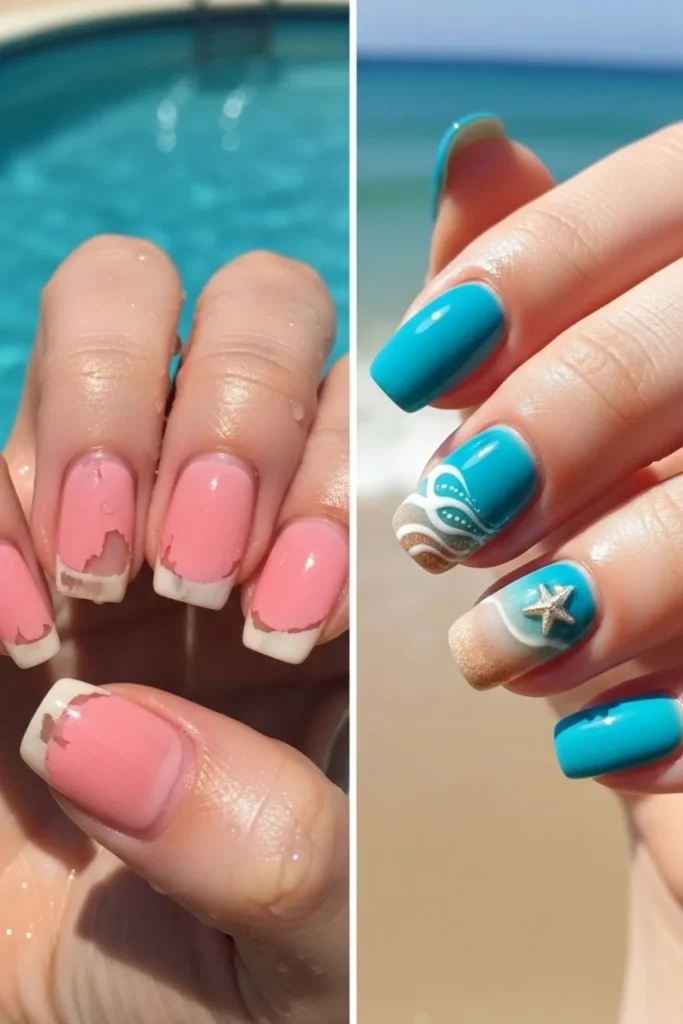
Beach nails are manicures specifically designed to withstand saltwater, sand, chlorine, and UV exposure while featuring ocean-inspired designs like waves, shells, or coastal color palettes. Unlike standard manicures that chip easily in beach conditions, beach nails use gel polish or dip powder formulations with reef-safe ingredients and designs that camouflage natural wear.
The key difference lies in durability engineering. Regular polish fails at the beach because water penetrates the polish-nail bond, causing lifting and peeling. Beach nail techniques address this through multiple dehydration steps, rubberized base coats, and thicker gel layers that create a waterproof barrier. Design-wise, beach nails incorporate strategic patterns, ombre fades, abstract waves, scattered glitter that make small chips less noticeable than solid color blocks.
Most nail artists recommend gel over traditional polish for beach nails because gel cures under UV light into a hard, non-porous surface. This works best when paired with proper cuticle removal and nail plate buffing, which standard manicures often skip. The result is a manicure that maintains its appearance for 2-3 weeks of daily ocean exposure, compared to 2-3 days for regular polish.
Read More About : Christmas Bow Nails: The Ultimate Guide to Festive Manicure Magic
How Do You Prepare Nails for Maximum Beach Durability?
Proper beach nail preparation starts with complete dehydration of the nail plate using alcohol or acetone, followed by gentle buffing to create microscopic texture for gel adhesion. Push back cuticles fully and remove any dead skin, as moisture trapped under polish is the primary cause of beach-related lifting and peeling.
The preparation phase matters more for beach nails than salon nails because you’re creating armor against harsh conditions. Start by washing hands thoroughly, then swipe each nail with 99% isopropyl alcohol or pure acetone this removes natural oils that cause gel to separate.
Buff the nail surface lightly with a 180-grit file in one direction, which creates tiny grooves for the base coat to grip. Many people skip this step, assuming smooth nails hold polish better, but the opposite is true for gel formulations.
Apply a dehydrator or pH-balancing primer if you have naturally oily nail beds. This step is optional for regular manicures but essential for beach nails, particularly if you’ll be swimming daily.
The primer adjusts your nail’s pH from around 5 to the slightly acidic level where gel bonds strongest. Finally, cap the free edge with each coat brush the polish over the tip of your nail which seals the most vulnerable area where chips typically start.
What Are the Most Durable Beach Nail Designs?
Ombre and gradient designs are the most durable beach nail styles because they naturally camouflage wear and regrowth, followed by abstract patterns like marble swirls or scattered glitter that hide chips better than solid colors or precise geometric designs.
Solid color manicures show every imperfection a single chip on day three ruins the entire look. Ombre nails transition from light to dark (typically nude to ocean blue), so small chips blend into the gradient rather than standing out.
This works especially well with the “sandy beach ombre” where tips are white or cream and gradually darken to turquoise, mimicking actual beach sand meeting water. If a corner chips, it looks intentional rather than damaged.
Abstract designs like watercolor waves, scattered shell accents, or “shattered glass” chrome effects also wear gracefully. The irregular patterns mean your eye doesn’t register small imperfections the way it would with French tips or precise stripes. Glitter placement is strategic here to concentrate shimmer near cuticles and tips where wear is heaviest.
Conversely, designs requiring precision maintenance like thin palm tree silhouettes or detailed sea creatures look stunning initially but show wear obviously, requiring touch-ups that aren’t practical during beach trips.
Which Polish Types Actually Survive Saltwater and Chlorine?

Hard gel and builder gel formulations survive saltwater and chlorine best, lasting 3-4 weeks with daily swimming, while regular gel polish maintains 2 weeks and traditional polish fails within 2-3 days of ocean exposure.
The chemistry explains the difference. Hard gels cure into a rigid, cross-linked polymer structure that water molecules cannot penetrate. Builder gels add thickness and flexibility, which prevents cracking when nails bend during swimming or beach activities.
Regular gel polish (like OPI GelColor or Essie Gel Couture) sits between traditional polish and hard gel in durability; it creates a waterproof seal but remains thinner and more prone to edge lifting after repeated saltwater exposure.
Traditional polish never survives beach conditions because it air-dries rather than cures, leaving microscopic gaps where water seeps through. Saltwater is particularly destructive because salt crystals physically wedge between polish layers as water evaporates, causing delamination.
Chlorine breaks down the plasticizers that keep polish flexible, making it brittle and chip-prone. If you must use regular polish, apply 3-4 thin coats with a rubberized top coat, but expect maximum 4-5 days of wear even with careful maintenance.
Read More About : Pink and Green Nails: The Ultimate Guide to This Fresh Color Combination
How Long Should Beach Nails Actually Last?
Professionally applied gel beach nails should last 14-21 days with daily ocean swimming, while dip powder manicures can reach 3-4 weeks, and at-home gel applications typically maintain quality for 10-14 days in beach conditions.
Duration depends on three variables: application quality, nail growth rate, and activity level. Professional application includes proper dehydration, thin even coats, and complete edge capping that home applications often miss.
Your nails grow approximately 3mm per month, so by week two you’ll see visible regrowth regardless of polish condition; this matters less with ombre designs that blend regrowth naturally.
High activity levels (surfing, volleyball, constant swimming) stress the polish differently than lounging and reading.
Dip powder outlasts gel because it builds thickness through multiple powder-and-resin layers, creating a harder shell. The tradeoff is removal difficulty and less flexibility, dip nails can feel rigid during swimming. Gel offers better flexibility and easier removal but requires more careful application to reach the 3-week mark.
Most people find week two is when gel beach nails start showing micro-chips around edges, though the overall appearance remains acceptable through week three if properly applied.
What’s the Difference Between Reef-Safe and Regular Nail Products?
Reef-safe nail products exclude oxybenzone, octinoxate, and microplastics that damage coral reefs, while regular polish often contains these chemicals plus additional toxins like formaldehyde and toluene that leach into ocean water during swimming.
The “reef-safe” designation addresses a real problem: studies show that chemical UV filters and microplastics from personal care products contribute to coral bleaching and ecosystem disruption.
Oxybenzone, found in some nail strengtheners and top coats, causes coral larvae deformities at concentrations as low as 62 parts per trillion. When you swim with freshly painted nails, trace amounts of uncured chemicals leach into the water, with gel polish being lower-risk than traditional polish because it fully cures rather than air-drying.
Genuinely reef-safe formulations use mineral-based strengtheners (calcium, keratin) instead of chemical hardeners, and replace traditional plasticizers with plant-based alternatives.
Brands like Ella+Mila, Côte, and Zoya offer 10-free or 15-free formulations that exclude the worst offenders. This works best when you also allow gel to cure completely and wait 24 hours after application before swimming to ensure no residual chemicals remain.
Regular polish never fully hardens, continuously releasing volatile organic compounds (VOCs) into water, making it the worst choice for frequent ocean swimmers.
Can You Apply Beach Nails at Home or Do You Need a Salon?

At-home beach nail application achieves 80-85% of salon durability when using proper gel systems and following complete prep protocols, but salon applications last longer due to professional dehydration techniques and high-quality LED curing lamps that ensure complete polymerization.
The main advantages salons offer are equipment and expertise. Professional LED lamps cure gel more thoroughly than most at-home units, reaching full hardness in 30-60 seconds versus 2-3 minutes for consumer lamps.
Incomplete curing leaves gel softer and more vulnerable to water damage. Nail techs also perform more aggressive cuticle work and nail plate prep than most people do at home, they’re trained to identify where moisture or oils might cause lifting.
That said, DIY beach nails work well if you invest in quality products and follow every prep step without shortcuts. Use a reputable gel system (Gelish, CND Shellac, Beetles) rather than cheap Amazon kits with inconsistent formulations.
Applying extremely thin coats of thick gel doesn’t cure completely and will peel. The biggest home application mistake is skipping the dehydrator and proper buffing, then wondering why nails lift after two beach days.
Budget 45-60 minutes for proper at-home application versus the 15-minute rush job that fails by day three.
Read More About : Red Aura Nails: The Bold Nail Trend Radiating Confidence in 2025
How Do You Maintain Beach Nails Throughout Your Vacation?
Maintain beach nails by rinsing hands with fresh water after each ocean swim, applying cuticle oil daily, and carrying a mini LED lamp for emergency repairs this prevents 90% of premature chipping and extends manicure life by 7-10 days.
Saltwater is your manicure’s biggest enemy because salt crystals form as water evaporates, physically pushing under polish edges. Immediately after swimming, rinse hands under fresh water for 30 seconds to dissolve salt before it dries.
This simple step prevents the micro-lifting that accelerates into full chips. Apply cuticle oil morning and night it keeps the skin around your nails flexible and prevents the dry cracking that can pull up polish edges.
Pack a travel-size LED lamp and clear gel top coat for mid-vacation touch-ups. If you notice a small chip or lifting edge, clean the area with alcohol, apply a thin layer of top coat, and cure for 60 seconds. This rescue technique can save a manicure that would otherwise deteriorate completely.
Avoid the temptation to pick at lifting edges this always makes damage worse. Instead, file the lifted area smoothly and seal it, or leave it alone until you can properly repair it. Reapply top coat every 3-4 days even without visible damage, as this refreshes the protective layer that beach conditions degrade.
What Colors and Finishes Work Best for Beach Aesthetics?
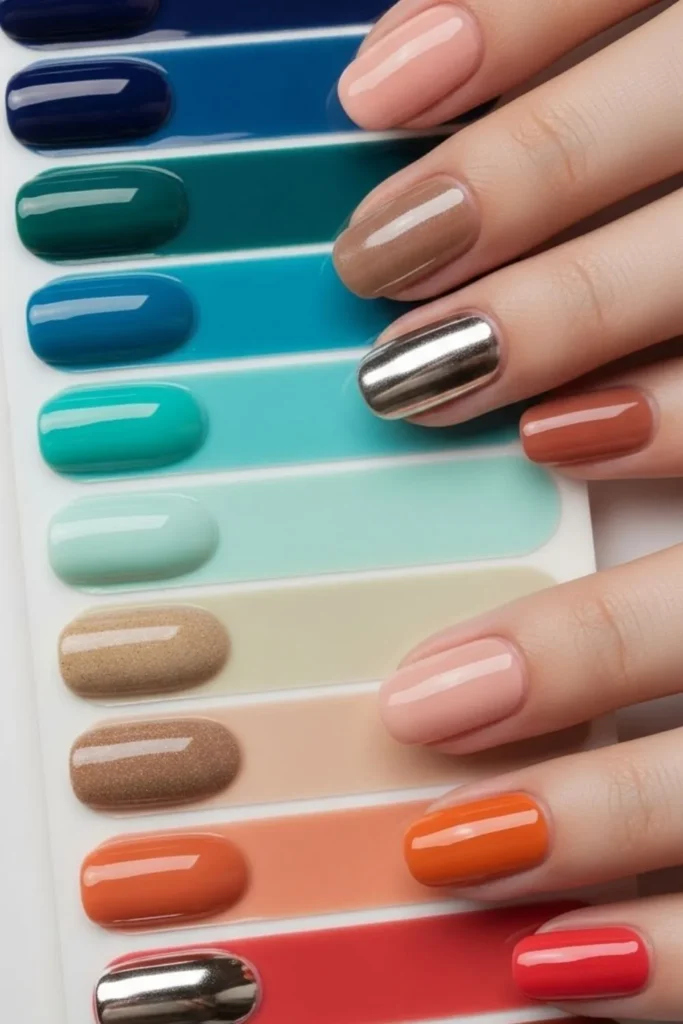
Ocean-inspired blues, seafoam greens, and sandy neutrals in glossy or chrome finishes work best for beach aesthetics, while matte finishes show water damage quickly and dark colors highlight chips more than light shades.
Color choice affects both appearance and perceived durability. Light colors (white, nude, pale pink) hide chips and wear better than dark shades because the contrast between polish and natural nail is minimal.
The classic “beach palette” includes turquoise, coral, seafoam, and sandy beige because these mimic coastal environments and maintain their appeal even with minor wear. Bright white is paradoxically forgiving of small chips blended with the bright base rather than creating dark spots.
Glossy finishes are the most practical for beach nails because they’re easiest to maintain and refresh with top coat. Chrome and metallic finishes offer a modern alternative that also hides imperfections well the reflective quality draws attention away from edge wear.
Matte finishes look sophisticated initially but show every water spot, handprint, and scratch, making them the worst choice for beach conditions. Shimmer and fine glitter fall in the middle, they camouflage wear better than solid colors but can look dated if overdone.
The current trend balances solid base colors with minimal accent nails featuring shells, waves, or gradient effects rather than full-hand glitter coverage.
Read More About : Brown French Tips: The Modern, Earthy Twist on a Classic Manicure
When Should You Remove Beach Nails Instead of Maintaining Them?
Remove beach nails when lifting occurs near the cuticle area, when you see discoloration or green spots indicating bacterial growth, or after 4 weeks regardless of appearance to prevent nail damage from prolonged gel wear.
Cuticle-area lifting is the critical removal signal because it creates a pocket where water and bacteria accumulate. If you notice the gel pulling away from the base of your nail, removal and reapplication prevents the nail infections that occur when moisture sits trapped against the nail plate.
Green or yellow discoloration under gel indicates pseudomonas bacterial growth that requires immediate removal and should not be ignored or covered with fresh polish.
Time-based removal matters even when nails look perfect. Gel worn beyond 4 weeks can cause nail thinning because the rigid coating prevents natural flexibility and moisture exchange.
Your nails need to “breathe” periodically not literally, but they do require rest periods between gel applications to maintain thickness and strength. Remove gel properly using acetone soaking and gentle pushing rather than peeling, which strips nail layers and creates a weak base for your next beach manicure.
Plan a 3-5 day break between gel applications during beach season, using strengthening treatments to maintain nail health for your next vacation round.
Frequently Asked Questions
Do beach nails require special removal techniques?
Beach nails do not require special removal, but gel or acrylic beach nail designs should be soaked off properly with acetone to avoid nail damage. Regular polish beach nails can be removed at home with standard nail polish remover.
Can you get beach nails with short natural nails?
Yes, beach nails look great on short natural nails and are very popular for low-maintenance summer styles in the USA. Simple designs like pastel colors, tiny palm trees, or seashell accents work especially well on short nails.
Are press-on nails a good alternative for beach vacations?
Yes, press-on nails are a great alternative for beach vacations because they are affordable, quick to apply, and easy to remove. Many waterproof press-on nail sets now last up to a week, even with light swimming.
How much do professional beach nails typically cost?
Professional beach nails usually cost between $40 and $90 in the USA, depending on the salon, nail length, and design complexity. Gel polish, nail art, and rhinestones can increase the final price.
Can you swim immediately after getting beach nails done?
It’s best to wait at least 2–3 hours before swimming after getting beach nails, especially if you had gel or acrylic applied. This allows the products to fully set and reduces the risk of lifting or peeling.
What’s the best way to protect beach nails while swimming?
The best way to protect beach nails while swimming is to apply a high-quality top coat and rinse your hands with fresh water after saltwater or pool exposure. Using cuticle oil daily also helps prevent dryness and cracking from sun and chlorine.
Key Takeaways
- Beach nails are gel or dip powder manicures engineered for saltwater durability through proper dehydration, rubberized base coats, and strategic designs that hide wear
- Ombre and abstract patterns last longest because they camouflage chips naturally, while solid colors and precise designs show damage immediately
- Hard gel and builder gel survive 3-4 weeks of daily swimming, regular gel lasts 2 weeks, and traditional polish fails within 2-3 days of ocean exposure
- Reef-safe formulations exclude oxybenzone and microplastics that damage coral, making them the responsible choice for ocean swimmers
- Proper maintenance includes rinsing with fresh water after swimming, daily cuticle oil, and mid-vacation top coat refresh for maximum longevity
Conclusion
Beach nails succeed when durability engineering meets aesthetic appeal. The combination of proper gel application, strategic design choices, and consistent maintenance creates manicures that withstand weeks of ocean exposure while maintaining their fresh appearance. Understanding the difference between standard polish and beach-specific formulations prevents the frustration of chipped nails ruining vacation photos.
The investment in quality products and proper technique pays off through extended wear and reduced need for touch-ups during travel. Whether you choose professional application or perfect your at-home technique, following the preparation protocols and maintenance steps outlined here ensures your nails complement your beach experience rather than becoming another vacation hassle.
Healthy nails and beautiful color can coexist through entire summer seasons when you apply the right methods for coastal conditions.