
47 At-Home Gel & Simple Salon Nails Ideas to Try in 2026
You love the look of perfectly polished nails, but at-home gel & simple salon nails often feel like a gamble between saving money and sacrificing quality. Salon manicures promise flawless results, yet the price and scheduling friction make consistency unrealistic for most routines.
The real frustration isn’t choosing DIY or salon, it’s wasting time and money on looks that chip early, lift at the cuticle, or feel dated after a week. Many people assume professional results require professional chairs, but that belief keeps budgets strained and nails stuck in a cycle of disappointment.
Modern gel formulas, smarter tools, and design-specific techniques have quietly changed the equation. When the right looks meet the right method, glossy, durable, and wearable nails become practical, not aspirational.
Why At-Home Gel Nails Have Replaced Weekly Salon Visits for Many
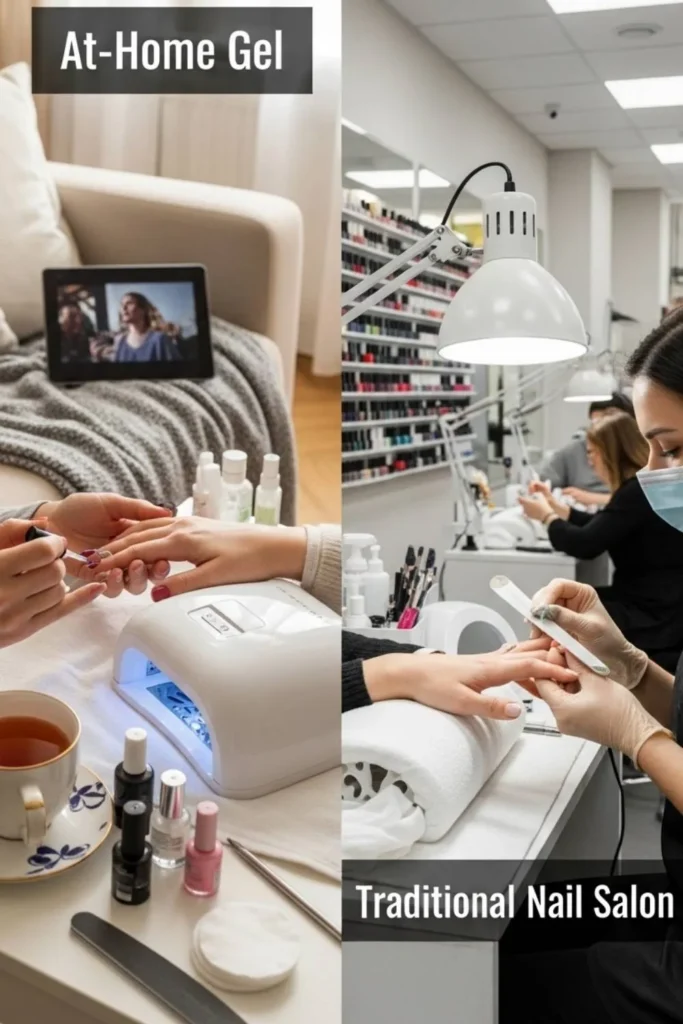
At-home gel nails have shifted from experimental DIY projects to legitimate salon alternatives because the cost-per-wear math finally makes sense. A quality gel kit runs $40–$80 upfront but covers 20–30 applications, dropping your per-manicure cost to roughly $2–$4 compared to $50–$80 salon visits. This isn’t about cutting corners, it’s about accessing professional-grade results without the recurring expense.
The real advantage shows up in flexibility and control. You can apply gel polish at 10 PM on a Wednesday, fix a single chipped nail without rebooking an appointment, and experiment with techniques until you master them.
Modern LED lamps cure in 30–60 seconds, base coats have become foolproof, and gel formulas now self-level to minimize streaking. The learning curve exists, but it’s shorter than most people expect, especially for solid colors and simple designs.
When Salon Nails Still Outperform DIY Approaches
Salon nails deliver irreplaceable value when precision, longevity, and complex artistry matter more than cost. Structured gel extensions, intricate hand-painted designs, and perfectly shaped acrylics require professional-grade equipment and years of technique refinement that at-home kits can’t replicate.
A skilled nail technician can build an apex structure, ensure even product distribution, and create dimensional art that remains intact for 3–4 weeks without lifting or chipping.
The difference becomes obvious with nail health and corrective work. Salons assess your natural nail condition, adjust application techniques for thin or damaged nails, and use medical-grade tools for cuticle care and shaping.
If you’ve experienced chronic lifting, peeling, or nail damage from previous DIY attempts, a professional can identify underlying issues whether it’s improper prep, product incompatibility, or technique gaps and reset your nail health before you try at-home applications again.
See More About : 45 Stylish Nails to Try This Year
What Makes Gel Polish Last 2–3 Weeks Without Chipping
Gel polish achieves extended wear through a polymerization process that creates a hardened, chip-resistant surface bonded to your natural nail. Unlike traditional polish that dries through evaporation, gel formulas contain photoinitiators that react to UV or LED light, triggering a chemical reaction that transforms liquid polish into a solid, durable coating.
This cured layer resists everyday wear, moisture exposure, and minor impacts that would chip regular polish within days.
Longevity depends entirely on proper application technique, not just product quality. The nail surface must be thoroughly dehydrated and lightly buffed to create microscopic texture for adhesion. Skipping this prep or applying gel over oily cuticles causes premature lifting within 3–5 days.
Each layer (base coat, color, top coat) requires full curing under the lamp, and avoiding the cuticle line by 1–2mm prevents polish from lifting as your nails grow. When done correctly, gel manicures maintain their glossy finish for 14–21 days before natural nail growth, not wear, becomes the limiting factor.
How to Choose Between Gel and Regular Polish for Different Occasions
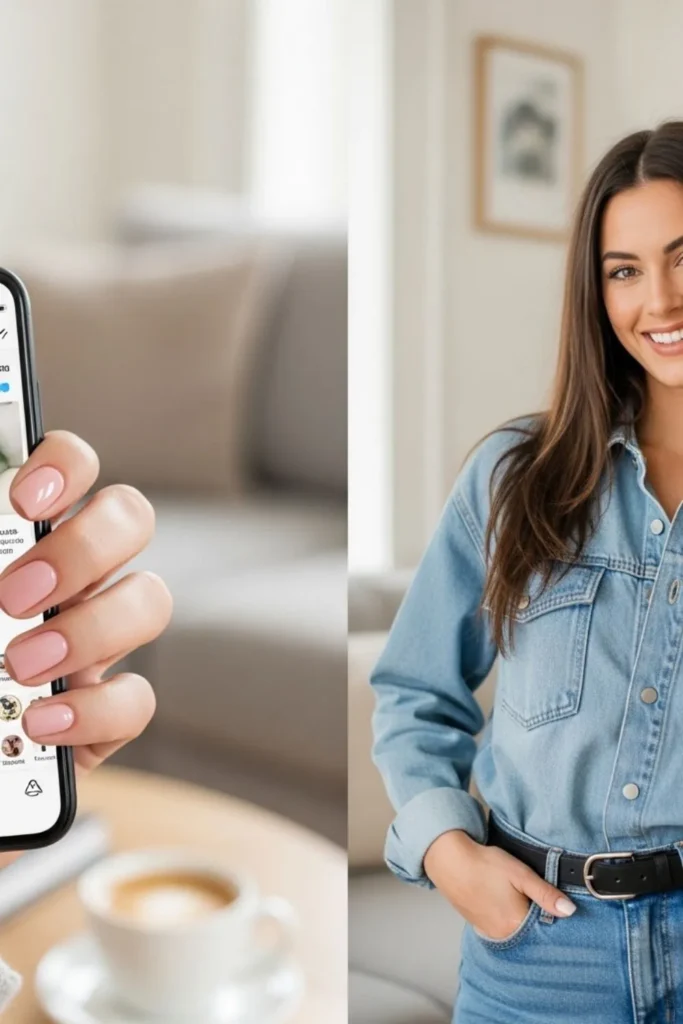
Gel polish works best when durability matters more than frequent color changes think vacations, weddings, busy work periods, or any situation where you need 2–3 weeks of chip-free wear.
The time investment upfront (45–60 minutes including prep and curing) pays off when you won’t touch your nails again for weeks. Gel also excels for active lifestyles involving water exposure, manual work, or gym sessions, since the cured finish withstands conditions that destroy regular polish within hours.
Regular polish makes sense when you crave color variety, have less than 30 minutes for application, or want easy at-home removal with acetone-free remover. Unlike gel removal, which requires acetone soaking and can weaken nails with frequent use, regular polish wipes off in seconds without affecting nail health.
It’s ideal for testing new shades, following seasonal trends, or matching specific outfits for short-term events. The trade-off is simple: gel offers longevity and resilience, while regular polish provides flexibility and lower nail stress.
See More About : Birthday Baddie Nails: 30+ Bold Designs to Slay Your Special Day in 2025
47 At-Home Gel & Simple Salon Nail Ideas You Can Actually Recreate
Classic Nude with Glossy Finish
A barely-there nude in warm beige or soft pink creates the most versatile, professional-appropriate look for any setting. This shade works equally well with at-home gel kits or quick salon applications, requiring just two thin coats and a glossy top coat.
The key is matching your undertone cool-toned nudes pull pink or mauve, while warm-toned options lean peachy or caramel.
Sheer Milky White
Milky white gel delivers an effortlessly chic, modern aesthetic that complements every skin tone and outfit choice. Unlike opaque white, which can appear harsh or bridal, sheer milky formulas create a soft, diffused effect that looks expensive and intentional.
Apply 2–3 thin coats for buildable coverage that remains translucent enough to show your natural nail bed.
Black Cherry Deep Tone
Deep burgundy with subtle purple undertones provides rich color saturation without the starkness of pure black. This shade transitions seamlessly from fall into winter and pairs beautifully with both casual and formal styling.
At-home application works best with highly pigmented gel formulas that achieve full opacity in two coats, avoiding the streaky finish common with sheer deep tones.
Soft Lavender Pastel
Lavender gel offers a fresh alternative to traditional pinks while maintaining a feminine, wearable quality. The shade reads sophisticated rather than juvenile when applied in full opacity with a glossy finish.
Pastel gels often require three thin coats for even coverage, so plan extra curing time and ensure each layer fully hardens before adding the next.
See More About : Scorpio Nails Designs: Bold, Mysterious Manicures That Match Your Zodiac Energy
Sage Green Minimalist
Muted sage green has emerged as the sophisticated neutral that works year-round without feeling seasonal. The earthy tone complements natural textures, metallic jewelry, and both warm and cool color palettes.
This shade works particularly well for at-home gel application since the muted pigment forgives minor application imperfections better than high-contrast colors.
Classic Red with Blue Undertones
True red with cool blue undertones delivers timeless elegance that never reads dated or costume-like. Unlike orange-based reds that can clash with certain skin tones, blue-based reds create universal flattery and photograph beautifully.
Gel formulas in this shade typically achieve full coverage in two coats and maintain brilliant color saturation throughout the entire wear period.
Chocolate Brown Warmth
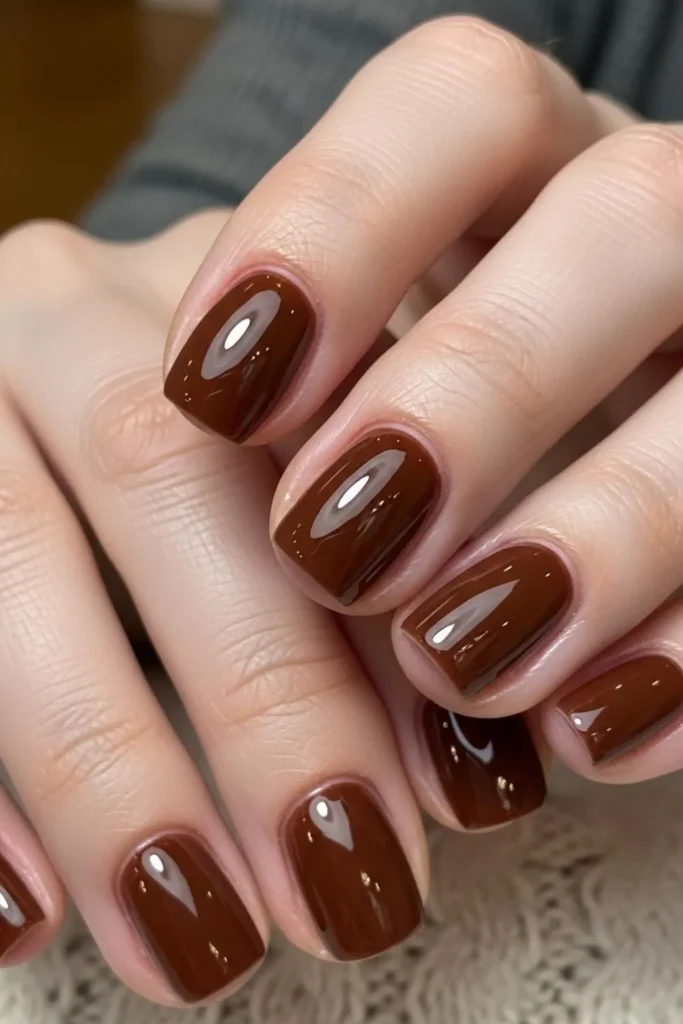
Rich chocolate brown offers unexpected versatility as a neutral that pairs with everything from denim to tailored workwear. The depth creates visual interest without the drama of black, and the warm undertones complement gold jewelry and autumn color palettes.
At-home gel application works well since brown shades tend to self-level smoothly and hide minor cuticle flooding better than lighter colors.
Barely-There Pink Sheer
Sheer pink in the “your nails but better” category creates a polished, natural look suitable for conservative workplaces or minimal aesthetics. This style requires excellent nail prep and shaping since the transparency highlights your natural nail condition.
Apply 2–3 thin coats of sheer pink gel, ensuring each layer cures completely to avoid a cloudy finish.
Glossy Clear Coat Only
A single layer of clear gel top coat over buffed natural nails delivers shine and protection without color commitment. This approach works especially well if you maintain short, well-shaped nails and want to enhance their natural appearance.
The clear coat prevents peeling, adds subtle shine, and extends the time between manicures by sealing the nail edge.
Charcoal Gray Modern
Charcoal gray sits between black and traditional gray, offering depth without the starkness of pure black. The sophisticated neutral works across seasons and complements both silver and gold accessories.
Gel formulas in this shade typically provide excellent opacity and resist the chalky finish that sometimes affects lighter gray tones.
See More About : Halloween Nails Short: 50+ Spooky Designs for Petite Tips in 2025
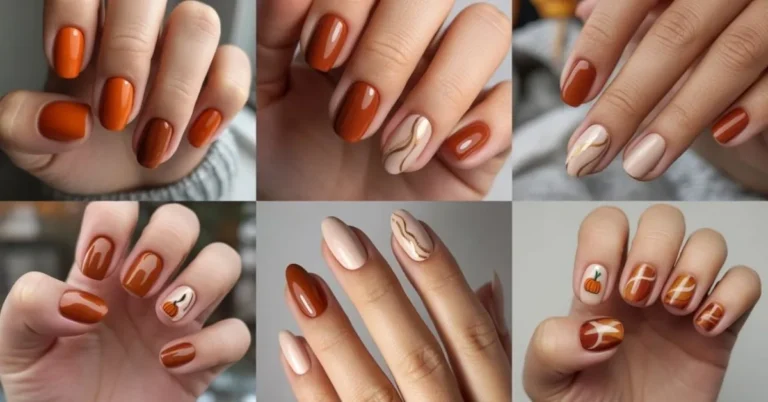
Terracotta Earth Tone
Warm terracotta with orange-brown undertones brings an earthy, grounded quality to nail looks throughout spring and summer. The shade pairs beautifully with natural textures, linen fabrics, and minimalist jewelry.
At-home gel application succeeds with terracotta since the warm pigment tends to apply evenly and the mid-tone color minimizes the appearance of minor application flaws.
Soft Peach Cream
Creamy peach with subtle pink undertones creates a fresh, approachable look that flatters warm and neutral skin tones. The shade reads more sophisticated than bright coral while maintaining the energetic quality that makes peach tones popular for spring and summer.
Apply two coats of opaque peach gel for full coverage that maintains a soft, diffused appearance.
Navy Blue Classic
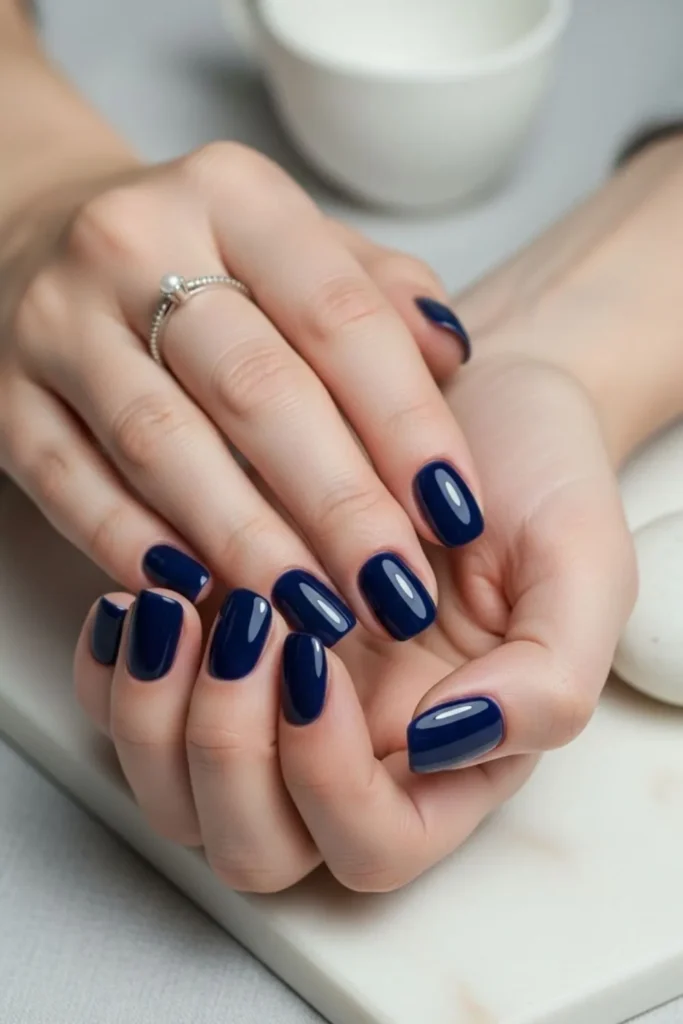
Deep navy blue functions as a sophisticated alternative to black, offering the same versatility with slightly more visual interest. The shade works year-round and pairs equally well with casual and formal styling.
Gel formulas in navy typically achieve full opacity in two coats and maintain their depth without fading to a lighter blue shade during the wear period.
Dusty Rose Muted
Dusty rose combines the femininity of pink with the sophistication of muted, grayed-out pigment. The result reads mature and intentional rather than overly sweet.
This shade works particularly well for at-home gel application since the muted tone forgives minor streaking or uneven application that would be obvious in brighter pinks.
Espresso Brown Rich
Deep espresso brown delivers the richness of dark chocolate with additional depth that approaches black in certain lighting. The shade creates a luxurious, fall-appropriate look that complements warm metallics and earth-toned wardrobes.
Gel application in this color works well at home since the dark pigment provides excellent coverage and hides any cuticle line imperfections.
See More About : Dark Red Nail Inspo Design: 2025 Ultimate Trending Ideas That Steal the Show
Blush Pink Soft
Soft blush pink sits between nude and pastel, creating a barely-there color with just enough pigment to appear intentional. The shade works universally across skin tones and maintains professional appropriateness while adding subtle femininity.
Apply 2–3 thin coats of blush gel, ensuring complete curing between layers to prevent a streaky or patchy finish.
Slate Blue Cool
Cool slate blue combines the sophistication of gray with subtle blue undertones that add dimension without reading overtly colorful. The shade works beautifully in professional settings while maintaining enough character for personal expression.
At-home gel application succeeds with slate blue since the mid-tone color minimizes the appearance of application flaws and the cool pigment tends to apply evenly.
Caramel Nude Warm
Warm caramel nude with golden undertones creates a sun-kissed, sophisticated look that flatters medium to deep skin tones particularly well. The shade reads as an elevated neutral that pairs with everything while maintaining more visual interest than standard beige nudes. Gel formulas in caramel typically require two coats for full opacity and maintain their warmth without shifting cooler during wear.
French Tip with Sheer Pink Base
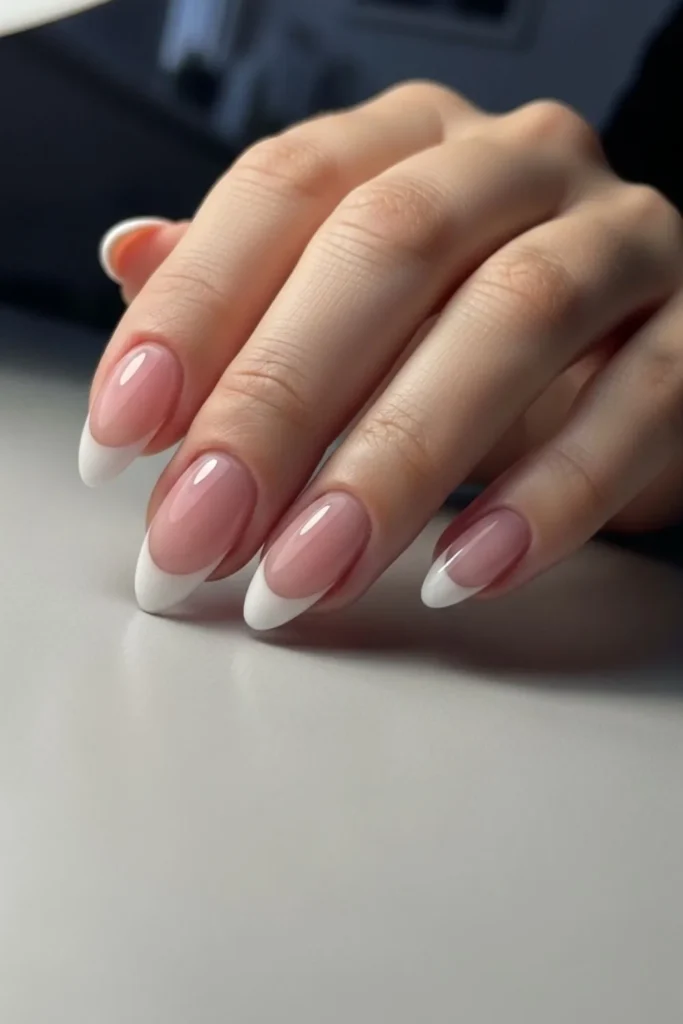
The classic French manicure translates beautifully to at-home gel with a sheer pink base and crisp white tips. Modern interpretations skip the thick white smile line in favor of thin, natural-looking tips that extend just 2–3mm from the free edge.
Use striping tape or guides to ensure even white application, then seal everything with a glossy top coat for a polished finish.
Matte Top Coat Over Any Color
Transform any glossy gel color into a sophisticated matte finish by applying a matte top coat as your final layer. The texture shift creates visual interest and updates classic shades with contemporary appeal.
Matte finishes hide minor surface imperfections better than glossy top coats, making this technique particularly forgiving for at-home applications.
Single Accent Nail in Gold
A single accent nail in metallic gold breaks up solid color manicures without overwhelming the overall look. Apply your chosen base color to all nails, then replace the ring finger polish with gold gel.
The subtle variation adds dimension while maintaining cohesion, and the single accent approach works well for at-home application since you only need precision on one nail.
See More About : Cute Simple Fall Nails: 50+ Easy Designs for Autumn 2025
Thin White French Tips
Ultra-thin white French tips (1–2mm maximum) create a modern, minimalist update to the classic style. The barely-there white line maintains the clean, polished aesthetic of French manicures while appearing more natural and less costume-like.
Use a fine detail brush or striping tool to create precise, even lines, then cure thoroughly before sealing with top coat.
Almond Shape with Nude Gel
Almond-shaped nails with nude gel create an elegant, feminine look that elongates fingers and complements most hand shapes. The tapered shape requires careful filing to maintain symmetry, but the effort pays off in versatility and sophistication.
Choose a nude shade that closely matches your skin tone for maximum nail-lengthening effect.
Square Tips with Red Gel
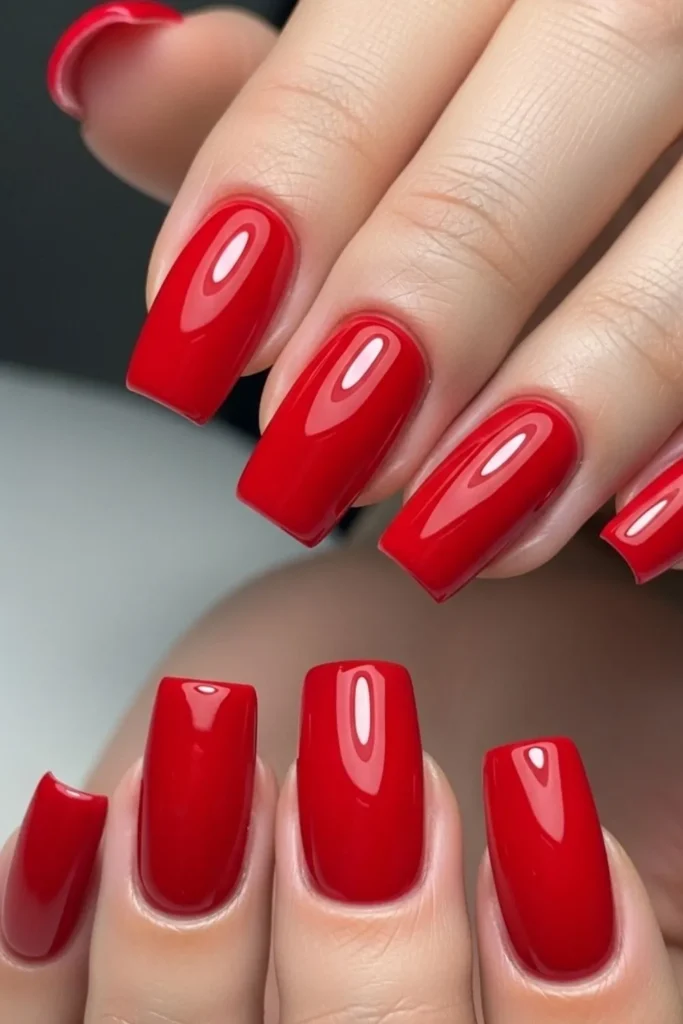
Square-shaped nails with classic red gel deliver bold, confident styling that works particularly well on shorter nail lengths. The straight-across tip creates a modern edge, and the red contrast makes the shape more visually striking.
File nails to your desired length, create a straight free edge, then round the corners slightly to prevent snagging.
Short Round with Clear Pink
Short, rounded nails with clear pink gel offer the most low-maintenance, universally flattering nail look for active lifestyles. The short length prevents breakage, the round shape follows your natural nail contour, and the sheer pink adds just enough polish without appearing high-maintenance.
This combination works beautifully for at-home gel application since the simple shape and forgiving color minimize technique requirements.
Ombré Nude to White
Subtle ombré from nude at the cuticle to white at the tip creates dimension and visual interest while maintaining a neutral, wearable palette. This technique requires blending two gel colors before curing, using a dense eyeshadow brush or makeup sponge to create a gradual transition.
The effect works best on medium to long nails where the gradient has space to develop.
See More About : Halloween Nails: 2025 Trends, Designs & DIY Ideas That Steal the Show
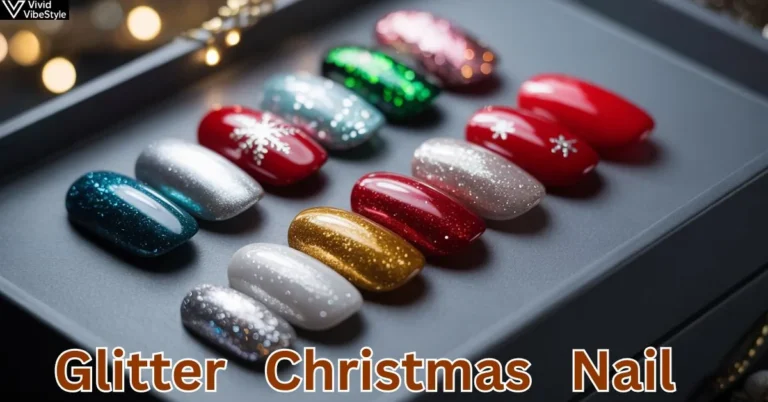
Single Glitter Accent Nail
One glitter-covered accent nail adds sparkle without overwhelming your overall nail look or requiring full-hand glitter application. Choose a complementary glitter gel that picks up tones from your base color, apply it to your ring finger, and seal with glossy top coat.
This approach works well for at-home application since you only need to manage glitter cleanup and precision on a single nail.
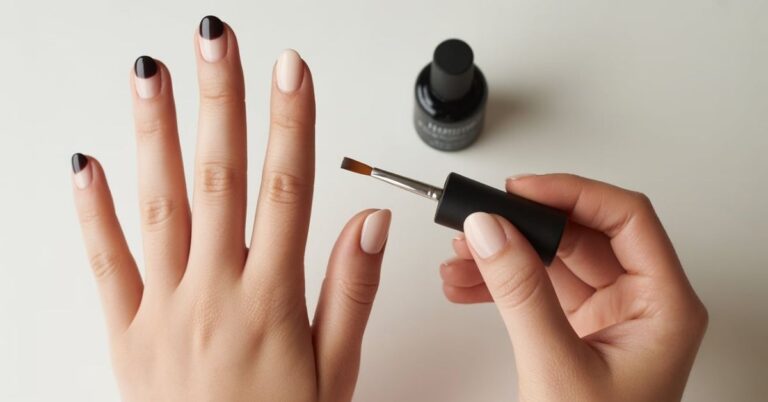
Thin Black French Tips
Black French tips create an edgy, modern alternative to traditional white tips while maintaining the clean lines that define French manicures. Keep the black line thin (1–2mm) to avoid a harsh or costume-like appearance.
The high contrast works particularly well on pale to medium skin tones and pairs beautifully with minimalist jewelry and contemporary styling.
Baby Blue Pastel
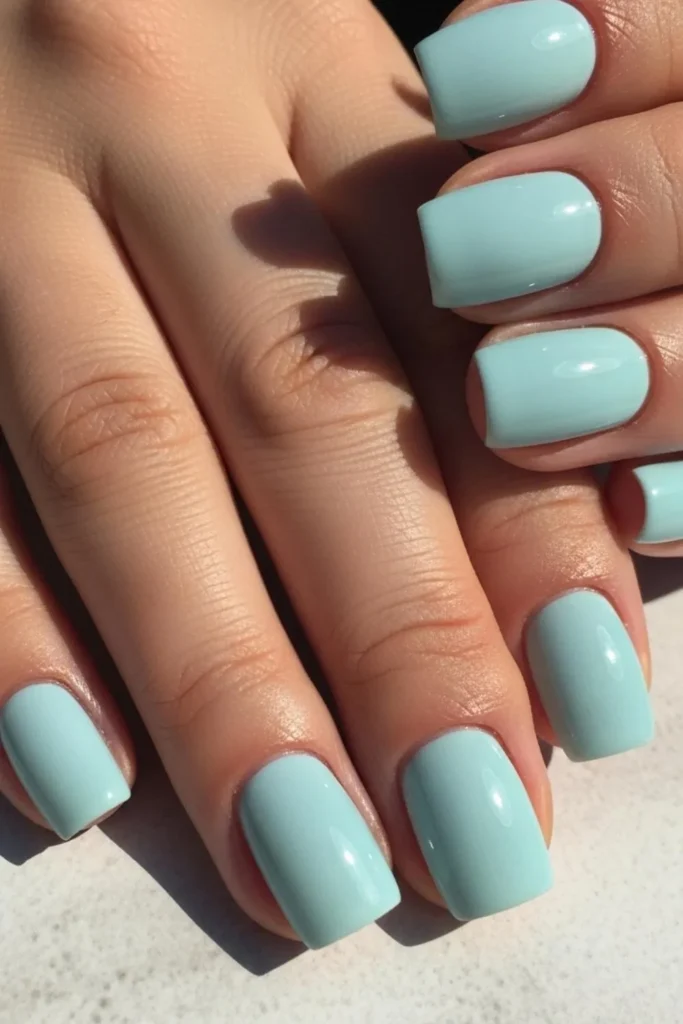
Soft baby blue gel offers a fresh, spring-appropriate color that reads youthful and optimistic without appearing juvenile. The shade works best in full opacity rather than sheer application, requiring 2–3 coats for even coverage.
Baby blue complements both silver and gold jewelry and pairs well with denim, white, and other pastels.
Burnt Orange Fall Tone
Burnt orange with brown undertones captures the essence of fall without relying on predictable burgundy or brown shades. The warm, earthy color complements the season’s aesthetic while maintaining enough vibrancy to avoid appearing dull.
Gel formulas in burnt orange typically achieve full coverage in two coats and photograph beautifully in natural light.
Half-Moon Design with Nude and White
The half-moon manicure reverses the French tip by creating a curved accent at the nail base rather than the tip. Apply nude gel to the entire nail, then use a striping brush or nail guides to create a clean white half-moon shape at the cuticle.
This vintage-inspired design requires precision but delivers striking visual impact.
See More About : Elegant Nails: 2025’s Ultimate Guide to Sophisticated Manicure Perfection
Vertical Stripe Accent
A single vertical stripe in a contrasting color creates subtle dimension without requiring advanced nail art skills. Apply your base color to all nails, then use a striping brush to paint a thin line down the center of one or two accent nails.
Choose contrasting colors (navy with gold, nude with black) for maximum impact while maintaining sophistication.
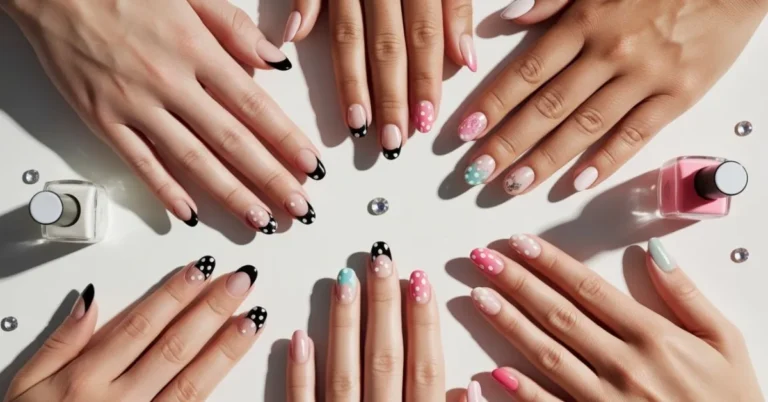
Minimalist Dot Pattern
Small, evenly spaced dots in a contrasting color create playful visual interest without overwhelming your base shade. Apply your main color, cure completely, then use a dotting tool to place 3–5 small dots along the center of each nail.
Seal with top coat to ensure the dots lie flush with the base color rather than creating texture.
Negative Space Design
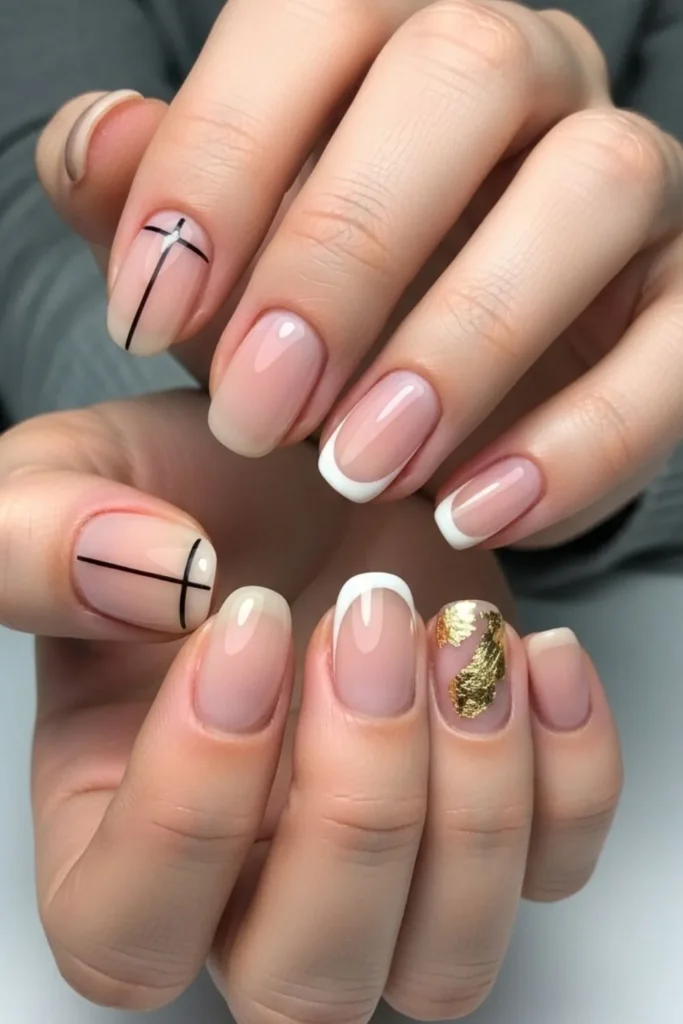
Negative space designs intentionally leave portions of your natural nail visible, creating modern, artistic looks with minimal color. Apply gel strips, geometric shapes, or curved lines while leaving strategic areas bare.
The technique works beautifully with at-home gel since the natural nail provides built-in contrast and you avoid full-nail polish application.
Tortoiseshell Accent Nail
Tortoiseshell nail art mimics the mottled brown, amber, and cream pattern of vintage tortoiseshell accessories. Create the effect on one or two accent nails by applying random splotches of brown, caramel, and cream gel, then blending slightly before curing.
The organic pattern forgives imperfect application, making it surprisingly approachable for at-home attempts.
Chrome Powder Over Gel
Chrome powder creates a mirror-like, metallic finish when buffed into an uncured gel top coat. Apply your base color and cure, then apply top coat without curing. Rub chrome powder into the tacky surface using a silicone tool, then seal with another layer of top coat.
This technique delivers salon-quality shimmer at home with specialized products.
See More About : Nail Art Accent: 2025’s Essential Guide to Statement Manicure Techniques
Marble Effect with White and Gray
Marble nail art creates sophisticated, stone-like patterns using white and gray gel. Apply white as your base, then add random streaks of gray gel and use a fine brush to create veining before curing.
The irregular, organic pattern means no two nails look identical, and imperfect lines actually enhance the natural marble aesthetic.
Solid Color with Glossy and Matte Contrast
Combine glossy and matte finishes on the same manicure by applying matte top coat to some nails while leaving others glossy. The texture contrast creates visual interest without requiring multiple colors or complex designs.
This technique works particularly well with dark or jewel-tone base colors where the finish difference appears most dramatic.
Micro French with Colored Tips
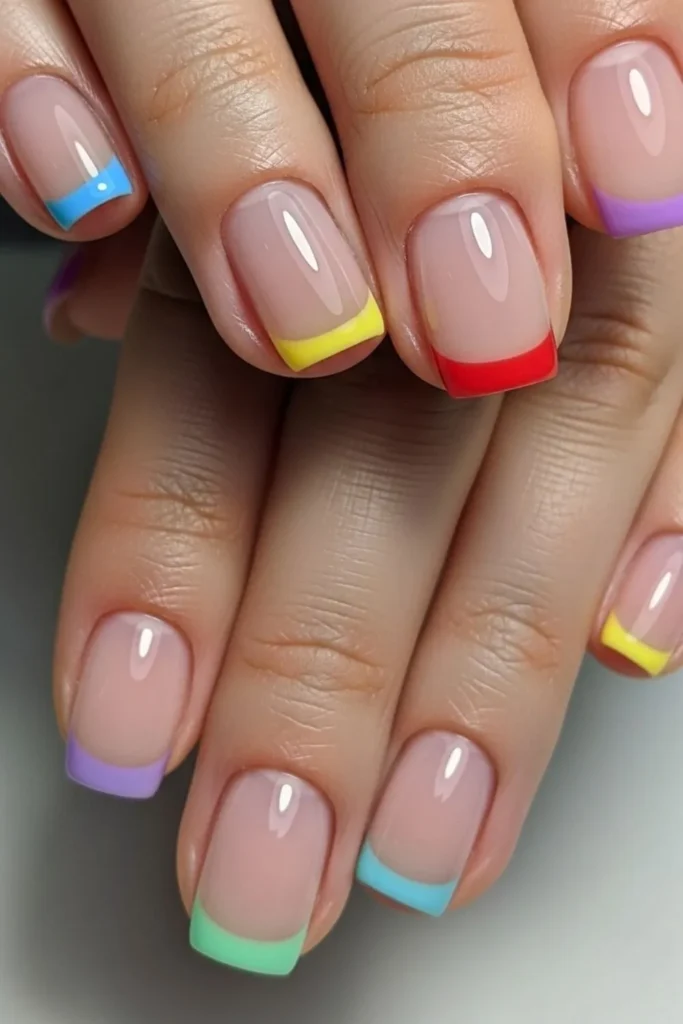
Replace traditional white French tips with a bold or pastel color applied in the same thin, precise line. The colored micro French maintains the clean, polished aesthetic while injecting personality and seasonal relevance.
Choose tip colors that complement rather than match your base shade for maximum sophistication.
Gradient Glitter from Cuticle to Tip
Glitter gradient manicures concentrate sparkle at the tip while keeping the cuticle area relatively clear. Apply your base color, then sponge glitter gel from the free edge toward the cuticle, creating heavier coverage at the tip.
The gradual transition appears more sophisticated than full-nail glitter and grows out more gracefully.
Single Rhinestone Accent
One perfectly placed rhinestone per nail (or per hand) adds subtle glamour without requiring advanced application skills. Apply your base color, cure completely, then place a small rhinestone near the cuticle using a dotting tool.
Apply a small amount of top coat to seal the stone, avoiding flooding which can dull its sparkle.
See More About : Sage Nails: 2025’s Most Requested Manicure Color and How to Wear It
Color Block Design
Color blocking divides each nail into 2–3 sections using complementary shades and clean lines. Apply one color to the entire nail, cure, then use striping tape to mask areas before applying the second color.
Remove the tape before curing to ensure crisp lines, then seal everything with top coat. This geometric approach works beautifully with at-home gel application.
Metallic Gold or Silver Solid
Full-coverage metallic gold or silver gel creates maximum impact for special occasions without requiring design skills. The reflective finish catches light beautifully and photographs well, making it ideal for events or holiday styling.
Apply two coats of metallic gel for full opacity, ensuring even coverage since metallic formulas can highlight application flaws.
Soft Yellow Pastel
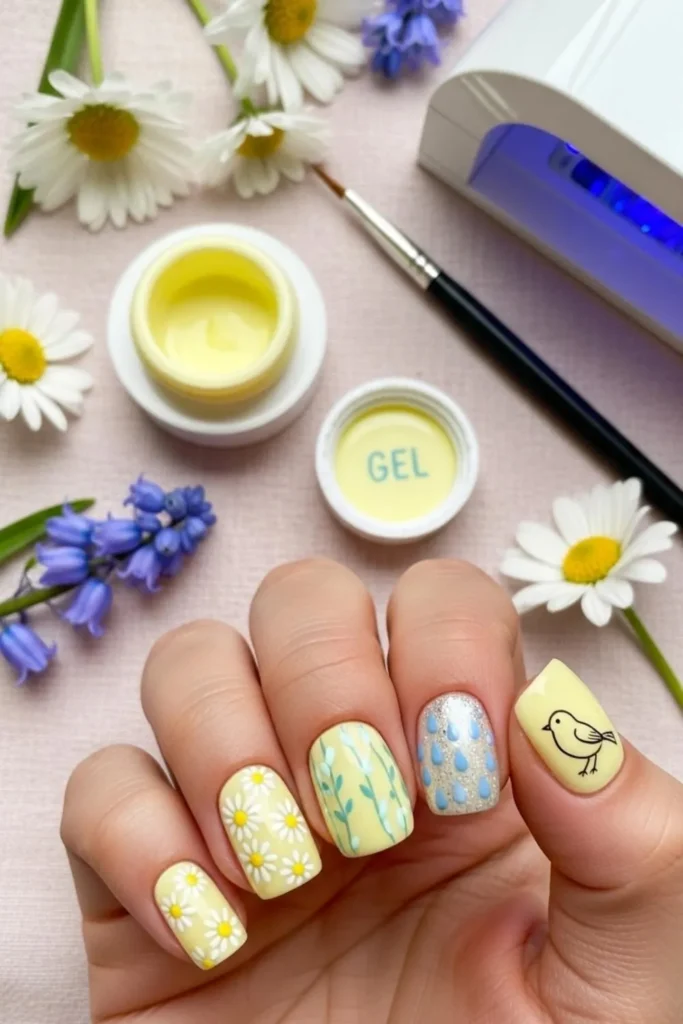
Pale yellow gel offers an unexpected neutral that works particularly well in spring and summer. The shade reads cheerful without appearing juvenile when applied in full opacity with a glossy finish.
Yellow gels often require three coats for even coverage since the light pigment can appear streaky with insufficient layering.
Deep Plum Berry
Rich plum with berry undertones creates a luxurious, fall-to-winter shade that flatters most skin tones. The depth provides sophistication while the purple undertones add dimension that straight burgundy lacks.
Gel formulas in deep plum typically achieve full coverage in two coats and maintain their richness without fading during the wear period.
Two-Tone Color Split
Divide each nail vertically or horizontally into two distinct colors for a bold, graphic look. Apply the first color to half the nail, cure, then use striping tape to create a clean division before applying the second shade.
The high-contrast design works best with complementary rather than clashing colors for sophisticated rather than chaotic results.
See More About : The Complete Guide to Nude Manicures: Perfect Natural Nail Colors for 2025
Sheer Coral Glow
Sheer coral gel with subtle shimmer creates a fresh, warm-weather look that appears lit from within. The translucent finish requires 2–3 thin coats for buildable coverage that maintains sheerness.
The subtle shimmer adds dimension without appearing glittery, creating a polished glow suitable for professional and casual settings.
Ivory Cream Neutral
Soft ivory with cream undertones offers a sophisticated alternative to stark white or beige nudes. The shade reads elegant and refined, complementing both warm and cool skin tones while maintaining year-round versatility.
Gel formulas in ivory cream typically require two coats for full opacity and maintain their creamy finish without yellowing during wear.
Cost Breakdown: At-Home Gel Kits vs Monthly Salon Visits
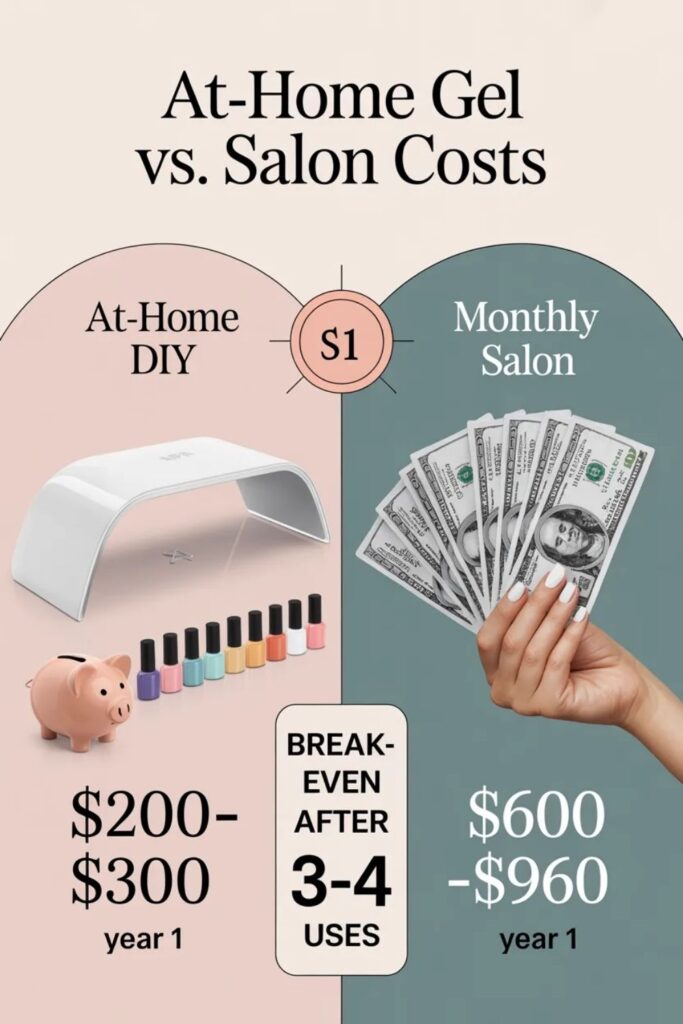
At-home gel manicures deliver significant savings after the initial equipment investment, with total first-year costs running $200–$300 compared to $600–$960 for monthly salon visits.
A quality starter kit ($60–$100) includes an LED lamp, base coat, top coat, gel remover, and basic tools. Adding 8–10 gel polish colors ($8–$12 each) brings your initial outlay to roughly $140–$220, but these products provide 20–30 applications each.
The math shifts dramatically by month three. Your per-manicure cost drops to $5–$8 when you factor in polish usage and occasional tool replacement, while salon costs remain fixed at $50–$80 per visit.
The break-even point typically arrives after 3–4 manicures, meaning every application beyond that represents pure savings. However, this calculation assumes you’re comfortable with DIY application and achieve results you’re satisfied with if you end up redoing failed attempts or returning to salons for corrections, the cost advantage diminishes.
How Long Salon Gel Manicures Actually Last Compared to DIY
Professional salon gel manicures typically last 2.5–3.5 weeks before lifting, chipping, or nail growth forces removal, while at-home gel applications average 1.5–3 weeks depending on application skill.
The difference comes down to prep thoroughness, product quality, and curing precision. Salon technicians use professional-grade dehydrators and primers that create superior adhesion, and their curing lamps deliver consistent power output that fully hardens each gel layer.
At-home longevity improves dramatically with experience and proper technique. Your first few attempts might chip within 5–7 days as you learn proper cuticle avoidance, cap the free edge correctly, and ensure complete curing.
By your fifth or sixth application, most people achieve 14–18 days of wear that rivals salon results for solid colors. Complex designs, however, continue to perform better with professional application since the additional layers and detail work require expertise to seal properly and prevent premature failure.
See More About : The Complete Guide to Nude Manicures: Perfect Natural Nail Colors for 2025
Common Mistakes That Ruin At-Home Gel Manicures Within Days
Skipping proper nail dehydration causes 70% of premature gel lifting since polish cannot bond to oily or moist nail surfaces. Natural oils, hand lotion residue, and even humidity create an invisible barrier between your nail and the gel base coat.
Always cleanse nails with rubbing alcohol or a dedicated nail dehydrator, then avoid touching your nails with bare fingers before applying the first gel layer. Even clean-looking nails carry enough natural oil to compromise adhesion.
Flooding the cuticle area ranks as the second most common failure point, creating immediate lifting within 2–3 days. Gel polish should stop 1–2mm short of your cuticle line, never touching the skin or cuticle itself. When gel contacts skin, it cannot cure properly and creates a weak point where moisture penetrates and breaks the seal.
The same principle applies to sidewall flooding keeping polish away from skin edges ensures the gel adheres only to your nail plate, where it can create a durable bond.
When to Skip At-Home Application and Book a Salon
Book a salon appointment when you need nail extensions, structured gel builds, or complex hand-painted art that requires steady, practiced hands. Building length with gel or acrylic demands precise product placement and apex creation that takes years to master DIY extension attempts typically result in weak points, improper balance, or unnatural thickness.
Similarly, intricate designs like fine linework, detailed florals, or realistic images require not just artistic skill but also knowledge of which gel viscosities allow for detailed painting versus flooding.
Salon visits also make sense when you’re experiencing persistent nail problems despite proper at-home technique. Chronic lifting, peeling, or damage indicates underlying issues whether nail plate dehydration, product incompatibility, or technique gaps that a professional can diagnose and correct.
A skilled technician can assess your natural nail health, recommend appropriate products for your nail type, and provide a fresh start before you attempt at-home manicures again. Think of occasional salon visits as maintenance and education rather than admission of DIY failure.
Tools You Actually Need for Professional-Looking At-Home Gel Nails
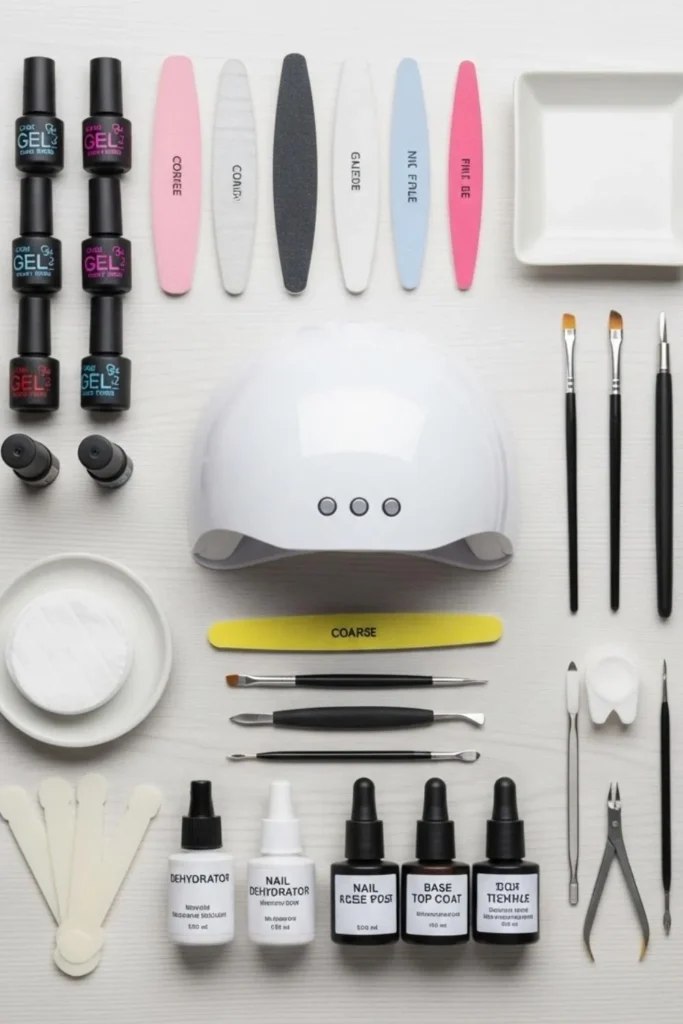
A quality LED lamp (48 watts minimum) represents your most critical investment since inadequate curing causes every common gel problem from tackiness to premature chipping.
Lower-wattage lamps take longer to cure each layer and may never fully harden thicker gel applications, while professional-grade lamps cure in 30–60 seconds with consistent results.
Look for lamps with separate finger and thumb curing areas, automatic timers, and removable magnetic plates for easy cleaning.
Beyond the lamp, you need a proper gel system (base coat, top coat, gel cleanser), a 180/240 grit nail file, a buffer block, cuticle pusher, and rubbing alcohol or gel cleanser for prep and cleanup.
Quality base and top coats matter more than color selection cheap formulas cause lifting and peeling that ruins even the most careful application. Skip decorative tools initially and focus on mastering solid color application with proper prep, thin layers, and complete curing before attempting nail art or complex techniques.
See More About : Ultimate Guide to Nail Designs: 2025 Trends & Expert Techniques
How Nail Health Changes with Repeated Gel Applications
Repeated gel applications can weaken nails when removal damages the nail plate, not from the gel polish itself. Aggressive filing, peeling off gel, or insufficient acetone soaking removes layers of your natural nail along with the polish.
Each damaged removal session thins your nail plate, making it more flexible, prone to breakage, and less able to support future gel applications. The cumulative effect becomes obvious after 4–6 improper removals, when nails feel papery and bend easily.
Protect nail health by following proper removal protocols every time: soak gel-covered nails in acetone for 10–15 minutes until the gel lifts easily, then gently push it off without forcing.
Give your nails a break every 2–3 months by going polish-free for 1–2 weeks, during which you focus on cuticle oil application and gentle buffing to restore moisture and smooth any surface damage.
Well-maintained nails can handle continuous gel applications for years without deterioration, but only when removal stays gentle and hydration remains consistent.
FAQ’s
Are at-home gel nails really cheaper than going to a salon?
Yes, at-home gel nails usually cost about $2–$5 per manicure after the starter kit, compared to $50–$80 per visit at a nail salon in the U.S. This makes DIY gel nails one of the most budget-friendly ways to get long-lasting, professional-looking results in 2026.
How long do at-home gel nails last compared to salon gel nails?
At-home gel nails typically last 10–18 days with proper prep and curing, while salon gel manicures often last 2–3 weeks. The difference comes from professional nail prep, stronger lamps, and advanced application techniques.
What nail designs are easiest to do at home with gel polish?
Solid colors, sheer pinks, nude shades, micro French tips, accent nails, and simple ombré designs are the easiest gel nail ideas to recreate at home. These styles hide small mistakes and still look clean and salon-quality.
When should you choose a salon instead of DIY gel nails?
You should go to a salon for gel extensions, complex nail art, 3D designs, or if your nails are damaged and lifting often. Professional nail techs can build structure, fix nail health issues, and create detailed designs that are difficult to replicate at home.
What tools are essential for professional-looking at-home gel nails?
A 48W LED lamp, quality base and top coat, nail file, buffer, cuticle pusher, and rubbing alcohol or nail dehydrator are essential. These tools help gel polish cure fully, prevent lifting, and give your DIY manicure a true salon-style finish.
Key Takeaways
- At-home gel nails cost $2–$4 per application after initial setup, compared to $50–$80 salon visits
- Proper nail dehydration and avoiding cuticle flooding prevent 90% of premature gel failures
- Salon applications last 2.5–3.5 weeks while at-home gel typically lasts 1.5–3 weeks depending on skill level
- A 48-watt LED lamp and quality base/top coat system are essential for professional-looking results
- Gentle removal techniques prevent nail damage that accumulates with repeated gel applications
Conclusion
At-home gel and simple salon nails both deliver polished, long-lasting results when matched to your skill level, lifestyle needs, and budget constraints. The techniques and ideas covered here provide a starting point for creating manicures that look intentional and well-executed, whether you’re working from your bathroom counter or sitting in a salon chair.
Success comes from understanding which approaches suit DIY application versus professional expertise, then choosing accordingly based on the specific look you want to achieve.
Your nail care routine benefits from flexibility rather than rigid commitment to one method over the other. Use at-home gel for standard colors and simple designs during busy periods, then book salon appointments for special occasions, complex art, or when you need expert assessment of nail health.
This balanced approach maximizes both cost efficiency and result quality, ensuring your nails consistently look polished without overspending on services you could handle yourself or attempting techniques beyond your current skill level.