
59 Acrylic Nails Styles That Instantly Upgrade Your Look
Acrylic nail ideas dominate feeds for a reason, but most inspiration looks stunning only on screen. The real struggle starts when trends collide with real life, real hands, and real maintenance. Longevity, wearability, and style rarely align by accident.
The common mistake is chasing dramatic designs without considering shape, texture, or upkeep. Overly generic French tips feel dated, while overly complex sets chip, lift, or feel impractical within days. Trends without strategy lead to regret before the first fill.
The solution is choosing designs that balance structure, finish, and intent. From milk-bath neutrals that suit daily wear to cat-eye textures and chrome accents that elevate impact, modern acrylics reward smart selection. When trends meet function, nails stop being disposable and start feeling intentional.
What Makes Acrylic Nails Different from Other Nail Enhancements?
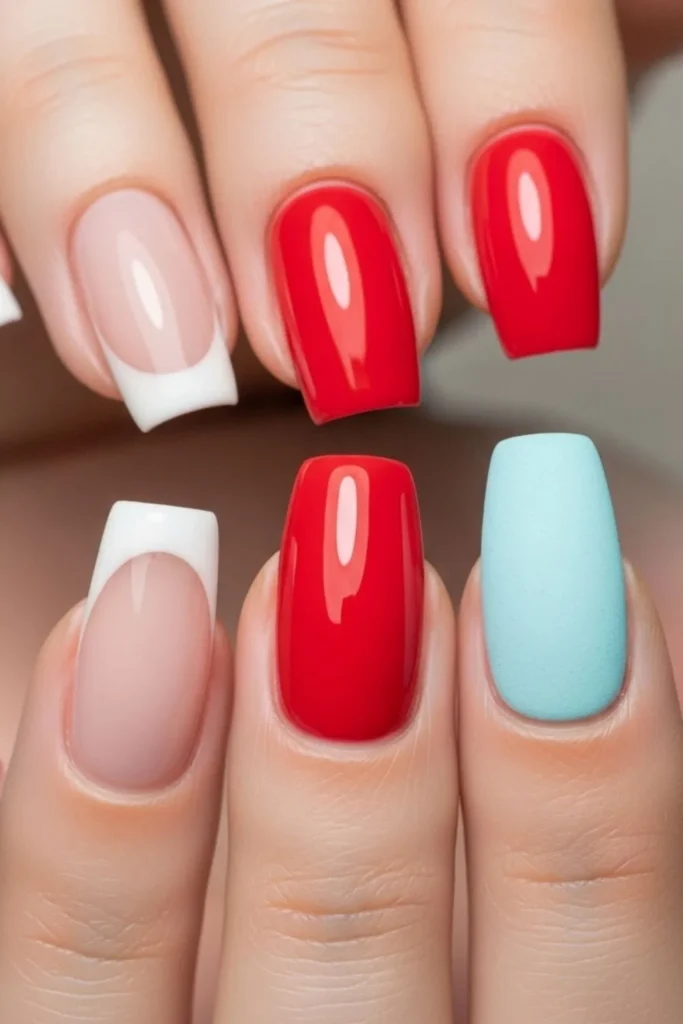
Acrylic nails are created by combining a liquid monomer with a powder polymer to form a durable, moldable paste that hardens when exposed to air. Unlike gel nails that require UV or LED light to cure, acrylics air-dry within 10-15 minutes, creating a rigid structure that’s exceptionally strong and resistant to daily wear.
The key difference lies in their flexibility and strength. Acrylics offer superior durability compared to gel extensions, making them ideal for anyone who uses their hands frequently or wants dramatic length and sculptural shapes. While gel nails feel lighter and more flexible, acrylics provide a protective shell that can withstand impact without snapping though they’re slightly more rigid and may crack under extreme force rather than bend.
How Long Do Acrylic Nails Actually Last?
Acrylic nails typically last two to three weeks before requiring a fill-in appointment. The acrylic itself remains durable for six to eight weeks, but your natural nail growth creates a visible gap at the cuticle that needs maintenance every 2-3 weeks to prevent lifting, cracking, or moisture buildup.
Several factors determine longevity. Fast nail growth means more frequent fills, while activities involving water exposure, harsh chemicals, or repetitive hand movements can weaken the bond between the acrylic and natural nail. Professional application quality matters significantly poorly prepped nails or uneven application lead to premature lifting and breakage. Daily cuticle oil application, wearing gloves during cleaning, and avoiding using your nails as tools extend their lifespan considerably.
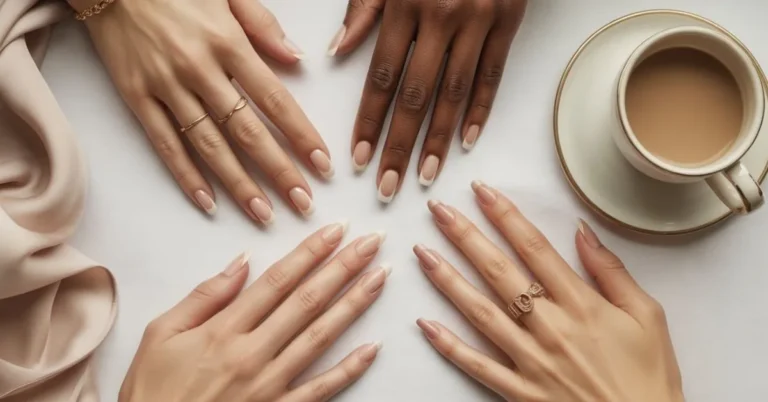
Cloud Dancer Whites and Milk Bath Neutrals
The Pantone Color of the Year influences nail trends directly. Cloud Dancer brings soft, airy whites and milky neutrals to the forefront think oat milk, almond tones, and barely-there cream shades that create a clean canvas for subtle nail art or stand beautifully alone.
These shades work brilliantly on shorter nail lengths and oval shapes, giving a polished, professional appearance that transitions seamlessly from office meetings to evening events. The translucent quality adds depth without heaviness, making fingers appear longer and more elegant. Pair them with micro polka dots along the edges or delicate metallic detailing for dimension that doesn’t overwhelm.
Why Are Cat-Eye Acrylics Dominating 2026?
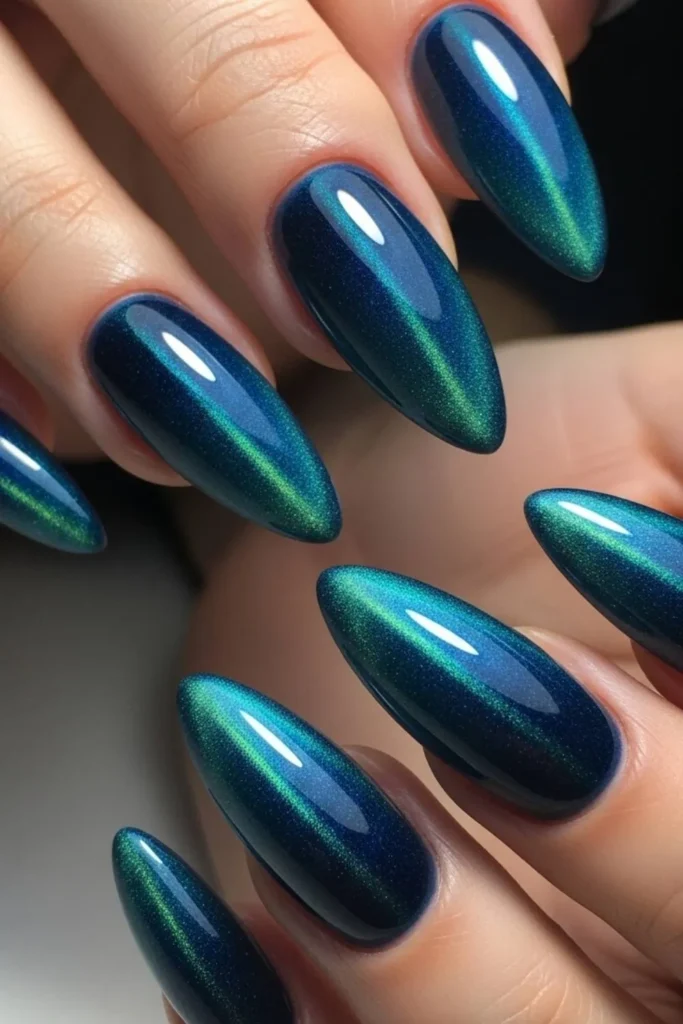
Cat-eye nails use magnetic gel polish over an acrylic base to create a shimmering, three-dimensional effect that shifts with light and movement. The technique involves holding a magnet over wet polish to manipulate metallic particles into concentrated bands that resemble a cat’s eye gemstone.
This trend evolved beyond basic application. Velvet cat-eye finishes layer the magnetic effect with matte topcoats for a sophisticated, touchable texture. Brown cat-eye manicures deliver warmth and luxury, while layering cat-eye patterns over black cherry bases creates smoky, rippled effects. The versatility means cat-eye works on natural almond nails or dramatic stiletto shapes, offering both understated elegance and bold statement potential depending on color choice and application density.
Molten Metallics and Chrome Finishes That Actually Work
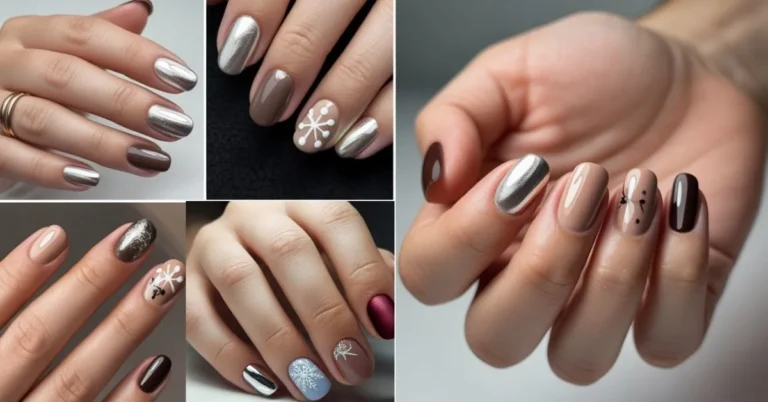
Molten metallic finishes mimic liquid metal poured onto nails gold, silver, and bronze applications that appear reflective and dimensional rather than flat. Chrome overlays take this further with mirror-like surfaces that reflect light intensely, creating futuristic, high-shine effects.
The difference from previous chrome trends lies in application subtlety. Rather than coating entire nail sets in reflective finish, 2026 designs incorporate chrome as accent details French tip edges, single statement nails, or gradient fades that transition from matte to chrome. This restraint prevents the overwhelming effect of full-chrome sets while maintaining visual impact. Chrome works exceptionally well on shorter nails where it doesn’t dominate the entire hand, and it pairs beautifully with negative space designs that balance reflective and natural elements.
Which Nail Shapes Look Best with Acrylic Extensions?
Coffin nails also called ballerina nails feature a tapered shape with a squared-off tip that resembles a ballet slipper. This shape provides maximum canvas for intricate nail art while maintaining structural integrity that prevents breakage at the stress points where nails naturally curve.
Shape selection depends entirely on lifestyle and hand proportion. Oval and almond shapes create feminine, graceful lines that elongate fingers and suit most hand types. Square shapes offer clean edges ideal for graphic designs and French manicures, though they’re more prone to corner chipping. Stiletto nails deliver dramatic length and sharp points that make powerful fashion statements but require careful handling they’re impractical for typing or physical work. Short acrylic overlays strengthen natural nails without added length, perfect for those who want durability without sacrificing functionality.
Aura Nails Evolved: Digital Glow Effects
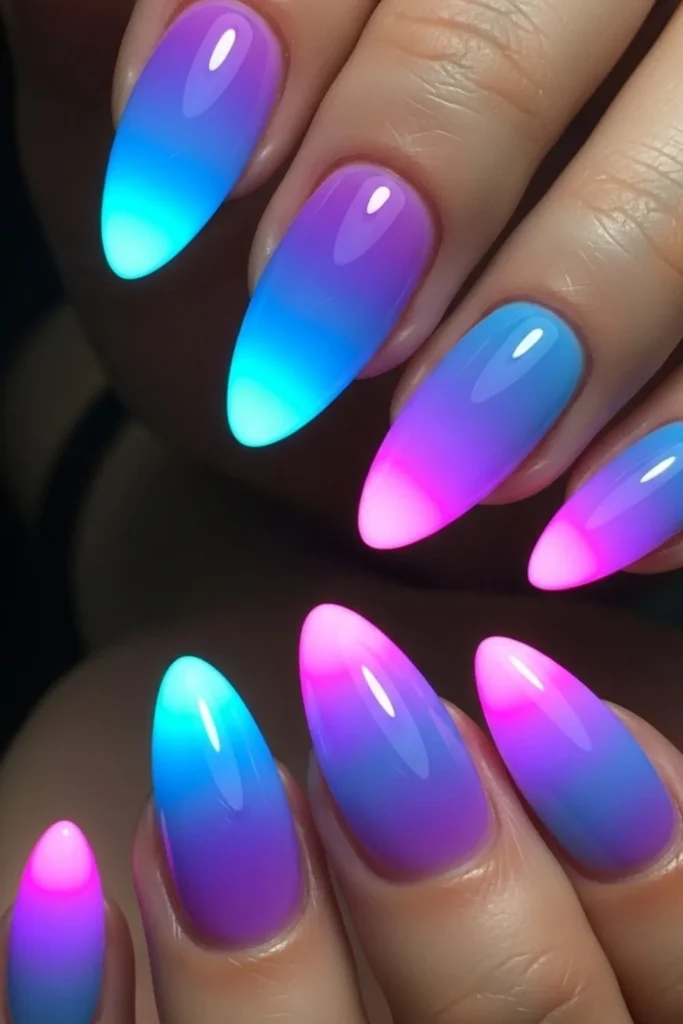
Aura nails create soft-focus gradient effects that appear to glow from the nail center outward, mimicking the diffused light of a digital halo or Northern Lights phenomenon. The 2026 iteration moves beyond single-color blurs to incorporate multiple complementary shades that blend into thermographic-style images.
Achieving this effect requires airbrush techniques or careful sponging with contrasting colors purple fading into orange, neon pinks dissolving into electric blues. The gradient creates three-dimensional depth that makes natural nails appear longer and adds visual interest without defined patterns or hard lines. This works particularly well on shorter nails where dramatic length isn’t an option but visual impact remains essential. The key is color selection contrasting warm and cool tones produce the most striking digital glow effect.
How Do Plaid and Argyle Patterns Work on Nails?
Plaid nails recreate traditional tartan patterns using intersecting lines in complementary colors, creating a sophisticated, slightly nerdy-chic aesthetic borrowed from runway fashion. Unlike holiday-themed plaids, 2026 versions use muted tones chocolate brown with baby blue, olive green with cream, burgundy with gold.
Application requires precision but remains achievable with thin nail art brushes and steady hands. Base color establishes the foundation, then horizontal and vertical lines in varying thicknesses create the plaid grid. Layering cat-eye effects or velvet finishes beneath plaid patterns adds texture and dimension that prevents the design from appearing flat. Argyle follows similar principles but incorporates diamond shapes with crisscross lines, offering a preppy alternative that pairs beautifully with neutral bases and metallic accents.
What’s the Difference Between Hard and Soft Gel Over Acrylics?
Hard gel over acrylics creates a protective, ultra-glossy topcoat that extends wear time and prevents chipping, while soft gel polish provides color and shine that can be soaked off with acetone when you’re ready for a design change.
This combination offers the best of both enhancement types. The acrylic base provides strength, structure, and the ability to create dramatic shapes or lengths. The gel topcoat delivers high-shine finish, protects against everyday wear, and allows for easy color changes without removing the entire acrylic structure. This method reduces maintenance appointments you keep the same acrylic base for 6-8 weeks but refresh the gel color every 2-3 weeks, saving time and reducing natural nail exposure to harsh removal processes.
Micro Nail Art: Polka Dots, Fine Lines, and Metallic Details
Micro nail art focuses on ultra-fine details that add visual interest without overwhelming the design tiny polka dots placed strategically along nail edges, delicate metallic lines creating geometric patterns, miniature floral drawings that appear hand-painted.
This trend reflects a shift toward refined sophistication rather than maximalist expression. Micro polka dots framed along outer nail edges modernize a classic pattern while keeping the center clean for rich burgundy or deep navy bases. Fine metallic lines in gold or silver create architectural frameworks that complement rather than dominate neutral bases. The beauty lies in restraint one or two carefully placed details deliver more impact than covering every nail in competing patterns. This approach works brilliantly for professional settings where bold nail art might feel inappropriate but personality still matters.
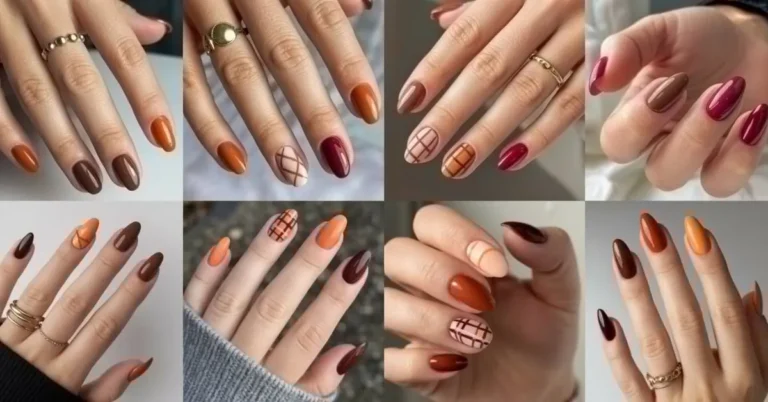
Chocolate Brown: The New Neutral for Every Season
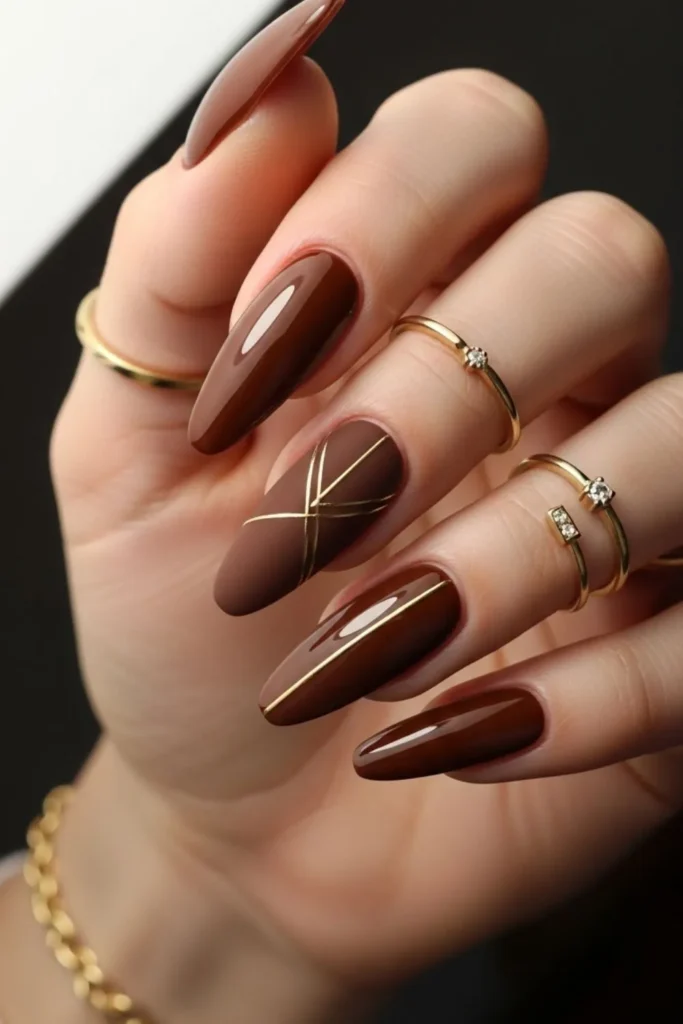
Rich chocolate brown emerges as 2026’s most versatile neutral, replacing the dominance of soft pinks and beiges that defined previous years. This shade offers warmth and depth that flatters all skin tones while maintaining professional appropriateness.
The color’s flexibility becomes apparent through application variations. Glossy chocolate brown delivers sophistication for formal events, while matte finishes create an understated, modern aesthetic. Layering marble swirls in lighter browns or cream tones adds dimension without introducing competing colors. The unexpected pairing of chocolate brown with baby blue creates a retro ’70s vibe that feels fresh and playful. Unlike reds or bold colors that demand specific wardrobes, chocolate brown complements everything from casual denim to evening wear, making it the ultimate everyday choice.
Can You Mix Different Textures on One Acrylic Set?
Texture mixing creates visual interest by combining glossy, matte, chrome, and velvet finishes across a single manicure. This approach turns each nail into its own canvas while maintaining cohesion through strategic color pairing and intentional placement.
Successful execution requires balance. A common formula: three nails in matte finish, one accent nail in chrome, and one featuring subtle nail art with glossy topcoat. This prevents visual chaos while delivering personality and dimension. Velvet cat-eye patterns layered over matte bases create touchable, sophisticated contrast. Mixing textures works especially well when using a monochromatic color scheme different browns in varied finishes, for example, or whites ranging from glossy to matte to pearlescent. The key lies in limiting the palette while varying the surface treatment.
3D Elements: Rhinestones, Pearls, and Gummy Textures
Three-dimensional nail art incorporates physical elements that extend beyond the nail surface point-back crystals positioned as single statement pieces, pearl accents creating delicate patterns, or gummy-textured layers that add jelly-like dimension.
The 2026 approach favors restraint over excess. Rather than covering every nail in rhinestones, place one carefully selected crystal at the base of a single accent nail. This creates focal points without feeling costume-like or impractical for daily activities. Gummy textures use sheer, jelly-like gel layers built up to create three-dimensional depth, often in neon shades for spring and summer. These elements work best when balanced with minimalist bases a simple nude or white canvas allows 3D details to shine without competing for attention.
How Do Marble Effects Create Luxury Without Complexity?
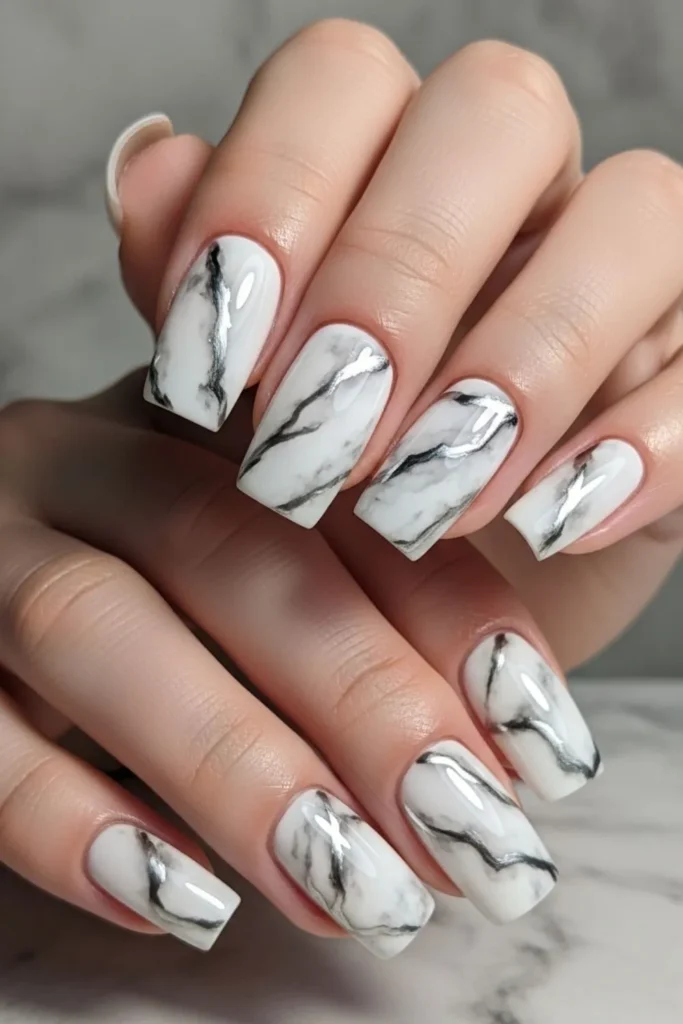
Marble nail art replicates natural stone patterns using swirled combinations of white, grey, and pastel colors that create organic, unpredictable veining across the nail surface. The technique involves dropping multiple polish colors onto the nail and gently swirling with a thin brush before the polish sets.
Silver chrome marble elevates this classic technique into contemporary territory the metallic sheen adds dimension that makes the swirls appear to shift with movement. The beauty of marble lies in its inherent imperfection; no two nails look identical, creating an organic, handcrafted aesthetic that feels expensive despite relatively simple execution. Marble works particularly well on shorter nails where it won’t appear too busy, and it pairs beautifully with simple gold jewelry. The luxurious appearance comes from the color combination stick to sophisticated palettes of grey, white, and rose gold rather than bright, competing colors.
Do Acrylic Nails Damage Your Natural Nails?
Acrylic nails don’t inherently damage natural nails when applied and removed correctly by trained professionals using cosmetic-grade EMA (ethyl methacrylate) products. Damage occurs from improper application excessive filing that thins the nail plate, poor adhesion that allows moisture buildup, or forceful removal that rips layers off the natural nail.
The prevention strategy is straightforward. Choose reputable nail technicians who prep nails without over-filing, apply even acrylic layers, and remove enhancements by soaking in acetone rather than prying them off. Take breaks every 2-3 months to let natural nails recover and breathe. During these breaks, use strengthening treatments and cuticle oil daily to restore moisture and prevent brittleness. The health of your natural nails underneath directly impacts how well acrylics adhere and how long they last maintaining nail health creates a better foundation for future enhancements.
Iced Coffee Glass Nails: Translucent Layers That Catch Light
This innovative technique layers bronze cat-eye polish manipulated with magnets to create a glassy, translucent base, then applies matte topcoat before painting fine glossy lines on top. The contrast between matte and glossy creates a striking glass-like effect reminiscent of an iced coffee beverage.
The appeal lies in dimensional complexity achieved through simple elements. The bronze cat-eye base provides depth and shimmer, the matte topcoat creates surface interest, and the glossy line work adds precision and contrast. This multi-step approach produces a sophisticated result that looks professional and artistic without requiring advanced painting skills. The technique works best on almond or coffin shapes where the nail surface provides adequate canvas for the layered effects to shine.
What Nail Art Looks Work Best for Everyday Wear?
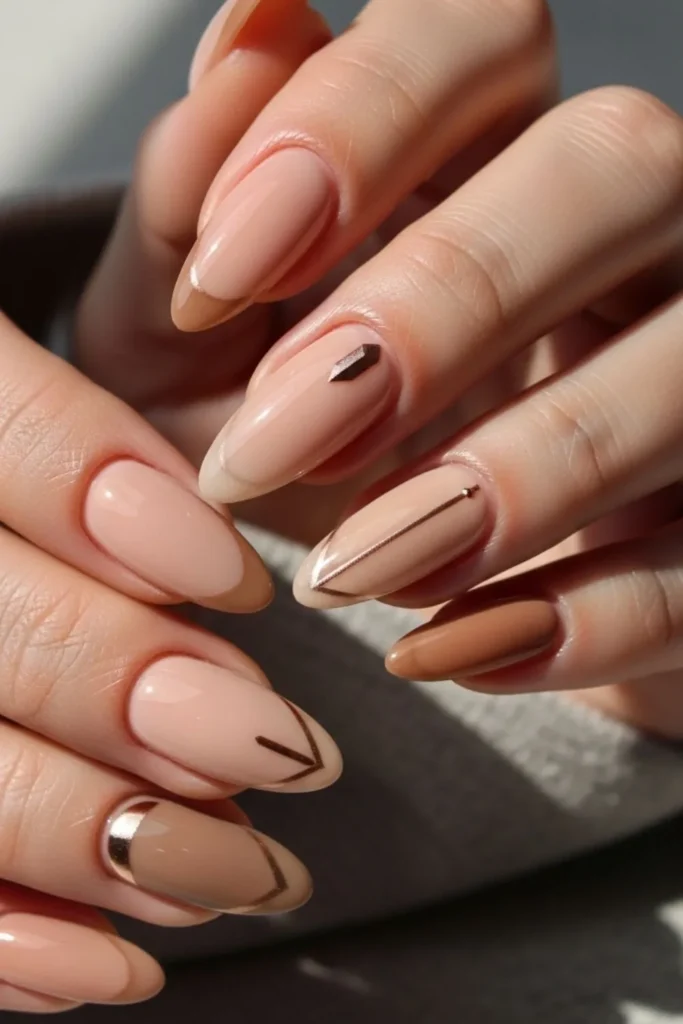
Everyday nail art balances visual interest with professional appropriateness and practical durability. French manicures with updated twists double tips, colorful micro-lines, or chrome edges offer familiarity with contemporary flair.
The most wearable designs share common characteristics: neutral or muted base colors that complement multiple outfits, minimal embellishments that won’t snag on clothing or keyboards, and simple patterns that remain visually interesting without demanding attention.
Subtle gradients, single accent nails, or micro metallic details fit these criteria perfectly. Short to medium nail lengths prevent interference with daily tasks while still providing enough surface for artistic expression.
The goal is creating something you’ll love looking at throughout the 2-3 week wear period without feeling self-conscious in professional settings or tired of the design before your next appointment.
How Do Deer Print and Animal Patterns Translate to Nails?
Deer print recreates the spotted pattern of deer hide using deliberate white dots stretched across brushed brown backgrounds, creating a winter-appropriate aesthetic that nods to seasonal trends without feeling overly thematic.
Animal prints work when executed with sophistication rather than literal reproduction. Deer print’s appeal comes from its subtlety small, organic spots feel modern and wearable compared to bold leopard or zebra patterns. The key is scale and color selection.
Tiny, evenly distributed spots on neutral browns create refined texture, while oversized patterns in bright colors veer into costume territory. Tortoiseshell patterns gain contemporary edge when layered over unexpected bases like blood-red or deep burgundy rather than traditional browns, creating gothic twists on classic designs.
Which Acrylic Designs Photograph Best for Social Media?
High-contrast designs with dimensional elements photograph exceptionally well chrome accents catch light dramatically, dark bases with metallic details create visual pop, and textured finishes add depth that translates clearly in photos.
The Instagram-worthy formula combines clean application, strategic negative space, and intentional focal points. Aura nails with glowing centers create eye-catching gradients that stand out in grid layouts. Molten metallic finishes reflect light in ways that demand attention. Micro nail art benefits from close-up photography that showcases precision and detail.
The trick is avoiding muddy color combinations keep palettes limited to 2-3 colors maximum, ensure high contrast between base and details, and choose shapes that photograph well from multiple angles.
Coffin and almond shapes tend to look most flattering in photos, while dramatic stilettos create striking silhouettes.
How Should You Care for Acrylic Nails Between Appointments?
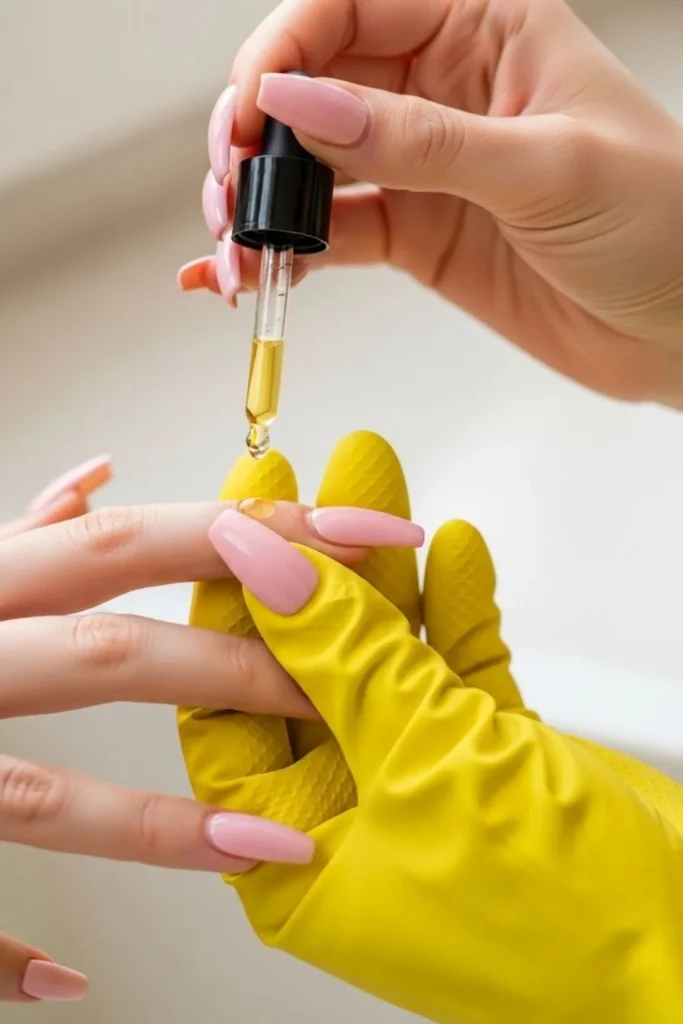
Daily cuticle oil application keeps both the acrylic enhancement and surrounding skin hydrated, preventing brittleness and extending wear time. Apply oil morning and evening, massaging it into cuticles and the acrylic surface to maintain flexibility.
Protective measures prevent premature damage. Wear gloves when cleaning with harsh chemicals or washing dishes to minimize water exposure and chemical contact. Avoid using nails as tools opening cans, peeling stickers, or prying things apart puts stress on the acrylic structure.
Keep nails at practical lengths for your lifestyle; shorter lengths withstand daily activities better than dramatic lengths if you type frequently or work with your hands. Apply fresh topcoat weekly to maintain shine and prevent minor chips from worsening. These simple habits extend the time between fills and keep your acrylic nails looking salon-fresh.
French Manicure Reinvented: Double Tips and Colorful Edges
The classic French manicure receives dramatic updates through unexpected variations. Double tips layer two distinct colors at the nail edge, creating striped effects that add visual complexity. Colorful micro-lines replace traditional white tips with vibrant neon shades, pastels, or metallics that inject personality.
Chrome French edges take the concept further with reflective tips that catch light and create futuristic contrast against nude or clear bases. The beauty of these updated French styles lies in their versatility they maintain the clean, elongating effect of traditional French manicures while allowing for personal expression through color and finish choices.
This approach works brilliantly for those who want recognizable style with contemporary edge, making it suitable for both conservative professional environments and creative personal settings.
Short Acrylic Overlays vs. Long Extensions: Which Suits Your Lifestyle?
Short acrylic overlays strengthen natural nails without adding length, providing a protective layer that prevents breaking and peeling while maintaining functionality for typing, texting, and daily tasks requiring manual dexterity.
Long extensions create dramatic impact and provide expanded canvas for intricate nail art but require lifestyle adjustments. Activities involving fine motor skills become challenging, and the risk of breakage increases with length. The decision point centers on your daily activities and aesthetic priorities.
If you work extensively with your hands, cook frequently, or play instruments, short overlays deliver strength without interference. If you’re looking for statement-making visual impact and can adjust your daily routine, longer extensions offer artistic possibilities.
Many find a middle ground works best medium lengths around 1/4 inch beyond the fingertip provide noticeable presence without extreme impracticality.
Do Acrylic Nails Work on Weak or Damaged Natural Nails?
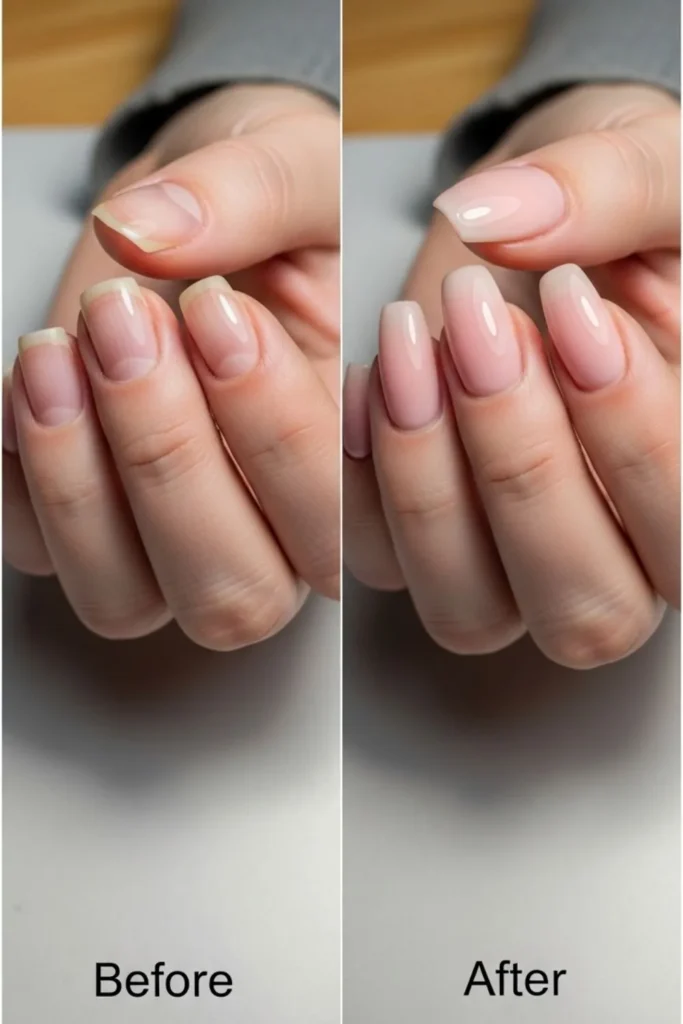
Acrylics can strengthen weak natural nails by providing a protective hard shell that prevents further breaking, but only when applied to healthy nail beds without active infections, severe damage, or extreme thinning.
The application process requires careful assessment. If natural nails are merely weak or brittle, acrylic overlays offer excellent protection and allow them to grow longer than they could naturally. However, if nails are damaged from previous enhancements, infected, or severely thinned from over-filing, they need a recovery period before acrylics can be safely applied.
During healing, focus on nail strengthening treatments, daily cuticle oil, and avoiding all enhancements for 2-3 months. Once natural nails regain health, acrylics applied by skilled technicians can prevent the break-grow-break cycle that plagues weak nails, giving them time to strengthen underneath the protective layer.
Ombre Gradients: From Subtle Fades to Bold Color Transitions
Ombre nails blend two or more colors seamlessly across the nail surface, creating gradual transitions that range from barely perceptible nude-to-white fades to dramatic neon-to-dark progressions.
The technique’s versatility makes it perpetually relevant. Subtle ombres work beautifully in professional settings soft pink fading to nude, cream dissolving into white. Bold ombres deliver visual drama for special occasions electric blue transitioning to deep purple, sunset oranges melting into hot pink.
The key to successful ombre lies in the transition zone; the gradient should appear smooth and intentional rather than abrupt or muddy. This requires careful blending with makeup sponges or airbrush application, ensuring colors merge without distinct lines.
Ombre works on any nail shape and length, making it one of the most adaptable acrylic nail ideas for diverse preferences and occasions.
How Do You Remove Acrylic Nails Safely at Home?
Professional removal always provides the safest option, but home removal is possible with patience and proper technique. Soak cotton balls in pure acetone, place them on each nail, then wrap nails in aluminum foil to seal in the acetone. Wait 20-30 minutes.
After soaking, the acrylic should soften enough to gently push off with an orangewood stick or cuticle pusher. Never force or pry acrylic off this tears layers from your natural nail and causes significant damage. If acrylic doesn’t release easily after soaking, re-wrap and soak longer rather than pulling.
Once removed, file any remaining acrylic gently, buff the natural nail surface smooth, and apply cuticle oil generously to restore moisture. Follow with nail strengthening treatments and avoid new enhancements for at least 2-3 weeks to allow natural nails to recover from the acetone exposure and regain their strength.
Burgundy and Wine Red: Deep Tones for Sophisticated Impact
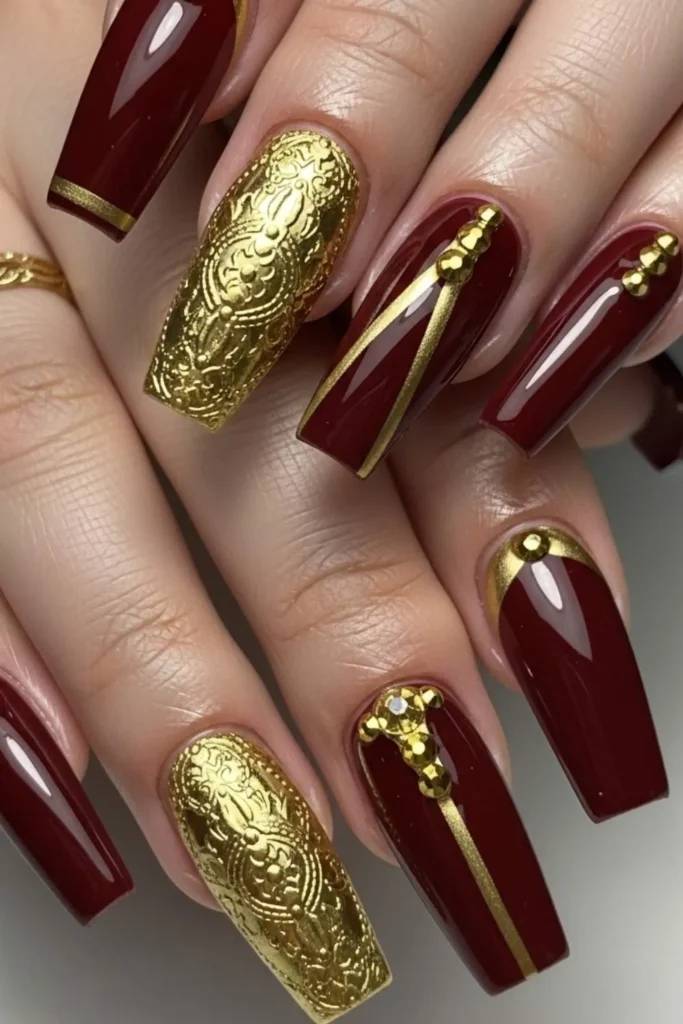
Deep wine reds and rich burgundy shades deliver sophistication that bright reds can’t match. These darker tones feel luxurious and modern, working equally well for daytime professional settings and evening elegance.
The richness comes from their complexity burgundy contains purple undertones that create depth, while wine reds incorporate brown notes that warm the color. These shades flatter all skin tones, particularly when paired with gold jewelry or metallic accents.
Glossy finishes emphasize the color’s richness, while matte applications create unexpected modern edge. Burgundy provides the perfect base for micro polka dot frames, fine gold detailing, or subtle marble swirls.
The color’s year-round appropriateness makes it more versatile than seasonal reds, transitioning seamlessly from winter holidays through spring events and summer evenings.
What’s the Cost Difference Between Acrylic Sets and Fills?
A full acrylic set typically costs $30-60 for basic application, while fills range from $20-40 every 2-3 weeks. Initial sets require more time and material prepping natural nails, applying nail forms or tips, building the acrylic structure, shaping, and finishing.
Fill appointments address only the growth gap at the cuticle, requiring less product and time. The long-term cost consideration matters: maintaining acrylics for six months involves one full set plus 8-10 fill appointments, potentially totaling $180-460 depending on your location and salon pricing.
Adding nail art, gel topcoats, or premium finishes increases costs further. Compare this to gel manicures requiring complete removal and reapplication every 2-3 weeks, and acrylics often prove more economical for those wanting long-lasting, durable enhancements.
Quality matters significantly cheaper services often use inferior products or rushed techniques that lead to premature failure, ultimately costing more through frequent repairs and replacements.
Negative Space Designs: When Less Creates More Impact
Negative space nail art intentionally leaves portions of the natural nail visible, creating designs through the relationship between colored elements and bare nail rather than covering the entire surface.
This approach delivers modern sophistication through restraint. Geometric patterns that frame the nail edges while leaving the center clear create elongating effects. Chrome accents along one side of the nail with negative space on the other produce asymmetrical balance.
The technique works particularly well for those who love nail art but want to minimize maintenance as nails grow, the negative space expands without creating an obvious “grown out” appearance. It also reduces product use and application time.
The key is intentional design; negative space should appear deliberate and balanced rather than incomplete. This style suits minimalists who appreciate artistic expression without overwhelming visual impact.
Neon Jelly Nails: Translucent Brights for Spring and Summer
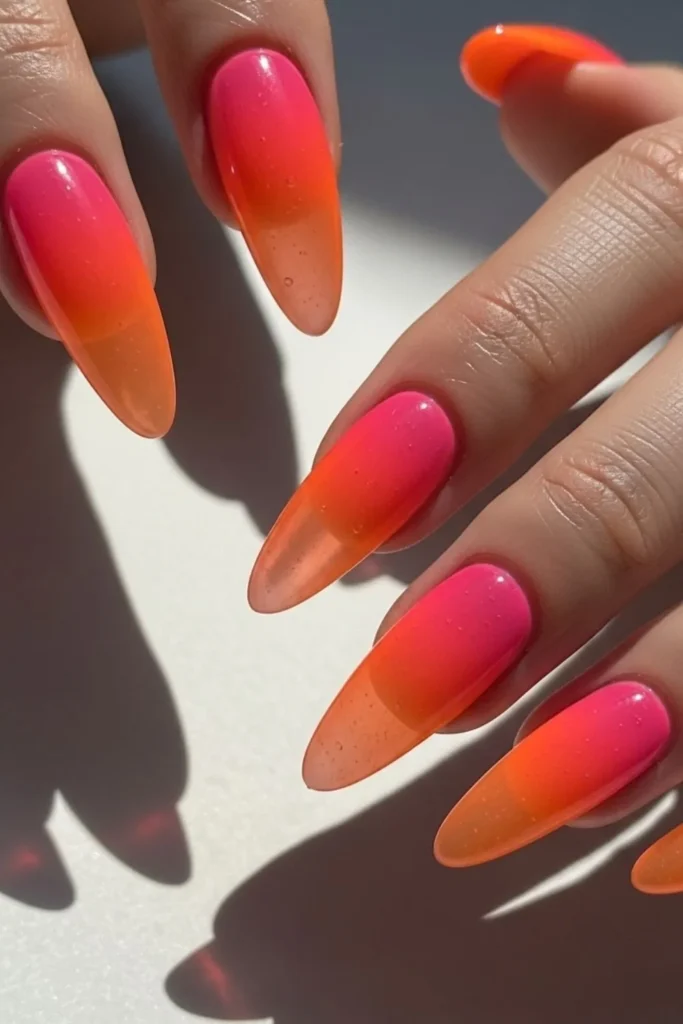
Jelly nails use sheer, translucent gel formulas that create a candy-like, see-through effect. The 2026 iteration features neon shades electric pinks, bright oranges, vivid yellows in translucent applications that feel playful without being juvenile.
The translucency differentiates these from standard neon acrylics, which can appear harsh or overwhelming. Sheer neon layers create depth and dimension, allowing light to pass through and bounce off the natural nail underneath.
This produces a glowing effect that changes with lighting conditions. Gummy textures take this further, building up three-dimensional layers that create touchable, raised surfaces reminiscent of gummy candy.
These work exceptionally well for summer, beach events, or tropical vacations where bright, fun aesthetics feel appropriate. The key is keeping everything else simple, let the neon jelly finish be the statement without competing patterns or embellishments.
How Long Should You Wait Between Acrylic Sets?
Taking breaks every 2-3 months allows natural nails to recover from the filing, adhesives, and covered environment that acrylics create, even when properly applied and maintained.
During break periods, focus on nail health restoration. Use strengthening treatments containing keratin or biotin, apply cuticle oil twice daily, and protect hands with gloves during cleaning or water exposure. You can still wear regular nail polish during breaks; it doesn’t prevent the nail from “breathing” since nails receive oxygen through the bloodstream, not air exposure.
After 2-3 weeks without enhancements, natural nails typically regain their strength and flexibility, becoming better foundations for the next acrylic application. This cycling between enhancement and recovery prevents long-term thinning, brittleness, and damage that can occur from constant acrylic wear without allowing natural nails time to recuperate.
Celestial Silvers and Metallic Star Motifs
Star designs evolve beyond Y2K stickers into bold, oversized geometric motifs in contrasting metallic tones or stark black-and-white applications. These celestial elements transform nails into graphic pop art statements.
The modern approach uses stars as focal points rather than scattered decorations. A single large star on an accent nail creates impact without feeling juvenile. Metallic silver stars against deep navy or black bases deliver sophisticated edge.
The key lies in scale and placement oversized geometric silhouettes feel contemporary and intentional, while tiny scattered stars risk appearing dated. Celestial themes pair beautifully with negative space designs, allowing the star motif to float on bare nail backgrounds.
This trend works for those who want recognizable imagery with artistic execution, creating manicures that feel both playful and carefully considered.
Can You Apply Regular Polish Over Acrylic Nails?
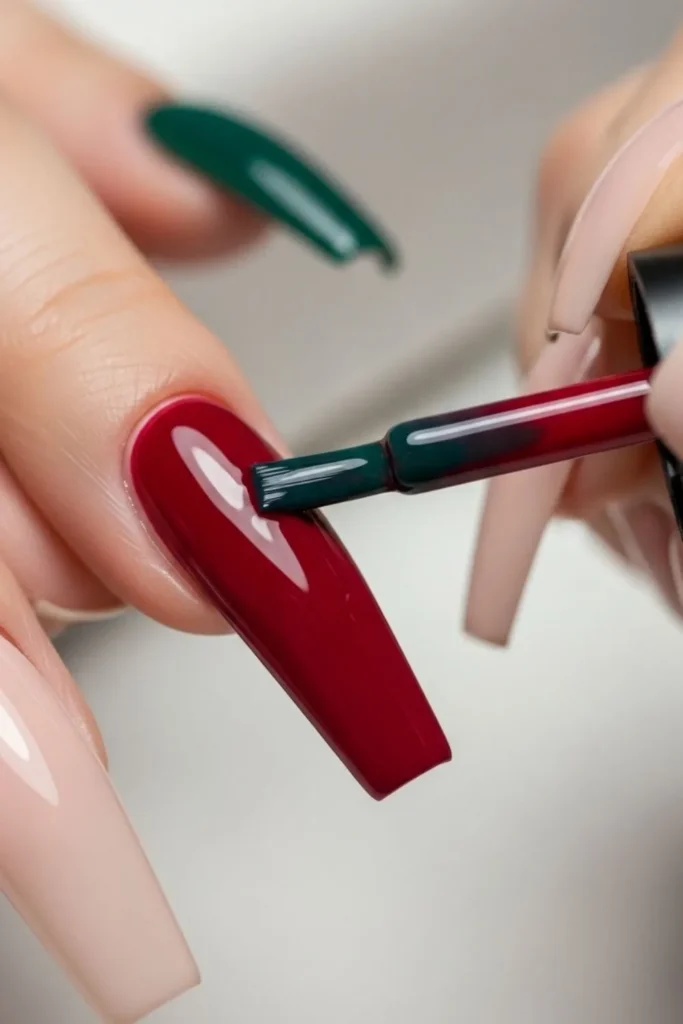
Gel polish provides the most durable color option for acrylic bases, lasting 2-3 weeks without chipping. However, regular nail polish can be applied directly to cured acrylic surfaces for those who enjoy frequent color changes.
The advantage of regular polish on acrylics is flexibility change colors weekly or experiment with nail art without committing to gel removal. The disadvantage is reduced wear time; regular polish chips more easily than gel, particularly on long acrylic extensions where nail tips contact surfaces frequently.
To maximize longevity, use high-quality base coats, apply thin layers of color, and seal with durable topcoats. Refresh topcoat every 2-3 days to prevent chips from expanding. This approach works well for those who prioritize variety over durability or want to test colors before committing to gel applications.
Tomato Red: Bold, Bright, and Unapologetically Cheerful
Tomato red distinguishes itself from traditional reds through vibrant orange undertones that create an energetic, optimistic vibe. This shade feels fresh and modern compared to blue-based or wine reds.
The color’s cheerfulness makes it perfect for spring and summer, though its bold nature works year-round for those who love statement-making nails. Tomato red pairs unexpectedly well with chocolate brown creating retro ’70s combinations that feel both nostalgic and contemporary.
The brightness demands attention, so keep shapes and designs relatively simple to let the color shine. Glossy finishes maximize the vibrant quality, while matte applications create unexpected sophistication. This shade particularly flatters medium to deep skin tones, where the orange undertones create beautiful warmth and dimension.
Why Choose Acrylic Nails Over Press-Ons or Dip Powder?
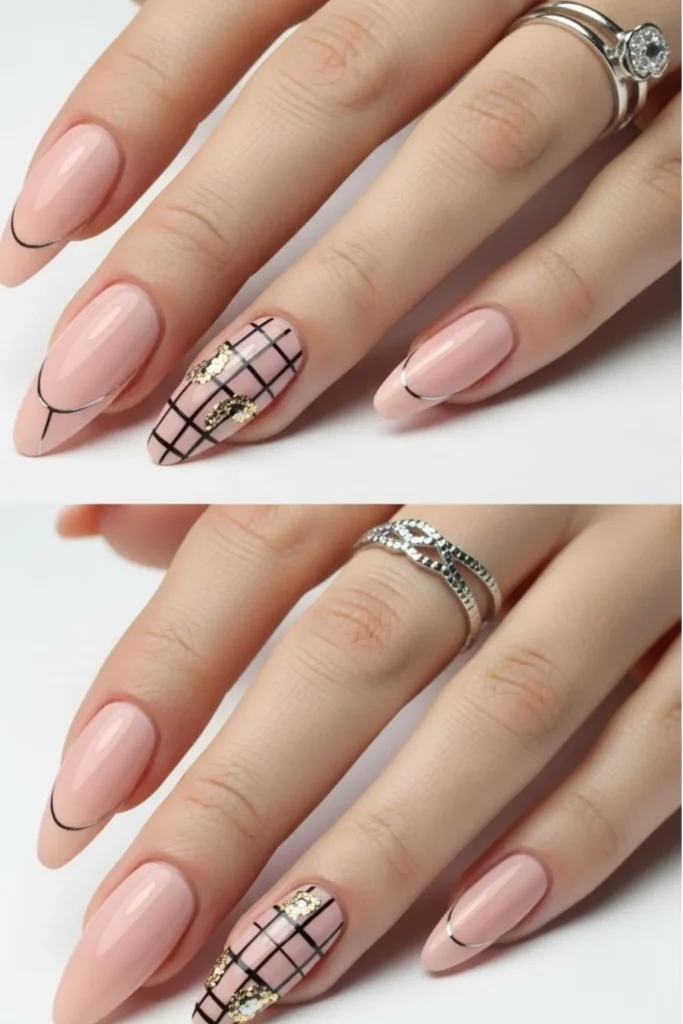
Acrylics offer superior durability and customization compared to press-ons or dip powder. The liquid-and-powder application allows technicians to create any length, shape, or sculptural element, building three-dimensional nail art or extreme extensions impossible with other methods.
Press-ons provide convenience and affordability but last only 1-3 weeks maximum and can’t be customized to your exact nail measurements. Dip powder offers strength similar to acrylics but limits shape possibilities and doesn’t extend length as effectively. The choice depends on priorities: if you want maximum artistic expression, dramatic lengths, or three-dimensional elements, acrylics remain unmatched.
If you prioritize quick application and easy removal, press-ons suit better. For those wanting strength without length, dip powder provides a middle ground. Understanding these distinctions helps match enhancement type to lifestyle needs and aesthetic goals.
FAQ’s
How do you maintain acrylic nails between salon visits?
Maintain acrylic nails by applying cuticle oil daily, wearing gloves for cleaning, and avoiding using your nails as tools. Scheduling fills every 2 to 3 weeks also helps prevent lifting and breakage.
Can you swim with acrylic nails?
Yes, you can swim with acrylic nails, but prolonged exposure to chlorinated pools or saltwater can weaken the adhesive over time. Rinsing your hands after swimming and reapplying cuticle oil helps protect acrylic manicures.
What’s the best nail shape for acrylic beginners?
Square and short coffin shapes are best for acrylic beginners because they are strong, easy to maintain, and less likely to break. These shapes also grow out evenly and work well for everyday wear.
Do acrylics work on bitten nails?
Yes, acrylic nails work well on bitten nails by adding length and creating a smooth, protective surface. Many U.S. nail salons use acrylics to help clients break nail-biting habits.
How long after removing acrylics should you wait before getting a new set?
It’s best to wait 1 to 2 weeks after removing acrylic nails to let your natural nails recover and rehydrate. During this break, use nail strengthener and cuticle oil to restore nail health.
Key Takeaways
- Acrylic nails combine liquid monomer and powder polymer to create durable enhancements that last 6-8 weeks with fills every 2-3 weeks
- Cloud Dancer whites, chocolate browns, and molten metallics dominate 2026 trends alongside cat-eye finishes and micro nail art
- Proper maintenance includes daily cuticle oil, wearing gloves during cleaning, and avoiding using nails as tools to prevent premature damage
- Short overlays suit active lifestyles while longer extensions provide maximum artistic canvas; shape selection should match daily activities
- Professional removal through acetone soaking prevents natural nail damage; take 2-3 week breaks between sets for nail health recovery
Conclusion
Acrylic nails in 2026 offer more diversity than ever before, spanning from minimalist milk bath neutrals to maximalist 3D nail galleries with competing textures and finishes. The trends balance wearability with artistic expression, proving that durable enhancements don’t require sacrificing style for substance.
Whether you gravitate toward sophisticated chocolate browns with micro metallic details or bold neon jelly finishes that catch summer light, the right acrylic design exists for your aesthetic and lifestyle needs.
The key to exceptional results lies in choosing experienced technicians who prioritize nail health, selecting shapes and lengths that complement your daily activities, and maintaining your enhancements through proper care between appointments.
With consistent cuticle oil application, protective measures during water exposure, and regular fills every 2-3 weeks, your acrylic nails will deliver the polished, long-lasting impact that makes them worth the investment.